

Dizziness in older adults can be caused by insomnia, brain tumors, migraines, vestibular dysfunction, or cervical spondylosis compressing nerve roots.
Dizziness is a common problem among older adults. Accompanying symptoms often include headache, tinnitus, blurred vision, vomiting, nausea, palpitations, panic, disorientation, and falls.
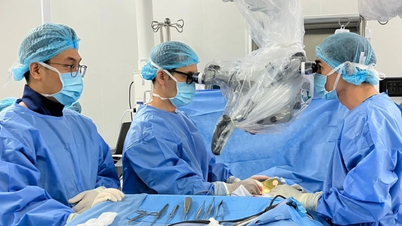
According to Dr. Le Van Tuan, Director of the Neuroscience Center at Tam Anh General Hospital in Ho Chi Minh City, dizziness in older adults can be caused by many underlying medical conditions.
Neurological conditions such as epilepsy, brain tumors, migraines, sleep disorders, cerebral ischemia, cerebral vascular malformations, etc., can lead to dizziness.
Meniere's disease causes inner ear disorders, with symptoms including dizziness, hearing loss or impaired hearing, and tinnitus, which can be described as buzzing insects or the rumbling of a millstone. Doctors often prescribe anti-nausea medications, antihistamines, or benzodiazepines to help control symptoms and advise on a low-salt diet.
According to Dr. Tuan , nearly 50% of people over 60 years old experience vestibular dysfunction. Vestibular disorders causing dizziness in the elderly can include peripheral vestibular damage, labyrinthitis in the cochlea, cerebral vascular occlusion in the posterior cervical region, head trauma, vestibular neuritis, and other head injuries.

Older adults who use medications such as antibiotics, anti-epileptic drugs, sedatives, etc., are also prone to dizziness due to reduced vestibular function.
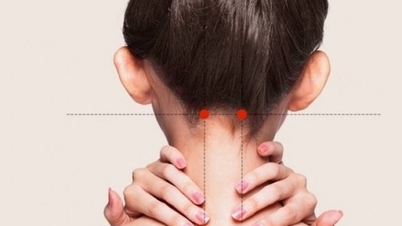
Cervical spondylosis causes nerve root compression. This condition, caused by cervical spine degeneration, involves compression of blood vessels and nerve roots, a very common problem in the elderly. This leads to cerebral ischemia, causing prolonged dizziness, neck and shoulder pain, headaches, and other related symptoms.
Other conditions such as cardiovascular disease, diabetes, kidney failure, atherosclerosis, and high or low blood pressure can also cause headaches and dizziness in older adults. Certain factors such as weather changes, food poisoning, and prolonged stress can also trigger headaches and dizziness in older adults.
According to Dr. Tuan, dizziness not only causes discomfort but also increases the risk of falls, leading to fractures, head injuries causing hematomas, and traumatic brain injuries. When experiencing dizziness, elderly people should lie down comfortably or sit in a soft, backrested chair to avoid forcing themselves to continue walking. They should avoid sudden changes in posture from sitting to standing or from lying to sitting. They should also avoid activities involving machinery, driving, or climbing stairs.
Increase your water intake and add more green vegetables to your daily diet to improve your health. Limit your intake of salty or sweet foods to avoid disrupting your body's water balance, making it difficult to control blood sugar, and potentially leading to dizziness.
Relaxing and resting in a comfortable environment, practicing meditation, and engaging in light exercise are also ways to reduce stress and relieve pressure, thereby improving dizziness. If the dizziness persists, elderly people should see a doctor to determine the cause and find appropriate treatment.

Huy Van
| Readers can ask questions about neurological disorders here for doctors to answer. |
Source link

































































![[Video] Sunset at Lap An Lagoon – Where the sun sets over the fishing nets](https://vphoto.vietnam.vn/thumb/1200x675/vietnam/resource/IMAGE/2026/05/31/1780192137701_beach-landscape-sea-water-nature-grass-745871-pxhere-com.jpeg)











































Comment (0)