

According to security company Bkav, Fabookie has been detected in over 100,000 infected computers in Vietnam. Fabookie is designed to steal information through cookies and passwords stored in computer browsers, similar to many other types of malware that steal accounts. Once hackers have the cookies storing login sessions and passwords, they can change the information and gain complete control of the victim's account.
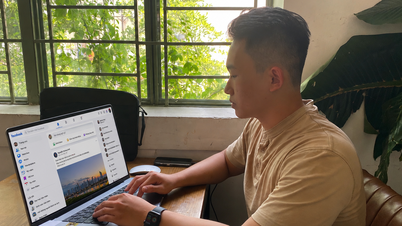
Security experts say Fabookie is particularly "fond" of Facebook Business accounts. The malware can examine decrypted cookies, view the account's login status, and then use Facebook Graph API Queries (a method of querying data from Facebook) to obtain more information about the target account, payment methods, balance, etc.
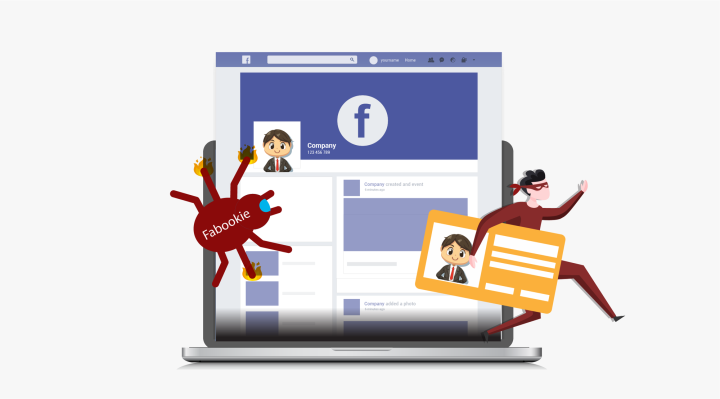
Fabookie targets Facebook Business accounts.
If this malware successfully exploits the data and obtains information about Facebook Business accounts, the hackers behind the attack could use the victim's account to run ads instead of changing the password, thus taking control without the victim's knowledge.
In this way, they will achieve various goals (without incurring additional costs) such as generating more profit and improving the SEO ranking (helping websites appear more prominently in search engine results) of web addresses containing malware in order to spread it more widely.
Account hijacking would be detrimental to them because there's a high chance they'll be detected by security personnel and have their existing credit card linked to it.
Following the trend of new-generation malware, Fabookie only targets machines running 64-bit operating systems.
Experts advise users against installing and using software or tools that help crack software licenses or create password protection strings, and to limit the use of password saving features in browsers for important accounts.
In addition, users in general, and those with administrator accounts for Facebook Business, should avoid accessing suspicious links or links from strangers, and refrain from logging into their accounts on untrusted devices.
Khanh Linh
Source

![[Photo] The courage of new recruits of Brigade 144 on the training ground.](https://vphoto.vietnam.vn/thumb/1200x675/vietnam/resource/IMAGE/2026/05/27/1779881651341_anh-man-hinh-2026-05-27-luc-18-32-52.png)
![[Photo] The heat at the fireworks display site on the opening night of the Da Nang International Fireworks Festival 2026](https://vphoto.vietnam.vn/thumb/1200x675/vietnam/resource/IMAGE/2026/05/27/1779889741485_ndo_br_z7872039145157-fecaba5112f39e8352544099d7ef4738-5140-jpg.webp)
























































































Comment (0)