

US and Iranian negotiators reached an agreement in principle on May 28 to extend the ceasefire and lift restrictions on maritime activity through the Strait of Hormuz, according to Reuters sources.
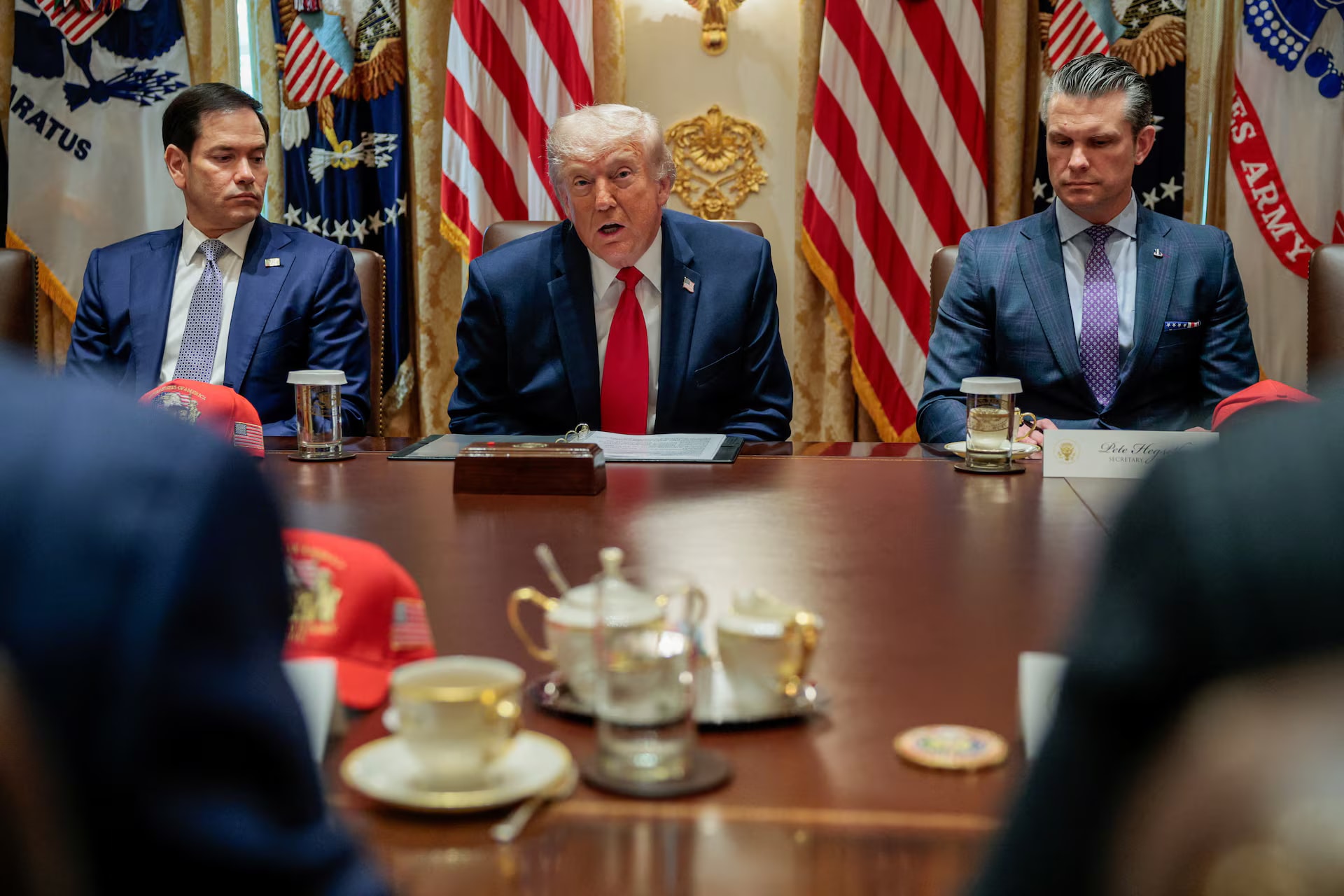
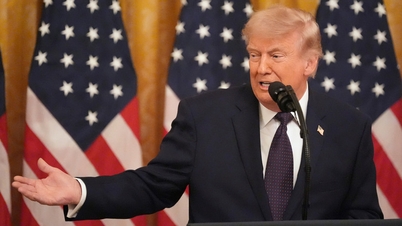
However, the agreement has not yet been ratified by US President Donald Trump, while Iranian state media reported that the final text has not been completed.
According to the published documents, the agreement is expected to extend the ceasefire for another 60 days and allow normal shipping traffic through this strategic waterway. During this period, the parties will continue negotiations on Iran's nuclear program.
If approved by Washington and Tehran, this would be the most significant diplomatic breakthrough since the conflict erupted on February 28.
Iran has not officially commented on this information. Meanwhile, the Tasnim news agency, citing a source close to the negotiating team, said that the content of the agreement has not yet been finalized or confirmed.
Speaking in Washington, US Vice President JD Vance said: "We haven't reached the finish line yet, but we're very close and we will continue to work hard."
He also cautiously emphasized: "I can't guarantee that we will reach an agreement, but at this moment I feel quite optimistic."
According to sources, the agreement would guarantee freedom of navigation through the Strait of Hormuz. In return, the US would end its blockade of Iranian ports and partially ease sanctions on Tehran's oil exports.
This news caused oil prices to fall as the market anticipated that restrictions on shipping through the Hormuz would soon be lifted. This route currently carries about 20% of the world's oil and liquefied natural gas (LNG) supply.
However, the latest military developments suggest that the ceasefire remains very fragile.
The U.S. Central Command (CENTCOM) said its forces shot down five Iranian attack drones and destroyed a control station in the port city of Bandar Abbas. At the same time, Kuwaiti forces intercepted a ballistic missile launched toward Kuwait, where a major U.S. military base is located.
A U.S. official also denied reports from Iranian state television that a U.S. plane had been shot down near the city of Bushehr.
These are the latest clashes since the ceasefire went into effect in early April. According to an unnamed US official, Washington's attacks are defensive and aimed at maintaining the ceasefire's effectiveness.
Meanwhile, Iran's Islamic Revolutionary Guard Corps (IRGC) announced it had targeted a US base that Tehran claims was involved in the Bandar Abbas attack, and warned that any similar actions in the future would face a "more forceful response."
Kuwait condemned the missile attack and demanded that Iran cease what it called a serious escalation.
Pakistan, the country playing a mediating role, said Foreign Minister Ishaq Dar will meet with US Secretary of State Marco Rubio in Washington on May 29.
Since mid-March, Trump has repeatedly asserted that the war is nearing its end, yet neither side has shown many public signs of narrowing their core differences.
Iran is demanding that the US lift sanctions, release frozen assets abroad, and withdraw military forces from the region. Meanwhile, Washington is demanding that Tehran end its nuclear program, which Iran insists is for peaceful purposes only.
Tehran also insists that any peace agreement must include an end to Israeli attacks on Lebanon. However, fighting there shows no sign of abating.
Israel said it attacked facilities of the Iranian-backed Hezbollah in the southern Lebanese city of Tyre and carried out an airstrike in Beirut. The Lebanese army said one soldier was killed in an attack.
In other news, the U.S. warned Oman against participating in any scheme with Iran to collect fees or control shipping through the Strait of Hormuz. U.S. Treasury Secretary Scott Bessent said the Omani ambassador to Washington had confirmed that Muscat has no plans to impose any fees on maritime traffic through the route.
Oman has also never mentioned the idea of jointly controlling the Strait of Hormuz with Iran, although it has confirmed discussions with Tehran on ensuring freedom of navigation. Iran subsequently declared its support for Oman in the face of what Tehran called threats from US officials.
Source: https://hanoimoi.vn/my-va-iran-tien-gan-thoa-thuan-mo-cua-hormuz-976054.html
![[Image] Pleasant weather helps students enter the 10th grade entrance exam with confidence.](https://vphoto.vietnam.vn/thumb/1200x675/vietnam/resource/IMAGE/2026/05/29/1780034401612_ngay-1-thi-lop-10-minh-duy-8-5009-jpg.webp)


![[Photo] Ba Lang An Lighthouse - the "eye of the sea" amidst the "rock museum" of Quang Ngai province.](https://vphoto.vietnam.vn/thumb/1200x675/vietnam/resource/IMAGE/2026/05/29/1780038698840_anh-man-hinh-2026-05-29-luc-14-10-42.png)

























































































Comment (0)