

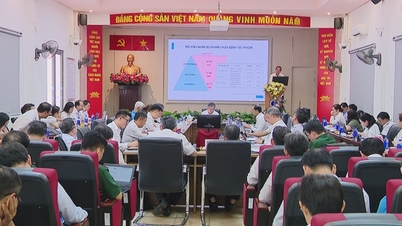
Recognizing that practicing thrift and combating waste (THTK, CLP) is a key political task that needs to be implemented regularly and continuously to create momentum for achieving socio-economic development targets, increasing resources to care for the people, and enriching the country in the new revolutionary period, Vinh Phuc has implemented many comprehensive solutions to gradually bring the practice of thrift and combating waste into order and achieve high efficiency.
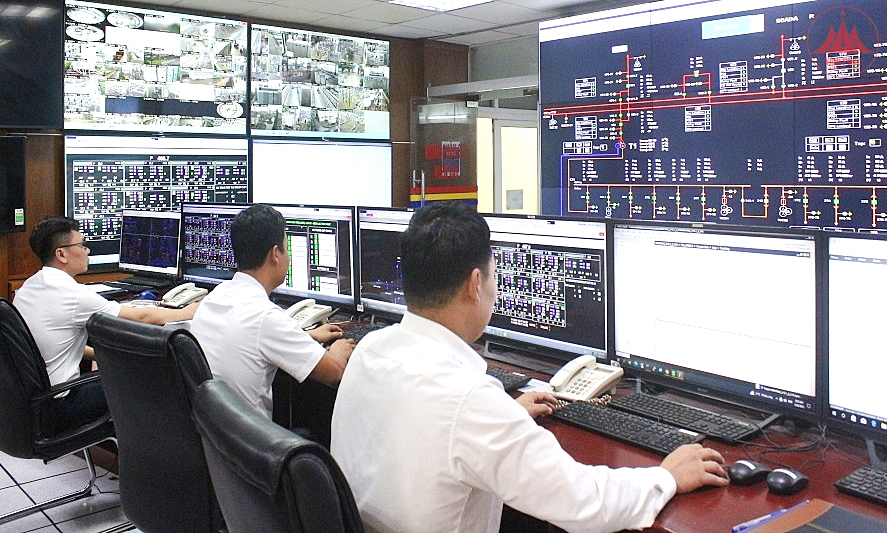
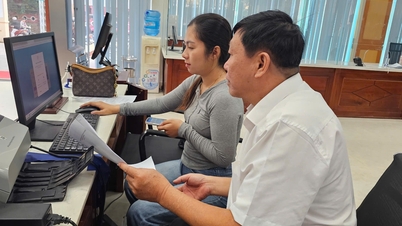
Applying information technology and digital transformation has helped Vinh Phuc Power Company save costs and improve the efficiency of electricity supply for production and daily life.
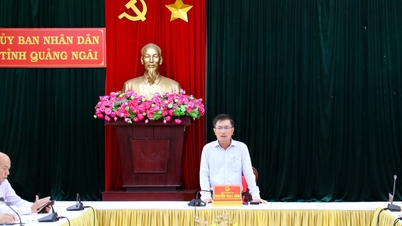
To implement thrift and anti-corruption measures throughout the province, based on the Government 's annual overall thrift and anti-corruption program and the local situation, Vinh Phuc has proactively developed and issued its own provincial thrift and anti-corruption program.
Specifically, the focus is on directing agencies, units, levels, sectors, and state-owned enterprises in the province to develop and issue programs for thrift and anti-corruption with specific savings targets for their respective agencies and units, according to their state management functions.
The THTK and CLP programs must be comprehensive, but also focused and prioritized, closely adhering to the annual themes as outlined in the directives and guidelines from the central and provincial authorities.
The indicators for thrift and anti-corruption in all fields must be quantified to the maximum extent, in accordance with the actual situation, ensuring substance and providing a basis for evaluating, inspecting, and monitoring implementation results as prescribed.
THTK and CLP must be linked to strengthening inspection, examination, auditing, and supervision, promoting administrative reform, reorganizing the political system's organizational structure, and combating corruption and negative practices.
In addition, the provincial departments, agencies, district and city People's Committees, and businesses are directed to organize the dissemination and thorough understanding of the Party's guidelines and the State's policies and laws on thrift and anti-corruption to 100% of cadres, civil servants, employees, and the people in agencies, organizations, and units.
Assign tasks to sectors, levels, agencies, and units to implement thrift and anti-corruption measures in the areas of managing and using recurrent expenditure from the state budget; managing and using public investment capital; managing and using public assets; managing, exploiting, and using resources, etc.
As a result, the implementation of thrift and anti-corruption measures in the province has spread widely across all areas of socio -economic life and achieved positive results. In 2024 alone, the implementation of thrift and anti-corruption measures in the preparation, appraisal, approval of budget estimates and final accounts, and management and use of state budget funds helped the province save nearly 600 billion VND in recurrent expenditures.
Savings in the management and use of public investment capital amounted to nearly 134 billion VND; savings in regular centralized procurement activities amounted to nearly 1 billion VND… Along with that, there were diverse forms of thrift and anti-corruption in fields such as the management and exploitation of natural resources, especially in land management and mineral resources.
In the management and use of office premises of agencies and organizations using state budget funds; in the organization of the apparatus, management, and use of labor and working time in the state sector; in the production, business, and consumption activities of the people…
Building on the achievements made, and to further enhance the effectiveness of thrift and anti-corruption efforts in the province, in the coming period, the province will strengthen its direction to agencies, units, localities, and businesses to promote the dissemination of information and laws on thrift and anti-corruption, as well as the Party and State's guidelines and policies related to thrift and anti-corruption.
Innovate content and diversify forms of propaganda to enhance and unify awareness and responsibility regarding the goals, requirements, and significance of thrift and anti-corruption work for agencies, businesses, organizations, individuals, and society as a whole.
Develop a plan to implement savings targets and indicators in each assigned area of responsibility, which should include specific and clear assignment and delegation of responsibilities to each agency, organization, and subordinate unit, as well as to each official and employee, linked to regular inspection and evaluation.
Implement practical campaigns and emulation movements on thrift and anti-waste, creating a vibrant and widespread competitive atmosphere throughout society. Timely commend and reward exemplary individuals in thrift and anti-waste, while simultaneously implementing measures to protect those who provide information exposing waste.
At the same time, focus on reviewing and proposing amendments to the Law on Thrift and Anti-Waste, in the direction of making thrift the goal and combating waste the task, ensuring uniformity, consistency, and feasibility; creating a complete and consistent legal basis for monitoring, inspection, detection, and strong, deterrent handling of wasteful acts.
Strengthening the application of information technology and comprehensively transforming the implementation of administrative procedures, especially licensing activities, and shifting strongly towards automated licensing based on technology and digital data will reduce unnecessary costs.
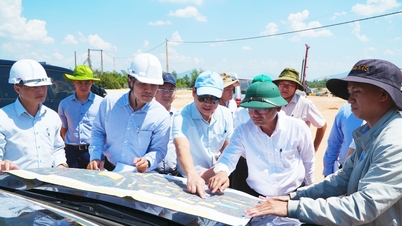
Effectively conduct inspections, examinations, and audits of the implementation of policies and laws on thrift, anti-corruption, and anti-waste, especially in the areas of land, investment, construction, public finance, public assets, resources, and minerals. Thoroughly recover stalled projects and expedite the recovery of state assets and land that have been lost or misused, in accordance with the conclusions and recommendations of inspection, examination, and auditing agencies…
Text and photos: Nguyen Khanh
Source: https://baovinhphuc.com.vn/Multimedia/Images/Id/127605/Nang-cao-hieu-qua-thuc-hanh-tiet-kiem-chong-lang-phi

![[Image] Close-up view of the interchange connecting the two expressways and Long Thanh Airport.](https://vphoto.vietnam.vn/thumb/1200x675/vietnam/resource/IMAGE/2026/05/25/1779703378210_ndo_br_z7863716673926-224453a31600126cce10622af6290afd-4549-jpg.webp)
![[Image] Hanoi's urban life under the challenge of a "scorching hot" environment](https://vphoto.vietnam.vn/thumb/1200x675/vietnam/resource/IMAGE/2026/05/25/1779706979265_nang-nong-t5-2026-minh-duy-7-4636-jpg.webp)






































































Comment (0)