

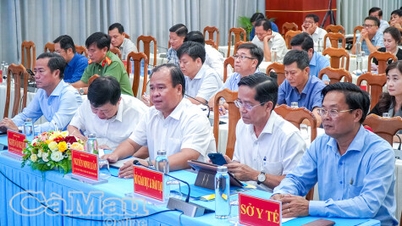
Joining the monitoring team were representatives from the Economic and Budget Committee, the Legal Committee, the Culture and Social Affairs Committee of the Provincial People's Council, and leaders from the Department of Information and Communications and the Department of Justice.
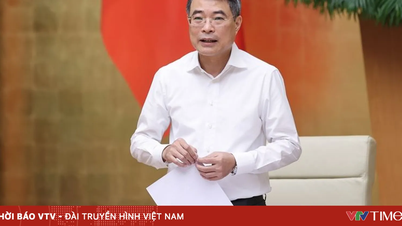
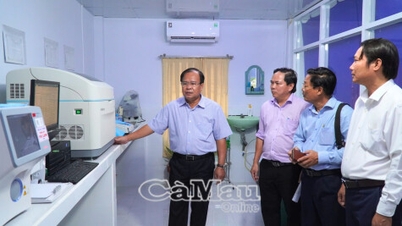
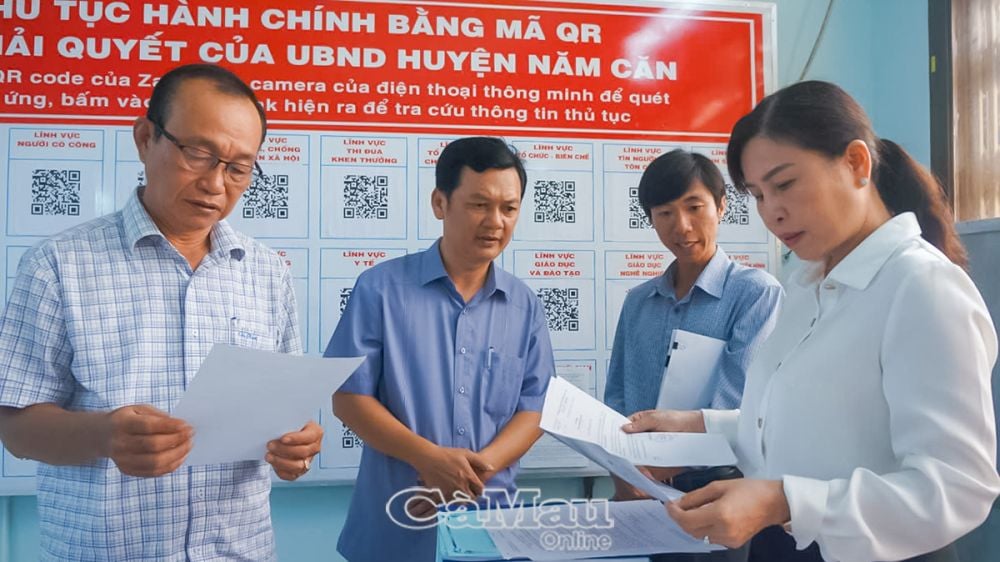 Comrade Le Thi Nhung, Member of the Standing Committee of the Provincial Party Committee and Permanent Vice Chairwoman of the Provincial People's Council, conducted an on-site inspection at the One-Stop Service Center of the Justice Department of Nam Can District.
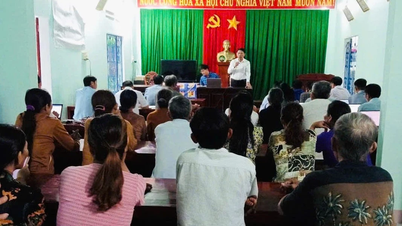
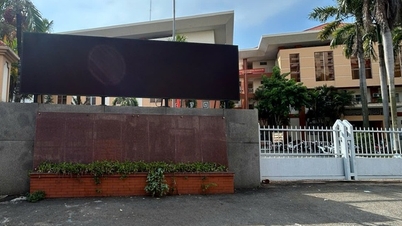
The inspection team conducted on-site surveys at the One-Stop Service Center in Nam Can town and the One-Stop Service Center of the District Justice Department, and then worked with the District People's Committee, the Chairmen of the Commune People's Committees, civil registry officials, and relevant units.
According to the general assessment of the People's Committee of Nam Can District, since the Law on Civil Registration and its implementing regulations came into effect, it has significantly contributed to civil registration in the locality, helping civil registration officials to handle citizens' requests quickly, objectively, and promptly. The procedures for civil registration have been streamlined and simplified, creating favorable conditions for the people. The application of information technology in civil registration and the development of an electronic civil registration database have brought many advantages, reducing errors in registration and management, reducing processing time, and facilitating the search and statistical analysis of civil registration. As a result, the handling of administrative procedures related to civil registration in the district is ensured to be unified, synchronized, and effective.
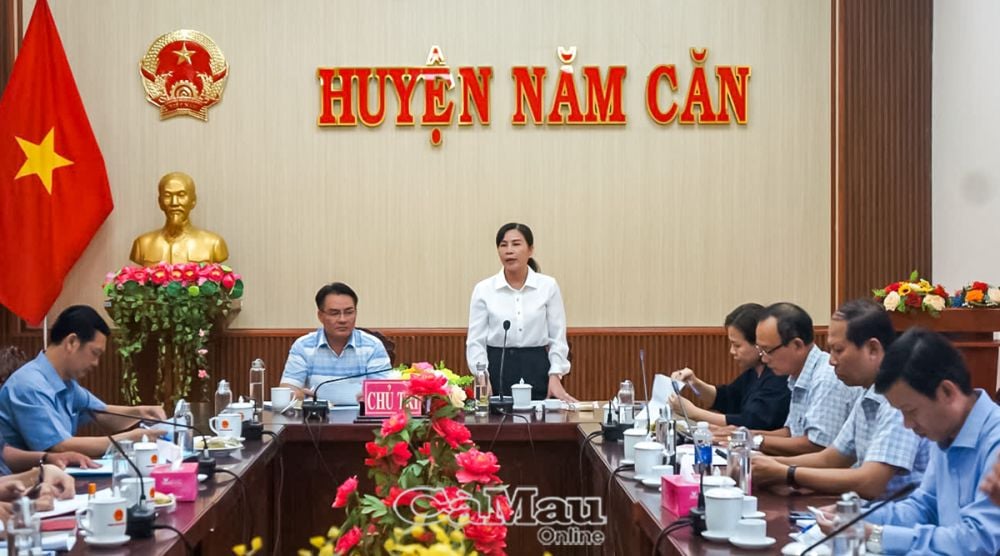 Comrade Le Thi Nhung acknowledged the outstanding results achieved by the district in implementing administrative reforms in the field of civil registration.
In accordance with Plan No. 88/KH-STP dated September 21, 2023, issued by the Director of the Department of Justice, implementing the project "Digitizing Historical Civil Registry Books in Ca Mau Province"; on October 4, 2023, the People's Committee of Nam Can District issued Decision No. 111/QD-UBND on the establishment of the Project Management Team for Digitizing Historical Civil Registry Books in Nam Can District with 22 members, advising the Chairman of the People's Committee of the district on the implementation of the project... As a result, after acceptance by the Department of Justice and the investor, the Justice and Civil Registry officials, in coordination with the construction unit, uploaded 60,660 cases to the shared civil registry software. For cases where digitization is not yet possible, continue to instruct civil servants, upon receiving applications, to guide relevant parties (those registering civil status, those being registered) when they need to redo civil status paperwork or make corrections according to the civil status record process when requested in accordance with legal regulations, and to retain the information for digitization when directed by the Department of Justice. The registration of administrative procedures related to civil status, both partially and fully, is carried out according to regulations, with civil servants receiving applications conducting all online transactions. The percentage of citizens performing administrative procedures electronically has reached 100% of the planned target.
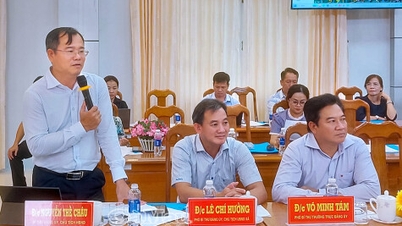
 Mr. Vo Van Hanh, Vice Chairman of the People's Committee of Nam Can District, proposed providing financial support for investment in infrastructure and equipment to serve administrative reform and training to improve the professional skills and expertise of officials in charge of civil registration work.
Besides the advantages, the locality also faces some difficulties and requests support and solutions from higher authorities. Specifically: currently, civil servants use many software programs and frequently change positions, so they have to be instructed on the procedures again from scratch, and requests for account creation and cancellation are made multiple times. Civil servants in some commune-level units have limited IT skills, encountering many difficulties when applying the system. Administrative procedures in the field of civil registration are submitted online, but most people cannot do it themselves, so civil servants receive the applications and do it on their behalf, which wastes a lot of time; in some cases, people do not have electronic identification accounts or smartphones, so they cannot complete the procedures, causing difficulties for both civil servants and citizens. Procedures for civil registration at the district level, such as birth registration, death registration, supplementary civil registration, and recording in other civil registration books of Vietnamese citizens whose cases have been resolved abroad (birth registration, guardianship, recognition of parentage, determination of parentage, adoption, death registration, changes to civil registration, etc.), are regulated and processed on the same day, with short processing times that can easily lead to delays.
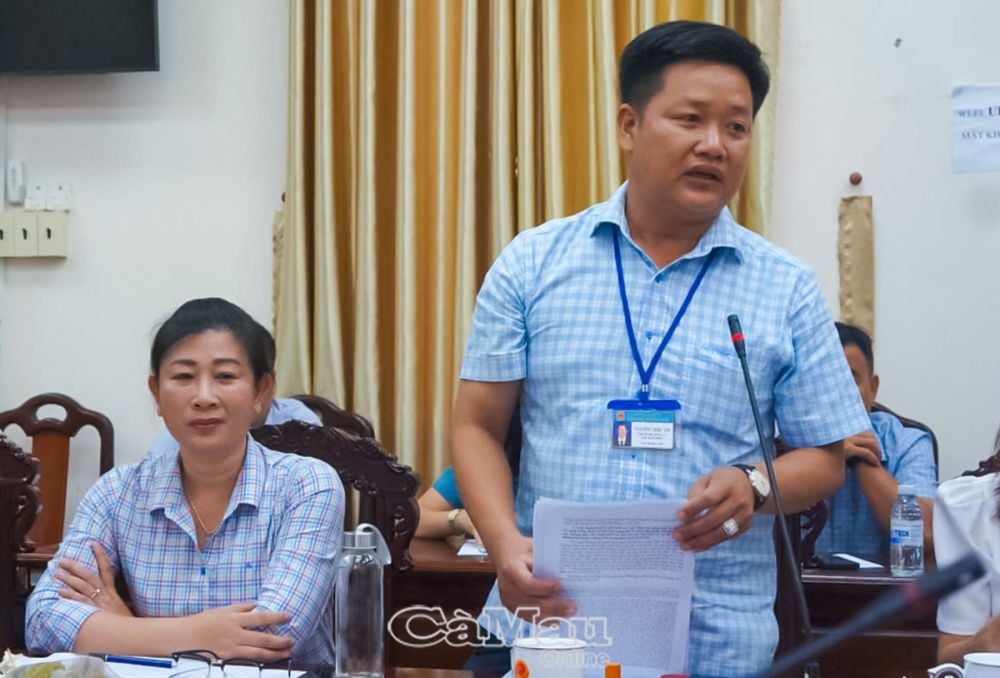 Mr. Nguyen Trieu Am, Deputy Secretary of the Party Committee and Chairman of the People's Committee of Nam Can town, presented some difficulties in civil registration work in the town.
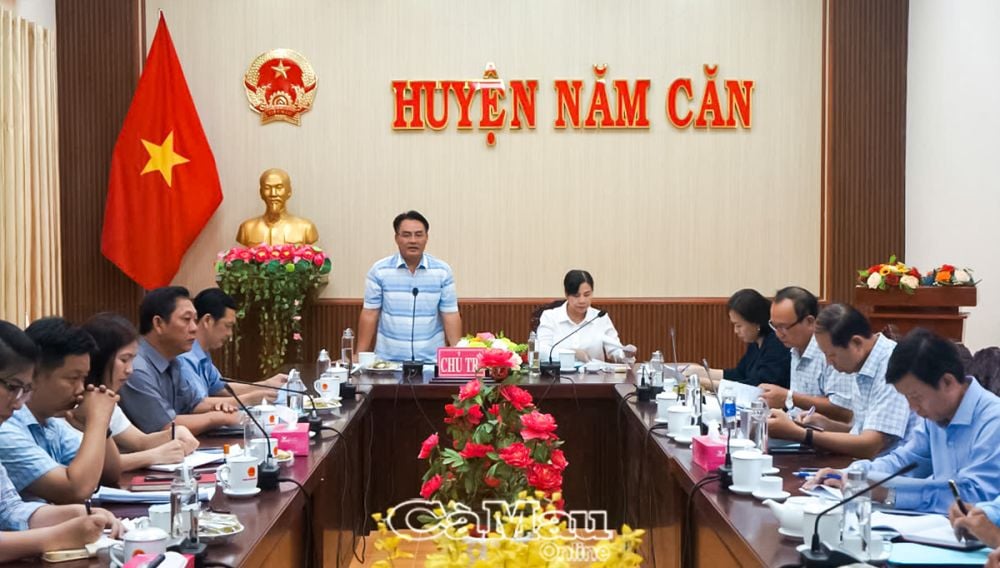
Speaking at the meeting, Ms. Le Thi Nhung acknowledged the outstanding results of the district in implementing administrative reform in the field of civil registration, including the digitization of civil registration books and the absence of complaints during the handling of civil registration-related procedures. At the same time, based on the difficulties faced by the locality, Ms. Le Thi Nhung requested that specialized departments pay attention to and strengthen in-depth training and education to help officials in charge of civil registration work perform their assigned duties well, contributing to the successful resolution of administrative reform tasks in civil registration. She also emphasized the need to arrange a suitable organizational structure with long-term stability, and to continue creating conditions for officials who perform well to further develop their skills. Furthermore, she stressed the importance of strengthening and promoting the role of community digital technology teams to support people in carrying out administrative procedures at the hamlet and neighborhood levels; and for judicial officials in charge of civil registration to improve their sense of responsibility and efficiency in handling work, ensuring public trust.
Loan Phuong
Source: https://baocamau.vn/neu-cao-tinh-than-trach-nhiem-dan-tin-tuong-va-hai-long-a35307.html





![[Photo] Delegation attending the 14th Congress of the Vietnam Trade Union visits the Mausoleum of President Ho Chi Minh.](https://vphoto.vietnam.vn/thumb/1200x675/vietnam/resource/IMAGE/2026/06/03/1780451842301_ndo_br_img-3824-jpg.webp)
















































































Comment (0)