


Many violations have been dealt with.
Khanh Hoa province has a strong potential for developing marine aquaculture, with lobster farming thriving in coastal areas such as Cam Ranh City, Van Ninh District, Nha Trang City, and Ninh Hoa Town, with the total number of cages reaching hundreds of thousands. Currently, due to the lack of self-sufficient breeding, the supply of spiny lobster larvae from bays and lagoons within the province meets only about 10-15% of the demand; the remaining larvae are purchased from natural sources in the South Central provinces and imported from neighboring countries. Green lobster, however, relies entirely on imported larvae. Currently, the number of green lobster cages in the province is very large, with a demand for tens of millions of larvae annually.
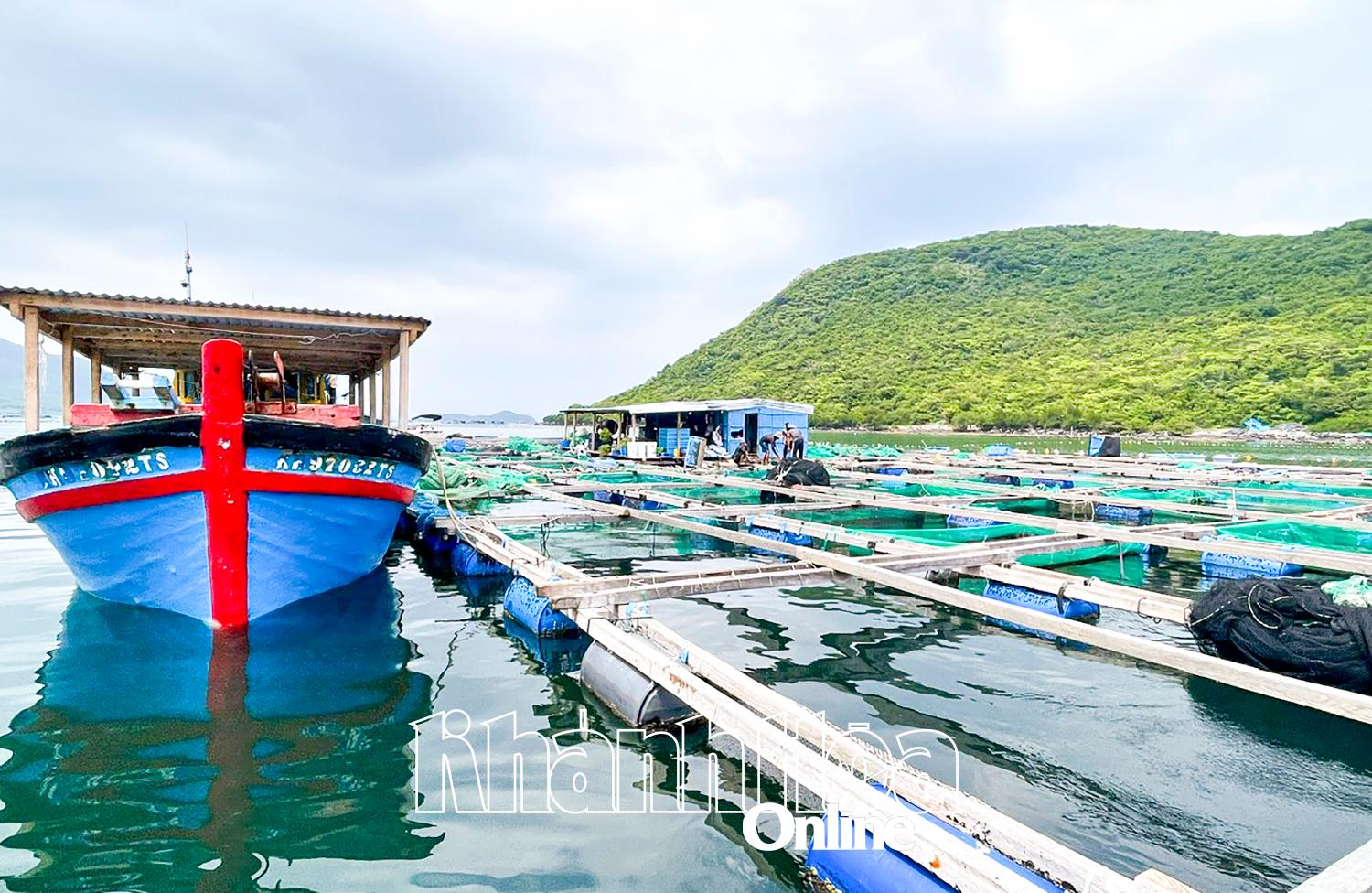
A lobster farming raft in cages in Van Phong Bay. |
Due to high demand, the business of selling lobster larvae has become widespread in several localities in the province, with the highest concentration in Cam Ranh City. Besides some licensed establishments operating in accordance with regulations, there have recently been organizations and individuals importing, breeding, and selling lobster larvae of unknown origin, showing signs of violating the law. Many violating establishments have been detected and dealt with by the authorities. According to a report from the Provincial Police, through the implementation of the plan to prevent, combat, and handle the smuggling and illegal transportation of animals, animal products, livestock and aquatic species across the border into Vietnam, from March 2024 to the present, 13 violations related to lobster larvae have been handled, including 1 criminal case and 12 administrative violations, with a total fine of nearly 900 million VND and the destruction of nearly 850,000 lobster larvae of various types. Since the beginning of this year alone, the police force has discovered 8 cases of violations involving the trading of lobster larvae of unknown origin and the transportation of lobster larvae without quarantine, totaling 627,465 lobster larvae of various types.
The main source of lobster larvae is imported from countries such as the Philippines, Indonesia, and Singapore. They are transported by various methods, primarily by air, via Tan Son Nhat and Noi Bai international airports. A portion is transshipped through airports in neighboring countries before being transported by road into Vietnam and distributed to the South Central provinces, with the highest concentration in Cam Ranh City.
Focus on preventing violations.
According to Mr. Le Dinh Khiem, Head of the Fisheries, Marine and Island Sub-Department, units importing and trading lobster larvae must fully comply with customs declaration procedures, quarantine, and bring them to qualified nursery facilities, ensuring the prescribed time frame, before releasing them into the sea for farming. According to data from relevant agencies, the number of legally imported lobster larvae that have undergone quarantine, nursery, and proper management is very small compared to the number of lobster larvae traded on the market. Due to the high profits from the lobster larvae business, some individuals have resorted to smuggling, trading, and transporting them illegally. This leads to the risk of dangerous diseases entering from abroad and the introduction of low-quality lobster larvae into commercial farming.
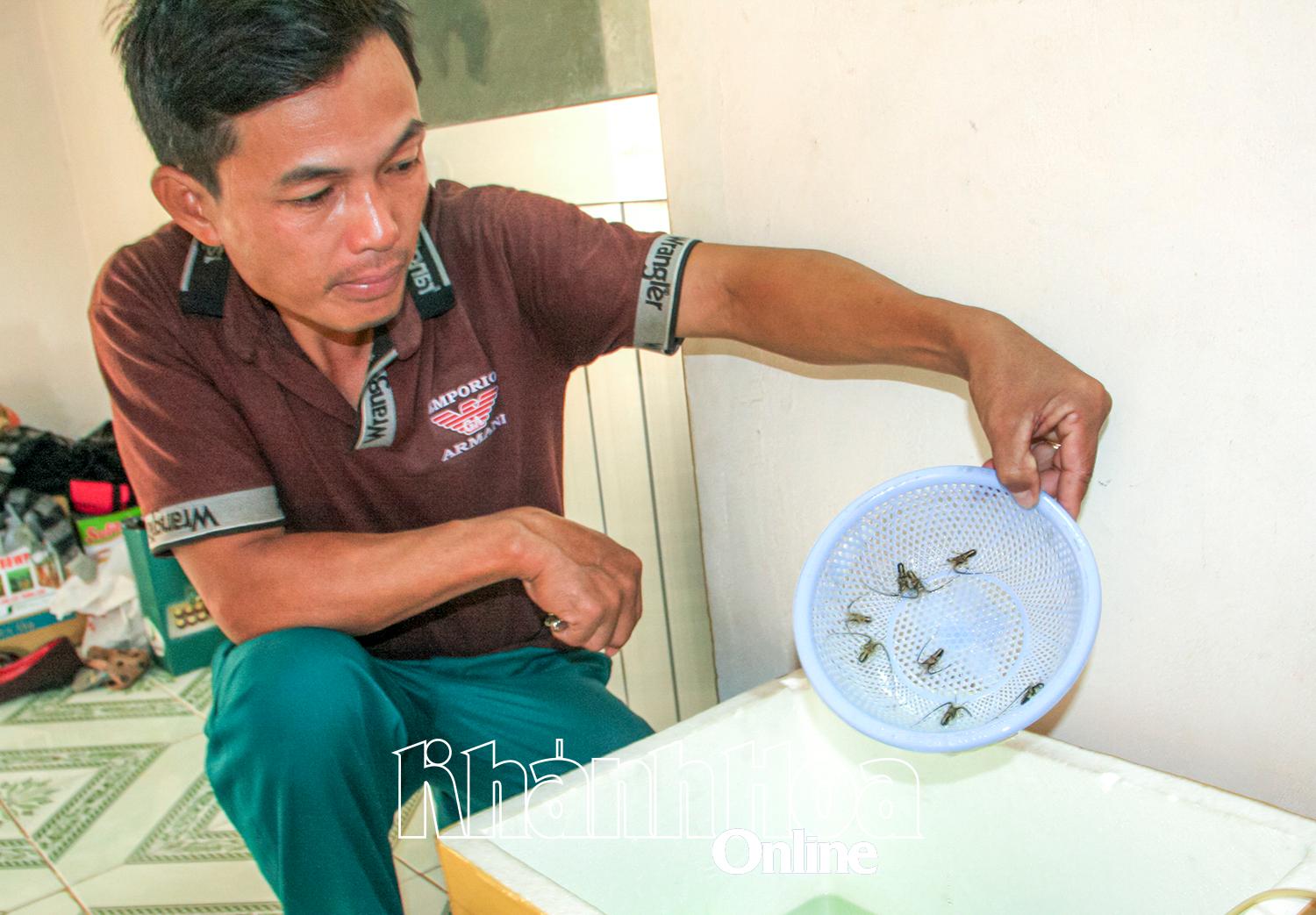
Lobster larvae production mainly depends on imports and natural harvesting. |
Currently, there is a huge demand for lobster larvae, while the supply of larvae largely depends on imports. This leads to a high risk of smuggling, illegal transportation, and trading of lobster larvae of unknown origin, violating regulations on lobster larvae rearing. Given this situation, the Provincial People's Committee recently issued a document to specialized departments, functional agencies, and the People's Committees of districts, towns, and cities in the province, requesting them to strengthen efforts to prevent the smuggling, trading, and illegal transportation of lobster larvae.
Accordingly, the Provincial People's Committee requested that agencies, units, and localities strengthen information and propaganda work on the risks of dangerous infectious diseases from abroad, and the poor quality of lobsters due to smuggling, transportation, and complicity in the consumption of smuggled lobster larvae; strengthen inspection, supervision, and control at airports, seaports, quarantine facilities, and lobster farming facilities to promptly detect, arrest, and strictly handle cases of smuggling, trading, and illegal transportation of lobster larvae in the province; proactively coordinate closely in the prevention and control of violations of laws in the fields of fisheries, environment, and veterinary medicine related to illegal lobster larvae trading activities…
HAI LANG
Source: https://baokhanhhoa.vn/kinh-te/202505/ngan-chan-tom-hum-giong-nhap-lau-5416eed/

























































































Comment (0)