

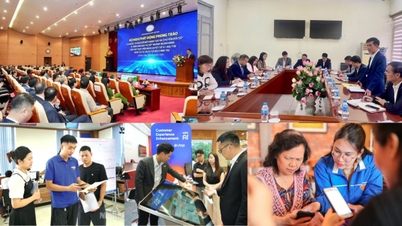
With the aim of promoting digital transformation and the legal framework for the application of digital technology in the banking sector, the Smart Banking 2023 conference and exhibition was held on the morning of October 6th with the theme "Creating, exploiting and connecting data: Shaping the future of the banking industry in the digital age".
In his opening remarks, Mr. Tran Van Tan, Vice Chairman of the Vietnam Banking Association Council, stated that data is a valuable asset. By collecting, analyzing, and applying information from various data sources, banks can better understand their customers, predict market trends, and optimize business processes.
Technologies such as artificial intelligence (AI), machine learning, and big data analytics have enabled the rapid and detailed analysis of data. These cutting-edge technologies generate valuable insights and support businesses in making the most informed business decisions.
Specifically, banks can enhance customer outreach, create highly personalized products and services, optimize risk detection and fraud prevention processes, improve loan application and processing procedures, and strengthen market forecasting and analysis capabilities.
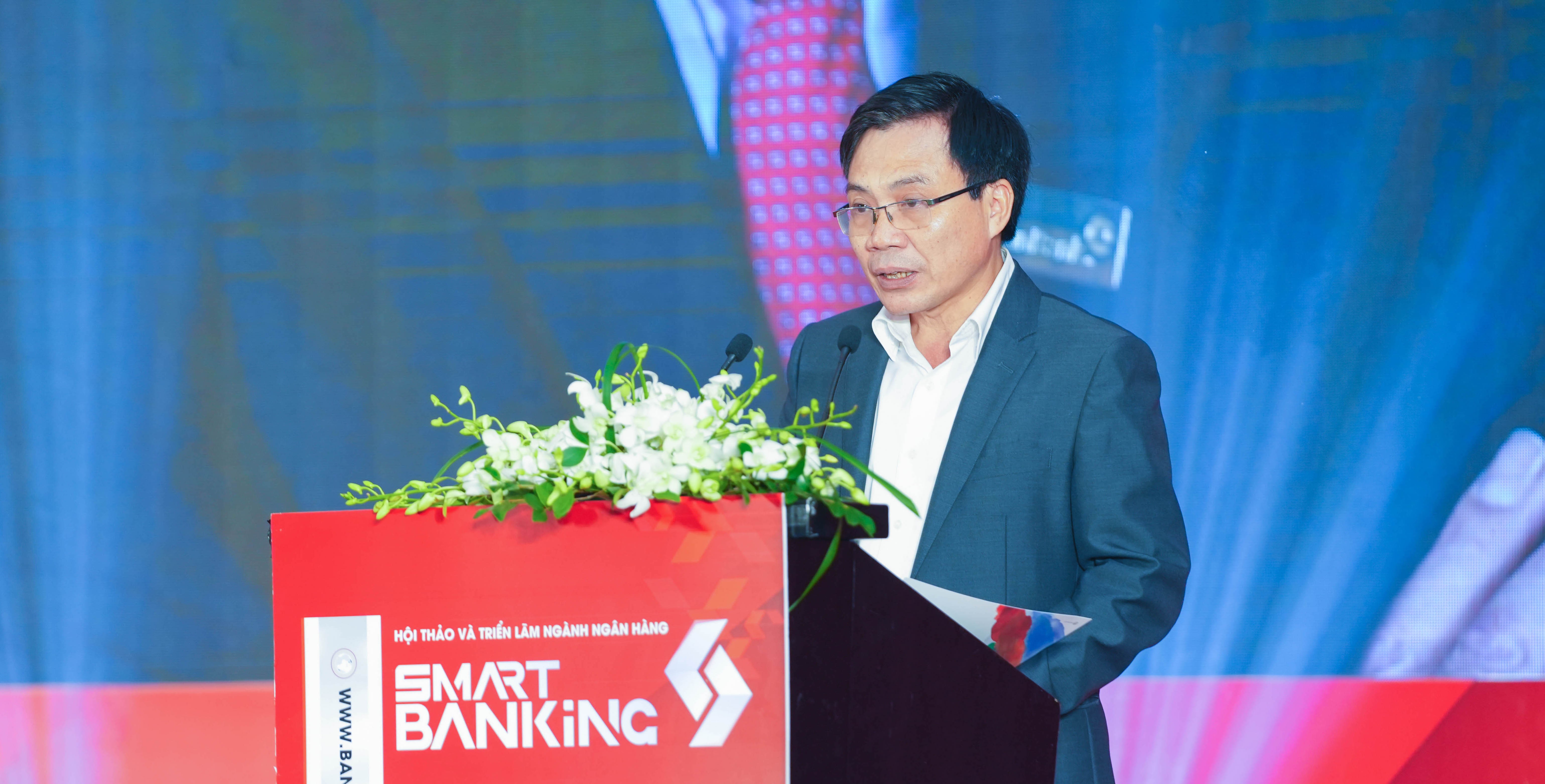
Mr. Tran Van Tan - Vice Chairman of the Board of the Vietnam Banking Association.
In addition, the entire industry has focused on cleaning up all 51 million customer data records at the Vietnam National Credit Information Center and credit institutions, ensuring that 100% of customer data is verified against the national population database.
However, in the process of adopting new models based on modern technology, the banking industry also faces many challenges, including maintaining a balance between data exploitation and data protection.
At the workshop, Deputy Governor of the State Bank of Vietnam Pham Tien Dung emphasized: "Banks should focus on cleaning and digitizing existing data and must use technology to create clean data in the process of providing services to customers."
During the transaction process, banks must apply data to ensure that the person conducting the transaction is the one who has registered for the service. The State Bank of Vietnam will always work alongside banks in building the legal framework for banks to develop their products and services."
At the same time, it is necessary to prevent the misuse of bank accounts for illegal transactions. The Deputy Governor also requested the National Credit Information Center (CIC) to provide more products and services to help banks assess customers' ability to repay debts.
In terms of infrastructure, the State Bank of Vietnam has also provided two basic infrastructures: payment and CIC (Credit Information Center). Besides developing services, banks must also ensure the seamless and continuous operation of the system and guarantee security and safety. The entire banking sector is actively implementing Project 06 to provide even better services to customers and ensure that data is "accurate, complete, and clean".
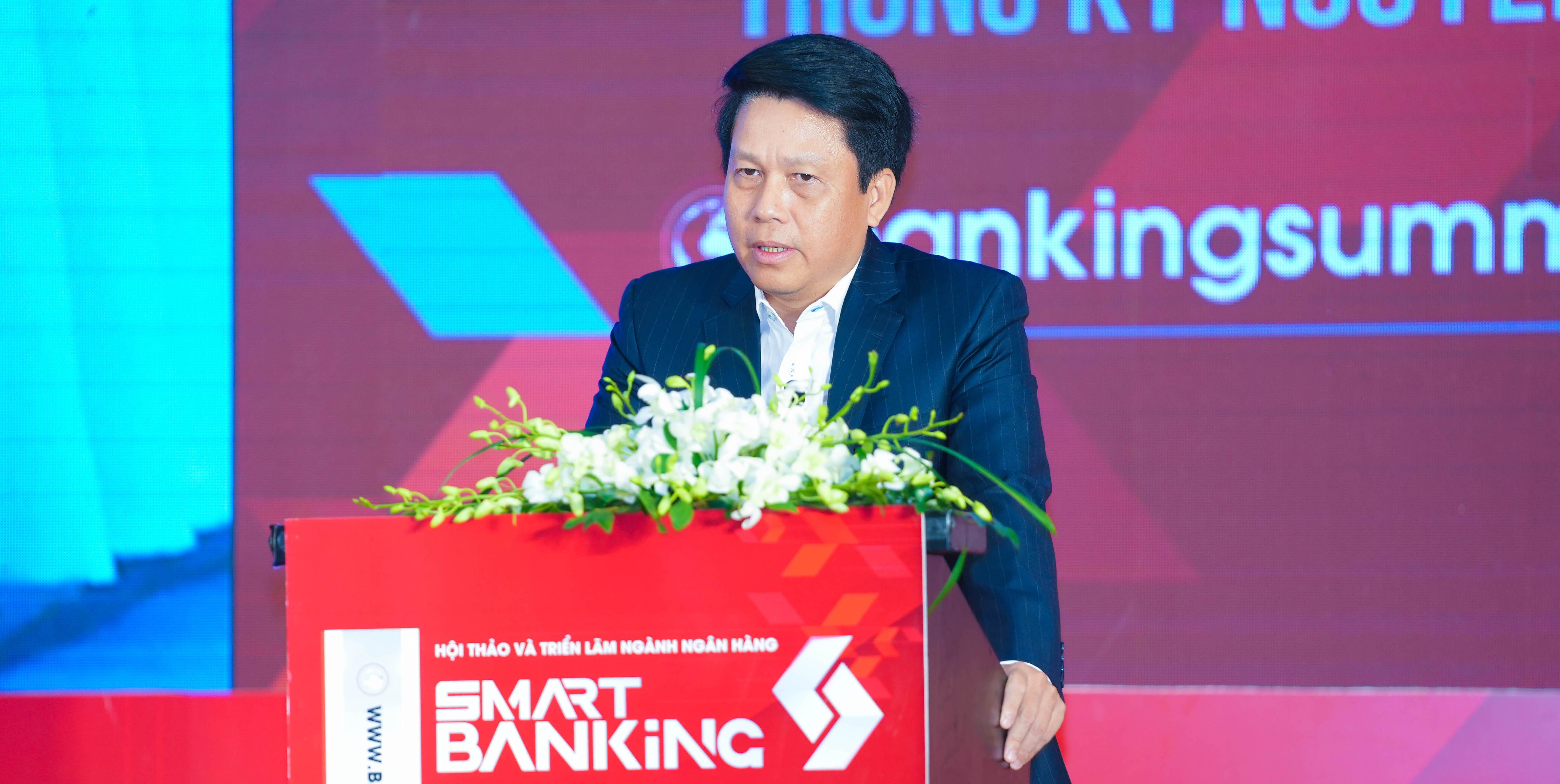
Deputy Governor of the State Bank of Vietnam, Pham Tien Dung.
In order to guide solutions for effectively exploiting digital data and ensuring security and safety, Mr. Pham Anh Tuan, Director of the Payment Department of the State Bank of Vietnam, suggested that the banking sector needs to continue improving its policy mechanisms and legal framework.
In addition, the tasks outlined in the Joint Implementation Plan No. 01 between the Ministry of Public Security and the State Bank of Vietnam will continue to be implemented, focusing on the application of population data for data cleaning, online authentication, and optimizing the lending process through credit scoring solutions.
Continue to upgrade and develop technology infrastructure to support digital transformation, such as interbank electronic payment infrastructure, financial switching and electronic clearing; credit information infrastructure (CIC);...
Applying technology to develop convenient and low-cost digital banking products and services; upgrading and expanding connectivity to broaden the customer-centric digital ecosystem. Finally, strengthening training and promoting financial education for the public; allocating resources to support digital transformation .
Source































![[Photo] Prime Minister Pham Minh Chinh attends the Conference on the Implementation of Tasks for 2026 of the Industry and Trade Sector](/_next/image?url=https%3A%2F%2Fvphoto.vietnam.vn%2Fthumb%2F1200x675%2Fvietnam%2Fresource%2FIMAGE%2F2025%2F12%2F19%2F1766159500458_ndo_br_shared31-jpg.webp&w=3840&q=75)




























































Comment (0)