


Sweet fruits from hard soil
In the first week of June, amidst the cool weather of the charming and poetic Central Highlands, we had an extended work trip to Dam Rong (Lam Dong) to produce a series of articles about distinctive agricultural products that have been granted certified trademarks.
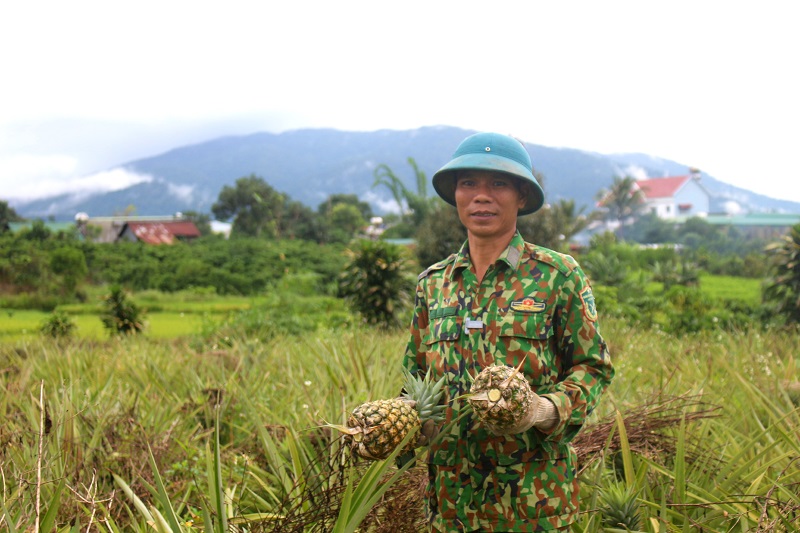
Mr. Nguyen Minh Thang, head of the Ro Men pineapple cooperative, harvesting pineapples.
If Binh Dinh in Central Vietnam has its sweet and sour pineapples, and the Mekong Delta has its intensely sweet pineapples, then Dam Rong boasts its sweet and refreshing honey pineapples – a distinctive, cool flavor that captivates travelers.
Liêng Hót Ha Hai, Vice Chairman of the People's Committee of Dam Rong District, shared: “In recent years, people have switched to growing honey pineapples to replace less efficient crops. Thanks to the suitable climate and soil, the plants grow well, the fruit is delicious, and the economic value is stable, bringing in an income of 270 – 320 million VND/hectare/year. The area planted with pineapples has reached more than 40 hectares.”
Pineapples are not only easy to grow, resistant to pests and diseases, and require little water and cost, but they are also suitable for the farming practices of ethnic minority communities. As a result, many poor and near-poor households in Ro Men have begun to have the opportunity to improve their lives and escape poverty sustainably.
Mr. Nguyen Minh Thang, head of the Ro Men Pineapple Cooperative (Dam Rong), said that the cooperative was established in 2021 with only 7 members and an area of 11 hectares. To date, it has increased to 17 members (7 of whom are ethnic minorities) with 23 hectares, of which 17 hectares are already producing fruit, with an estimated yield of over 400 tons per year.
Once the Dam Rong honey pineapple brand is granted intellectual property rights and receives support from local authorities in coordination with media outlets to promote and connect with businesses, people will certainly feel confident investing in production and improving farming practices.
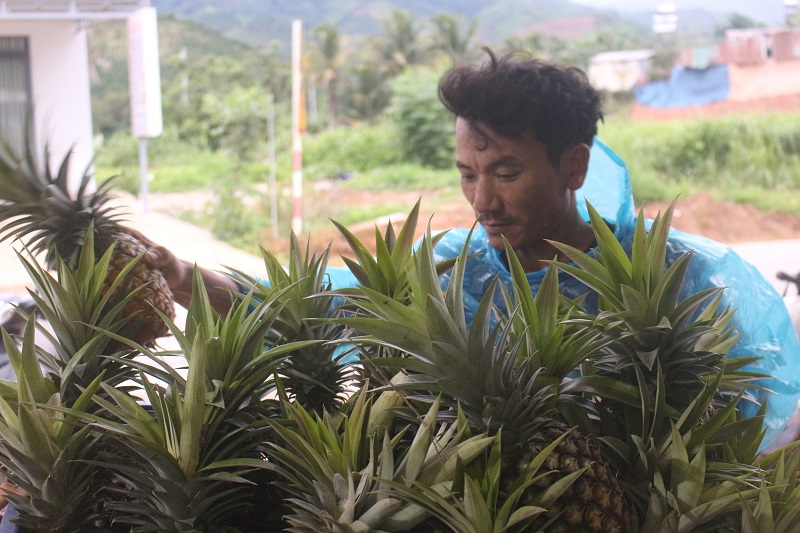
Many households in Dam Rong, especially in Ro Men commune, have chosen to replace other less productive crops with pineapple plants.
“THT is a model that attracts farmers with the goal of reducing poverty and building family economies through pineapple cultivation. We hope that the local government will promote the idea to households with small, idle land to switch to pineapple cultivation instead of other short-term, less efficient crops. At the same time, we hope they will plan the cultivation area and expand it to other communes in the district,” Mr. Nguyen Minh Thang shared.
The story of those who 'keep' the sweet honey.
In the afternoon sun, we met Mr. Buon Ya Ybang – an elderly farmer who found his calling in pineapple cultivation after many years of unsuccessful coffee farming. The dry, hilly land made coffee cultivation difficult and resulted in low yields, while growing corn only provided enough food to eat.
“Switching to pineapples, I feel like I’ve opened up a new path. Pineapples are easy to grow and require little care. They bear fruit in less than 14 months, and the harvest can last for six months each year, mainly from April to July. The price isn’t sky-high, but sales are steady, providing income throughout the year,” Mr. Ybang said, his eyes shining with confidence.
According to Mr. Nguyen Van Thanh – another member of the Ro Men Pineapple Cooperative – pineapples are not only suited to the climate and soil but also to the people. “We always focus on caring for the plants so that the fruit ripens to a golden color, has a delicious aroma, and an attractive appearance, serving consumers in the best way possible. Pineapples are now sold not only in markets but also in supermarkets and large chain stores,” he shared.
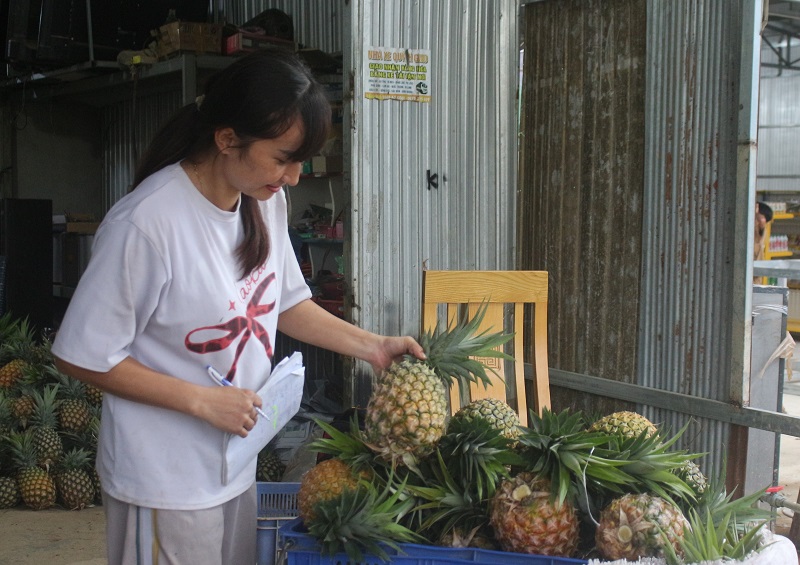
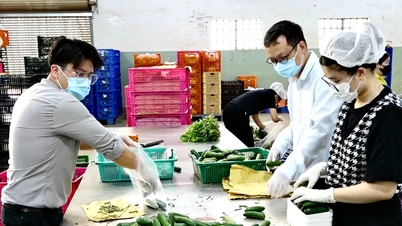
Dam Rong honey pineapples are being prepared for shipment to other provinces.
Previously, pineapple production was mainly small-scale, spontaneous, lacking coordination, and unstable in terms of output. However, since the product received OCOP 3-star certification and the Dam Rong honey pineapple certification mark, it has attracted buyers from within and outside the province. Many consumption contracts have been signed, households have boldly invested, expanded their cultivation area, and created more local jobs.
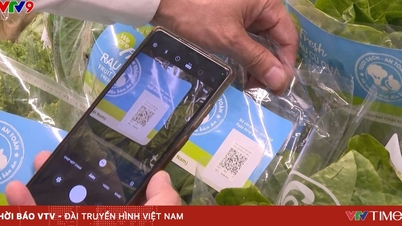
To contribute to the sustainable and stable development of Dam Rong honey pineapple products, increase farmers' income, enhance reputation and brand, protect against infringement, and create momentum for stronger socio-economic development in the district, the People's Committee of Dam Rong district has successfully established the Dam Rong Honey Pineapple certification mark and created a planting area code to aim for sustainable development. This will be the basis for honey pineapples to reach a wider market, participate in the Vietnamese agricultural value chain, and even aim for export.
In the Dam Rong region, once considered a remote and impoverished area, the honey pineapple has now become a new symbol of innovative agriculture. Not only does it provide a stable livelihood, but it also contributes to poverty reduction and changes the production mindset of the local people. From barren hillsides, sweet fruits are now blossoming. And anyone who has tasted Dam Rong honey pineapple will surely fall even more in love with the sunshine, the wind, and the simple, heartfelt hospitality of the Central Highlands people.
Source: https://doanhnghiepvn.vn/kinh-te/ngot-lanh-dua-mat-dam-rong/20250608093733529

















































































Comment (0)