

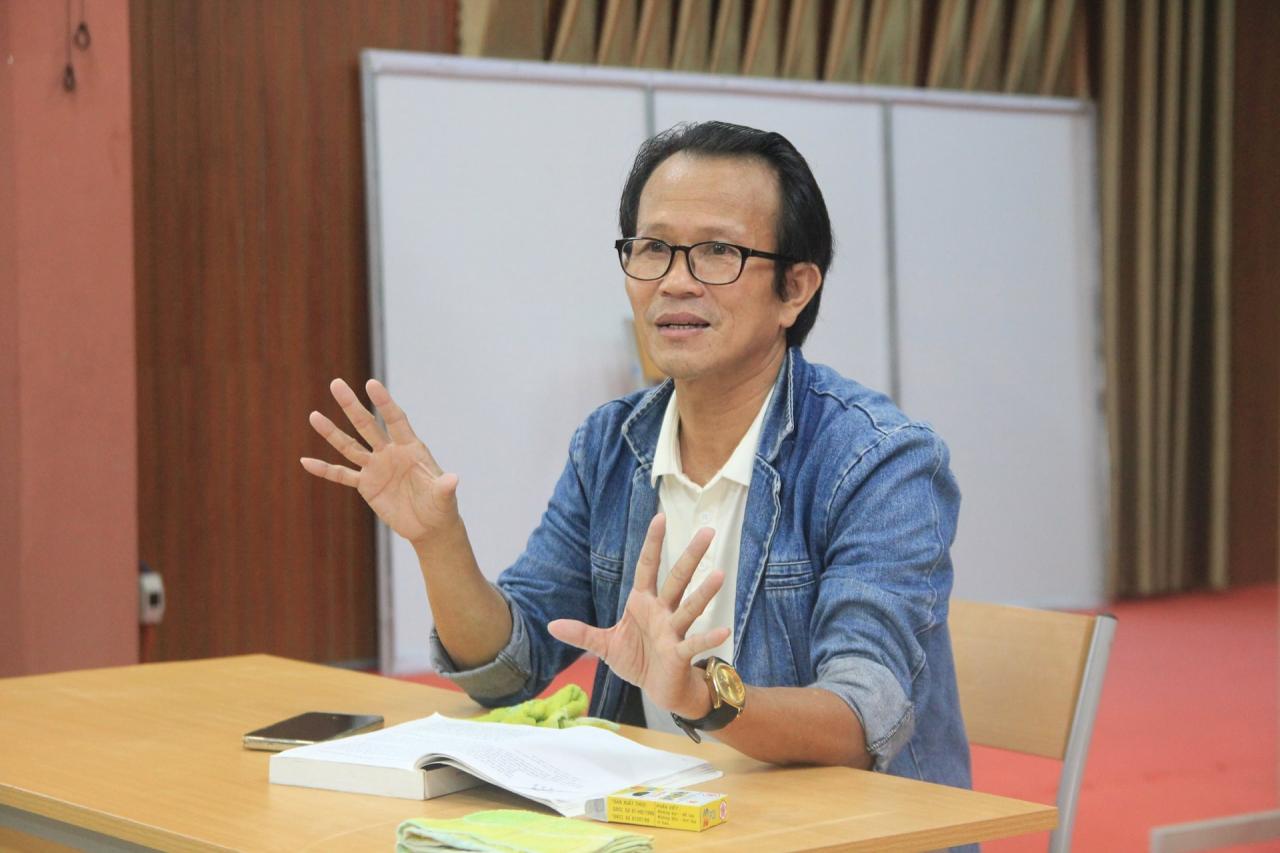
Having risen from a performing artist to a director of traditional Vietnamese opera, People's Artist Phan Văn Quang has always been deeply concerned with spreading the love of traditional opera to a wider audience, especially young people. Quang Nam Newspaper had a conversation with People's Artist Phan Văn Quang to hear him talk about this.
Embody the character
* With a difficult art form like traditional Vietnamese opera, yet only 9 years after receiving the title of Meritorious Artist (in 2015), he received the title of People's Artist. His journey must have been fraught with hardship?
- People's Artist Phan Van Quang : In the summer of 1987, I went to Tra My to visit relatives when the Quang Nam - Da Nang Traditional Opera Troupe came to perform. I watched and immediately fell in love with traditional opera. At that time, I was in 12th grade but had passed the entrance exam to join the troupe. However, because I was still young, I wasn't accepted. After a few more setbacks, I still decided to pursue the profession because of my overwhelming passion.
From the beginning, I was fortunate to study and be chosen as the lead actor in historical plays such as: Le Loi, Nguyen Trai, Tran Hung Dao… That process required me to learn a great deal. I will never forget the gratitude I owe to my teachers and colleagues who created opportunities for me in my performances. Therefore, having achieved success today, I realize that I have a mission to pass on to future generations the art of Quang Nam's traditional opera.
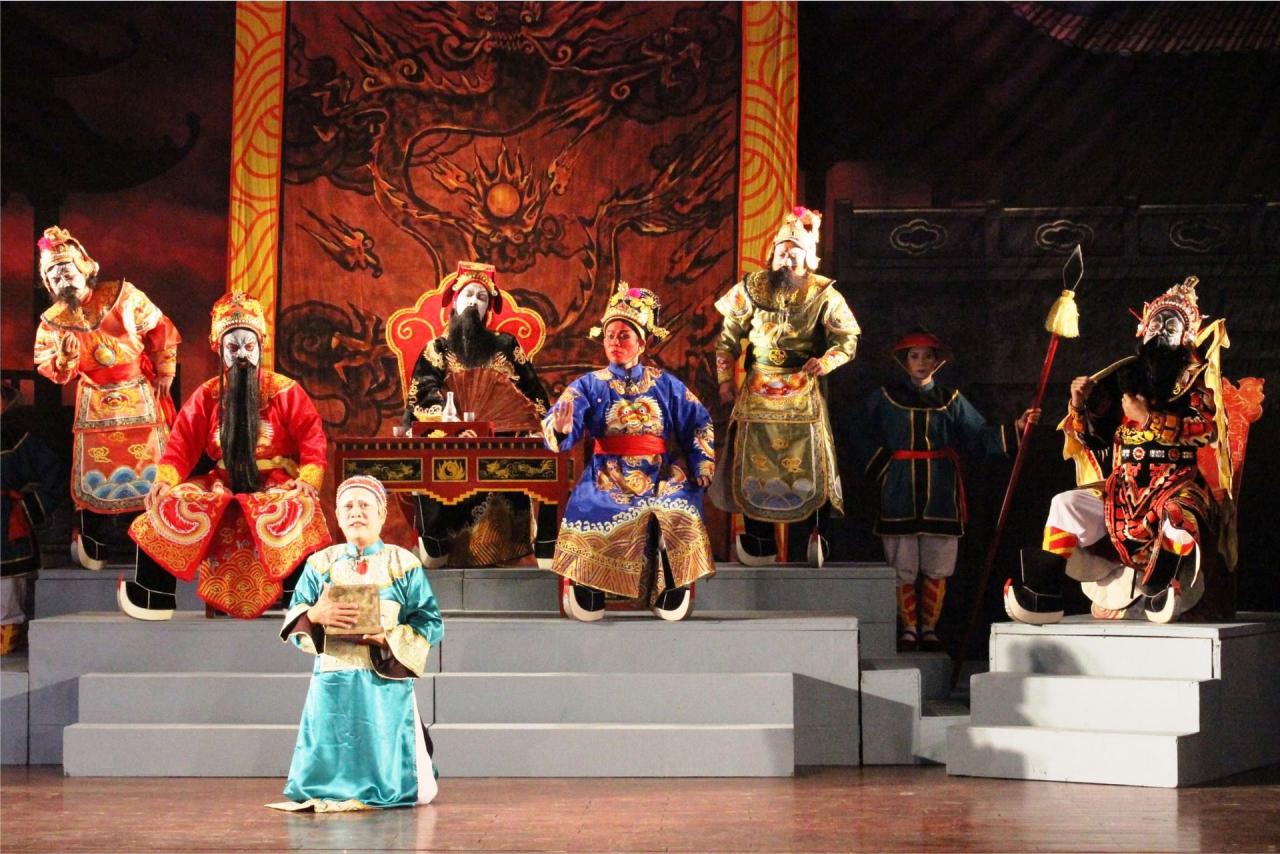
* Born and raised in Quang Nam province, famous for the Duc Giao (Que Son) theater troupe and home to Professor Hoang Chau Ky, the "missionary of traditional opera," do you think you have also inherited this artistic tradition?
- People's Artist Phan Văn Quang : I was born in Quế Thọ commune (Hiệp Đức district), perhaps that's why I inherited some of the "bloodline" and "tuồng genes" of one of the "cradles" of Quảng Nam's tuồng - Quế Sơn mountain tuồng. This is also where many famous tuồng artists were born, including Professor Hoàng Châu Ký (born in Quế Lộc commune, Quế Sơn district, originally from Hội An). He is a national icon of tuồng, not just in Quảng Nam - Đà Nẵng.
When speaking of him, one must express admiration. He is a role model for generations like ours to look up to, learn from, and strive to improve ourselves and expand our knowledge.
* What preparations do you usually make when taking on leading roles in plays? As someone from Quang Nam province, what are your feelings when playing the role of a famous figure from Quang Nam, such as Hoang Dieu?
- People's Artist Phan Van Quang : The first thing is to understand the character. Where is he from, what is his background, what is his personality like? When I accepted the role of Hoang Dieu, I went to Hanoi to light incense for him, to better understand the integrity of the military leader. When I play the role, I have to act in a way that highlights him as a high-ranking official but also a filial son. Acting in Quang Nam, I also have to let people see his character, to move them, to elevate the image of a brilliant intellectual. To understand those characteristics, I painstakingly researched and gathered more information from his family. Based on that, I find ways to embody the character. That's also how I approach and immerse myself in the roles, living with my characters.
A multi-talented traditional opera artist.
People's Artist Phan Văn Quang has won numerous national awards, such as: the gold medal for the role of Thi Sách in the play "Trưng Vương" (2015); the gold medal for the role of Trần Phong in the play "Như những tượng đài" (2016); the gold medal for the role of Đổng Kim Lân in the play "Sơn Hậu"; and the award for outstanding opera actor for the role of Lê Đại Cang in the play "Hoạn Lộ" (2020)... In nearly 10 years as a director, People's Artist Phan Văn Quang has staged dozens of operas, such as: "Nàng Tấm", "Rực lửa hoàng cung", "Người thầy của muôn đời". Currently, he is a lecturer specializing in teaching performing arts, literary analysis, theater history, and directing at many universities and colleges in Da Nang.
Variations are possible, but they don't "yield what you sow."
* What do young artists need to achieve success and recognition in traditional Vietnamese opera, sir?
- People's Artist Phan Van Quang : First of all, you must love the profession. But the most important thing is to have talent. A good traditional opera actor must possess all the qualities of "voice, appearance, grace, skill, spirit, and charisma," and the first of these, "voice and appearance" are essential.
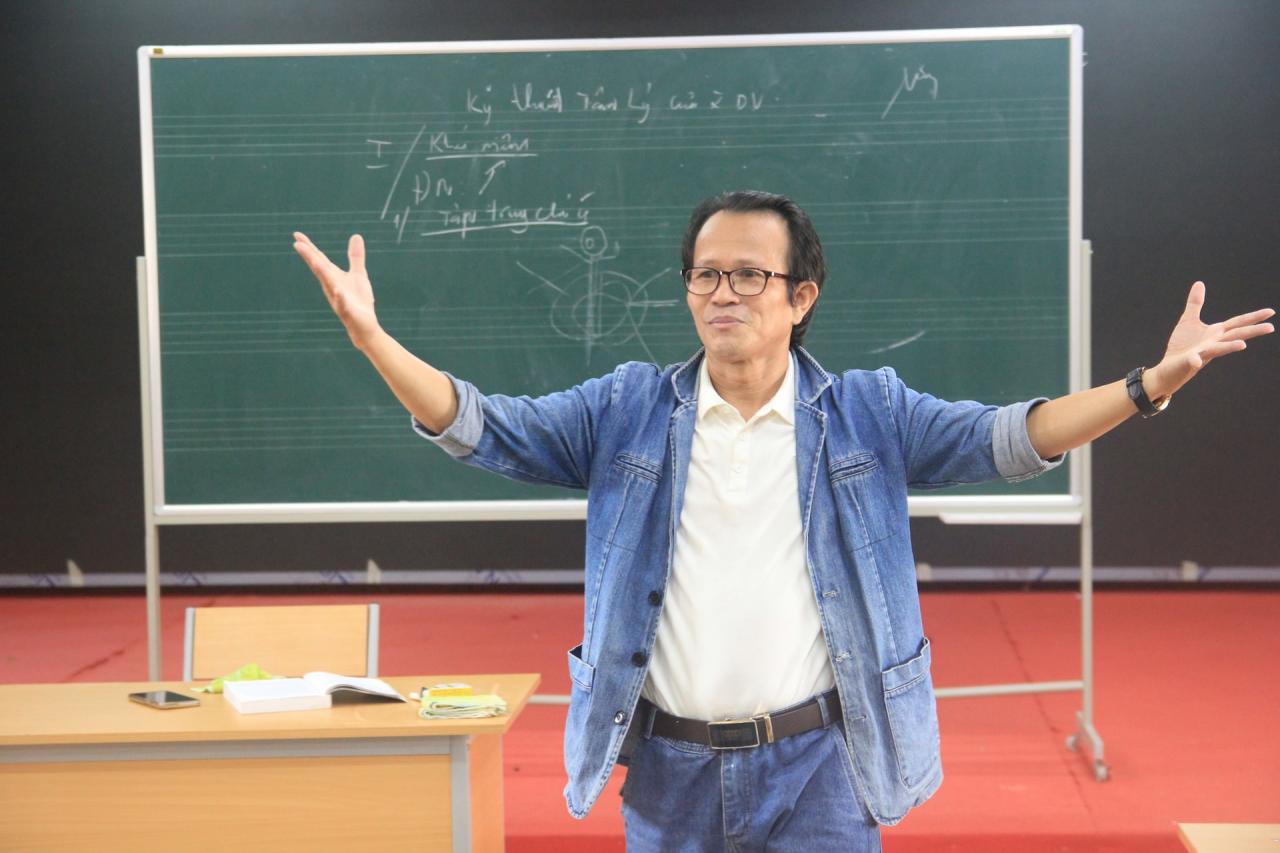
"Beauty" here doesn't refer to physical appearance but to the beauty of the character. In "The Hunchback Prime Minister Liu," Liu Yong isn't physically beautiful, so the performance must showcase the beauty of the character's soul. Regarding "voice," the singing might not be perfect, but the speech must be clear, full of words, and convey the character's essence.
I only hope that young actors who love their profession will dedicate themselves wholeheartedly to it and understand the value of this art form. Traditional Vietnamese opera clearly reflects human character, embodying "benevolence, propriety, righteousness, wisdom, and trustworthiness." A loyal subject must remain steadfast to the end, and a friend must live with integrity… These are the things young people must remember to improve themselves, not only during performances but also in life.
* Traditional Vietnamese opera is inherently a niche art form, especially for young people who aren't particularly interested. What do you usually think about when performing in front of an audience?
- People's Artist Phan Van Quang : I'm saddened that young audiences aren't very interested in traditional Vietnamese opera. Perhaps it's because they don't understand the literature of opera, and the melodies are dry and untrendy like modern music. I'm sad because there aren't as many opportunities to perform as in the past due to fewer audiences and a lack of motivation…
Nevertheless, I've always believed that one day, traditional Vietnamese opera will return to its rightful place. Participating in programs that introduce opera into schools, I've felt that students in these schools really enjoy performing arts. That's also a source of light and hope for artists like us.
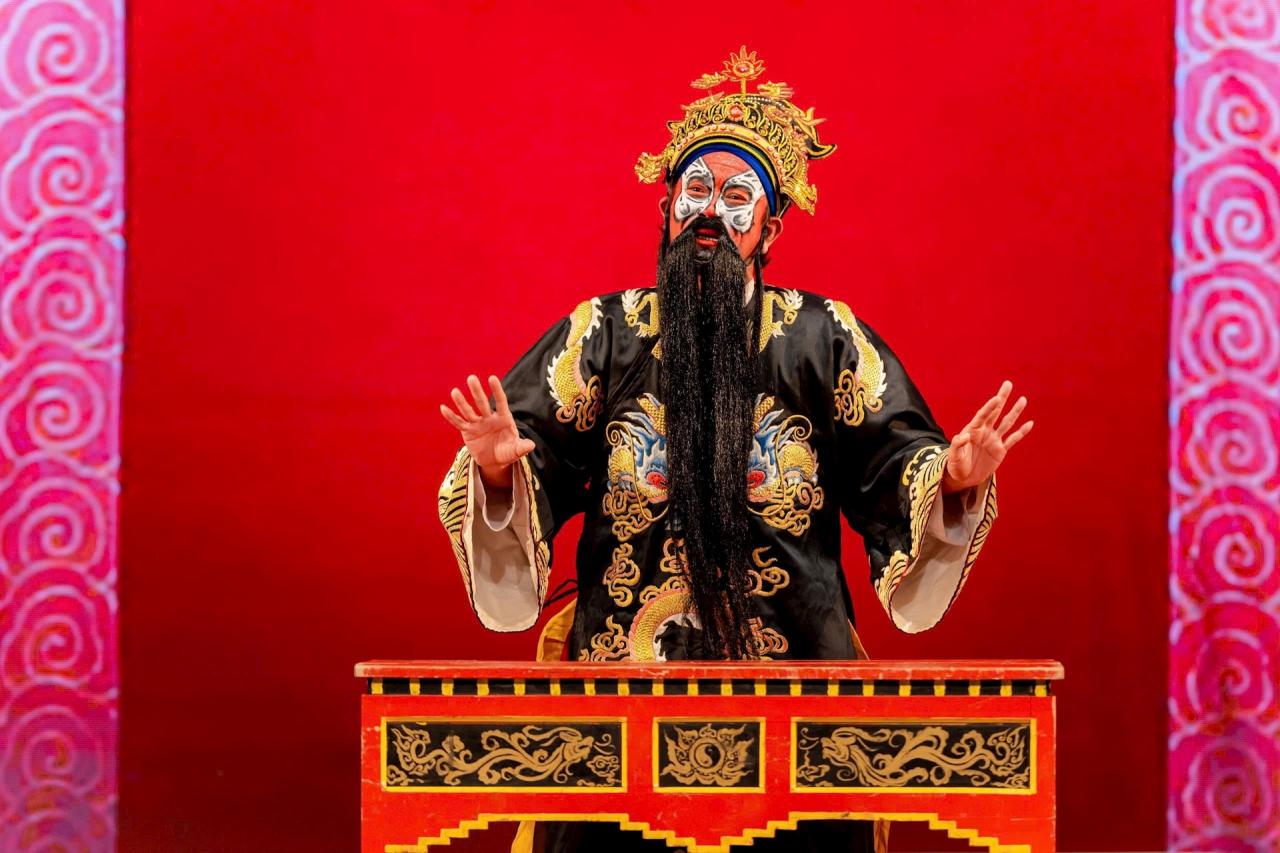
* You just mentioned the program to introduce traditional Vietnamese opera into schools. So, with an art form as difficult as traditional opera, what do you do to help students understand and appreciate it?
- People's Artist Phan Van Quang : Depending on the age group, the plays selected to be presented to students will convey appropriate content. For elementary school students, the focus is mainly on creating excitement and fun, like the play "The Hero of the Reed Flag".
At the secondary level, we present plays related to historical figures, such as Luong The Vinh and Trang Quynh. At the high school level, we perform plays that criticize social vices and bad habits, such as "Nghieu So Oc Hen," and plays about historical heroes like Trung Trac and Trung Nhi, Tran Hung Dao, and Tran Binh Trong. Through these, students gain a comparative perspective on how the characters in traditional Vietnamese opera differ from those in films, especially the dialogue between protagonists and antagonists. This leads them to understand and appreciate traditional Vietnamese opera more.
What was his vision when he brought traditional Vietnamese theater to young people?
- People's Artist Phan Van Quang : I hope that traditional Vietnamese opera (tuong) will become more accessible to the public. To achieve this, we need to adapt traditional art forms to make them easier for young people to understand. For example, plays written entirely in Chinese characters must be translated. Chinese opera works must be adapted to Vietnamese culture so that viewers can understand the message being conveyed and the direction it aims to take. I will be able to do that!
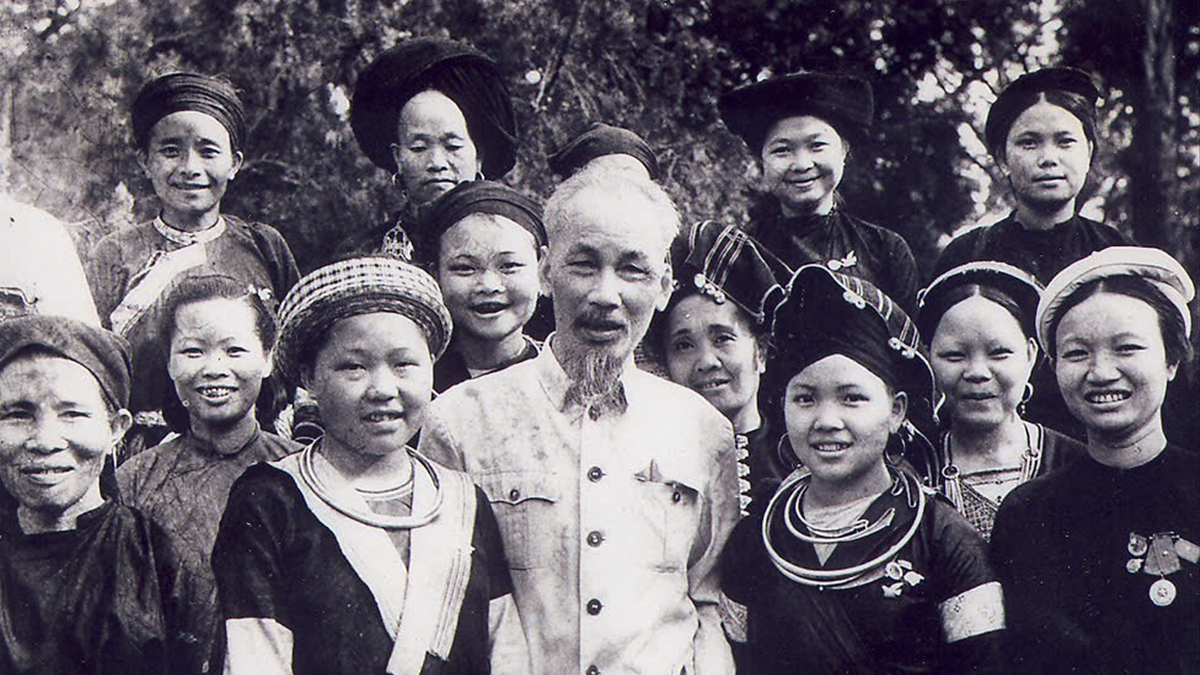
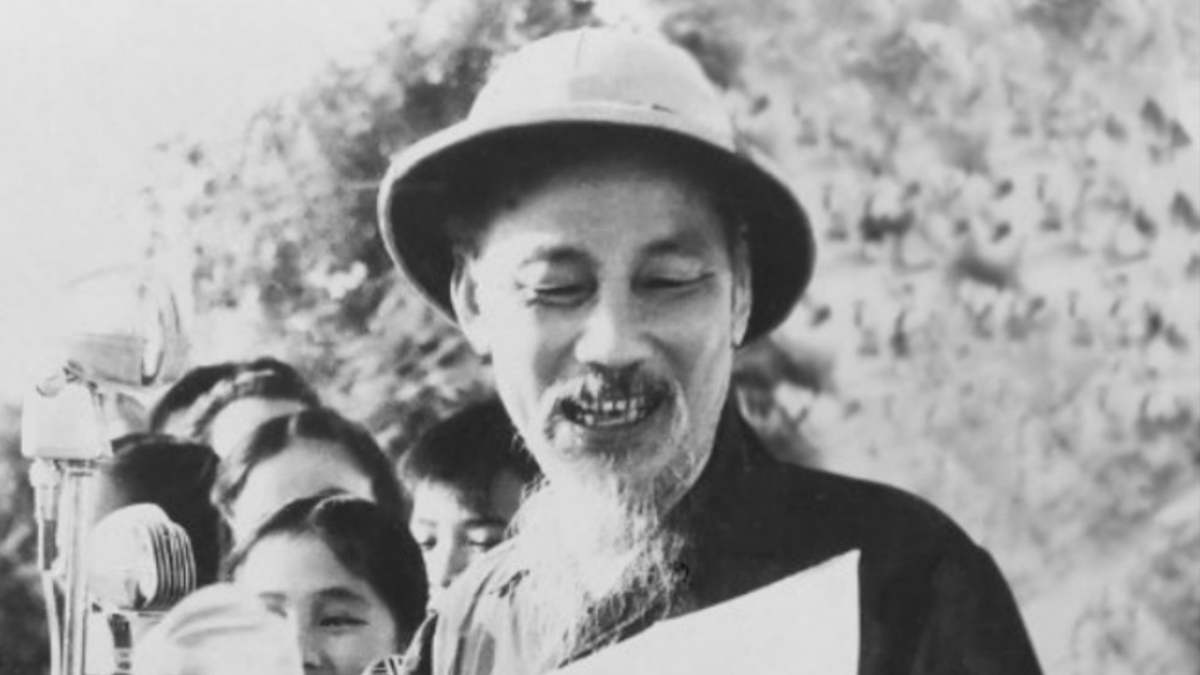
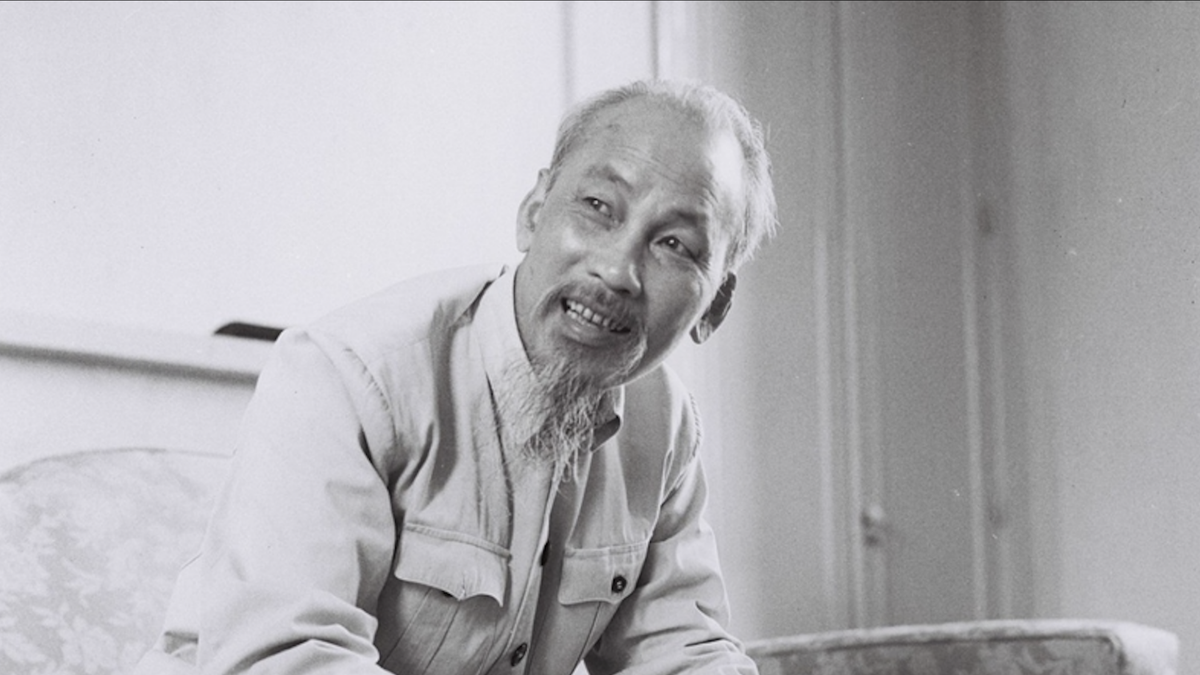
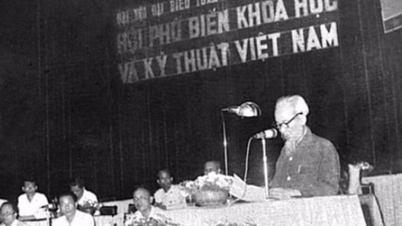
Uncle Ho once taught that our ancestors' traditional theater was excellent, "don't stand still, but also don't sow sesame seeds and expect corn to grow." Traditional theater must preserve its core traditions but also be accessible to younger audiences so that they can see the profound meaning, the benevolent spirit, and the truth, goodness, and beauty in this art form in a very concrete way that resonates with people.
Thank you for the conversation!
Source: https://baoquangnam.vn/nguoi-lan-toa-niem-dam-me-tuong-xu-quang-3145952.html
![[Photo] Capturing the moment the tide recedes at Yen Binh Son rapids - a million-year-old scenic spot in Quang Ngai.](https://vphoto.vietnam.vn/thumb/1200x675/vietnam/resource/IMAGE/2026/05/19/1779175463885_yen9-1199-jpg.webp)
![[Photo] General Secretary and President To Lam presides over a meeting on the implementation of Directive No. 34-CT/TW of the Party Central Committee.](https://vphoto.vietnam.vn/thumb/1200x675/vietnam/resource/IMAGE/2026/05/19/1779192417177_anh-man-hinh-2026-05-19-luc-19-06-45.png)
![[Photo] National Assembly Chairman Tran Thanh Man attends the groundbreaking ceremony for the National Highway 1A spatial axis project.](https://vphoto.vietnam.vn/thumb/1200x675/vietnam/resource/IMAGE/2026/05/19/1779161360398_ndo_br_bnd-1412-jpg.webp)































![[Photo] General Secretary and President To Lam receives Indian Defense Minister Rajnath Singh](https://vphoto.vietnam.vn/thumb/402x226/vietnam/resource/IMAGE/2026/05/19/1779184046302_anh-man-hinh-2026-05-19-luc-16-46-58.png)













Comment (0)