

Hamas's announcement delaying the release of hostages raises the possibility of the Gaza ceasefire collapsing before Phase 1 is completed.
The ceasefire agreement in Gaza, which has been in effect for less than a month, is in danger of collapsing after Hamas announced a postponement of the planned hostage release on February 15. The subsequent reaction from Israel and the tough stance of US President Donald Trump have led observers to predict that the agreement could be canceled and fighting could resume.
Fragile agreement
The agreement, which took effect on January 19, brought a temporary lull in fighting after 15 months of intense conflict. AFP reported yesterday (February 11) that since then there have been five rounds of hostage releases in Gaza in exchange for hundreds of Palestinian prisoners. However, with only a little over half of the six-week first phase of the agreement completed, the fragile ceasefire is in danger of breaking, and 17 hostages remain unreleased by Hamas as per the terms of the first phase.
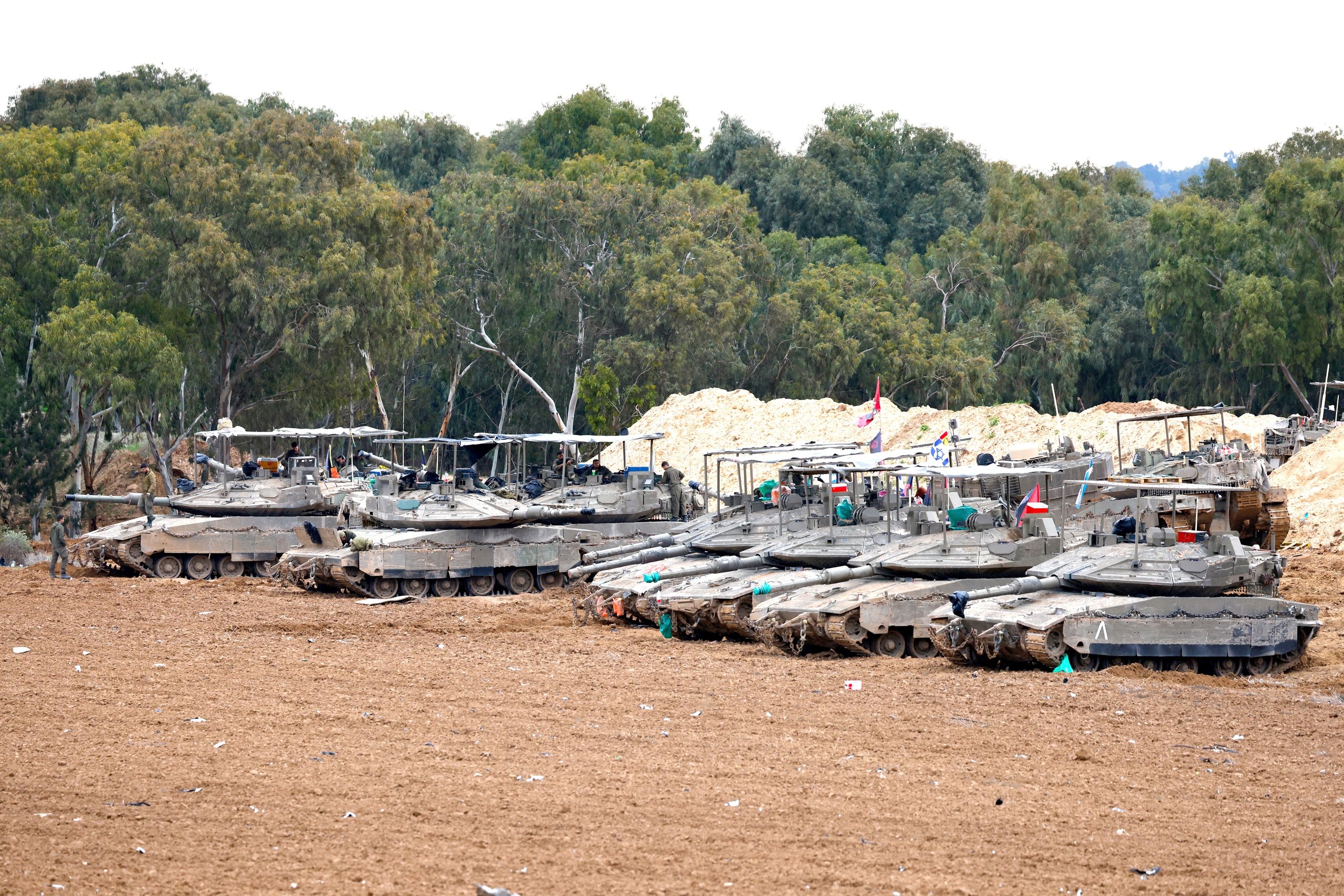
Israeli tanks in the border area with Gaza on February 9.
On February 10, Hamas officials accused Israel of failing to seriously implement the agreement, delaying the return of Palestinians to northern Gaza and hindering humanitarian aid shipments to Gaza. Hamas said it would release hostages on schedule if Tel Aviv ceased its violations. Meanwhile, Israel countered that Hamas's announcement of a delay in prisoner release violated the ceasefire. Israeli Defense Minister Katz stated that he had instructed the military to be on the highest level of readiness in preparation for any possible developments in Gaza.
In the Israeli city of Tel Aviv, many people took to the streets on the evening of February 10th, blocking roads and demanding that the Israeli government prevent the risk of the ceasefire and hostage release collapsing. Meanwhile, Palestinians in Gaza feared what might happen next. "People are stockpiling supplies because they are worried that fighting could break out again. People who have already experienced so much in the war are now worried about any statements, whether from the enemy or the authorities in Gaza," Al Jazeera quoted Mohammed Yusuf, a resident of Khan Younis in Gaza, as saying.
Trump issues an ultimatum.
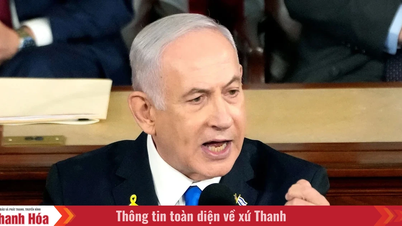
Hours after Hamas announced a delay in releasing hostages, US President Donald Trump declared that if Hamas did not release all remaining hostages by 12 noon on February 15, he would call for the ceasefire to be canceled and "the situation will get worse."
When asked by reporters to elaborate on his statement, the American leader said: "You'll know, Hamas will know what I mean." Trump emphasized that Hamas needed to release all hostages by the end of this week, not just a few at a time as in previous weeks. Hamas yesterday asserted that Trump's earlier threats were "worthless," stressing that maintaining the agreement was the only way for the hostages to return home. According to Reuters, Trump was unhappy with the health condition of the most recent hostages released by Hamas on February 8th.
Meanwhile, Trump's recent statements about his plan to take control of Gaza have also challenged negotiation efforts. The Hamas negotiating delegation stated that the US guarantee for a ceasefire is no longer valid given Trump's desire to relocate Palestinians from the Gaza Strip. The armed group added that mediators have postponed discussions until Washington has a clear intention to resume negotiations in stages. The White House has also threatened to cut aid to Jordan and Egypt if those two countries do not accept Palestinians in Gaza as part of Trump's proposed reconstruction plan.
Russia says its relationship with the US is on the verge of collapse.
On February 10, Russian Deputy Foreign Minister Sergei Ryabkov emphasized that tensions between the US and Russia are at a serious level and risk breaking down. Ryabkov stated that the administration of former US President Joe Biden is focused on hybrid warfare, incorporating the idea of potentially inflicting strategic defeat on Russia into documents and imposing that will on allies, TASS reported.
Russian diplomatic officials added that Moscow and Washington have yet to agree on high-level contacts, although President Donald Trump's team is interested in resuming bilateral dialogue. On February 9, Trump told reporters that he had spoken with Russian President Vladimir Putin and looked forward to further discussions. The Kremlin did not confirm reports that the two leaders had spoken by phone.
Source: https://thanhnien.vn/nguy-co-lua-dan-gaza-bung-phat-tro-lai-185250211214244641.htm


![[Image] Hanoi Police officially crowned champions of V-League 2025/2026](https://vphoto.vietnam.vn/thumb/1200x675/vietnam/resource/IMAGE/2026/05/31/1780244769054_ndo_br_039d561b692be875b13a-jpg.webp)


























![[Photo] The General Secretary, President and his wife begin their state visit to the Philippines.](https://vphoto.vietnam.vn/thumb/1200x675/vietnam/resource/IMAGE/2026/05/31/1780230559452_anh-man-hinh-2026-05-31-luc-19-28-11.png)



































































Comment (0)