(CLO) The 25% tariff imposed by US President Donald Trump on imported steel and aluminum has provoked strong reactions even from Western allies. South Korea, France, and Germany are now implementing countermeasures, and dissatisfaction is evident in Australia.
In particular, analysts believe that economic tensions could deepen disagreements between the United States and the European Union (EU), something that also happened during President Donald Trump's first term.
New trade tariffs by the Donald Trump administration.
To promote his "America First" economic policy, President Donald Trump signed an executive order imposing a 25% tariff on all aluminum and steel imports into the United States. In addition, the Trump administration plans to apply reciprocal tariffs, meaning tariffs on goods imported by U.S. trading partners that impose tariffs on American goods.
Canada, Brazil, Mexico, and South Korea are considered to be the countries most affected by President Trump's potential tariffs because these are the countries with which the U.S. cooperates most closely in purchasing aluminum and steel. In the first 11 months of 2024, supplies from Canada accounted for 79% of U.S. aluminum imports.
The US uses Canadian metals in critical sectors, such as defense, shipbuilding, and the automotive industry. Previously, President Trump had threatened Ottawa, along with Mexico, with a 25% tariff on all imports, accusing them of contributing to the US migration crisis and drug trafficking. However, the implementation of these restrictions was temporarily delayed for one month.
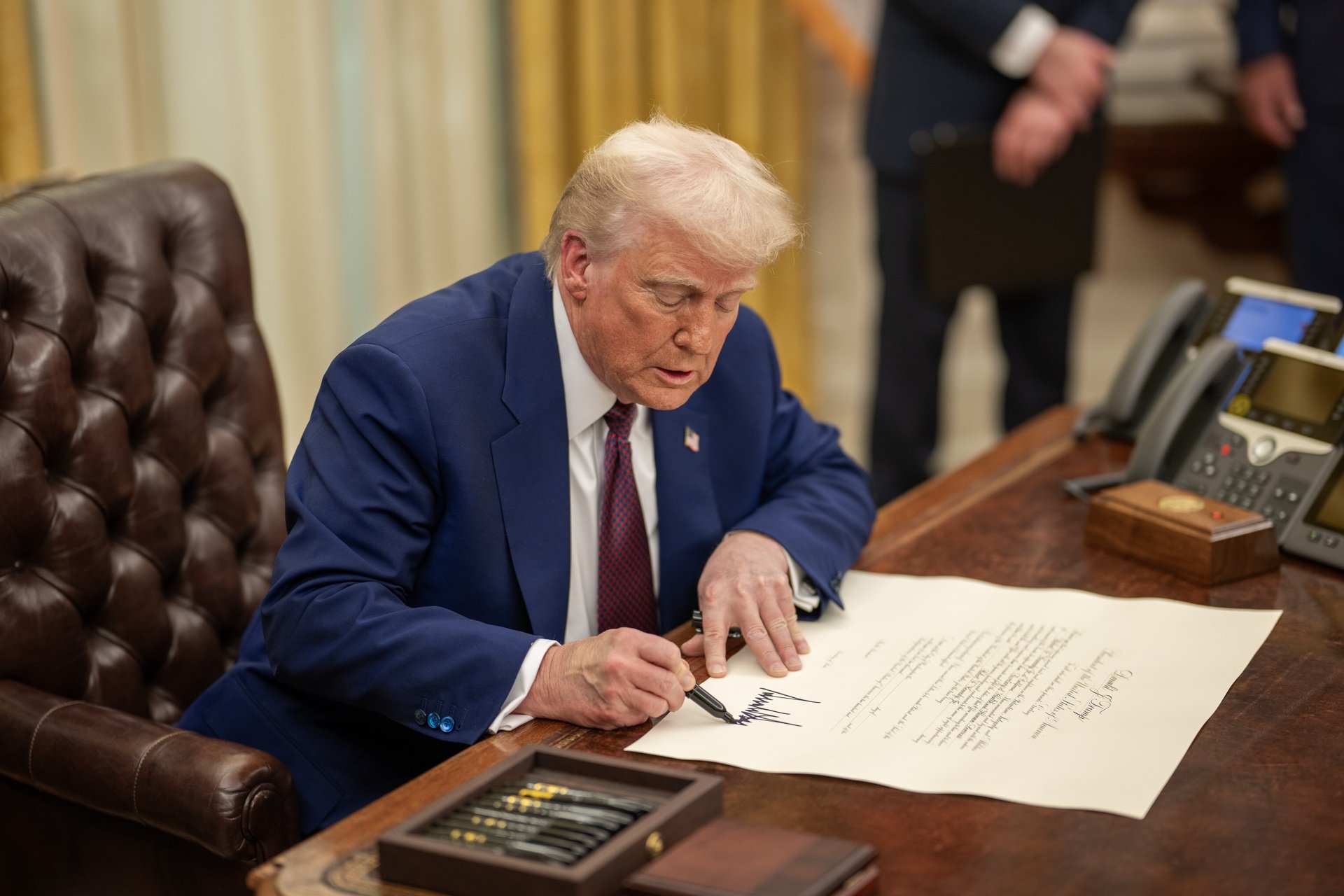
US President Donald Trump. Photo: X/DonaldTrump
South Korea, also one of the world's largest steel exporters, has taken the first steps to respond. On February 10, the country's Ministry of Industry convened an emergency meeting with steel producers to discuss measures to mitigate the impact of US tariffs. Korean steel is particularly important for US factories of major automakers such as Hyundai and Kia, as well as for Samsung and LG factories in Mexico and the US.
Australian Prime Minister Anthony Albanese called for a meeting with US President Donald Trump to discuss tariffs. “We will continue to defend Australia’s national interests with the US administration, and moreover, we believe this is also in the national interest of the United States,” Albanese stressed.
Meanwhile, the EU is also unhappy with US President Donald Trump's trade policies. European countries are determined to protect their interests: "The imposition of tariffs would be illegal and economically counterproductive, especially considering the deeply integrated supply chains created by the EU and the US through transatlantic trade and investment," according to a statement from the European Commission.


In particular, the leading economic powers of the EU have reacted very strongly to President Donald Trump's tariff decision. French President Emmanuel Macron emphasized that it is in the best interests of the US not to harm the European economy.
According to the head of the French Foreign Ministry, Jean-Noel Barrot, the European country is ready to retaliate against the US administration's tariffs. German Chancellor Olaf Scholz emphasized that the EU could react within an hour if President Trump imposes tariffs on EU goods. According to some reports, the EU may impose restrictions on US businesses in Europe, although the sanctions may vary.
The risk of a rift between the US and the EU.
During his first term in 2018, President Trump imposed a 25% tariff on imported steel and a 10% tariff on imported aluminum from Canada, Mexico, and the EU. The U.S. later reached an agreement with Ottawa and Mexico City to lift those tariffs.
Currently, President Donald Trump explains the need for tariffs as a way to boost the development of American manufacturers, protect jobs, and accelerate economic growth. Additionally, tariffs are seen as a "tool" to pressure Washington's partners into acting in ways that please him, such as Mexico and Canada, which tightened border security measures to prevent illegal immigration into the US in order to freeze the Trump administration's trade tariffs for a month. In the case of the EU, Trump's goal may be to reduce the trade deficit that the EU is currently facing.
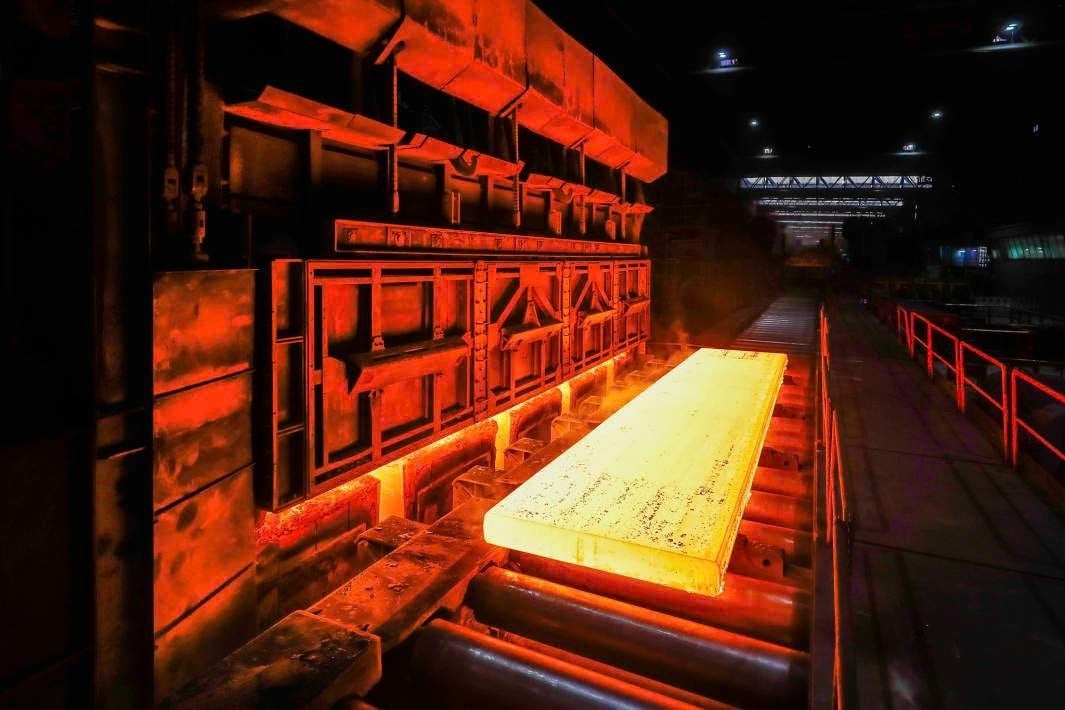
President Donald Trump imposed a 25% tariff on steel and aluminum imports into the United States. Photo: GLP
According to economist Stanislav Tkachenko of St. Petersburg State University, President Donald Trump is acting to balance the trade deficit with the EU, which he estimates currently stands at around 300 billion euros. Trump wants to reduce the deficit in the areas where Europeans export the most to the US in monetary terms.
The US president doesn't want Europeans to stop supplying metals to the US market; instead, he wants them to buy more American products. His constant mantra is to buy liquefied natural gas (LNG), petroleum products, weapons, and military equipment—items that bring high profits to the US. Therefore, President Donald Trump's tariff policy towards the EU seems like a bargaining chip, preparing for the signing of some new agreements.
Unlike Canada and Mexico, the EU, as well as the UK and Japan, were unable to reach a compromise with President Trump on tariffs during his first term. These countries had to wait until Democratic President Joe Biden took office to remove the high tariffs.
Overall, Donald Trump's first presidential term was marked by a worsening relationship between the US and the EU. In addition to imposing tariffs, the US withdrew from the Iran nuclear deal, negatively impacting relations with European countries, at least those that were part of the agreement. The situation was further complicated by Washington's decision to recognize Jerusalem as the capital of Israel. These three radical steps simultaneously shook the stability between the US and the EU.



In response to the US tariff increase, the EU subsequently implemented retaliatory measures against American manufacturers of Harley-Davidson motorcycles, whiskey, and nuts. Following this, the EU also imposed import tariffs on US steel, aluminum, and agricultural products, as well as other US goods worth €2.8 billion.
Expert Stanislav Tkachenko argues that consumers will be the hardest hit, as prices are certain to rise. Furthermore, trade disputes could ultimately deepen rifts between Western countries.
"When it comes to trade disputes, in the long run, all parties will lose. Trade disputes can weaken the entire West. First of all, the blow will fall on the EU, whose position is already significantly weakened by a series of problems: from the pandemic, the conflict in Ukraine to the energy crisis," Tkachenko asserted.
At the same time, according to Stanislav Tkachenko, it is currently impossible to confirm a full-blown trade war between the US and the EU, as the European community is too divided to formulate a unified response.
However, President Trump's tough economic policies will only exacerbate the European crisis, and inflation in the US is likely to surge again. Even without considering tariffs on aluminum and steel, US researchers have predicted consumer prices will rise by 0.5-0.7% if President Trump continues his policies toward at least Mexico and Canada.
Source: https://www.congluan.vn/chinh-sach-thue-quan-cua-my-nguy-co-ran-nut-giua-cac-nuoc-dong-minh-phuong-tay-post334465.html