

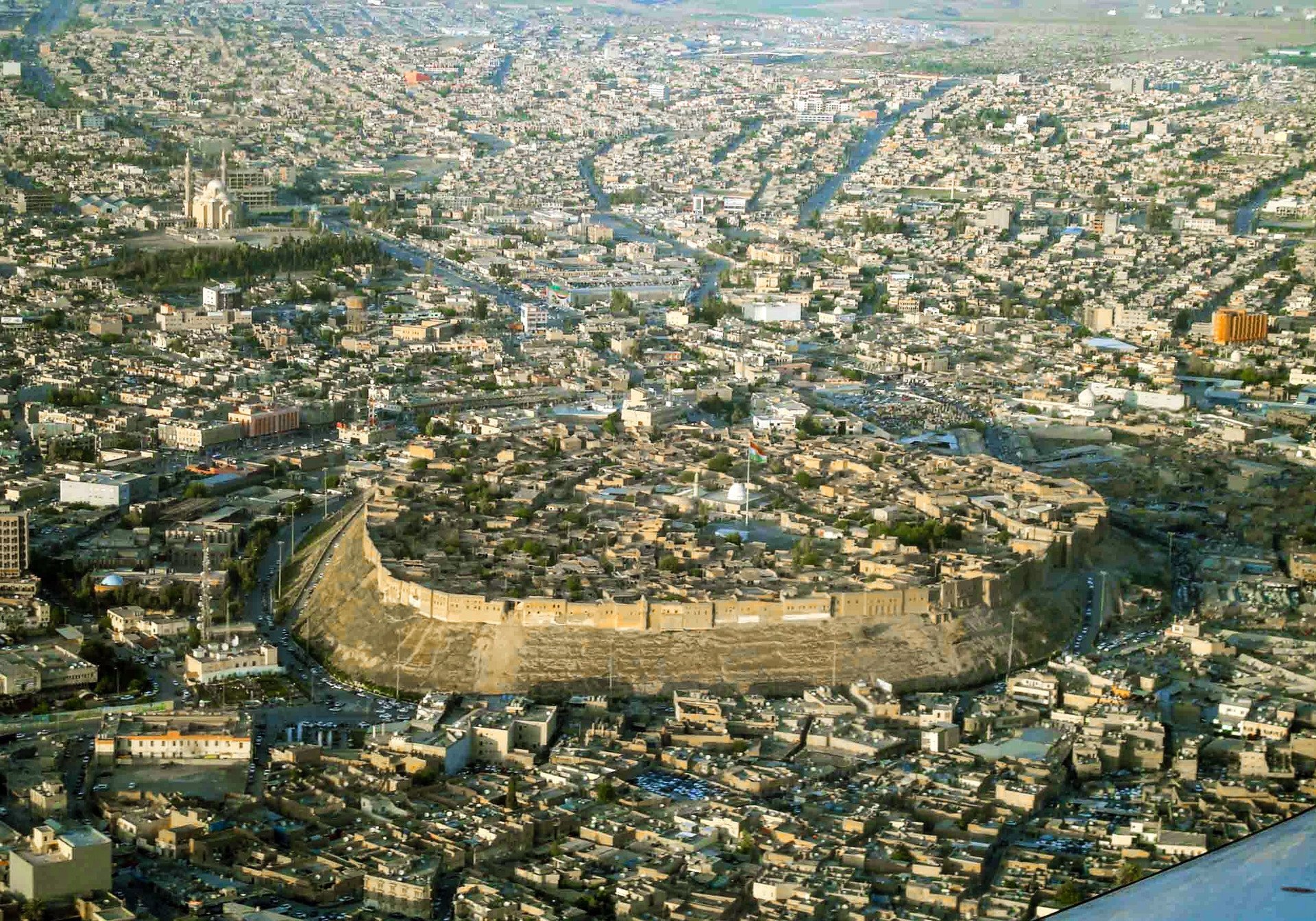
Nestled in the arid desert of Iraq, the ancient city of Erbil stands as an oasis, holding thousands of years of human history. Visitors here feel as if they are transported back in time, returning to the distant past, tracing the footsteps of ancient civilizations, and walking through streets where generations have lived, loved, and built their communities.
The ancient city of Erbil, located in the heart of Erbil in Iraq's Kurdistan region, is a testament to a long history of human settlement. Much of Erbil's history remains unknown, but numerous artifacts suggest the city dates back to 5000 BC.
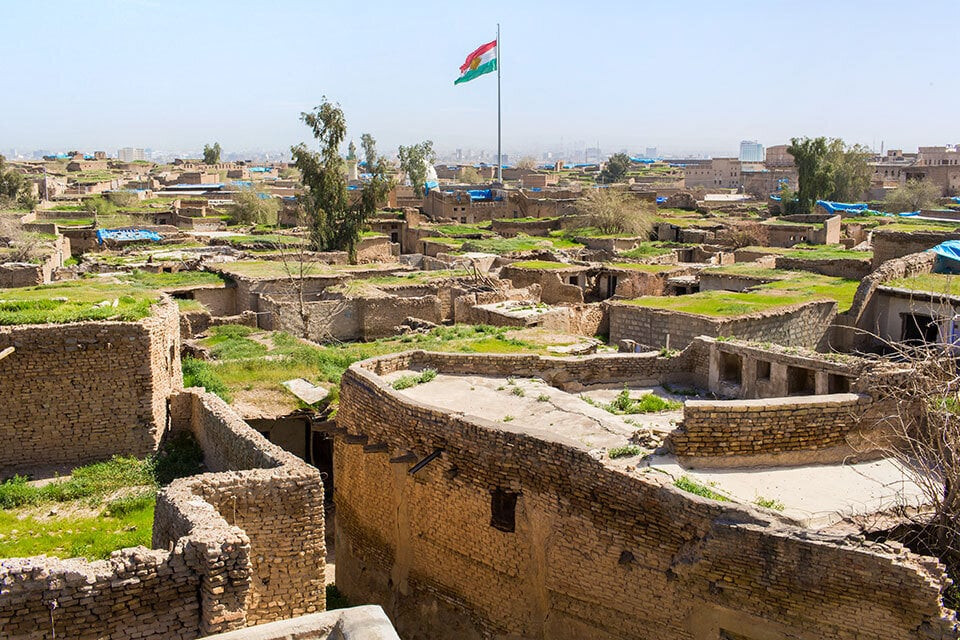
The ancient city of Erbil sits atop a mound 25-32 meters high. Over millennia, each generation has built new structures on top of those of the previous one. With its rich history, it has witnessed the rise and fall of empires, the development of many generations and the evolution of various civilizations, including the Assyrians, Persians, Greeks, Parthians, Romans, and Muslims.
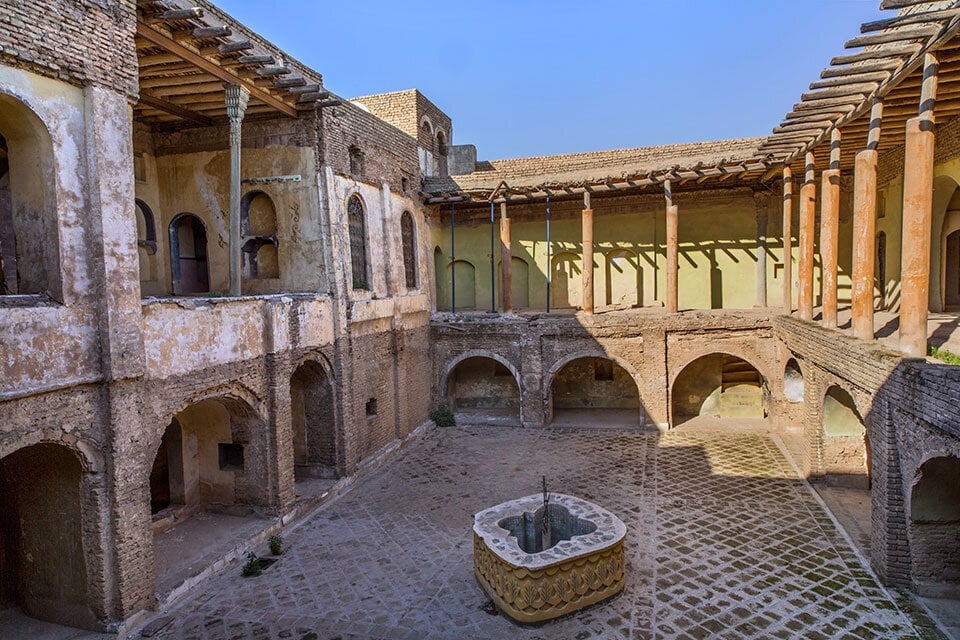
The ancient city of Erbil is not merely an archaeological site recorded in history books, but also a clear testament to the enduring and vibrant spirit of its people. The images of buildings, narrow alleys, and winding streets everywhere create an ancient landscape, deeply marked by the passage of time.
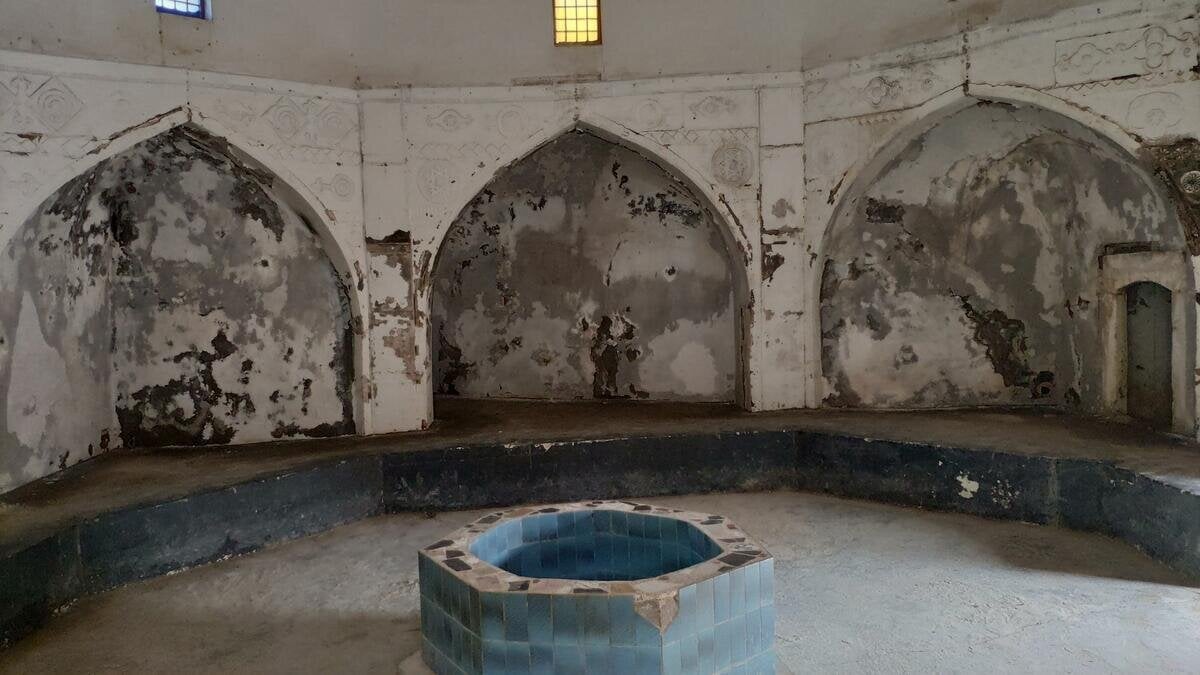
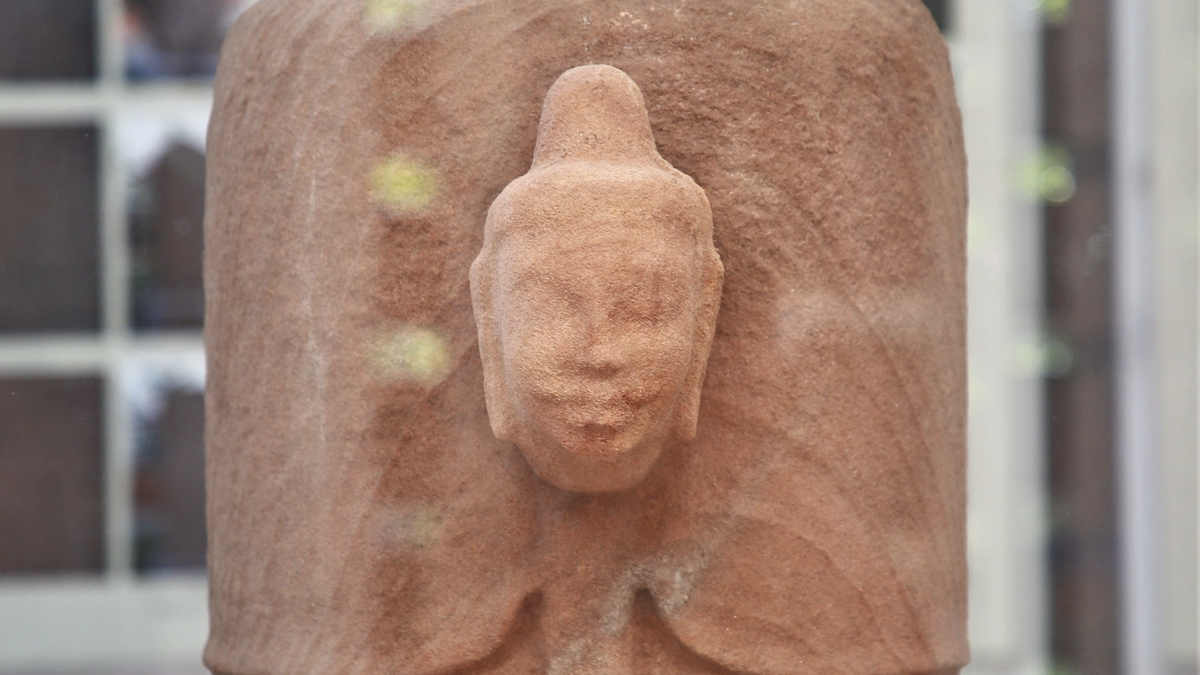
At the heart of the ancient city stands the Great Ziggurat, a sacred structure once dedicated to the worship of a Mesopotamian deity, although its exact origins remain a mystery. Constructed of mud bricks, the Ziggurat rises majestically from its surroundings, a testament to the ingenious architectural skills of its ancient builders.
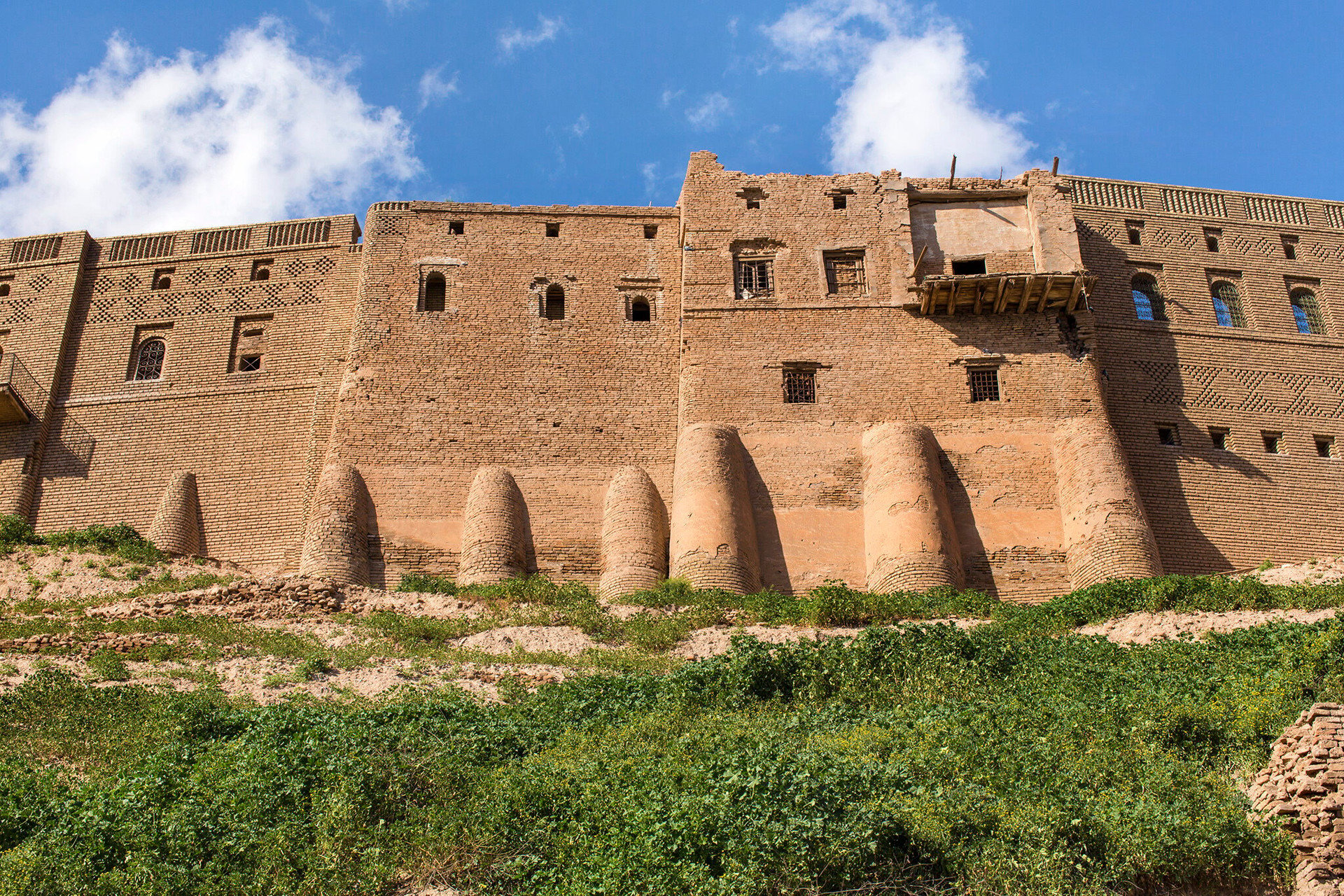
Adjacent to Ziggurat is the ancient city's temple complex, dating back to the 23rd century BC, preserving the remains of ancient religious practices. The layout and artifacts of the complex offer a glimpse into the beliefs and spiritual rituals of the generations who once lived at this site.
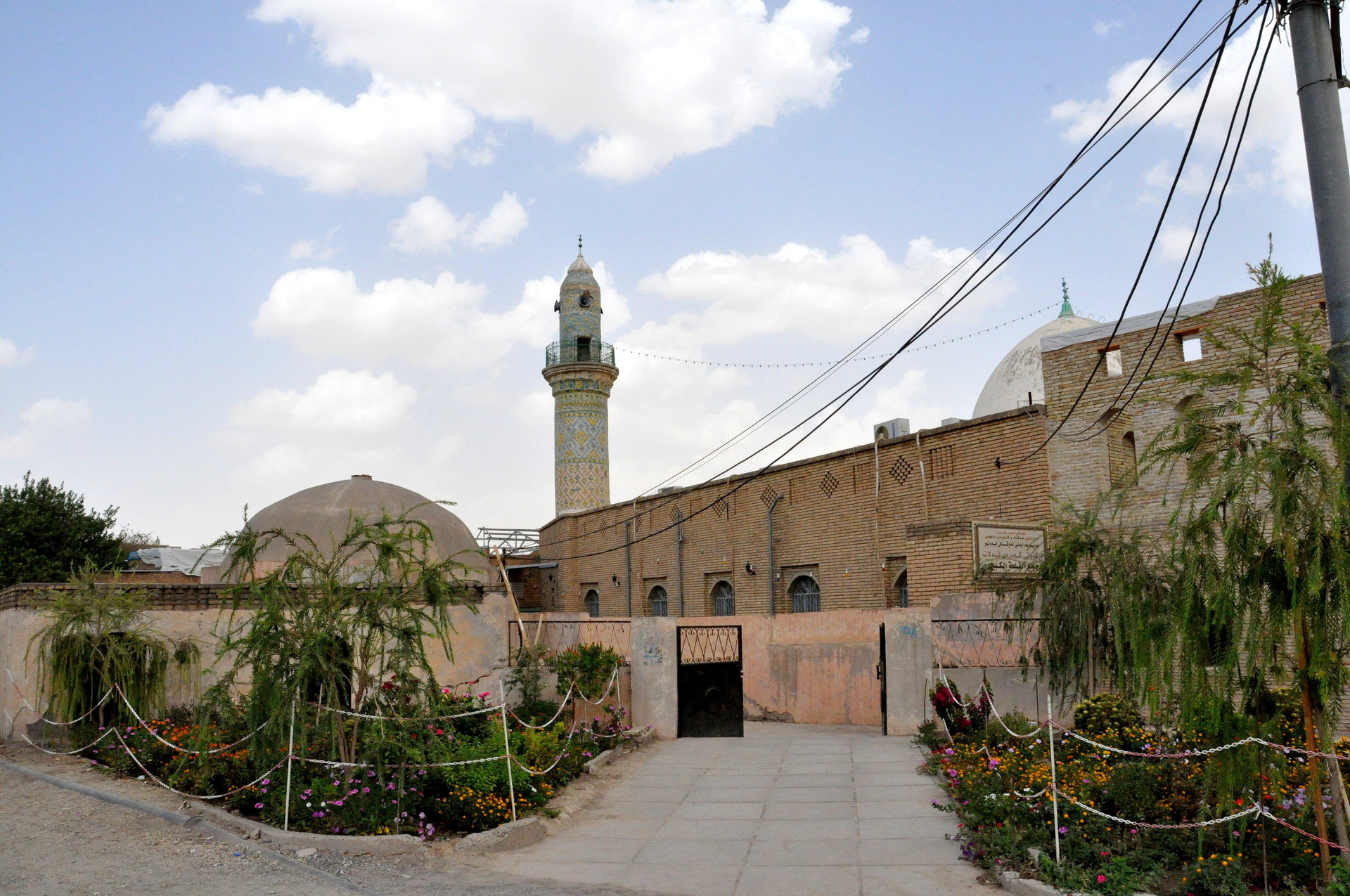
Despite centuries of turmoil and change, this place continues to be home to a vibrant community. Today, the population is approximately 1.3 million, predominantly Kurdish.
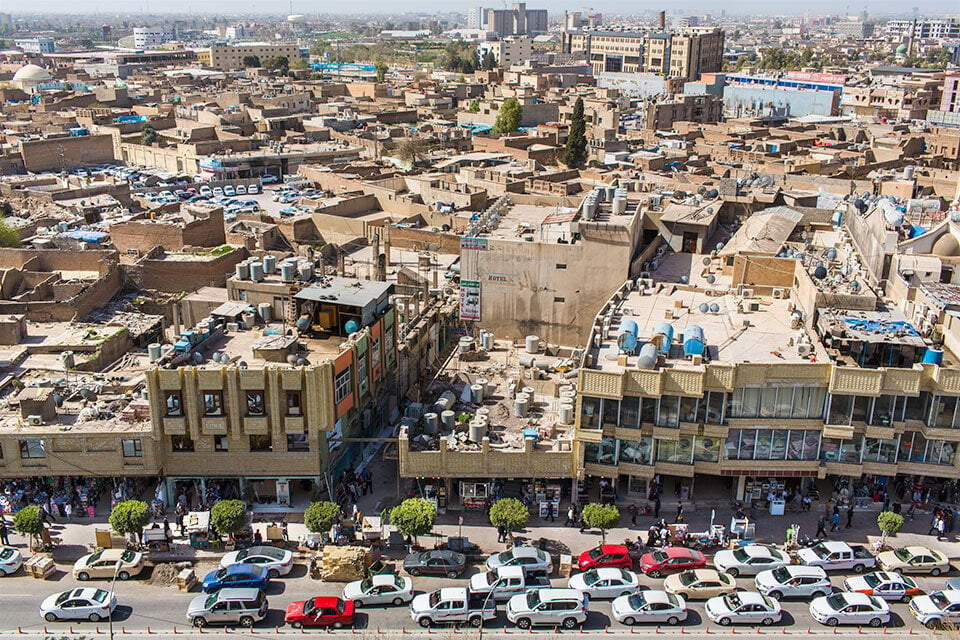
Walking through the narrow streets allows visitors to discover traditional houses, markets, and cultural landmarks, all contributing to the richness of daily life within the walls of this ancient citadel.
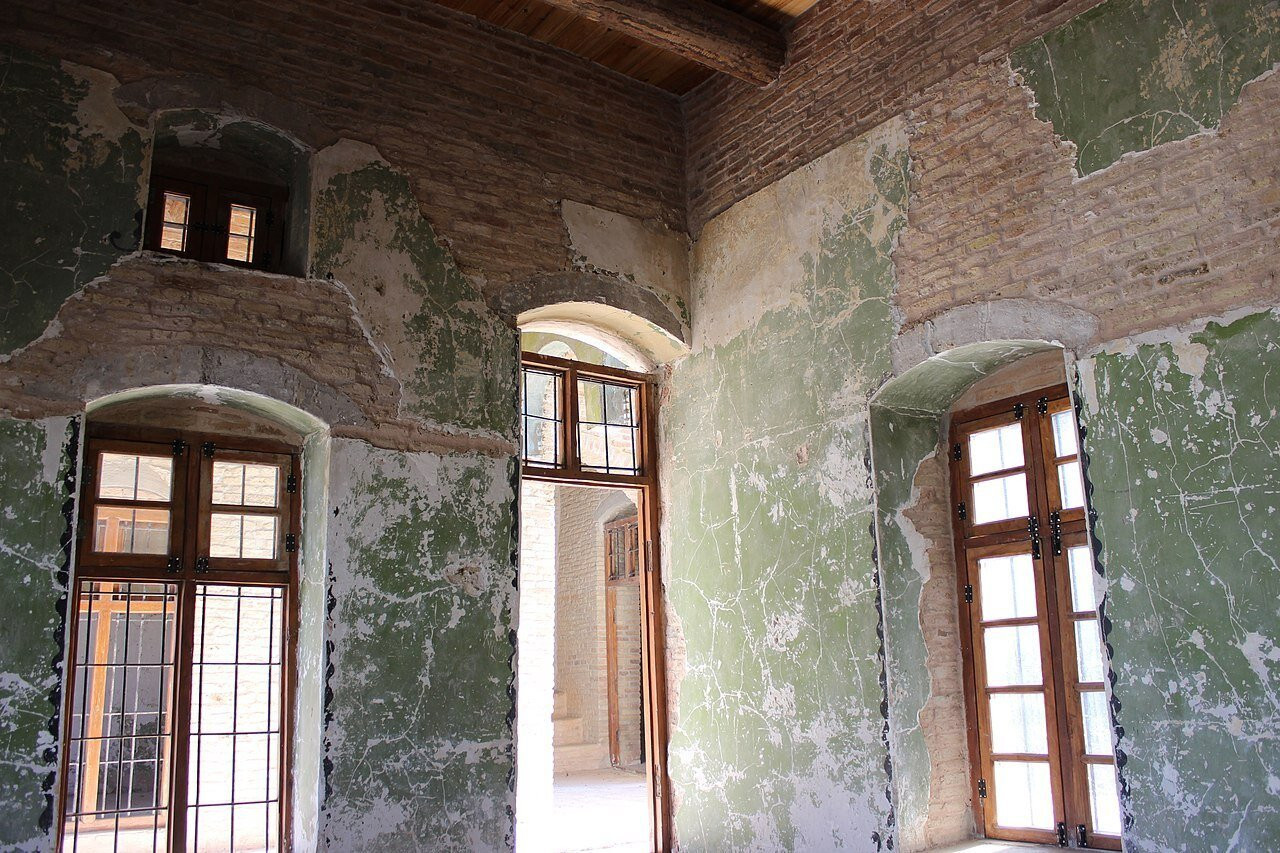
Recognizing the cultural significance and historical value of the ancient city, many efforts have been made to preserve and protect this unique site. The ancient city of Erbil was recognized as a UNESCO World Heritage site in 2014, receiving international recognition for its importance in understanding human history and cultural evolution.
TB (according to VTC)Source

![[Photo] Secretary of the National Assembly Party Committee, Chairman of the National Assembly presides over the meeting of the Standing Committee and Executive Committee of the National Assembly Party Committee.](https://vphoto.vietnam.vn/thumb/1200x675/vietnam/resource/IMAGE/2026/06/03/1780480353201_ndo_br_bnd-2585-jpg.webp)
![[Photo] First session of the 14th Congress of the Vietnam Trade Union](https://vphoto.vietnam.vn/thumb/1200x675/vietnam/resource/IMAGE/2026/06/03/1780465947883_ndo_br_img-3852-jpg.webp)
![[Photo] General Secretary and President To Lam presides over a meeting with the Central Organizing Committee.](https://vphoto.vietnam.vn/thumb/1200x675/vietnam/resource/IMAGE/2026/06/03/1780482764658_a1-bnd-4741-3342-jpg.webp)














































![[Video] Sunset at Lap An Lagoon – Where the sun sets over the fishing nets](https://vphoto.vietnam.vn/thumb/1200x675/vietnam/resource/IMAGE/2026/05/31/1780192137701_beach-landscape-sea-water-nature-grass-745871-pxhere-com.jpeg)





























Comment (0)