

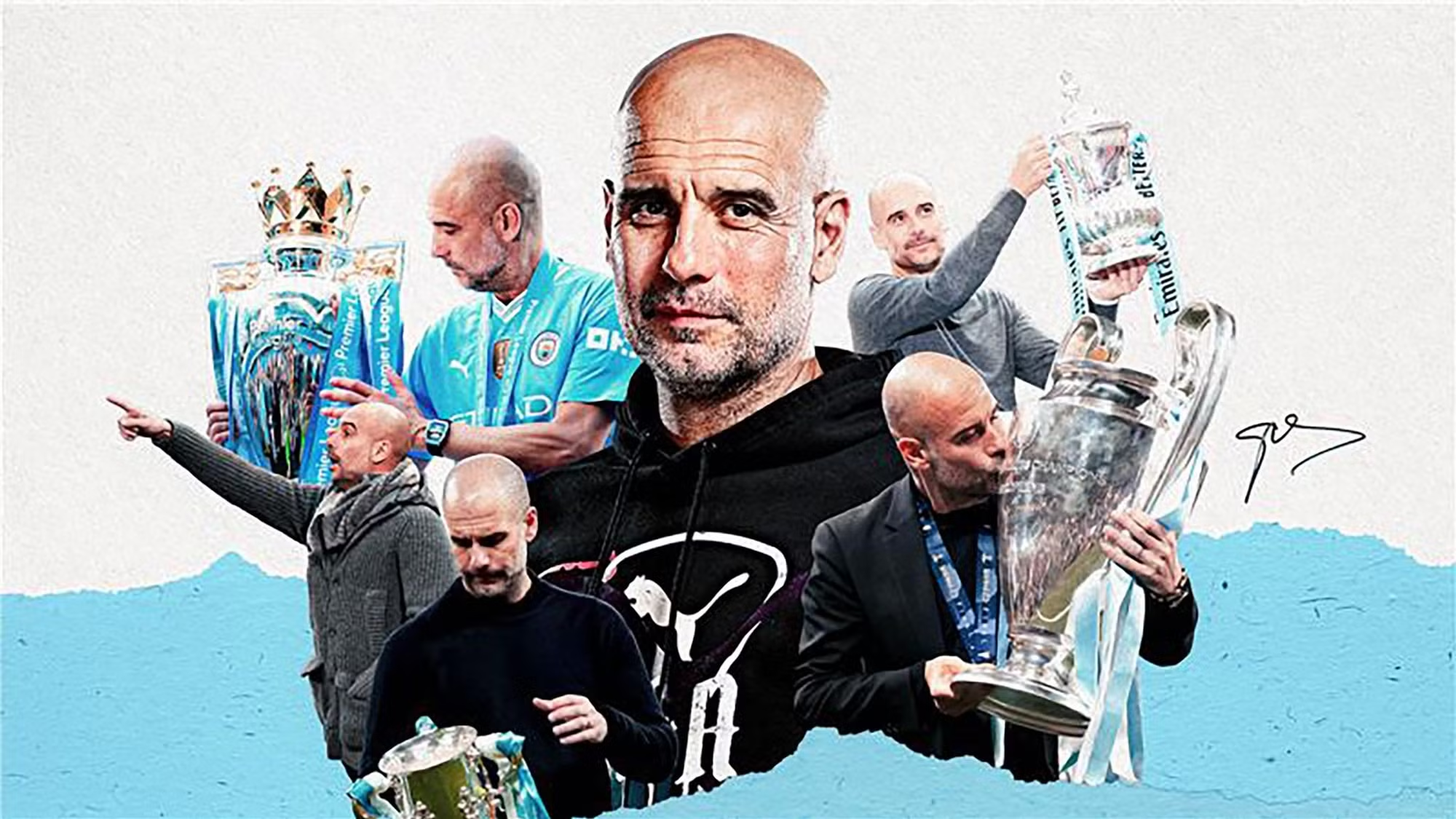
Contemporary legend
Lifelong City fans, those who still remember the pre-Guardiola era with all its ups and downs, might frown at that statement. After all, the club existed long before he arrived in 2016, and will certainly continue to exist long after he leaves.
But the 55-year-old Spanish manager didn't just lead City to the top of world football with his achievements in the dugout. He also established a culture within the club, shaped expectations from the outside world, and almost became their spokesperson, defending City amidst off-field controversies.
Guardiola's impact on City, and more broadly on English football over the past decade, has been so great that comparisons to Sir Alex Ferguson's time at Manchester United are inevitable. Considering that Ferguson worked at Old Trafford for 16 years longer than Guardiola, the mere fact that Guardiola is being compared to him is an achievement in itself.
Ferguson will probably always win the debate over the greatest manager in Premier League history, thanks to his longevity and the number of trophies that come with it. But Guardiola is almost certainly the one who has created the greatest transformation, because his style, and variations of it, have been absorbed across England, from amateur football to the highest level of professionalism.
Only now, as the football world begins to come to terms with the idea that Guardiola is no longer associated with City, can what he and his players achieved be fully reflected upon.
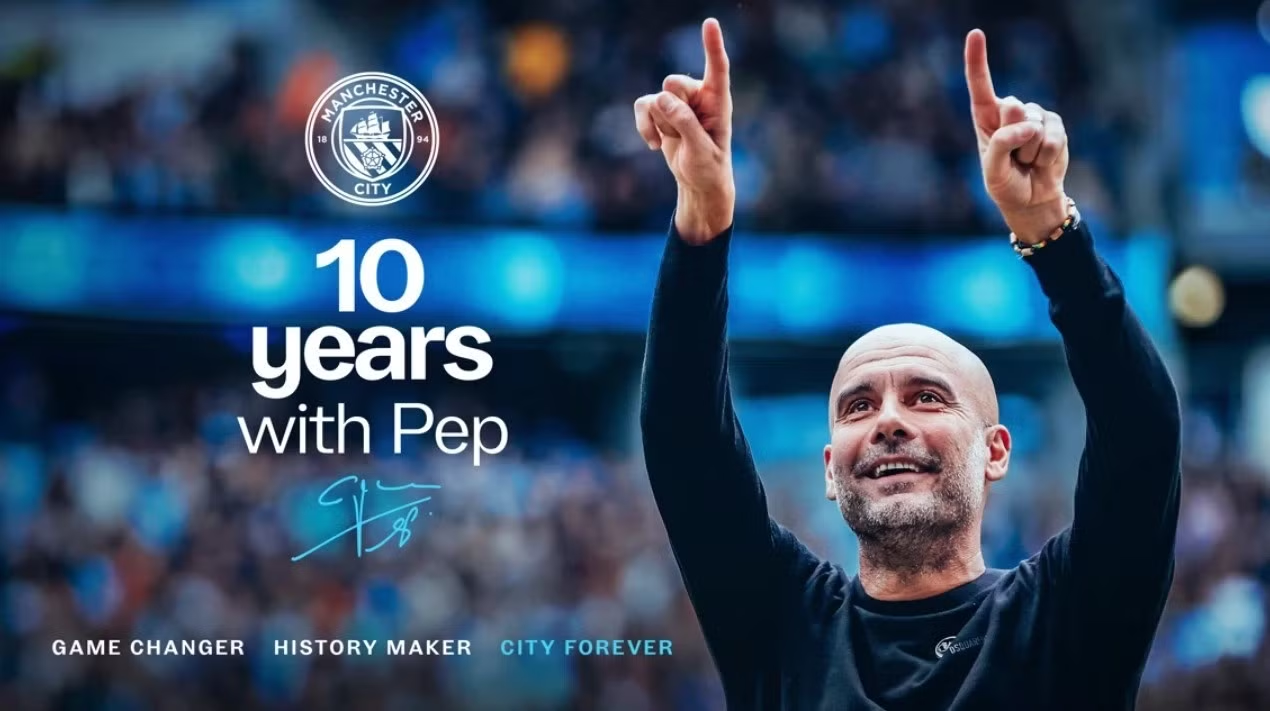
Before Guardiola's City, no English club had won the league with 100 points, won the title four seasons in a row, or completed a domestic treble.
Guardiola's City teams have done all three. And on Saturday, he became the first manager to win a domestic double twice. From 2017 to 2024, they won the Premier League six times in seven seasons, in a league where only Ferguson's Man Utd – six times, including two three-year streaks – and Jose Mourinho's Chelsea – once – had previously successfully defended the title. In fact, it's a common pattern in the Premier League for the previous season's champions to experience a significant slump.
City also became the second English team to win the treble – the Premier League, Champions League, and FA Cup – and the first to achieve this after entering Europe as the domestic champions the previous season.
The shadow is too big.
The key point is that Guardiola's reign at the Etihad was so extraordinary that it would be absurd to expect his successor to replicate that level of success, whoever that person may be. Enzo Maresca, who served as Guardiola's assistant during the treble-winning season, then led Leicester City to promotion and won the Club World Cup with Chelsea, is expected to replace him.
Maresca previously managed City's U23 team after being recommended by former manager Manuel Pellegrini, and was considered a potential successor to Guardiola by former football director Txiki Begiristain six years prior. City wanted continuity, saw no need for major changes, and always valued the Italian coach's work.
Given that context, this choice makes sense. But Guardiola remains an extremely difficult figure to surpass.
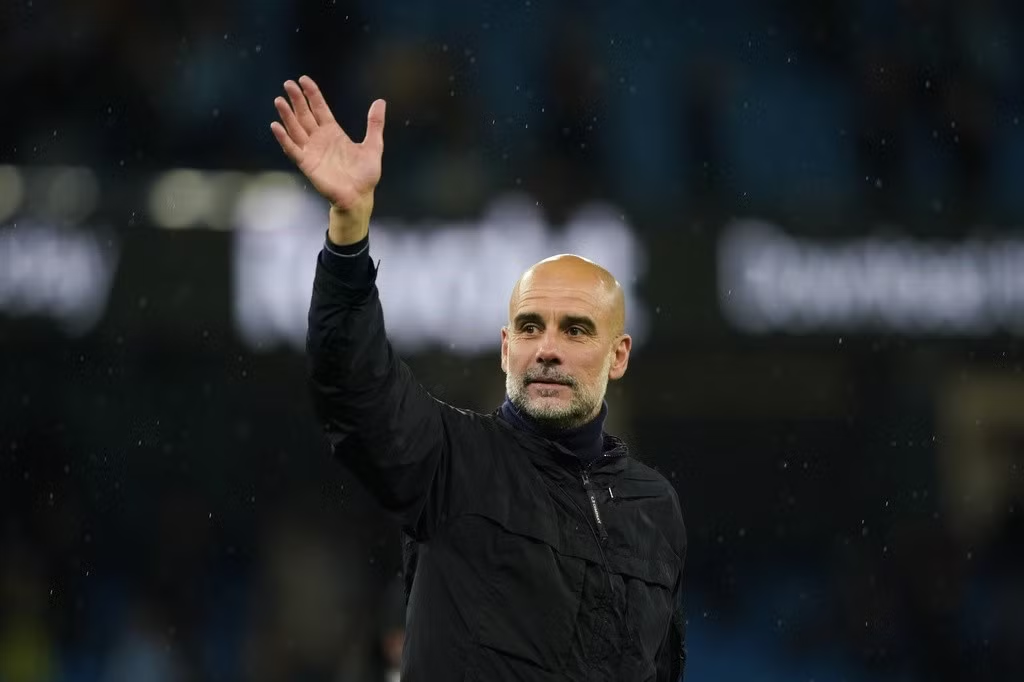
Beyond football and trophies, he became City's politician, often the only club employee to defend the team against financial accusations and rulings.
“If we are found guilty, we will be relegated to lower divisions like before. We will call Paul Dickov and Mike Summerbee,” Guardiola famously said in reference to the 115 charges against City in 2023. Perhaps the best chance of keeping him after this summer is for City to receive a truly serious guilty verdict in the next few months, creating a sufficiently strong challenge to entice Guardiola to stay and lead City back up the league table.
When people think of City right now, they think of Guardiola. And when people think of Guardiola, despite his lifelong connection with Barcelona, they think of City. It's not easy to separate those two images.
The most obvious comparison is Ferguson's departure from Man Utd in the summer of 2013, an event made even more difficult by the departure of CEO David Gill at the same time. Replacing the two most influential figures in the club seemed almost impossible. Thirteen years later, Man Utd still hasn't quite succeeded.
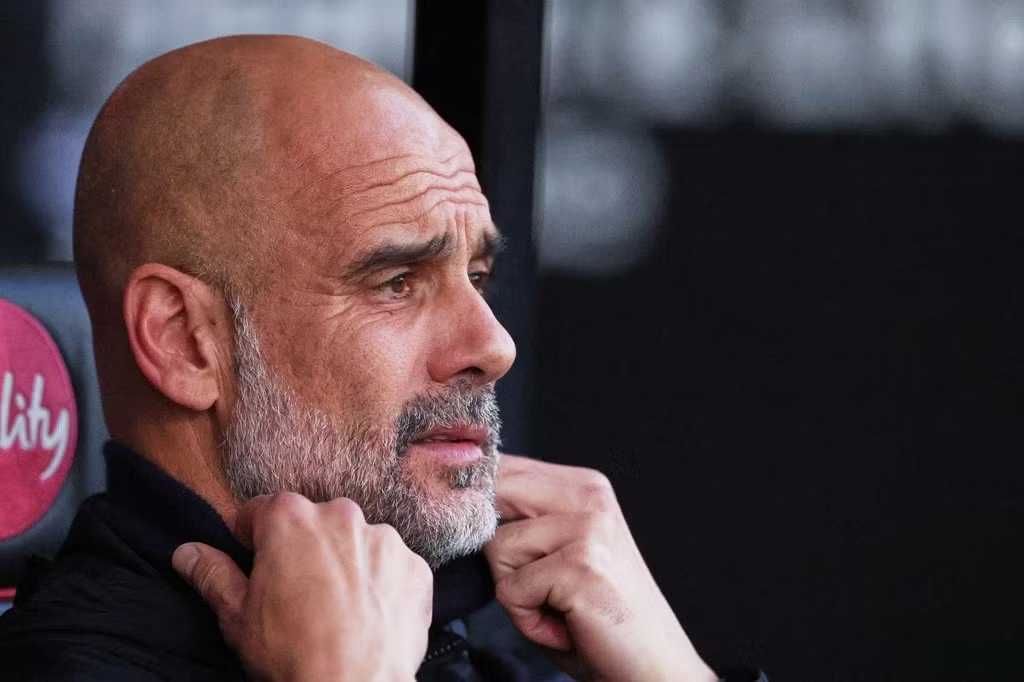
No one at City ever thought Guardiola would stay this long. But as each season passed, key figures at the club began to realize just how big the job of replacing him would be when the time came.
New standards
Over the years, City has strived to ensure its off-field structure is strong enough to absorb the departure of anyone, no matter how big the person or how sudden their departure. When Omar Berrada left the club in 2024 to become CEO of Man Utd, for example, City never intended to recruit a direct replacement. They simply restructured the personnel and continued operating.
Key figures at the club had long known Begiristain would step down last year, and he played a crucial role in the succession planning process. Hugo Viana was eventually brought in from Sporting CP of Portugal. More recently, Roel de Vries, City Football Group's chief operating officer, was replaced by Ingo Bank's chief financial officer.
Such carefully considered plans certainly help City better prepare for the kind of Ferguson-Gilliard upheaval that derailed Man Utd. But what will ultimately determine the club's success and reputation in the coming years will still revolve around one question: Who will be the next manager, and how successful will he be?
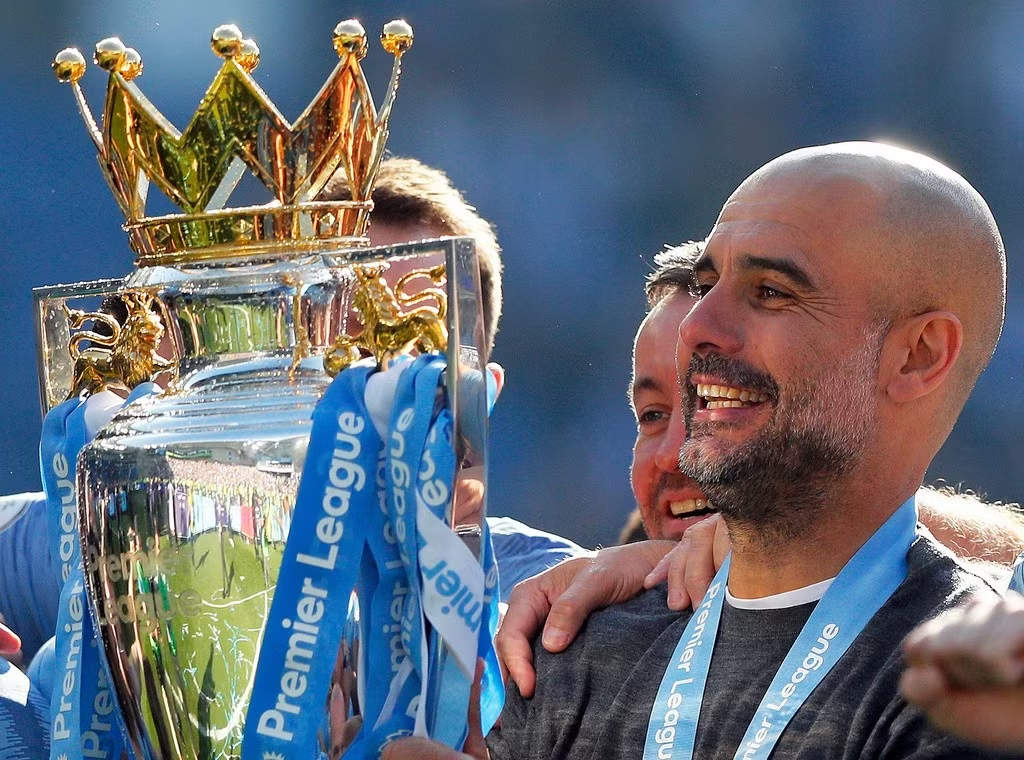
What will measure success in the post-Guardiola era?
The last time City failed to reach at least the FA Cup semi-finals was in the 2017-2018 season, Guardiola's second. They have participated in the Champions League every season since 2010-2011 under three different managers, achieving 10 appearances in 10 seasons under Guardiola after securing a place in the 2026-2027 season. Even in the Catalan manager's "worst" seasons – his first and penultimate – City did not drop out of the top three in the Premier League. And both of those seasons ended strongly, creating a sense of optimism.
Thanks to the transformative takeover by Abu Dhabi United Group in 2008, City were already successful before Guardiola arrived. They won the FA Cup in 2011 and their first Premier League title 12 months later, both under Roberto Mancini. His successor, Pellegrini, then won the Premier League and the League Cup in his debut season of 2013-2014, and then the League Cup again in 2016.
At the time, it was a dream.
No one would say that period was disappointing now. But if City win five titles in the next six years, including a few seasons where they barely competed for the championship, would that be considered acceptable, given what Guardiola has achieved? After all, he averaged two titles per season.
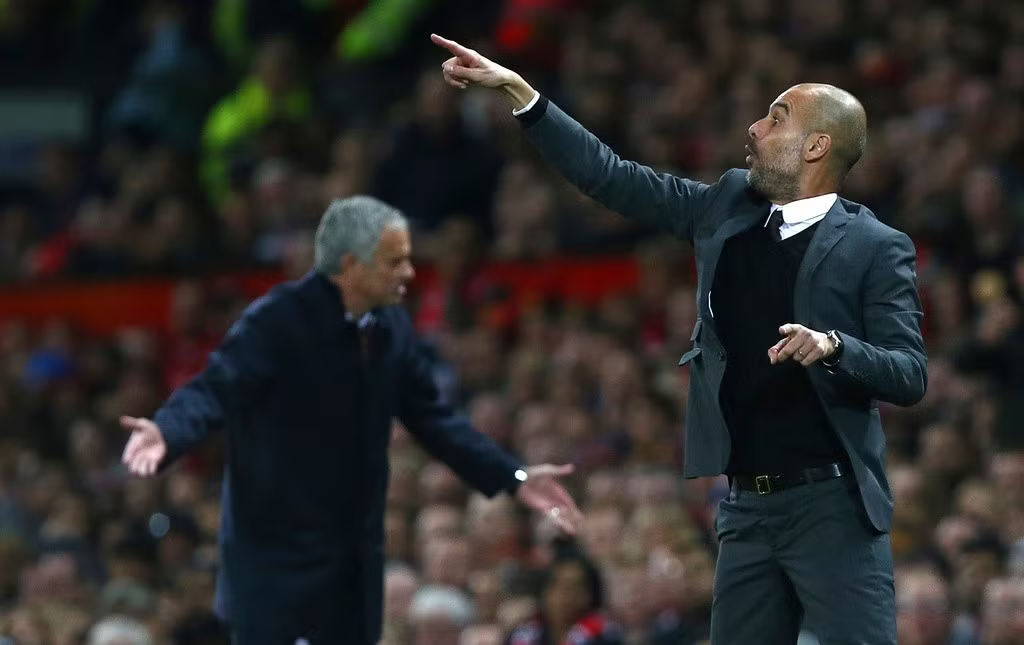
Man Utd have won five trophies since Ferguson left – two FA Cups, two League Cups and a Europa League – achievements that most clubs would envy. But the general consensus remains that they are still a long way from their former level.
Liverpool seemed to have hit the jackpot when Arne Slot won the Premier League in his debut season (2024-2025) after replacing Jurgen Klopp. However, his struggles as champions have left fans deeply disappointed, and he has faced calls for his dismissal from the very people who celebrated his achievement 12 months earlier.
With all due respect to Klopp, who transformed Liverpool's fortunes after arriving in 2015 and turned them into a truly formidable team, he also experienced his fair share of seasons where he faltered early on, long before trophies were awarded. But Klopp has accumulated enough credibility to avoid the kind of criticism that would be leveled against his successor.
Perhaps this shows that the coach's personality is a big factor in how people judge those who come after him.
Ferguson, Guardiola, and Klopp are huge personalities who can rally entire fan bases. That's not easy to find. Erling Haaland is a true superstar with immense commercial appeal at City, but since Guardiola arrived, he has been the center of attention.
Long-term plan
City will be confident that years of preparation for days like this will help them choose the right manager.
At various points during Guardiola's tenure, when City were planning for his potential departure, the club seemed to place a great deal of emphasis on those who had previously worked there. Patrick Vieira, Mikel Arteta, and more recently, Maresca are examples.
Maresca is very popular with the Chelsea players, and those familiar with his previous work at City have high regard for him. But appointing Maresca could be a hard decision for many fans, given the rather lukewarm reaction to previous reports linking him to this role.
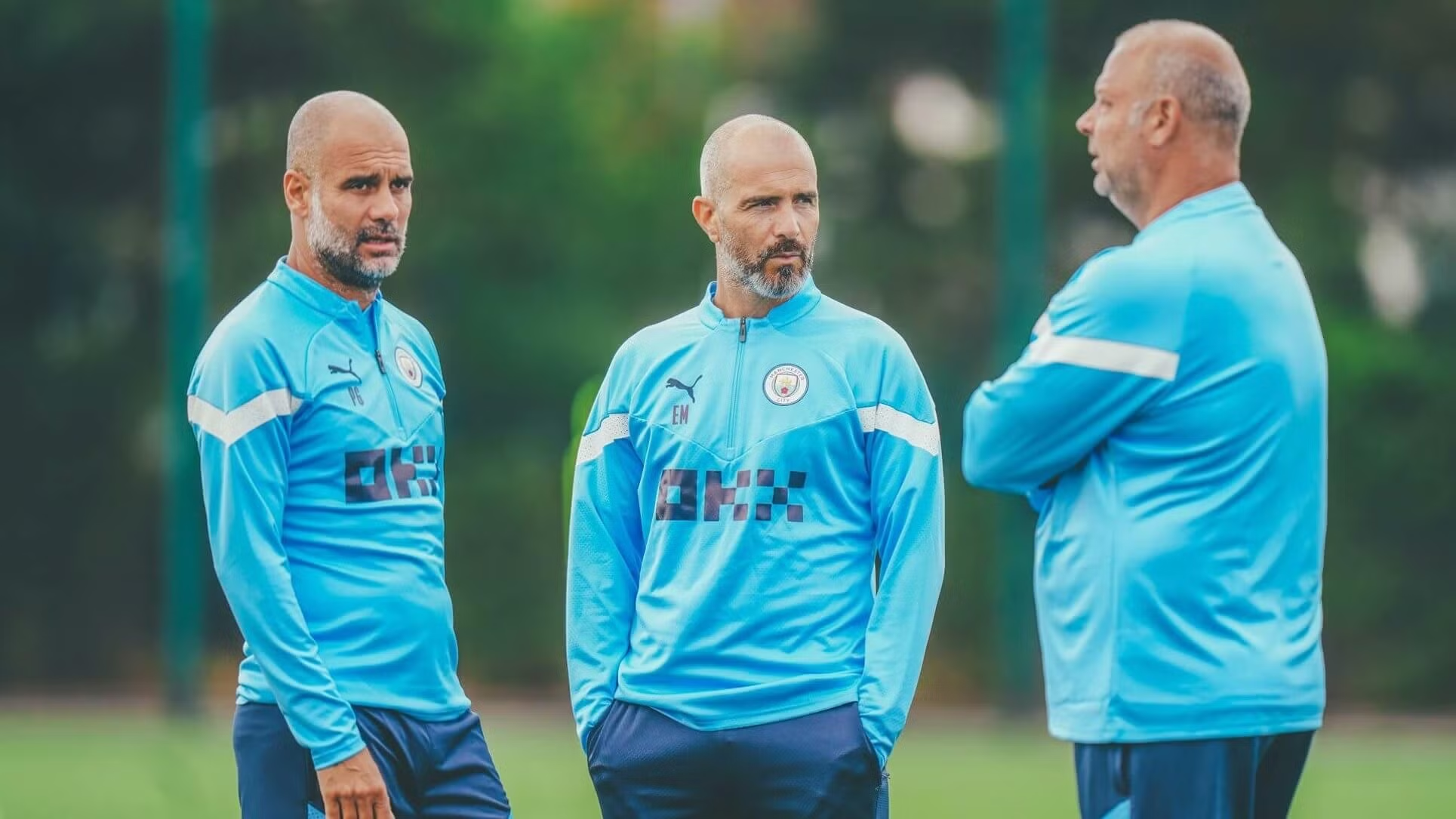
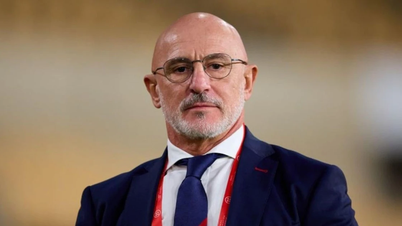
There are a few potential options out there that would excite fans more, including Xabi Alonso, who has joined Chelsea, Luis Enrique, and most obviously Vincent Kompany, the former City captain who is helping Bayern Munich play brilliant football. That will be the first hurdle Maresca has to overcome when he takes over.
It's also possible that this summer is a good time for Guardiola to leave, judging by the players' reaction.
The current City squad is very new, having been largely rebuilt over the past two years. Therefore, they may not be able to breathe a sigh of relief after years of living under Guardiola's extremely high intensity, as happened at Bayern when he left Germany for Manchester 10 years ago. Many players are also very new to the club, so working under a different manager might not necessarily bring about a huge change for them.
City had already attracted players like Sergio Aguero, Yaya Toure, and David Silva before Guardiola arrived, demonstrating their enduring appeal. But will that appeal remain the same now that everyone is so accustomed to the idea that Guardiola is the biggest magnet?
History shows that there are managers, at certain clubs, who simply cannot be smoothly succeeded. Guardiola's impact at City certainly places him in that group.
Source: https://tienphong.vn/pep-guardiola-co-phai-cai-bong-khong-the-vuot-qua-post1845732.tpo


![[Image] Hanoi's urban life under the challenge of a "scorching hot" environment](https://vphoto.vietnam.vn/thumb/1200x675/vietnam/resource/IMAGE/2026/05/25/1779706979265_nang-nong-t5-2026-minh-duy-7-4636-jpg.webp)



























































Comment (0)