

- 1. Nutritional composition and health benefits of plums
- 2. Who should eat plums regularly?
- 3. A few tips for eating plums safely.
Plums are a fruit that offers many practical benefits thanks to their high fiber, vitamin, and mineral content. Understanding the benefits of plums will help you incorporate this food into your diet in a way that is both reasonable and safe for your health.
1. Nutritional composition and health benefits of plums
Based on the nutritional components found in plums, both fresh and dried plums provide nutrients that have a positive impact on the body. Below is a convenient overview of the macronutrients, vitamins, and minerals found in plums.
Type | Ingredient | |
Macronutrients | Water | This is the main component of plums, accounting for about 87%. |
Carbohydrate | The energy source consists of natural sugars (glucose and fructose), which give it its sweetness. | |
Fiber | Plums are a good source of fiber, especially soluble fiber (pectin). | |
Protein | Contains a small amount. | |
Fat | Plums contain very little fat. | |
Vitamin | Vitamin C | Plums are a rich source of vitamin C, which is crucial for the immune system. |
Vitamin A | It contains beta-carotene , a substance that the body converts into vitamin A. | |
Vitamin K | Important for blood clotting and bone health. | |
B vitamins | This includes thiamine (B1), riboflavin (B2), niacin (B3), and other substances. | |
Vitamin E | Contains smaller amounts. | |
Minerals | Potassium | Helps regulate blood pressure. |
Phosphorus | Important for bone health and energy production. | |
Magnesium | Supports muscle and nerve function. | |
Zinc | It contributes to many different physiological processes in the body. | |
Iron | Available in small quantities. | |
Fluorine | It is found in plums and helps strengthen bone health. |
The antioxidants, vitamins, and minerals in plums help support skin health, boost the immune system, and improve overall well-being. By adding a few plums to your daily diet, you're giving your body natural rejuvenation and overall health.
2. Who should eat plums regularly?
Although plums offer many benefits, not everyone is suited to eating them in large quantities. Understanding your body's condition will help you maximize the nutrients from plums without experiencing adverse effects.

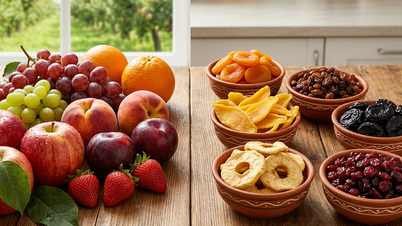
Plums are a familiar and much-loved fruit.
Thanks to these nutritional properties, plums are suitable and offer significant benefits to the following groups of people:
- For those with digestive problems or constipation: Plums (both fresh and dried) are rich in fiber and a natural sugar called sorbitol. Sorbitol acts as a natural laxative, helping the intestines function more smoothly and effectively improving constipation. Eating a few fresh or dried plums daily is a natural laxative to improve bowel function.
- For those needing to control blood sugar levels: Despite their sweetness, plums are a low glycemic index (GI) fruit. When eaten, sugar is released into the bloodstream slowly, preventing sudden spikes in blood sugar. Therefore, people with diabetes can safely eat plums in moderation as a dessert . The fiber content in plums also helps create a feeling of fullness, reducing cravings for fast food.
- Older adults need to take care of their bones and joints: Studies show that plant compounds (polyphenols) found in plums help reduce inflammation and limit bone loss. This is a healthy snack that supports maintaining bone density in older adults, especially postmenopausal women.
- For those at risk of cardiovascular disease: Plums provide a steady supply of potassium. Potassium is an important mineral that helps the body regulate blood pressure and reduce pressure on blood vessel walls. In addition, the antioxidants in plums contribute to lowering levels of bad cholesterol.
3. A few tips for eating plums safely.
Although plums are good for you, you should still keep the following points in mind to ensure your body absorbs the nutrients without experiencing side effects:
Avoid overeating: A healthy adult should eat about 5-10 fresh plums per day. Eating too many at once can cause bloating. Additionally, because plums are considered "heating" in nature, excessive consumption can generate heat, potentially causing acne or rashes in people with sensitive constitutions.
People who need to limit their plum consumption include those with stomach ulcers (due to the acidity of plums) or a history of kidney stones (due to the oxalate content of plums). They should only eat plums in very small quantities to avoid worsening their condition.
Thoroughly wash the outer skin: The plum skin contains the most fiber and antioxidants, but it's also the easiest to trap dirt. Wash away the powdery coating to avoid allergies and minimize pesticide and bacteria contamination. For safety, rinse plums under running water and soak them in a diluted salt solution before eating.
Source: https://suckhoedoisong.vn/qua-man-co-tot-khong-va-nhung-ai-nen-an-man-169260518151629197.htm
![[Image] Pleasant weather helps students enter the 10th grade entrance exam with confidence.](https://vphoto.vietnam.vn/thumb/1200x675/vietnam/resource/IMAGE/2026/05/29/1780034401612_ngay-1-thi-lop-10-minh-duy-8-5009-jpg.webp)



![[Photo] Ba Lang An Lighthouse - the "eye of the sea" amidst the "rock museum" of Quang Ngai province.](https://vphoto.vietnam.vn/thumb/1200x675/vietnam/resource/IMAGE/2026/05/29/1780038698840_anh-man-hinh-2026-05-29-luc-14-10-42.png)


































































































Comment (0)