

The government has been tasked with conducting a comprehensive inspection of the life insurance market, especially investment-linked insurance products.
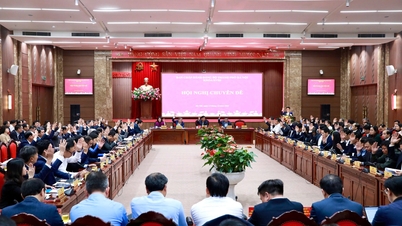
This content was stated in the General Resolution of the 5th Session, which was voted on and passed by the National Assembly on the afternoon of June 24th, with nearly 97.4% of delegates voting in favor.
The National Assembly also requested the Government to promptly address shortcomings in the brokerage and cross-selling of life insurance when reviewing loan applications and advising on corporate bond investments.
Previously, at the socio-economic discussion session on June 1st, many delegates raised concerns about shortcomings in the insurance market, especially investment-linked insurance products. Delegates requested the Ministry of Public Security to verify and clarify whether there were any signs of fraud or deception against customers, and if so, to initiate criminal proceedings and investigation.
Investment-linked insurance products are advertised by insurers as offering risk protection and additional investment benefits. However, in reality, a significant amount of the customer's premium is deducted for various fees before being allocated to the investment-linked fund.
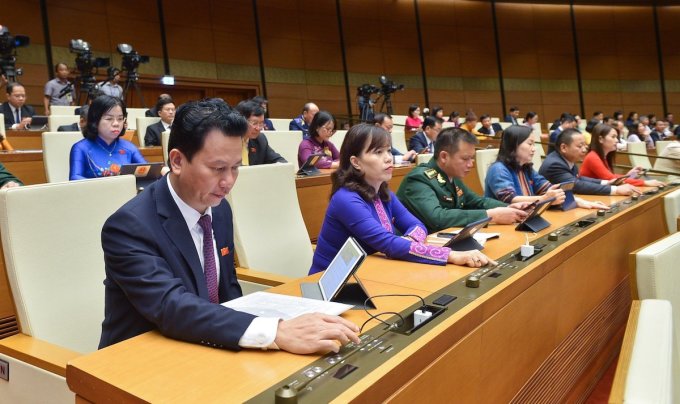
The National Assembly voted to approve the Resolution of the 5th session on the afternoon of June 24. Photo: Hoang Phong
In its session resolution, the National Assembly also tasked the Government with implementing measures to control inflation, strengthen the economy's adaptability and resilience to negative external impacts. The adjustment of environmental protection taxes on gasoline and diesel fuel needs to be flexible, proposing a global minimum tax mechanism, a carbon tax, and definitively resolving the issue of value-added tax (VAT) refunds.
The government needs to proactively manage monetary policy, coordinating closely with fiscal policy to boost growth; and propose increasing the personal income tax deduction for dependents. Difficulties in the money market, securities, insurance, bonds, real estate, etc., need to be addressed and resolved.
Regarding credit growth limits, the National Assembly requested the development of criteria and methods for determining these limits for banks. The government was tasked with decisively addressing long-standing loss-making projects and violations by banks and businesses, preventing further losses.
Power outages and blackouts are occurring in many places, significantly affecting the production and business activities of enterprises and the lives of the people. Therefore, the National Assembly also requested timely and fundamental solutions to address the electricity shortage and ensure energy security.
Also in the Resolution, the National Assembly approved the plan to invest an additional 17,100 billion VND in charter capital for Agribank. The additional capital corresponds to the remaining profits actually paid to the State budget from 2021-2030 by this bank.
Of this amount, over 6.7 trillion VND will be sourced from the 2023 central government budget approved by the National Assembly. The remaining 10.347 trillion VND will be allocated from the state budget and transferred to higher levels in 2024.
The National Assembly has assigned the Government to implement this additional capital investment in accordance with regulations and to be responsible for the accuracy of the figures and the scale of the additional capital investment for Agribank.
The capital increase helps Agribank meet the minimum capital adequacy ratio of 8% as required by regulations, moving towards compliance with Basel II. The additional capital will help the bank improve its credit rating and increase its surplus value during the equitization process. The capital increase also provides a basis for the bank to expand its operations, increase lending, and meet the capital needs of the agricultural and rural sectors.
The last time Agribank received approval from the National Assembly to increase its charter capital was in 2020, with an increase of 3,500 billion VND. This amount is equivalent to the after-tax profit the bank will pay to the state budget in 2020, up to a maximum of 3,500 billion VND.
In 2022, Agribank reported pre-tax profits of over 22,000 billion VND, ranking among the top 5 banks with the highest profits in the system. The bank's loan portfolio grew by 9.8% by the end of last year compared to the beginning of the year, while deposits increased by just over 5%.
Source link


![[Photo] Prime Minister Pham Minh Chinh attends the Conference summarizing and implementing tasks of the judicial sector.](/_next/image?url=https%3A%2F%2Fvphoto.vietnam.vn%2Fthumb%2F1200x675%2Fvietnam%2Fresource%2FIMAGE%2F2025%2F12%2F13%2F1765616082148_dsc-5565-jpg.webp&w=3840&q=75)






















































































Comment (0)