


There are still many obstacles.
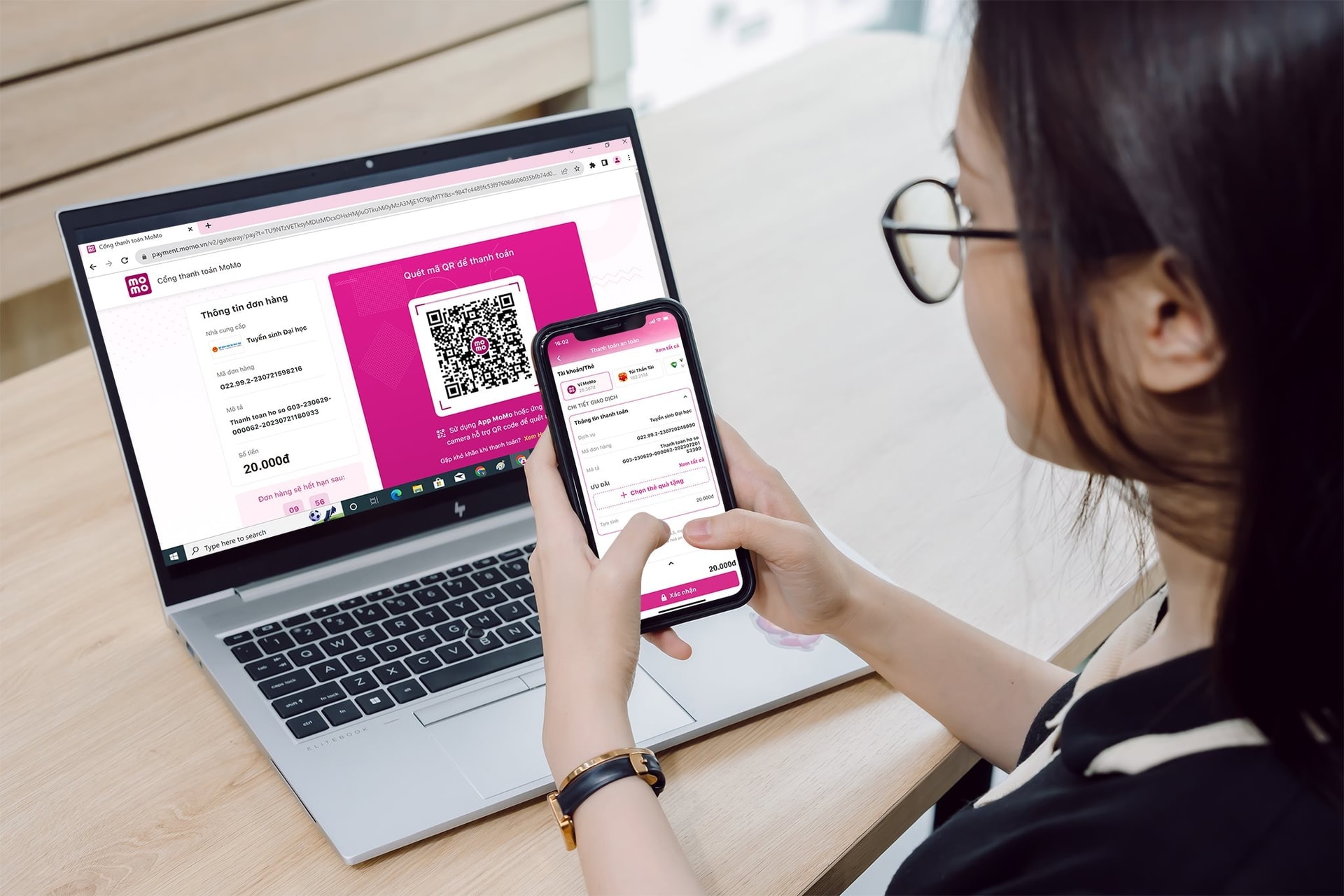
Modern payment tools such as e-wallets, international cards, and fintech services have shortened distances, connecting millions of businesses and individuals worldwide , and are a powerful driving force for e-commerce, tourism, and international investment. However, the reality in Vietnam and many other countries shows that many barriers still remain.
The story of Mr. Nguyen Hoang Long, Deputy General Director of Vietnam National Payment Corporation (Napas), who was unable to pay with an international card at a shopping mall in China, is a clear example.
Despite the availability of international tools, the payment ecosystem in many markets remains fragmented, creating difficulties for both tourists and businesses.
This situation is also occurring in Vietnam, where tourists from China, Thailand, and South Korea are facing difficulties in spending money at small shops and traditional markets.
This not only causes inconvenience but also leaves Vietnam missing out on a significant amount of potential revenue.
Recognizing this, Vietnam is taking positive steps. Napas has been connecting with partners in the region such as Thailand, Cambodia, Laos, Indonesia, and Singapore, allowing people to make payments directly using the local currency of each country.
In particular, the connection with China, Vietnam's largest tourism market, is being urgently finalized. The system is expected to be tested by the end of this year, opening up significant opportunities for the tourism and trade sectors.
Many potential risks exist.
However, convenience always comes with risks, and the threat of cyberattacks and personal data breaches has increased dramatically, causing enormous financial losses, eroding user trust, and having far-reaching impacts on global economic security.
Mr. Vu Ngoc Son, Head of the Research, Consulting, Technology Development and International Cooperation Department (National Cybersecurity Association), pointed out the existing dangers. Attack methods are becoming increasingly sophisticated and diverse.
Firstly, phishing and spoofing. Hackers send emails, text messages, or create fake websites impersonating banks or payment gateways to steal login information and then carry out illegal transactions.
Secondly, malware (ransomware, Trojan) is used to infiltrate systems. These programs record keystrokes, change account numbers, or encrypt all data to demand a ransom.
Thirdly, there is account hijacking and transaction fraud. Hackers gain control of bank accounts or SWIFT systems to issue fraudulent money transfer orders. This type of attack is particularly dangerous because transactions often go through multiple intermediary banks, making recovery very difficult.
Fourth, leaks of personal and financial data. Sensitive data such as credit card information, account numbers, and KYC (Know Your Customer) data are often stolen and traded on the "dark web." This information is then used to open fake accounts or carry out other fraudulent activities.
Fifth, supply chain attacks. A vulnerability from a small partner can pave the way for hackers to infiltrate an entire large system.
Sixth, distributed denial-of-service (DDoS) attacks temporarily paralyze major payment systems, disrupting global transactions and directly impacting users.
According to Associate Professor, Dr. Pham Thi Hoang Anh (Banking Academy), cross-border transactions require a clear bilateral legal framework, unified technical standards, and a coordinated incident handling mechanism. For regulatory bodies, the priority is harmonizing legal frameworks according to international practices such as GDPR (EU General Data Protection Regulation) or ISO/IEC 27001. Early standardization will help reduce conflicts when incidents occur, while building trust among users and businesses.
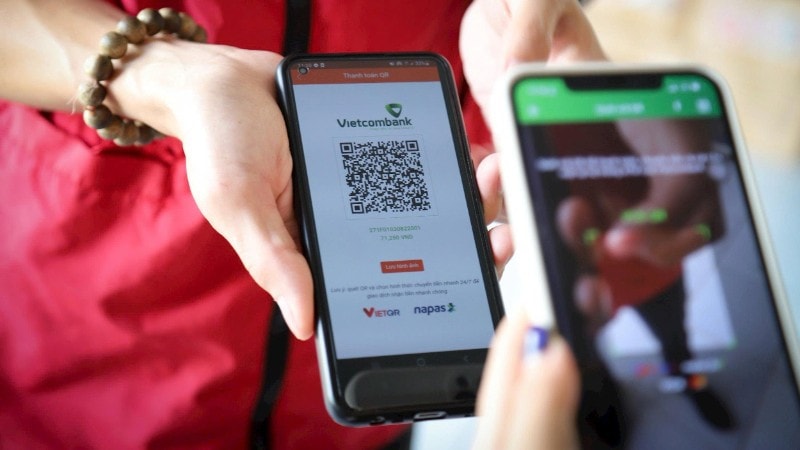
According to Mr. Vu Ngoc Son, financial institutions and businesses need to take decisive action. Firstly, they should urgently update and patch software vulnerabilities. Secondly, they should implement multi-factor authentication (MFA), adding an extra layer of security beyond passwords. Thirdly, they should build AI-powered systems to monitor unusual transactions and proactively detect and prevent fraudulent activities. Fourthly, they should regularly audit and assess the security of partners and third parties in the supply chain.
However, the final and most important layer of protection still lies with the user themselves; each individual needs to raise awareness and equip themselves with self-protection skills.
Many experts believe that the sustainable development of cross-border digital payments will depend on the ability to build a robust security system. Only when personal data is securely protected and user trust is strengthened can Vietnam create a solid foundation for the comprehensive expansion and development of its digital economy.
PV (compiled)Source: https://baohaiphong.vn/tang-cuong-bao-ve-du-lieu-giao-dich-thanh-toan-xuyen-bien-gioi-520757.html


![[Image] Central Party Office summarizes work in 2025](/_next/image?url=https%3A%2F%2Fvphoto.vietnam.vn%2Fthumb%2F1200x675%2Fvietnam%2Fresource%2FIMAGE%2F2025%2F12%2F18%2F1766065572073_vptw-hoi-nghi-tong-ket-89-1204-jpg.webp&w=3840&q=75)

























































































Comment (0)