

Binh Thuan province has a long coastline, considered to have great potential for promoting the development of the fisheries economy. Thanks to its geographical and natural conditions, it has created many diverse and abundant aquatic ecosystems. Due to the abundance and variety of products, the province's seafood products have high competitiveness in both domestic and export markets.
Abundant and diverse aquatic resources.
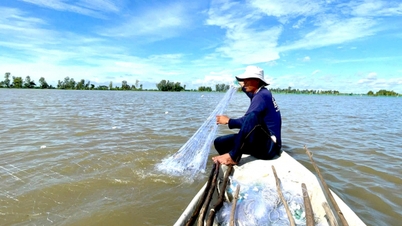
Binh Thuan's aquatic resources are known for their rich diversity, ranking among the three largest fishing grounds in the country. The province's coastal areas are also home to several economically valuable bivalve mollusk species such as: fan scallops, hairy clams, abalone, silk clams, and mussels… these are species rarely found in other coastal areas of Vietnam. The abundance of Binh Thuan's aquatic resources is linked to the characteristic "upwelling" phenomenon in the South Central coastal region, which positively impacts the habitat of many species, concentrating many tropical marine species and creating a rich marine ecosystem. Binh Thuan has 7 coastal and island districts, towns, and cities, with 36 communes, wards, and townships bordering the sea. Many localities have long-standing fishing industries and possess strengths in the province's fisheries sector based on geographical advantages, natural conditions, resource potential, and traditional factors, including key industries and products such as seafood exploitation, especially offshore fishing, and fisheries logistics services, processing of frozen and dried seafood, fish sauce, and the breeding and production of high-quality shrimp and marine fish fry. Besides favorable fishing grounds, Binh Thuan also has ports and wharves that serve as storm shelters for fishing vessels, becoming hubs for logistics services, attracting vessels from within and outside the province to gather and sell products, creating a source of raw materials for processing, supplying materials and fuel for exploitation, and increasing offshore fishing capacity. In particular, seafood exploitation continues to affirm its importance as a key economic sector in coastal and island localities and accounts for a large proportion of the total value of the fisheries industry. Seafood exploitation has provided employment for a large number of coastal workers, creating the main source of income for tens of thousands of fishing households, supplying raw materials for processing, and providing valuable food for tourists. In particular, shrimp seed production is considered a prominent advantage of the province, becoming a major shrimp seed supply center for the region and the country, with its reputation and seed quality gradually being affirmed.
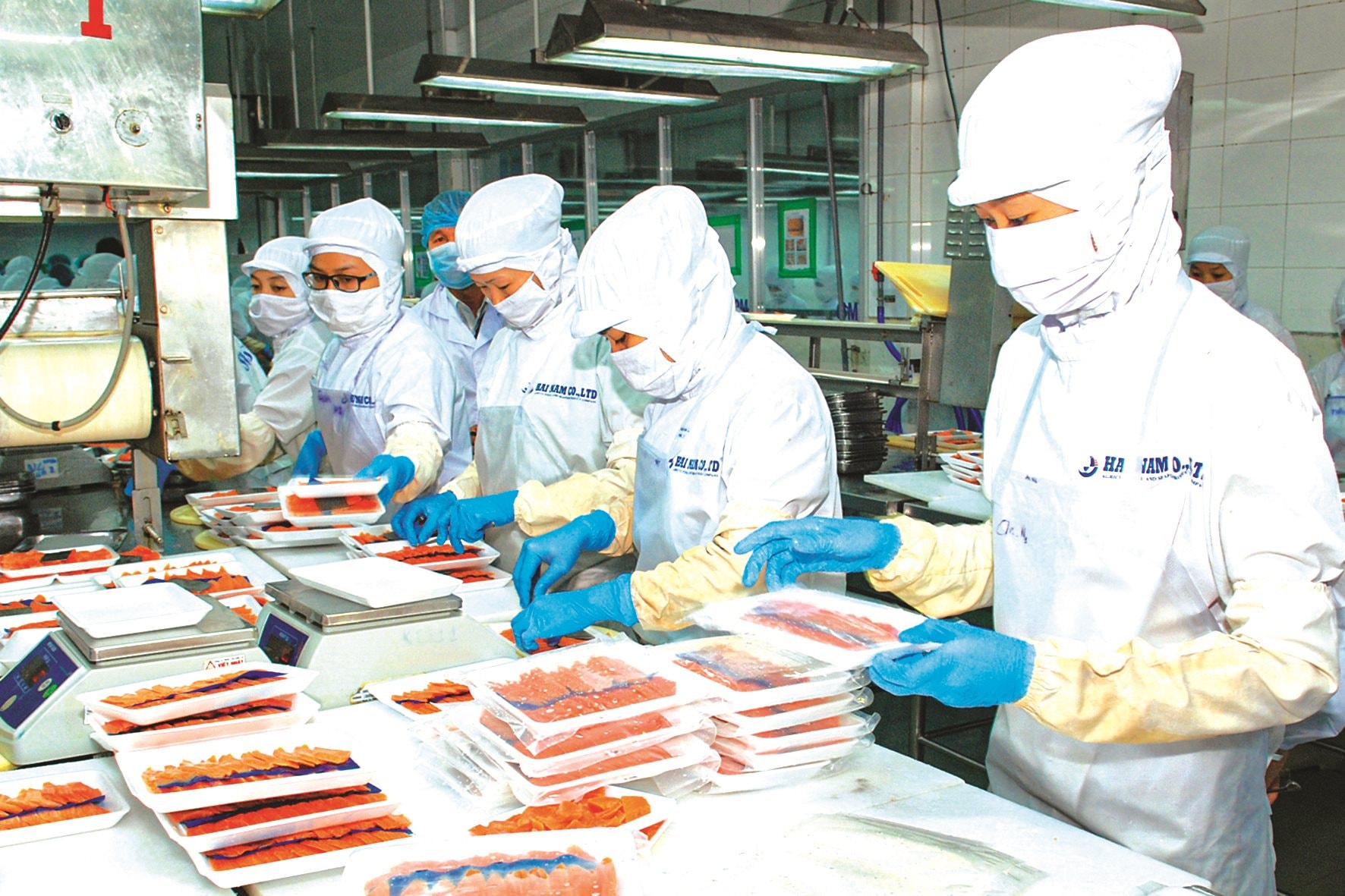
Creating a source of raw materials for seafood processing.
With its potential and advantages from abundant marine resources, the province's seafood processing industry is currently developing rapidly and becoming one of the important economic sectors with large-scale production. Accordingly, seafood exports play a crucial role in the province's economy, contributing significantly to the overall economy and logistics services. The current supply of raw materials for seafood processing in the province meets the needs and processing capacity of both domestic and export markets, including seafood from both fishing and aquaculture.
To create a source of raw materials for processing from seafood exploitation, the Provincial People's Committee stated that it will reorganize production in fisheries, develop modern offshore fishing linked with maritime logistics services, and increase the proportion of offshore seafood in the total catch. At the same time, it will rationally arrange and maintain the number of fishing vessels and the catch volume in inshore and coastal areas, in accordance with the characteristics of the resources and exploitation capacity, including specialty seafood species such as squid, shrimp, and bivalve mollusks. Promote the application of science and technology in fishing, especially in seafood preservation technology, aiming to reduce post-harvest losses to below 10% by 2030. Simultaneously, strengthen investment, upgrade, and improve the infrastructure of fishing ports in the province, enhance the quality of services for receiving, preserving, ensuring food safety, and promoting the trade of harvested products to strongly attract fishing vessels from other provinces to gather and consume seafood, forming seafood raw material supply centers through fishing ports in Phan Thiet, Tuy Phong, La Gi, and Phu Quy. Organize value chain linkages with seafood processing enterprises as the core, and the components in the chain including groups, teams, fishermen directly involved in fishing, and purchasing facilities at fishing ports to ensure a harmonious balance of interests among all components in the chain, facilitating the traceability of legally harvested seafood in accordance with regulations...
Furthermore, investment and development of standardized cold storage systems for preserving raw materials should be linked to the infrastructure of fishing ports and industrial zones in key fishing areas. In particular, creating a source of raw materials from aquaculture is crucial, thereby promoting the application of technology in aquaculture, developing key species, and improving productivity and quality, especially for shrimp and other species raised for processing. Pilot models of linkages between processing enterprises and organizations/individuals engaged in industrial marine farming should be implemented to create a source of raw materials according to processing needs, ensuring quality and food safety. In addition, encouragement and favorable conditions should be created for seafood processing enterprises in the province, especially large-scale processing and export enterprises, to import raw materials to process products that meet domestic and export consumption needs, ensuring compliance with domestic and international regulations, and preventing origin fraud and trade fraud.
Source: https://baobinhthuan.com.vn/tao-nguon-va-kiem-soat-nguyen-lieu-che-bien-hai-san-120215.html
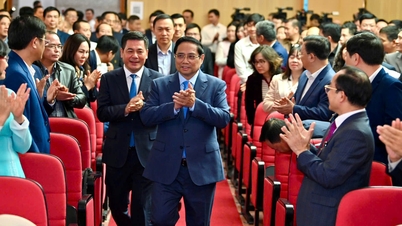
![[Photo] Prime Minister Pham Minh Chinh attends the Conference on the Implementation of Tasks for 2026 of the Industry and Trade Sector](/_next/image?url=https%3A%2F%2Fvphoto.vietnam.vn%2Fthumb%2F1200x675%2Fvietnam%2Fresource%2FIMAGE%2F2025%2F12%2F19%2F1766159500458_ndo_br_shared31-jpg.webp&w=3840&q=75)





























































Comment (0)