

 |
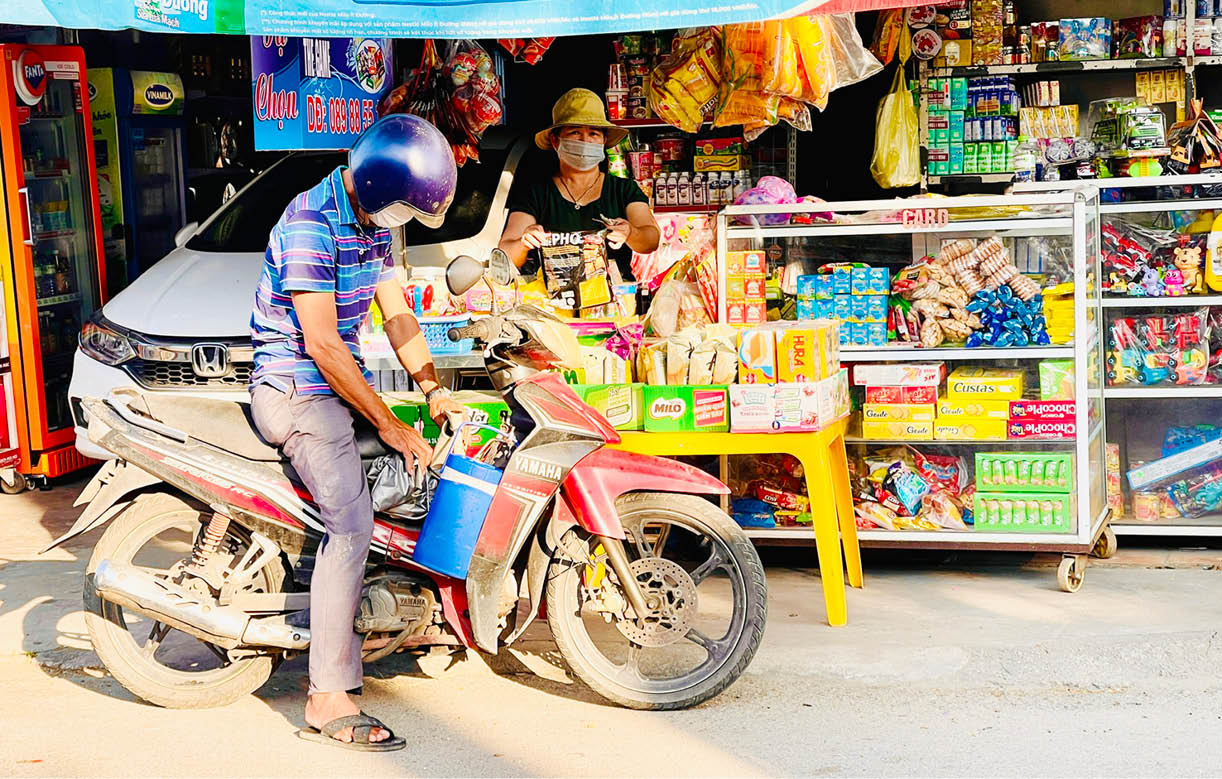
| Grocery stores are places that meet all the consumer needs of the people. |
I vividly remember the day I walked past a small alley on Nguyen Thai Hoc Street, Thuan Hoa District ( Hue City), and saw the owner of a small grocery store hunched over, arranging bottles of cooking oil in front of her shop. It was a scorching midday sun, yet she still kept her counter open, her hands trembling, a smile on her face when someone called to buy a carton of milk. It was a tiny shop, with no sign and no air conditioning, but customers still came and went.
That wasn't the only store I'd ever visited. Near my house, along a stretch of road just a few dozen meters long, there were four grocery stores, and strangely enough, they were all packed with customers. The owners might not be familiar with terms like "retail chain" or "modern business model," but they knew which family had a memorial service today, who had just been discharged from the hospital, or who needed to buy on credit because their salary was late this month. They sold goods using their memory and trust—an intangible asset that no software could manage.
In recent years, convenience store chains have become increasingly prevalent in Hue. From the city center to the suburbs, you can find mini-supermarkets everywhere… with cool air conditioning, fixed prices, and weekly promotions. Young people and young families frequent these places, shopping quickly and paying via QR code. But I've also noticed something: these places often lack a sense of belonging. No one remembers your face, no one calls you by name. And especially, you can't buy on credit or text via Zalo, "Sister, please reserve one bottle of cooking oil and two packets of instant noodles for me; my husband will pick them up later." That might seem insignificant, but for street vendors, factory workers, and housewives, it represents a silent support network.
I once witnessed an elderly woman buying a bar of soap at the convenience store at the end of the street, having forgotten her money. The store owner simply said, "Your son can pay when he gets home." The remark was so casual, as if no verification or record-keeping was needed. That would be unthinkable in a mini-supermarket.
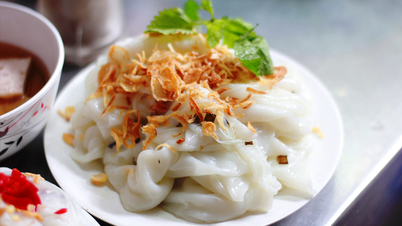
The grocery stores in Hue are not just places for buying and selling. They are a meeting point of life and community spirit. They are places where you can leave your keys, ask someone to hold your packages for delivery, or simply ask, "Excuse me, do you have grilled rice paper?" People go there not just for the goods, but for the understanding they offer.
Of course, in the current climate, not every store can retain its customers. Some cling to old-fashioned methods: dusty, messy, with no regard for hygiene or organization. Some items may even be past their expiration date. And then they lose customers. But many others have changed and achieved better results.
Ms. Nga, who owns a convenience store on Hoang Quoc Viet Street, An Dong Ward, Thuan Hoa District (Hue City), showed me her phone with a list of nearly 30 Zalo customers. She takes orders, provides price quotes, and even livestreams selling snacks on weekends. "No need for a big fuss, just a few students around here watching is enough fun," she said. I was moved to hear that, because that's how convenience stores are learning to avoid being left behind.
I believe that with the right support programs, such as training on how to use simple technology, installing security cameras, and guiding inventory management using Excel, traditional grocery stores will not only survive but also thrive. Indeed, this has been implemented by relevant agencies to support small traders in traditional markets.
I'm not against convenience stores. They're necessary for a developing city, helping to make consumption transparent, modern, and traceable. But I also don't want grocery stores to disappear. Because if one day we're left with only cold counters and computer-printed receipts, what will preserve the human connection in the city?
Every time I came home late from work, I would still stop by Mrs. Gai's grocery store at the end of the street to buy a carton of milk, sometimes a packet of biscuits for my child. Mrs. Gai still remembered my name and would ask, "What grade is your child in?" I would pay, nod in thanks, and feel a sense of relief after a stressful day.
Though small and unassuming, grocery stores hold a piece of our everyday memories. And as long as customers still need them, they will continue to keep their lights on.
Source: https://huengaynay.vn/kinh-te/tap-hoa-dau-ngo-van-sang-den-153978.html
![[Photo] General Secretary To Lam presides over a thematic session on strategic technology.](https://vphoto.vietnam.vn/thumb/1200x675/vietnam/resource/IMAGE/2026/03/18/1773838586650_anh-1-bnd-1822-7089-jpg.webp)
![[Photo] Prime Minister Pham Minh Chinh holds a phone call with Algerian Prime Minister Sifi Ghrieb](https://vphoto.vietnam.vn/thumb/1200x675/vietnam/resource/IMAGE/2026/03/18/1773849689752_ndo_br_dsc-9609-jpg.webp)






































































Comment (0)