

Hue royal cuisine is considered the pinnacle of Vietnamese culinary art, reaching its most brilliant and refined form during the Nguyen dynasty, the last feudal dynasty of the country.
Beyond simply being dishes prepared to serve kings and royalty, court cuisine also embodies a profound philosophy of life, reflecting the harmony between humanity, nature, and the universe, while simultaneously reflecting the aesthetic standards and ideology of the ancients.
1. History of formation and development
When discussing the origins of Hue's royal cuisine, we see that this culinary culture was influenced by many different communities during the period of territorial expansion and land reclamation. It inherited Northern cuisine from the Ly Dynasty in 1069, the Le Dynasty in 1306, and notably, from 1558, when the Nguyen Lords and their entourage took control of Thuan Hoa. From then on, Hue cuisine incorporated cooking methods from the South during the reign of Emperor Gia Long. The dishes in Hue's royal cuisine are also richer due to the unique and distinctive characteristics of ancient Champa cuisine.
The dishes in Hue were all presented to the emperor by envoys after their diplomatic missions. Those dishes that were particularly outstanding were added to the list and passed down through generations. Thanks to this, Hue's royal cuisine is incredibly diverse and rich.
Hue royal cuisine was created to serve the nutritional and medicinal needs of the emperors and empresses – those who required meticulous health care.
Moreover, royal cuisine was a symbol that affirmed the majesty, nobility, and clear distinction between the royal family and the common people.
Furthermore, each dish in the imperial palace also carries the mark of exquisite artistry, reflecting the profound cultural depth characteristic of the capital city, renowned for its sophistication, aesthetics, and richness in all aspects of life.
2. Outstanding characteristics of Hue royal cuisine
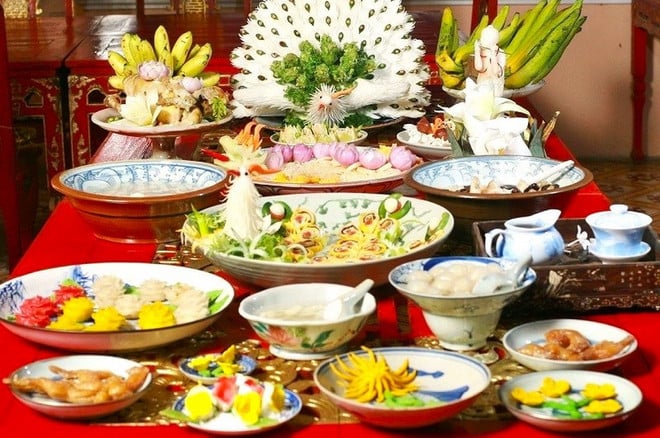
There are many rules, regulations, and rituals established in imperial cuisine, from the selection of ingredients and cooking methods to table setting, serving, and even the type of tableware.
The meticulous and sophisticated preparation
A prominent characteristic of Hue royal cuisine lies in its meticulousness and sophistication in every step of the preparation process. This type of cuisine does not tolerate carelessness or sloppiness, but instead demands focus and attention to detail. Royal dishes typically undergo elaborate preparation stages such as:
- Selection of exceptional ingredients: The ingredients used must be fresh, delicious, and rare, including items such as abalone, shark fin, bird's nest, peacock meatballs, and phoenix-shaped sausage, bringing a unique and high-class touch to the dish.
- Meticulous preparation: The preparation process not only requires skill but also aesthetic appeal. From slicing ingredients and adjusting seasonings to shaping the dish, every step is done to create creations that are not only delicious but also visually stunning, like true works of art.
- Nutritional value: More than just food, each dish is considered a remedy based on the principles of yin-yang and the five elements in traditional medicine. This not only helps to nourish the body but also contributes to longevity, clearly demonstrating the role of cuisine in holistic health care.
A blend of art and aesthetics
The dishes are not only prepared to please the taste buds but also possess the beauty of a work of art, where everything from ingredients and colors to presentation is meticulously cared for.
In royal cuisine, colors are often skillfully combined according to the seasons and the principles of the five elements (metal, wood, water, fire, earth), creating a harmonious balance both visually and in terms of feng shui.
Beyond just flavor, the presentation of Hue's royal cuisine has also been elevated to an art form. Even the smallest details, such as the intricately carved fruits or the arrangement of dishes in exquisite utensils like jade bowls and porcelain plates adorned with dragon and phoenix motifs, contribute to highlighting its luxurious beauty.
Accompanying this were exquisitely crafted eating utensils such as ivory bowls, jade chopsticks, and inlaid bronze trays, showcasing the elegance and royal status.
Elegant and refined flavor
Hue's royal cuisine is characterized by its gentle, distinct style, contrasting sharply with the rich flavors often found in folk dishes. It favors delicate flavors, emphasizing purity with minimal oil and fat, and avoiding excessive sweetness or saltiness. Each dish exudes a subtle elegance yet possesses profound depth, reflecting the culture and lifestyle of the gentry and intellectual classes of society.
Rules and etiquette are required.
The distinctive features of Hue's royal cuisine reflect the sophistication and meticulousness in every detail. Preparing food to offer to the emperor required strict adherence to rituals, from the order of dishes and serving times to the perfect arrangement of the feast. Sometimes, the meal had to be prepared from the early morning to be served at an auspicious time according to the lunar calendar.
Dishes at a banquet are usually divided into three main groups: Appetizers (including light savory dishes such as salads and spring rolls), Main Courses (meat, fish, soup), and Desserts (sweet soups, cakes, and rare fruits).
3. Some typical dishes in Hue royal cuisine
Hue's royal cuisine is renowned for its sophistication and meticulous preparation, reflecting the rich culture and history of the Nguyen Dynasty. Some of the signature dishes below are symbols of the luxury and unique artistry of this region:
Nem cong, cha phuong
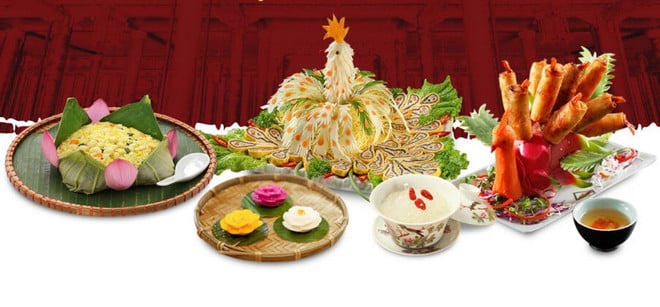
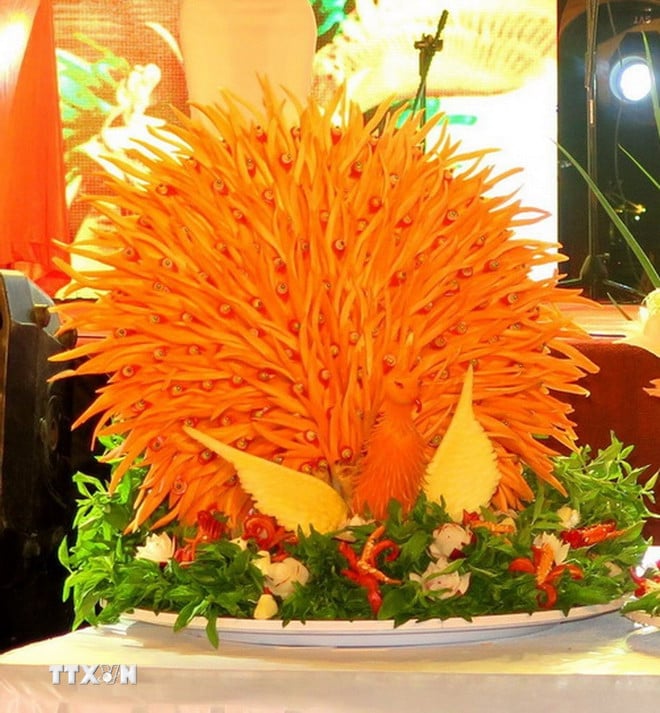
Peacock spring rolls and phoenix patties are two dishes that represent power and nobility in royal court cuisine. In ancient times, the images of peacocks and phoenixes were only associated with the royal setting, symbolizing luxury and elegance.
Nowadays, although the ingredients have been replaced with chicken and pork to suit modern conditions, the meticulous spirit and beauty in the presentation are still preserved, recreating a unique flavor of Hue's royal cuisine. Royal cakes
Royal-style cakes are a captivating highlight. Cakes like茯苓 (Fu Ling cake), 麒麟 (Wu Se cake), and 两人 (Husband and Wife cake) are not only appealing in taste but also make a strong impression with their elaborate and beautiful appearance.
The five-colored cakes symbolize the five elements (metal, wood, water, fire, earth), while the茯苓 (Fu Ling) cakes with dragon and phoenix motifs evoke majesty and elegance. These types of cakes often appear in important royal ceremonies, associated with symbolism and traditional values.
(Photo: Tuong Vi/VNA)
Royal Rice
Hue's royal cuisine is renowned for its sophistication, meticulousness, and profound cultural traditions, most notably the special dishes associated with the royal meal, also known as the king's meal. This is an extremely elaborate culinary experience, usually comprising many different dishes, each presented in blue-glazed porcelain bowls and plates, a material characteristic of the Hue royal style.
Royal rice is not just a meal; it also embodies a philosophy of simplicity and refinement in each dish.
The dishes in a typical meal include steamed fish wrapped in lotus leaves – a dish that retains the natural flavor of the ingredients while having a subtle, delicate aroma of lotus leaves; fermented shrimp – a prominent specialty with a harmonious sweet and sour taste; fresh vegetables served with authentic fermented shrimp paste; lotus seed soup – a refreshing soup made from fragrant lotus seeds; and braised pork – a traditional dish rich in flavor and nutrients.
Each dish in the royal banquet clearly demonstrates elegance through meticulous preparation and careful presentation. This fully reflects the cultural values, aesthetics, and culinary essence of Hue's imperial court. All these elements combine to create a unique culinary experience, both familiar and noble, showcasing the care and respect for traditional beauty.
bird's nest
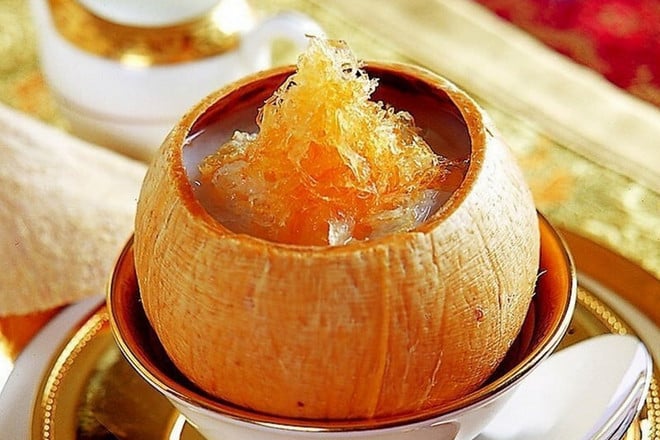
For a long time, bird's nest has been considered a precious and luxurious ingredient. During the feudal era, bird's nest was often used to prepare exquisite dishes, offered to the emperor at solemn royal banquets. This ingredient can be processed into many attractive dishes such as bird's nest soup, bird's nest stewed with pigeon meat, or bird's nest dessert, offering unique flavors and exceptional nutritional value.
Tea
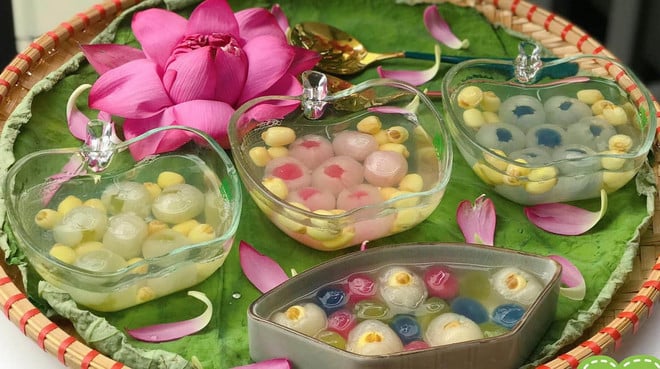
One of the distinctive features of Hue's royal cuisine is its richness, diversity, and sophistication in each dish, with sweet soups being a prime example, showcasing a refined yet artistic essence.
Hue royal tea is not simply a type of dessert, but also a symbol of culinary art, elevated with more than 36 different varieties, each with its own unique characteristics and preserving fascinating stories associated with royal court culture.
Among renowned types of sweet soups, lotus seed and longan sweet soup is highly regarded for its perfect combination of the refreshing sweetness of longan and the delicate aroma of lotus seeds, providing a light and relaxing sensation. Royal bean sweet soup, on the other hand, stands out for its elegance and nutritional value, meticulously prepared to preserve the rich, creamy texture and vibrant color of the beans.
In particular, the tapioca pearl dessert with roasted pork filling is a unique creation, blending the softness of the tapioca pearl wrapper with the savory filling of roasted pork, creating an interesting yet harmonious contrast in every bite.
More than just dishes to be enjoyed, each type of sweet soup in Hue's royal cuisine carries the essence of traditional stories and historical landmarks of the ancient dynasty. Each time you savor a sweet soup, it's not just about experiencing the delicious flavors, but also about embarking on a journey to explore the profound culture of the royal court.
Currently, many restaurants, hotels, and tour programs in Hue have recreated royal banquets to introduce them to domestic and international tourists. This is an important step in promoting the essence of royal cuisine to the world; combining tourism, culture, and cuisine, enhancing the value of Hue tourism; and preserving national identity in the face of globalization.
(Vietnam+)
Source: https://www.vietnamplus.vn/am-thuc-cung-dinh-hue-tinh-hoa-van-hoa-viet-trong-tung-mon-an-post1050563.vnp





























































Comment (0)