

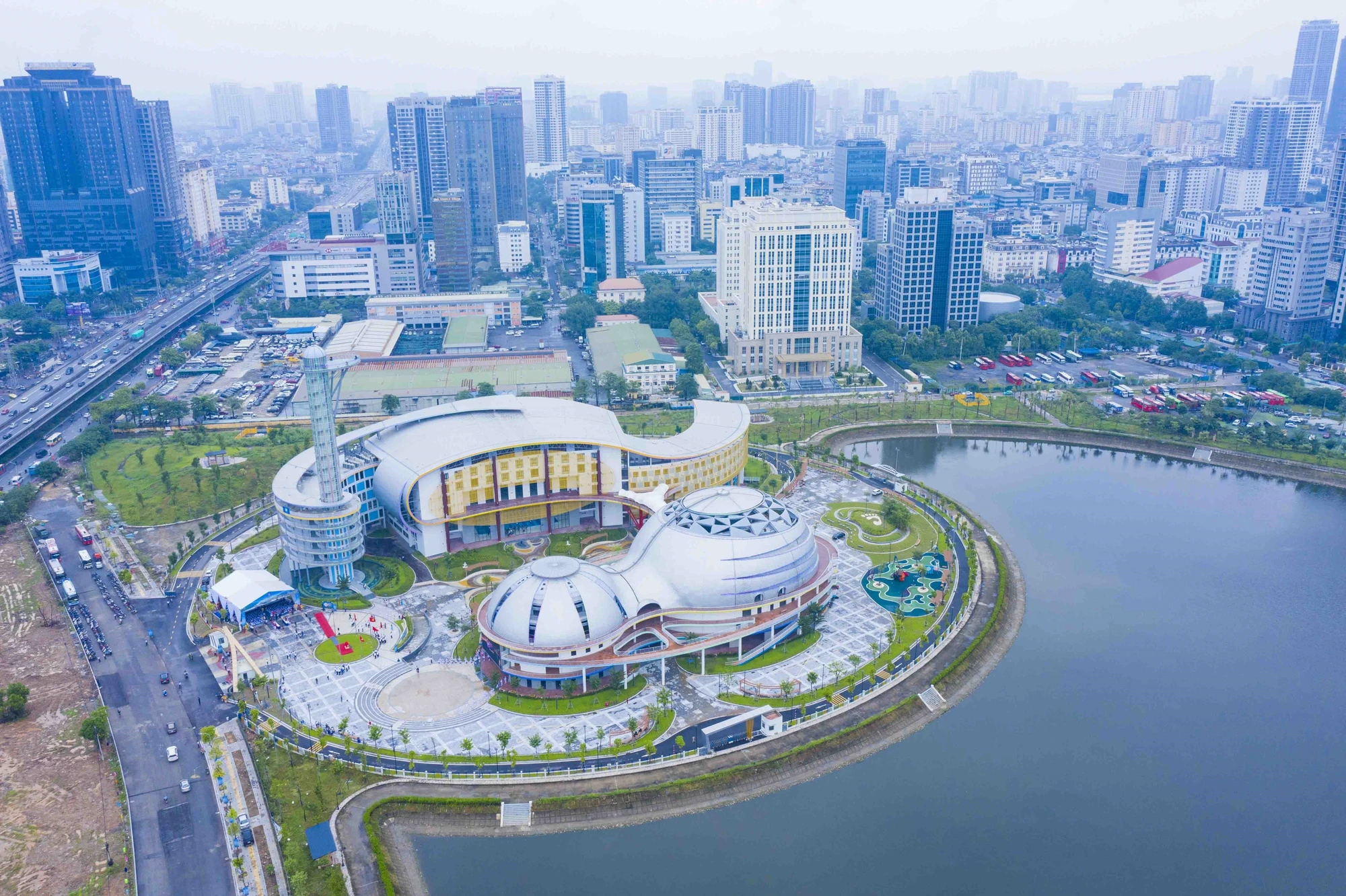
Hanoi is the repository of the sacred spirit of the land and mountains, and the glorious history of the nation. Through many ups and downs, this capital city, with its thousand-year-old cultural heritage, has always maintained its resilient and indomitable spirit, rightfully earning its title as the "Heroic Capital."
Today, Hanoi not only inherits valuable heritage but is also strongly developing itself into an important political , cultural, and economic center of the country, contributing to the nation's prosperity.
With its strategically important location, the history of Thang Long-Hanoi has always been intertwined with the history of the nation. From the "Decree on Relocating the Capital" of King Ly Thai To in 1010 to the present day, Thang Long-Hanoi has witnessed countless historical changes. The people and soldiers of Hanoi, generation after generation, have diligently worked, bravely fought, and created a glorious civilization, achieving many brilliant victories that will be remembered for generations to come.
For nearly a century, under the oppressive and exploitative yoke of the feudal colonial regime, Hanoi served as both the cradle and the witness to countless patriotic and revolutionary movements.
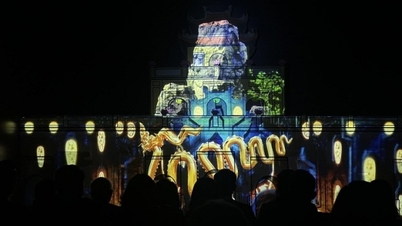
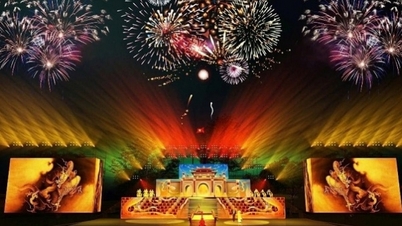
In 1010, King Ly Thai To decided to move the capital to Thang Long. With the aspiration and spirit of "the dragon soaring," for the next eight centuries (from the 10th to the 19th century), Thang Long was the pride of the nation, the birthplace and gathering place of countless national heroes and cultural figures; a place that bore witness to battles and victories against foreign invaders with immortal landmarks: Co Loa, Ham Tu, Chuong Duong, Ngoc Hoi, Dong Da… and immortal figures: Ly Thuong Kiet, Chu Van An, Nguyen Trai, Ngo Thi Nham, Nguyen Van Sieu, Cao Ba Quat, Nguyen Du, Ho Xuan Huong…
By the early 19th century, the Nguyen dynasty, with its capital in Hue , renamed Thang Long to Hanoi. From the mid-19th century, Hanoi, along with the rest of the country, rose up against the French colonial invaders.
For nearly a century, under the oppressive and exploitative yoke of the feudal colonial regime, Hanoi served as both the cradle and the witness to countless patriotic and revolutionary movements.
The first organization of the Revolutionary Youth Association, the first communist cell, was also established in Hanoi. Many revolutionary movements and uprisings also originated in the capital.
On August 19, 1945, the August Revolution achieved complete victory in Hanoi and quickly spread throughout the country, strongly encouraging and motivating the people nationwide to rise up in rebellion to seize power.
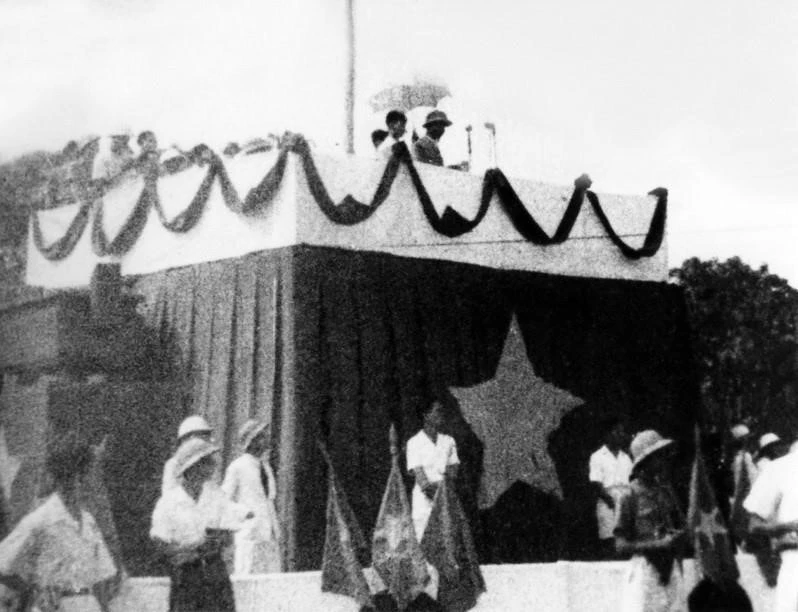
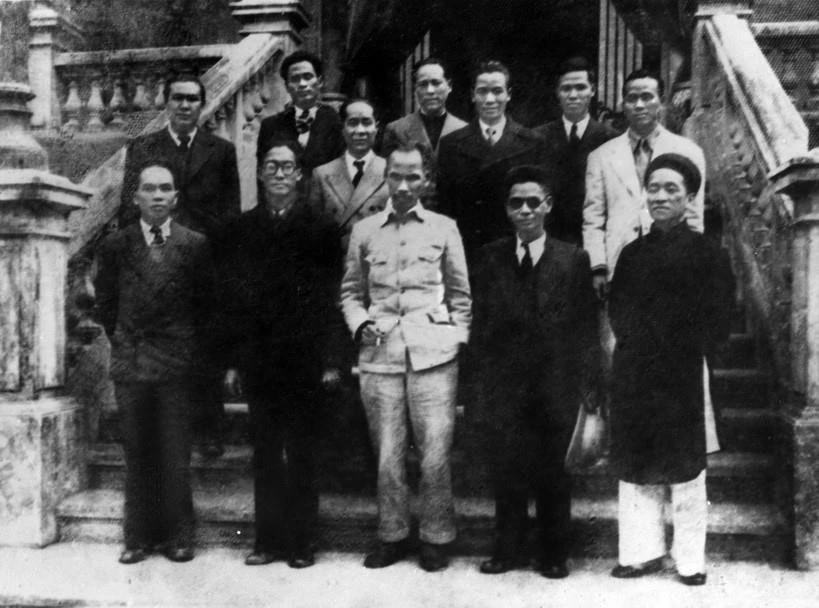
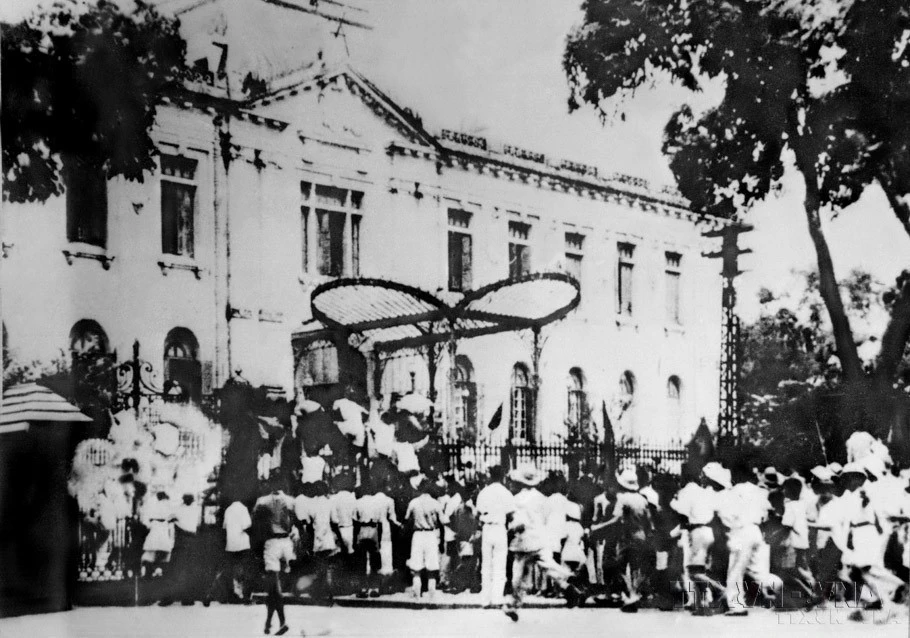
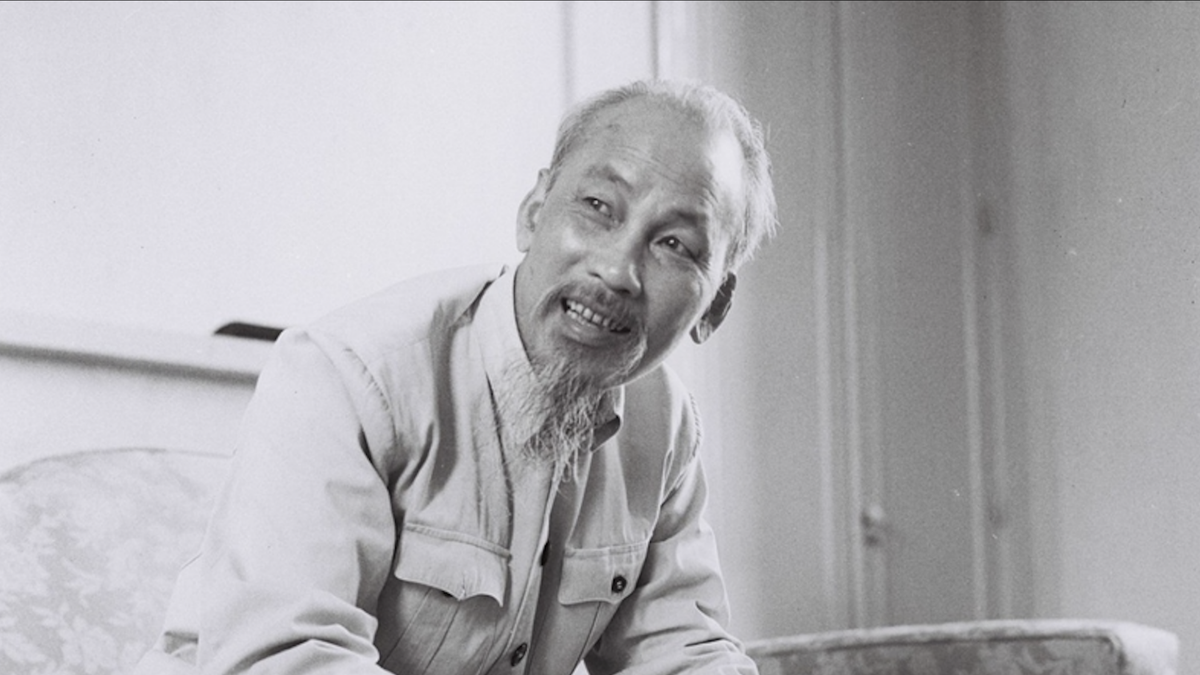
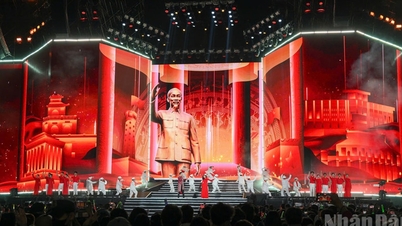
On the morning of September 2, 1945, at the historic Ba Dinh Square, President Ho Chi Minh read the Declaration of Independence, giving birth to the Democratic Republic of Vietnam, affirming before the Vietnamese people and the whole world: “Vietnam has the right to enjoy freedom and independence, and in reality has become a free and independent nation. The entire Vietnamese people are determined to dedicate all their spirit and strength, lives and property to uphold that right to freedom and independence.” (Photo: VNA)
On September 2, 1945, at Ba Dinh Square, President Ho Chi Minh read the Declaration of Independence, giving birth to the Democratic Republic of Vietnam and ushering in a new era – the era of independence, freedom, and socialism in our country.
However, less than a month after the establishment of the Democratic Republic of Vietnam, the French colonialists, with their ambition to seize our country, once again provoked conflict and launched a nationwide war.
Responding to President Ho Chi Minh's sacred call, "We would rather sacrifice everything than lose our country, than be enslaved," Hanoi rose up en masse against the enemy, seizing the initiative in the resistance war. The first shot fired from the Lang fortress at the enemy camp (December 19, 1946) became the signal that began the nation's sacred resistance war.
With the spirit of "Fighting to the death for the survival of the Fatherland," the army and people of Hanoi fought tenaciously and bravely, transforming every street corner and every house into a fortress, every citizen into a soldier, holding their ground and battling the enemy for 60 days and nights of intense fighting. Many suicide squads were formed, and the "Capital Regiment" was established. Thousands of sons and daughters of Military Region I fought heroically, many falling to defend the capital, to hold back and deplete the enemy's strength, creating conditions for the resistance forces to withdraw to safe bases, and successfully completing the tasks assigned by the Central Committee.
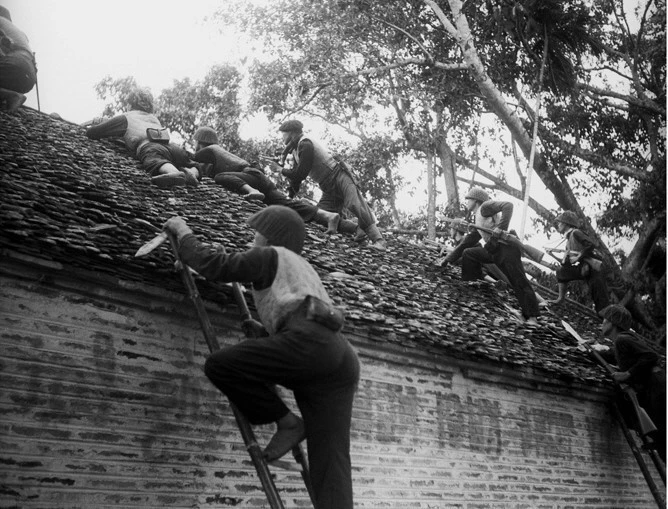
After nearly nine years, unable to withstand the tenacious fighting of our army and people, especially after our decisive victory at Dien Bien Phu, the French colonialists were forced to sit down at the negotiating table and sign the Geneva Accords (July 21, 1954), recognizing the independence, sovereignty, and territorial integrity of the three countries of Vietnam, Laos, and Cambodia, and withdrawing their troops from North Vietnam.
According to the Geneva Accords, Hanoi was located within the enemy's 80-day troop concentration zone. Taking advantage of this period, the French army relentlessly organized sabotage activities against the capital in every way.
In the face of the new situation, the Hanoi Party Committee and government relied on the people, leading the people of the capital to unite in the struggle to demand the implementation of the Agreement, protect the city, protect factories, offices, the lives and property of the people, protect the rights of workers and employees, and counter enemy sabotage; at the same time, they promoted the development of revolutionary forces in the city, coordinating with forces returning from the war zones to take over the capital.
At exactly 4 PM on October 9, 1954, the last French colonial soldiers withdrew across the Long Bien Bridge, and our army and people completely took control of the city. On October 10, 1954, tens of thousands of Hanoi residents erupted in joy as they welcomed the victorious army returning to take over the capital. Hundreds of thousands of Hanoi residents attended the flag-raising ceremony organized by the Military-Political Committee at the Flagpole Stadium, with the participation of various army units.
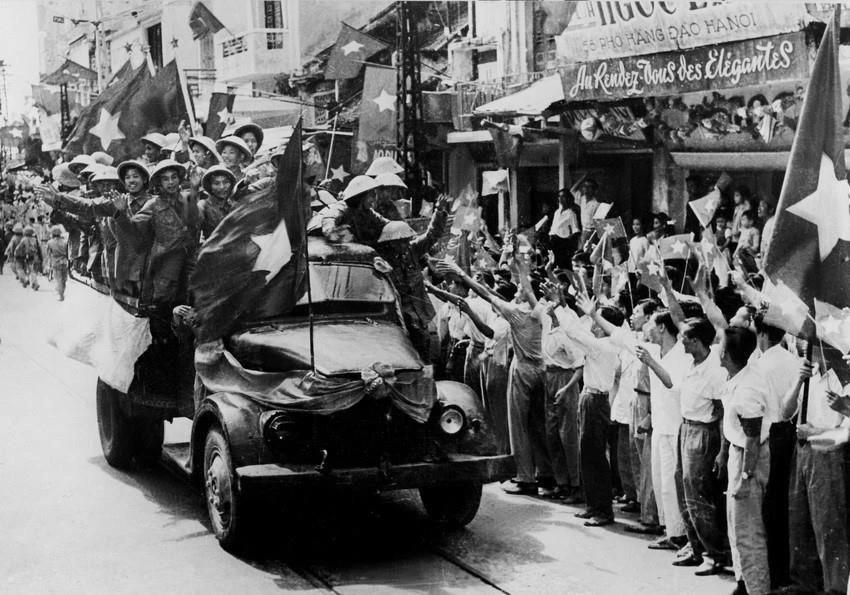
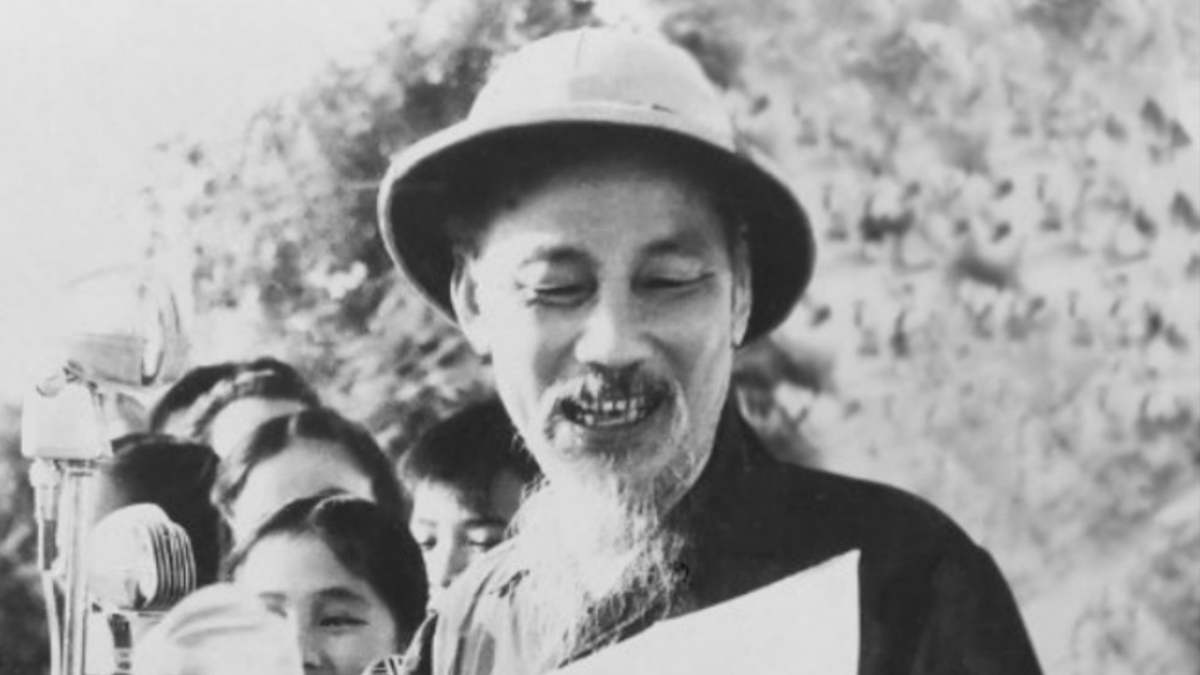
Following the flag-raising ceremony, Chairman of the Military-Political Committee Vuong Thua Vu respectfully read President Ho Chi Minh's appeal to the people of the capital on the occasion of liberation day.
In his appeal, Uncle Ho wrote: “For the past eight years, the Government had to leave the capital to wage the war of resistance to save the country. Although we were far apart, the Government's heart was always close to our people. Today, thanks to the unity of our people and the heroic fighting of our army, peace has triumphed, and the Government has returned to the capital to be with our people. Though thousands of miles apart, we are one family; our joy is immeasurable!”
President Ho Chi Minh further emphasized: “After the great transformation, restoring normal life will be complex and difficult. But with the Government's determination and the unanimous support of all the people of Hanoi, we will certainly overcome all difficulties and achieve our common goal: to make Hanoi a peaceful, joyful, and prosperous capital.”
Immediately after taking over the capital, the Hanoi Party Committee and government led the people in quickly stabilizing the situation and beginning the restoration and renovation of the city.
Just over a month after liberation, the city had approved a plan for the restoration of industry and commerce, and a year later it had completed land reform, a fundamental strategic task of the national democratic revolution…
By 1965, Hanoi had become a major industrial center of North Vietnam. Cultural and educational activities flourished, and the people's lives improved.
In early 1965, as the first five-year plan was in its final months, the US imperialists expanded their bombing campaign to North Vietnam. Hanoi quickly transitioned to wartime and achieved a remarkable feat.
During the 12 days and nights at the end of December 1972, the US imperialists used B52 aircraft to carpet bomb Hanoi and many other provinces and cities.
Hanoi, along with other branches of the armed forces and provinces and cities, organized combat forces and completely defeated the strategic air attack by the US imperialists, creating the miracle of "Dien Bien Phu in the air."
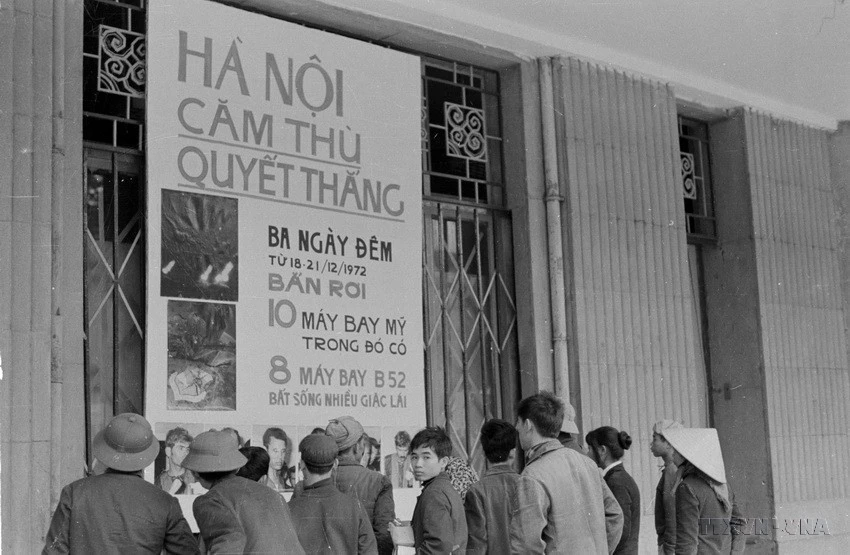
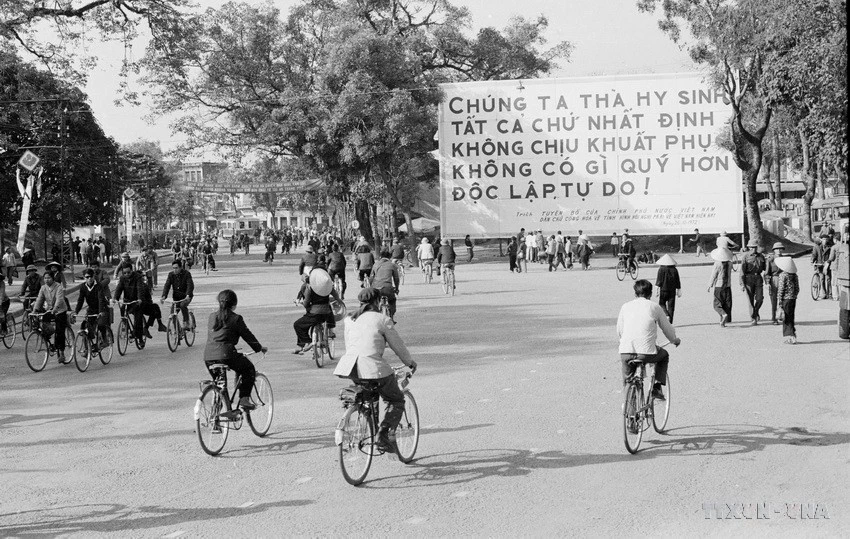
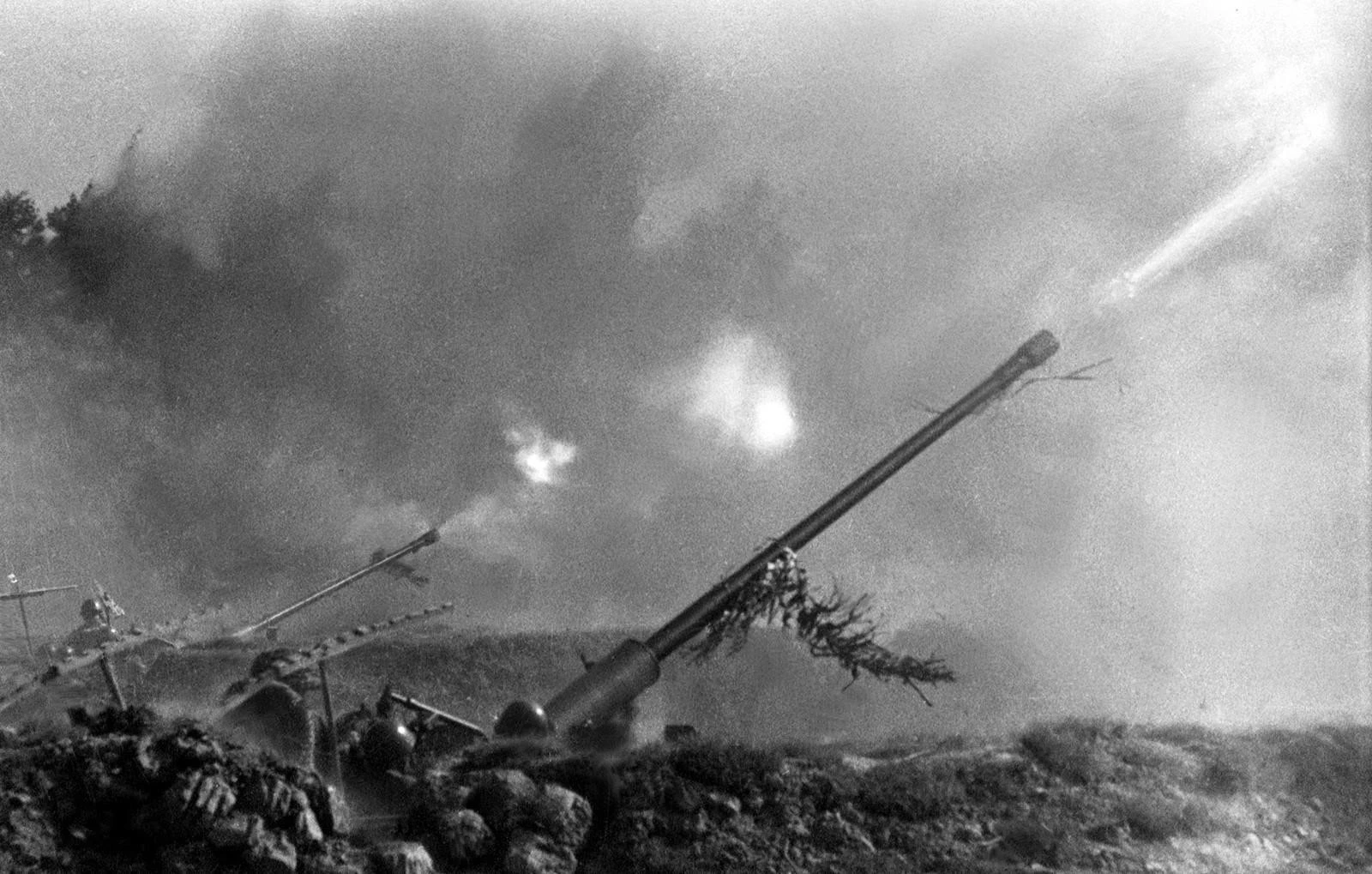
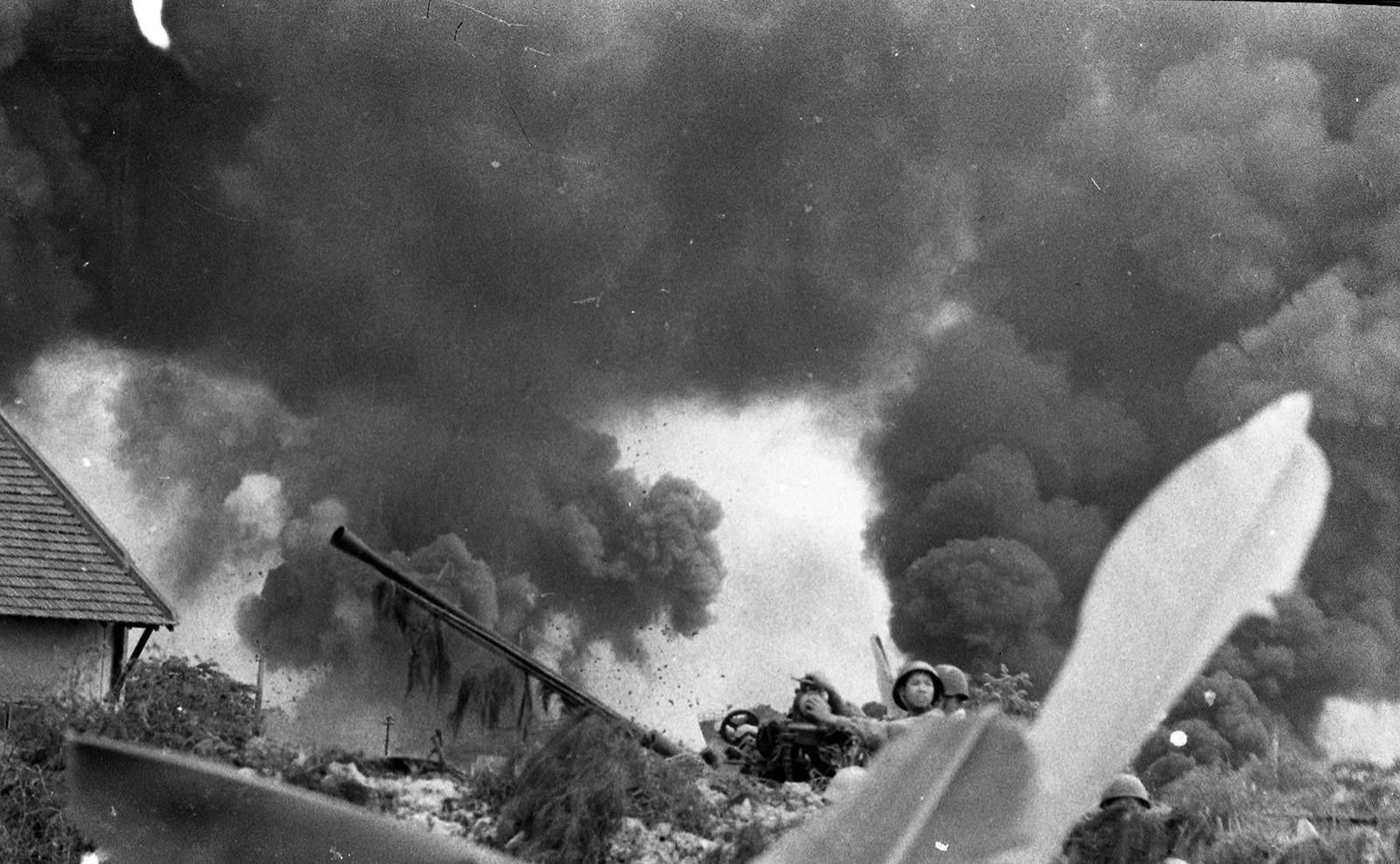
Hanoi's air defense forces created a network of fire over the capital's skies, shooting down many American planes during the 12-day and 12-night battle in December 1972. (Photo: VNA)
The victory in the "Dien Bien Phu in the Air" played a crucial role in creating a historical turning point, fundamentally changing the course of the resistance war against the US, forcing the US government to sign the Paris Agreement, ending the war, restoring peace in Vietnam, and leading to the liberation of the South and the reunification of the country.
Entering the period of reform from 1986 to the present, Hanoi has turned a new page. The capital city of Hanoi has not only changed its appearance with a series of high-rise buildings and modern shopping centers, but has also undergone a strong transformation in its socio-economic aspects.
Amidst nationwide difficulties and a slowdown in economic growth in many localities, Hanoi has maintained sustained growth, with a GRDP increase of 6.27% (in 2023), higher than the national average (5.05%). People's incomes continue to improve, averaging 150 million VND per person per year.
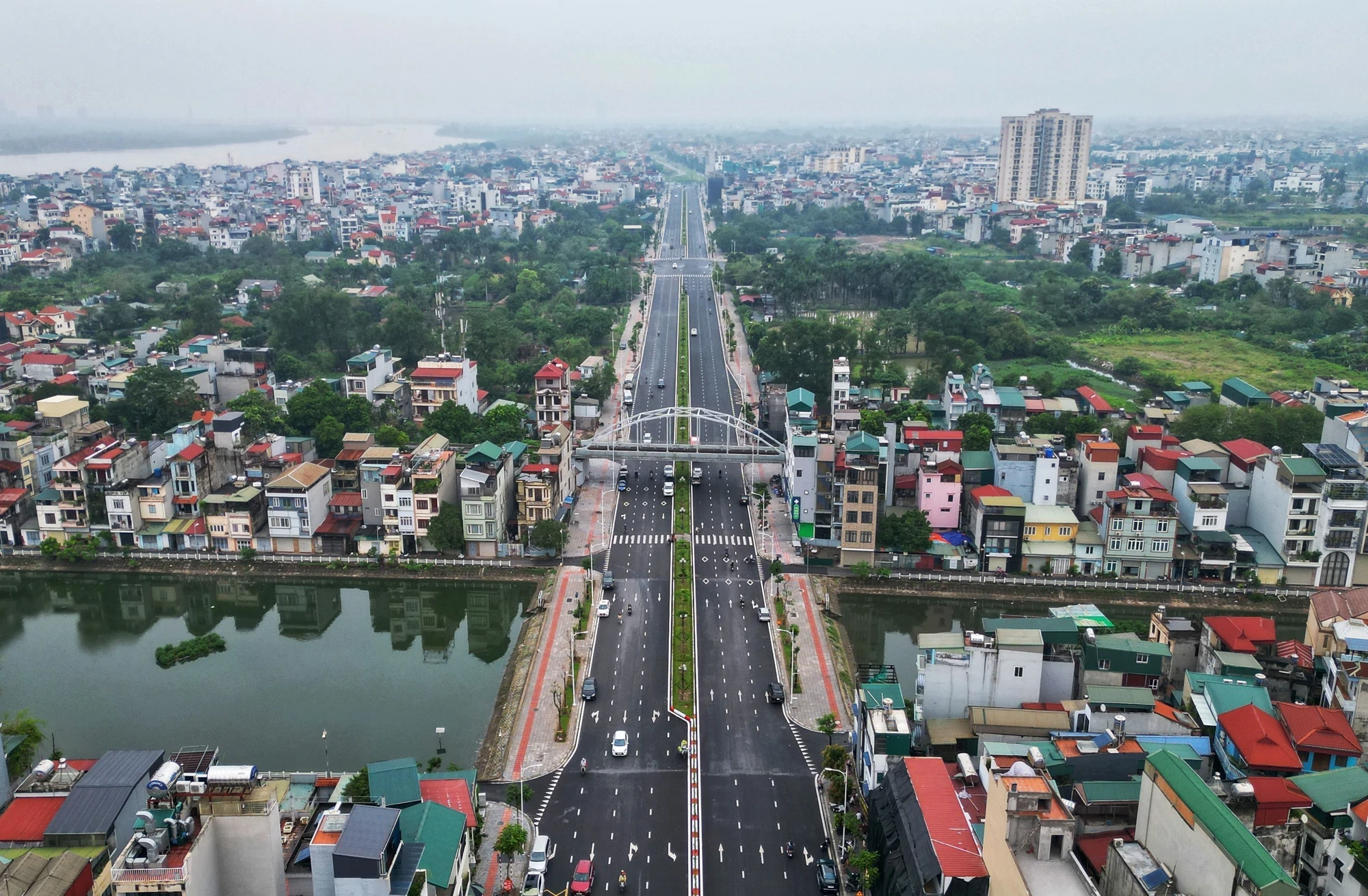
Over the years, many key infrastructure projects have been invested in, constructed, and put into operation, significantly contributing to changing the face of the capital city.
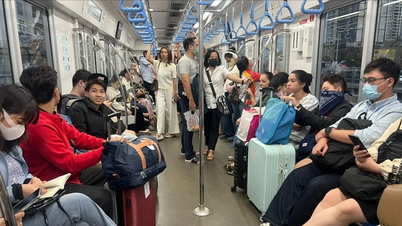
The Cat Linh-Ha Dong urban railway line has become operational, along with ring roads connecting suburban areas; new urban areas and a series of bridges across the Red River have not only improved transportation but also created new economic zones with great potential.
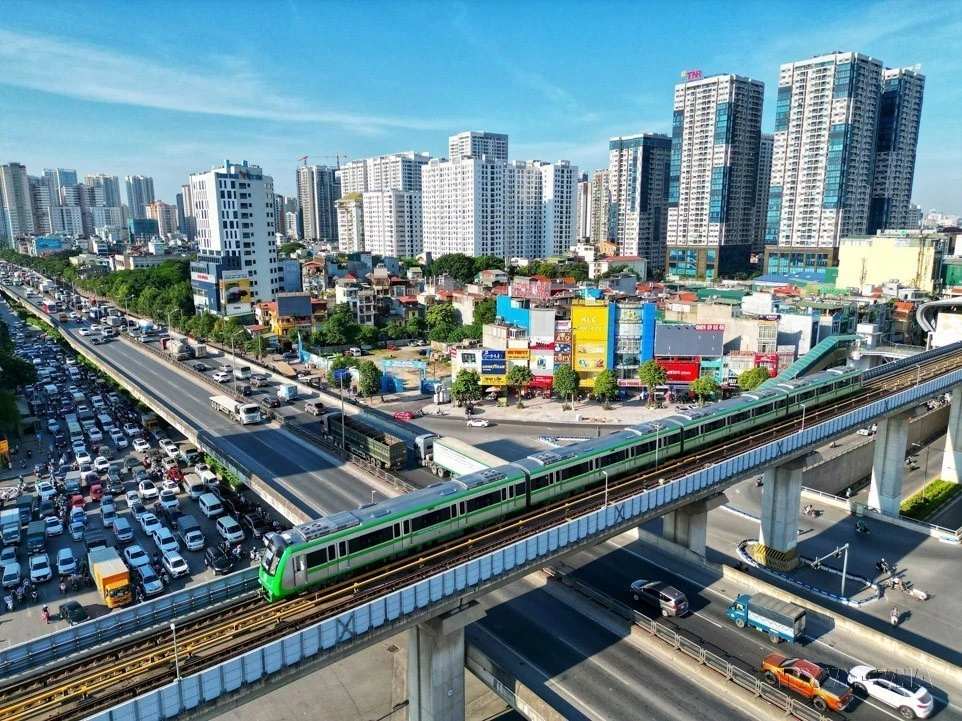
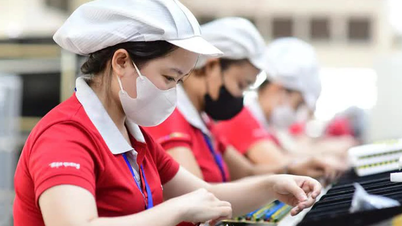
The development of industrial zones has attracted billions of USD in foreign direct investment (FDI), contributing to the rapid economic growth of the capital city.
In 2023, Hanoi attracted over $2.94 billion in FDI, a 70.5% increase compared to the previous year, and was among the top 5 localities nationwide in attracting FDI.
Alongside economic development, Hanoi has always prioritized improving the quality of life for its citizens. The education system has received significant investment.
Hanoi has now become the leading educational center in the country, with over 2,900 schools at all levels and nearly 100 universities and colleges…
The healthcare system has also developed significantly, with 42 public hospitals, 5 specialized centers, 30 district and town health centers, and thousands of private medical facilities.
Social security is ensured, especially in poverty eradication, job creation, and care for beneficiaries of social policies. By the end of 2023, the poverty rate in the city had decreased to 0.03%; the near-poverty rate was 0.7%. The health insurance coverage rate reached 93.5%.
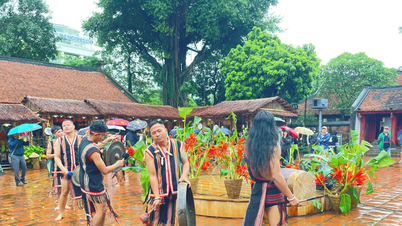
Despite its modern development, Hanoi remains proud to preserve and promote the cultural values of its thousand-year history.
Hanoi boasts the largest number of heritage sites in the country, with a rich system of scenic spots, historical relics, and unique tangible and intangible cultural heritage (5,922 inventoried relics; 1,350 craft villages, nearly 1,700 folk festivals, and 1,793 intangible cultural heritage items).
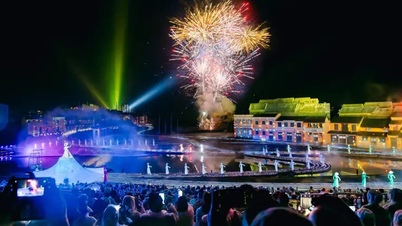
Cultural heritage sites such as Thang Long Imperial Citadel, Temple of Literature - National University, and Hanoi's Old Quarter have been preserved and restored, becoming attractive destinations for both domestic and international tourists.
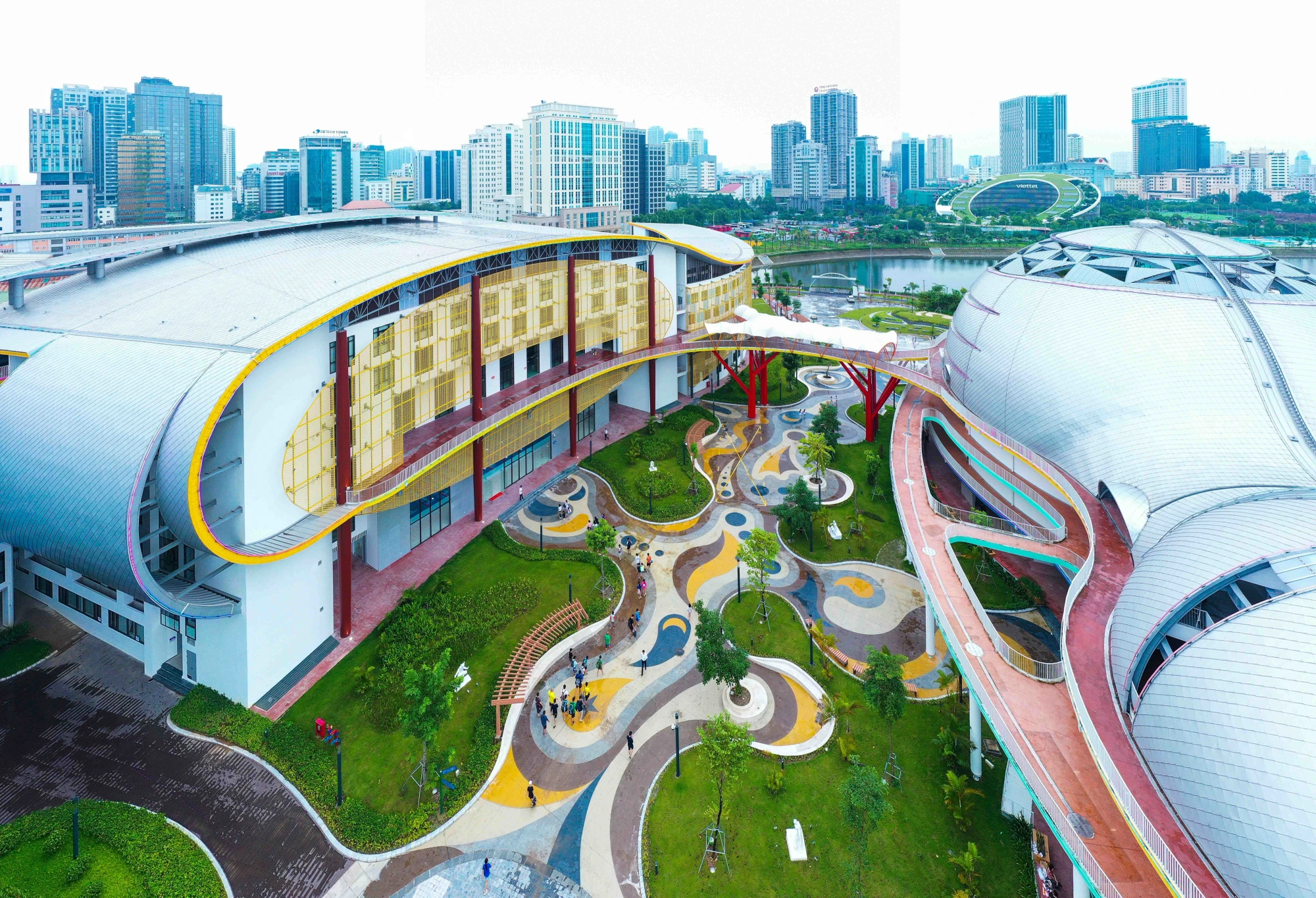
Tourism has become a key economic sector, making a significant contribution to the capital's budget. In 2023, the total number of tourists visiting the capital was estimated at 24 million, and total revenue from the tourism industry was estimated at 87.65 trillion VND (an increase of 27% in tourist numbers and 45.5% in revenue compared to 2022).
The capital's foreign relations have also seen positive developments. To date, Hanoi has signed cooperation agreements with 61 capitals and cities of other countries; and has economic and trade relations with nearly 200 countries and territories…
Hanoi has also hosted many important events, such as: the World Economic Forum on ASEAN (2018), the US-North Korea Summit (2019)...
Thanks to the efforts of the Party Committee, government, and people of Hanoi over the past 70 years, the capital city deserves to be the national political and administrative center, a major center for culture, science, education, economy, and international trade, praised by the world and honored by UNESCO as a "City for Peace"; it has been awarded the Gold Star Order three times and the title of "Heroic Capital."
In the future, Hanoi is aiming for sustainable development and to become a smart city.
With projects focusing on environmentally friendly public transportation systems, green urban areas, and advanced information technology, Hanoi is gradually building a modern city while preserving its traditional beauty.
(Vietnam+)
Source: https://www.vietnamplus.vn/thang-long-ha-noi-tu-lich-su-hao-hung-den-tuong-lai-thinh-vuong-post980108.vnp
![[Photo] National Assembly Chairman Tran Thanh Man attends the groundbreaking ceremony for the National Highway 1A spatial axis project.](https://vphoto.vietnam.vn/thumb/1200x675/vietnam/resource/IMAGE/2026/05/19/1779161360398_ndo_br_bnd-1412-jpg.webp)
![[Photo] Capturing the moment the tide recedes at Yen Binh Son rapids - a million-year-old scenic spot in Quang Ngai.](https://vphoto.vietnam.vn/thumb/1200x675/vietnam/resource/IMAGE/2026/05/19/1779175463885_yen9-1199-jpg.webp)

































![[Photo] General Secretary and President To Lam receives Indian Defense Minister Rajnath Singh](https://vphoto.vietnam.vn/thumb/402x226/vietnam/resource/IMAGE/2026/05/19/1779184046302_anh-man-hinh-2026-05-19-luc-16-46-58.png)















Comment (0)