

Tourism is the main economic sector of Sam Son, but it is also vulnerable to many objective and subjective factors, including climate change and environmental pollution. Facing this major challenge, Sam Son has been implementing various solutions to proactively and effectively respond to climate change, sea level rise, and protect the ecological environment.
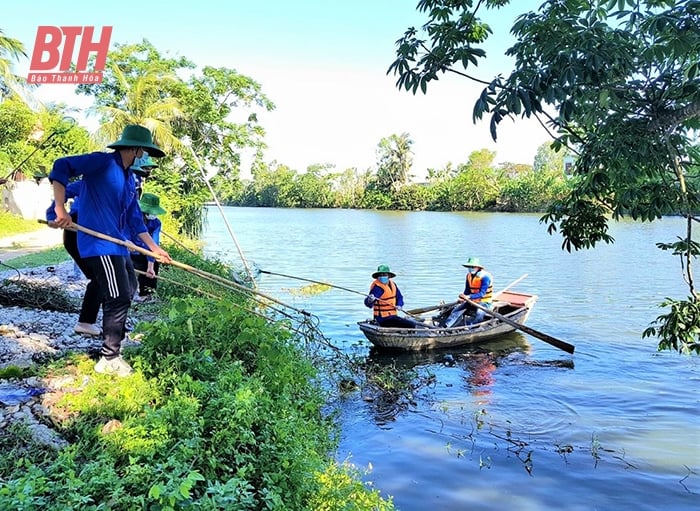
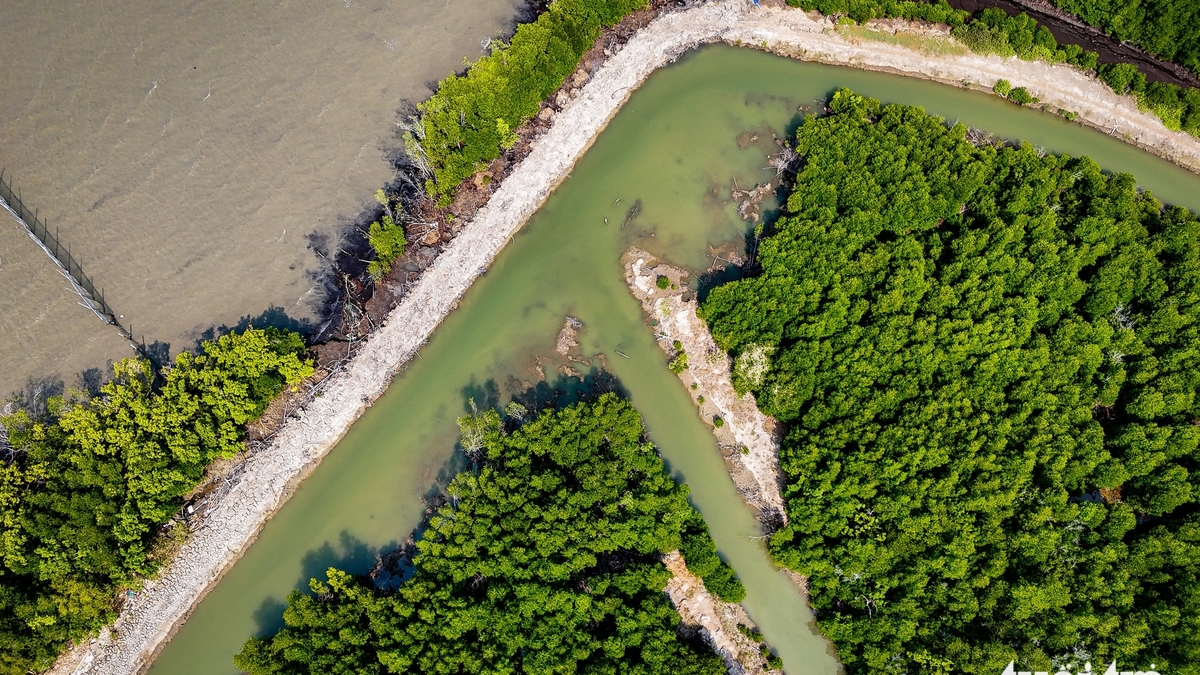
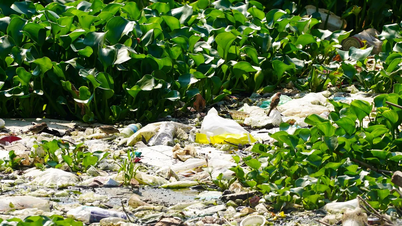
Along with the continuous, unpredictable, and increasingly extreme changes in weather and climate in recent years, temperatures in Sam Son City have also risen sharply, often lasting from April to July each year. These high temperatures have caused droughts, widespread water shortages for domestic and agricultural use, and increased the risk of forest fires. From 2015 to 2019, the city continuously suffered from major storms and tropical depressions, causing flooding and damage to crops (such as Typhoon No. 10 in September 2017; the tropical depression in October 2017; and Typhoon No. 3 in 2019). Furthermore, rising sea levels have also caused flooding, leading to land loss in agricultural production; and have increased the area of saline-affected land, negatively impacting and reducing the productivity and quality of crops. Furthermore, due to its location within the Ma River basin with its large flow, the risk of landslides on both banks is very high during the rainy season, directly affecting the lives of the people. Increasing production and energy consumption, especially in industrial production, transportation, and urban development, have been and are increasing greenhouse gas emissions, which is also a cause of environmental pollution.
Climate change has been impacting all socio-economic and environmental resources in the city. Therefore, strengthening resource and environmental management and adapting to climate change is both a goal and a task that the Party Committee and government of Sam Son City are focusing on. In recent years, the city has focused on effectively implementing the land use plan for the period 2021-2030 and the annual land use plan; building a land management database. It continues to implement Resolution No. 05-NQ/TU of the Provincial Party Committee (18th term) on strengthening the Party's leadership over environmental protection. It effectively manages and utilizes natural resources, especially water resources such as the Ma River, Do River, and groundwater systems. It is also accelerating the construction of a waste treatment plant and a public cemetery in Quang Minh commune, and a wastewater treatment plant in Quang Chau ward. Focus on protecting marine environmental resources, in conjunction with responding to climate change; implement projects to build embankments to prevent coastal erosion, and resolutely reject projects that cause marine environmental pollution...
Specifically, recognizing the challenges posed by climate change to the development of local industries and sectors in the coming years, the People's Committee of Sam Son City has developed and issued the "Action Plan for Responding to Climate Change in Sam Son City for the period 2021-2030, with a vision to 2050". The action plan outlines tasks and solutions in each sector to adapt to climate change, prevent, avoid, and mitigate the hazards caused by climate change, contributing to ensuring the lives of the people and sustainable socio-economic development. A key focus is the group of solutions related to state management and policies, such as strengthening the organizational and management capacity of state management agencies in responding to climate change; reviewing, supplementing, and perfecting legal documents and policies related to climate change response; Raising awareness and disseminating knowledge about climate change and adaptation to climate change among the population... In addition, there are specific sets of solutions for each sector such as agriculture; industry, construction, transportation, energy; tourism, health , culture, sports, trade; resources and environment... aimed at mitigating the impacts of climate change.
Furthermore, the action plan also assesses the socio-economic and environmental effectiveness of the solutions that have been and are being applied. For example, economically, sectors, localities, and communities proactively adapt to climate change and limit economic losses caused by climate change; at the same time, they have the opportunity to improve technological levels, enhance economic efficiency, limit negative impacts on health and disease spread, thereby reducing costs for disease prevention and treatment; and significantly save costs in mitigating the consequences of climate change impacts on architectural works, culture, people's lives, and other values of the city...
Furthermore, the social benefits of climate change adaptation solutions include contributing to improved quality of life, security, and safety for citizens; enhanced social equity through policies prioritizing investment in areas vulnerable to climate change and programs for priority groups such as the poor, women, and children; guaranteed social security for communities; building a civilized lifestyle with a sense of readiness to respond, mutual support, and cooperation in preventing and overcoming the difficulties and consequences of climate change... In particular, the environmental benefits are easily noticeable as implementing these solutions will contribute to protecting the environment within the city, mitigating the harmful effects of climate change; simultaneously, reducing air pollution, surface water and groundwater pollution, promoting safer agricultural production and cleaner industrial production, and reducing the spread of disease and pollution after natural disasters...
Understanding the true consequences of climate change on socio-economic development, and subsequently developing and implementing appropriate solutions based on climate change adaptation resources, is what Sam Son City is currently pursuing. The city has clearly identified the main resources for responding to climate change, prioritizing the leadership and guidance of the Party committees and the management and administration of all levels of government. This includes mobilizing all resources in terms of finance, infrastructure, mechanisms, policies for production and socio-economic development, and projects implementing climate change adaptation. Only then can climate change response become proactive, timely, flexible, and effective.
Text and photos: Truong Giang
Source


![[Image] National Assembly discusses the implementation of the socio-economic development plan.](https://vphoto.vietnam.vn/thumb/1200x675/vietnam/resource/IMAGE/2026/04/20/1776696707422_ndo_br_img-20260420-185419-jpg.webp)

![[Photo] General Secretary and President To Lam meets with National Assembly delegates from ethnic minorities.](https://vphoto.vietnam.vn/thumb/1200x675/vietnam/resource/IMAGE/2026/04/20/1776696701056_a1-bnd-8331-3342-jpg.webp)






![[Infographics] Hai Tien Beach Tourism Festival 2026 and celebratory activities](https://vphoto.vietnam.vn/thumb/402x226/vietnam/resource/IMAGE/2026/04/20/1776687221715_infographics-le-w1200t0-di2616d199d1165828t11358l1-2026-029.webp)
































































Comment (0)