

Regarding this field, reporters from Nghe An Newspaper and Radio and Television had an exchange with economic expert Huynh Thi My Nuong – General Director of the Sustainable Development Leadership Training and Services Company Limited (SDLT).
It requires close and effective coordination of resources.
Reporter: Many argue that "connecting businesses with partners, markets, and resources is key to building a sustainable green production ecosystem." What are your views on this issue?
Ms. Huynh Thi My Nuong: Vietnam is currently an active member of many Free Trade Agreements (AFTA). This opens up vast opportunities for businesses to access promising international markets such as ASEAN, Canada, Australia, Japan, the UK, and the EU... These markets are increasingly imposing stricter requirements on imported products. Specifically, businesses must meet standards regarding environmental protection, occupational safety, and sustainable development.
Thus, the three factors connecting businesses with partners, markets, and resources are only "necessary but not sufficient" elements to create a truly effective green production ecosystem. Resources are a composite factor, encompassing all other elements, with human resources, finance, and technology being essential internal factors of the business. Meanwhile, connecting with markets and partners are external factors, playing a crucial role, especially in the context of Vietnam having signed nearly 20 new-generation Free Trade Agreements (FTAs). And these FTAs are influencing the rules of the global game. However, without a strong and consistent "driving force," the transformation path of businesses will be arduous and lack synchronization.

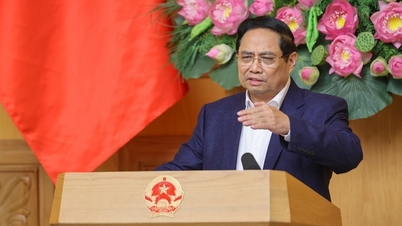
That driving force is the "constructive" and "leading" role of the State. At the COP26 conference, Prime Minister Pham Minh Chinh made a commitment to achieving net zero emissions by 2050, creating a clear strategic direction for the entire Vietnamese economy.
This is not just a political commitment, but also the legal basis for creating policies, regulations, and mechanisms to support businesses in participating in transformation in a systematic and proper manner. No matter how flexible and proactive a business is, it cannot move quickly and far alone without aligning with and being guided by the nation's overall policies and directions.
Furthermore, among the above factors, the core element is human resources. Ultimately, people are the creators and drivers of most change. In particular, the mindset and vision of the business leader play a decisive role. If business leaders truly understand and desire transformation, they will spread this spirit throughout their entire ecosystem. Conversely, without willpower and awareness, any external support efforts will be unlikely to be effective. This aligns perfectly with the United Nations' perspective on promoting the Sustainable Development Goals (SDGs), emphasizing that change is only sustainable with the participation and support of the entire society, with the private sector playing a core role.
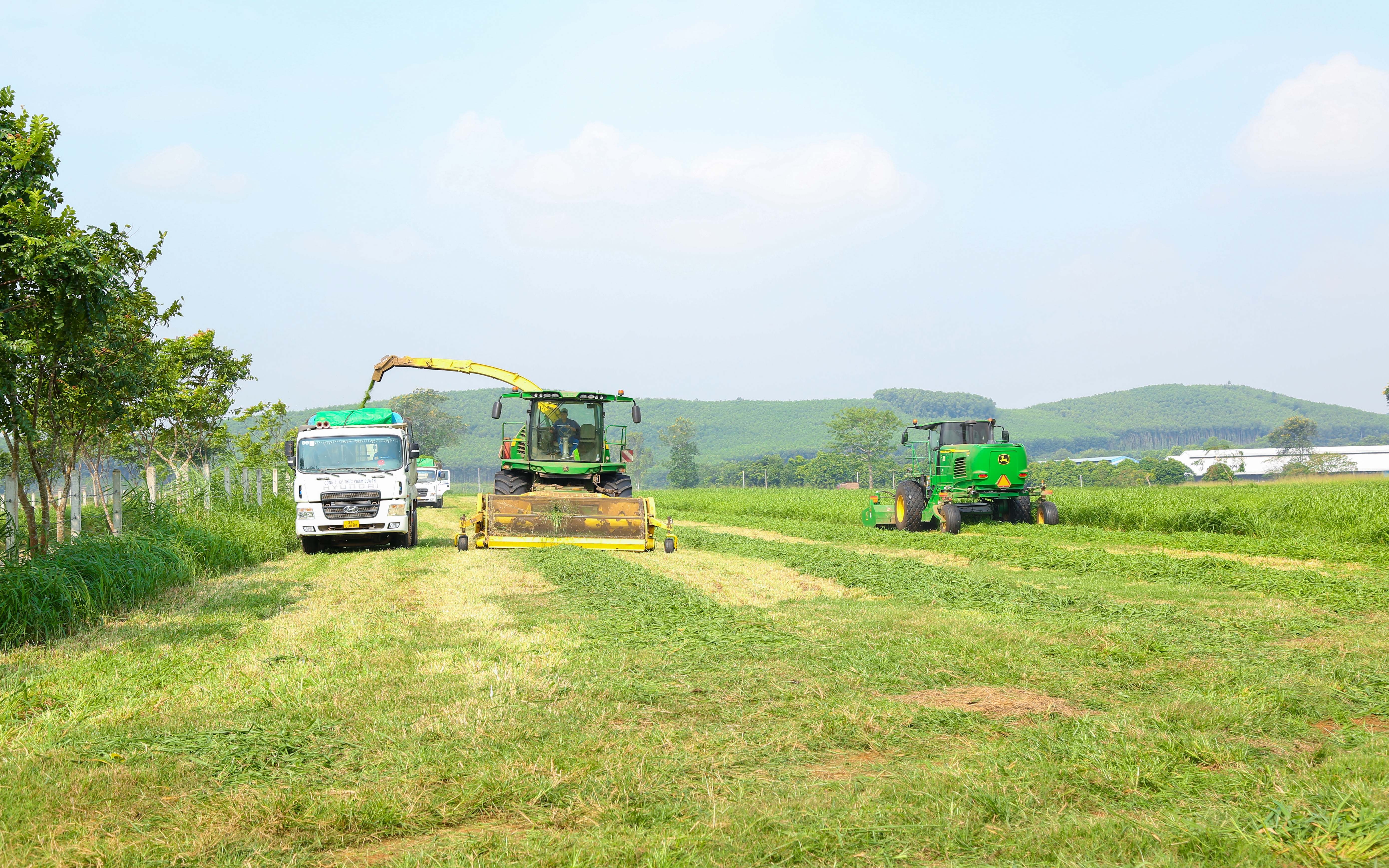
The green production ecosystem is not just the story of a few pioneering businesses, but a synchronized revolution requiring close and effective coordination of resources between the State, businesses, and society.
A groundbreaking solution from the government.
Reporter: In your opinion, what breakthrough solutions should government agencies prioritize to overcome the difficulties businesses face in transitioning to green production?
Ms. Huynh Thi My Nuong: To overcome difficulties for businesses, especially small and medium-sized enterprises (SMEs), all levels of government need to prioritize breakthrough and practical solutions.
First, administrative procedures must be streamlined and digitalization accelerated. Although this has been discussed extensively, accessing government funding remains cumbersome and complex. Digitalizing processes will increase transparency, reduce time and costs, and create the most favorable conditions for businesses. A "one-stop shop" model or a single digital portal for procedures related to green transformation would be a crucial step forward.
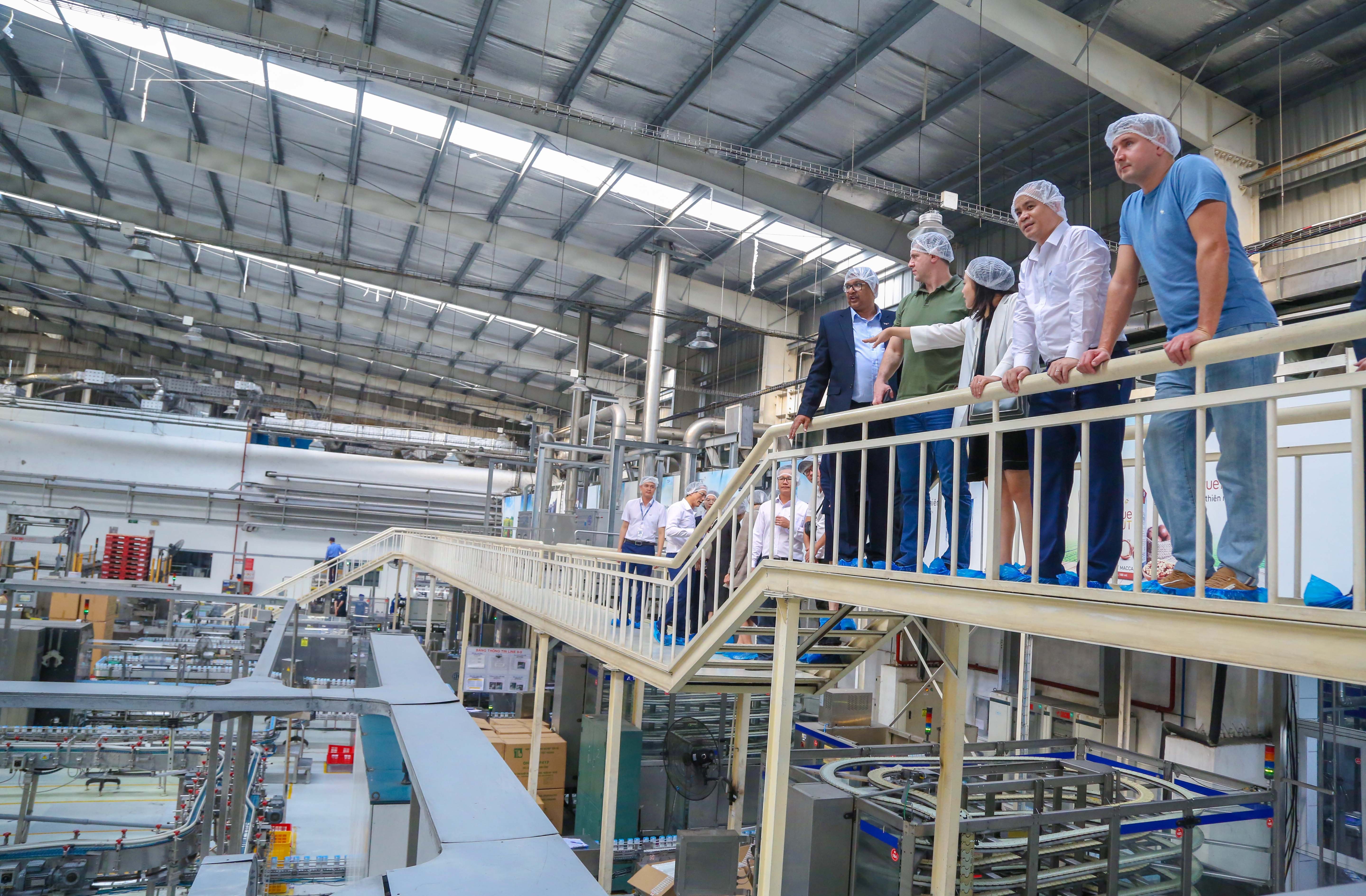
Secondly, it is necessary to establish a comprehensive support hub specifically for businesses undergoing green transformation. This hub would act as a "transit station," providing a full range of solutions from finance (preferential loan packages, green investment funds) to technology (connections with research institutes, innovation centers) and strategic guidance. This is a major challenge, but entirely feasible with public-private cooperation, leveraging the strengths of financial institutions, investment funds, non-governmental organizations, and large enterprises.
Furthermore, perhaps we should consider establishing a "National Green Enterprise" title. Vietnam already has titles for Science and Technology and National Quality. Similarly, a title for green enterprises would be a source of motivation and offer practical incentives. For this title to be valuable, we need to learn from the experiences of other countries, develop a transparent and rigorous evaluation criteria based on international standards, and draw on lessons learned from existing titles in Vietnam. This would not only honor pioneering enterprises but also help them build credibility in the international market.
Nghe An Businesses: A Mission from Tradition and Opportunities from the Future
Reporter: Meeting "Green Standards" is an indispensable requirement for Vietnamese businesses aiming for export markets. From your perspective, what should businesses in Nghe An do to proactively seize opportunities?
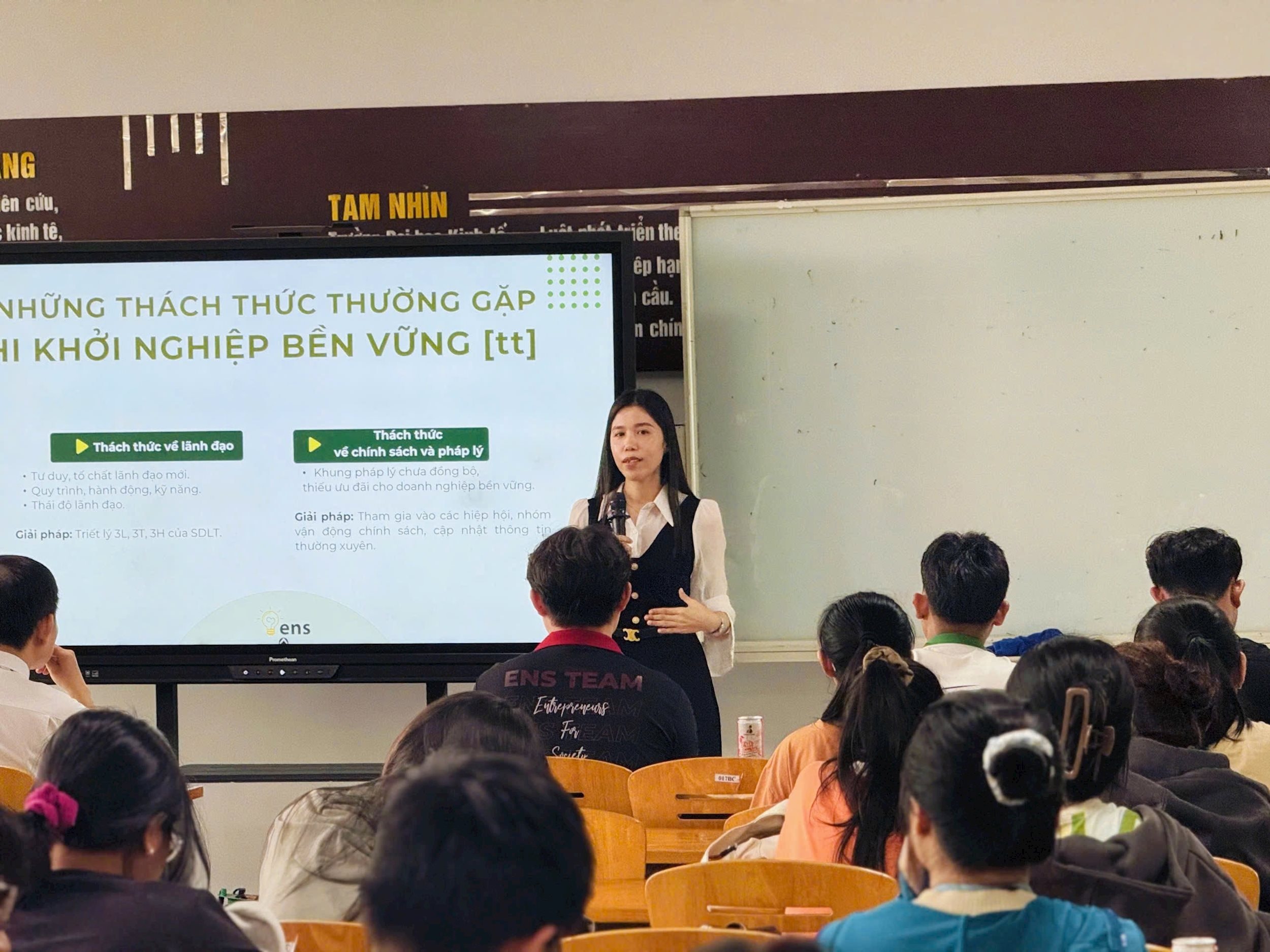
Ms. Huynh Thi My Nuong: For businesses in Nghe An, meeting "Green Standards" is not only a requirement of the export market, but also a noble mission. Businesses need to be pioneers in sustainable economic development. To proactively seize opportunities, in my opinion, Nghe An businesses can be divided into two groups to develop appropriate action plans.
Group 1: Businesses with a certain level of experience and success.
These businesses need to be encouraged to become pioneers in the local ecosystem. They also play a crucial role in disseminating knowledge, experience, and even sharing resources to "pull" smaller businesses to participate.
These are businesses that have clearly understood the value of green manufacturing and have achieved initial success. Their goal is not only to comply but also to be pioneers and lead the trend. The roadmap for this group needs to focus on advanced, breakthrough strategies.
"For businesses in Nghe An, meeting 'Green Standards' is not only a requirement of the export market, but also a noble mission," said economist Huynh Thi My Nuong.
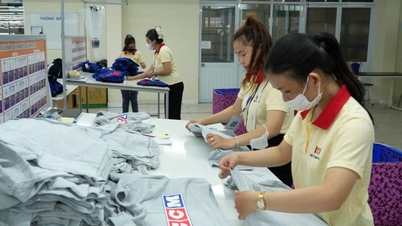
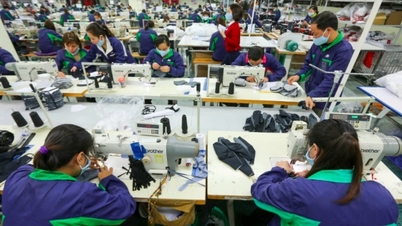
First is "Innovation and Technology": Continuously investing in research and development (R&D) to find new, more environmentally friendly production solutions. Applying Industry 4.0 technologies (such as IoT, AI) to optimize processes and reduce resource and energy waste.
Next is "Enhancing the value of the green supply chain": Proactively collaborating with partners who share the same environmental commitment to build a completely green supply chain, from raw materials to the final product.
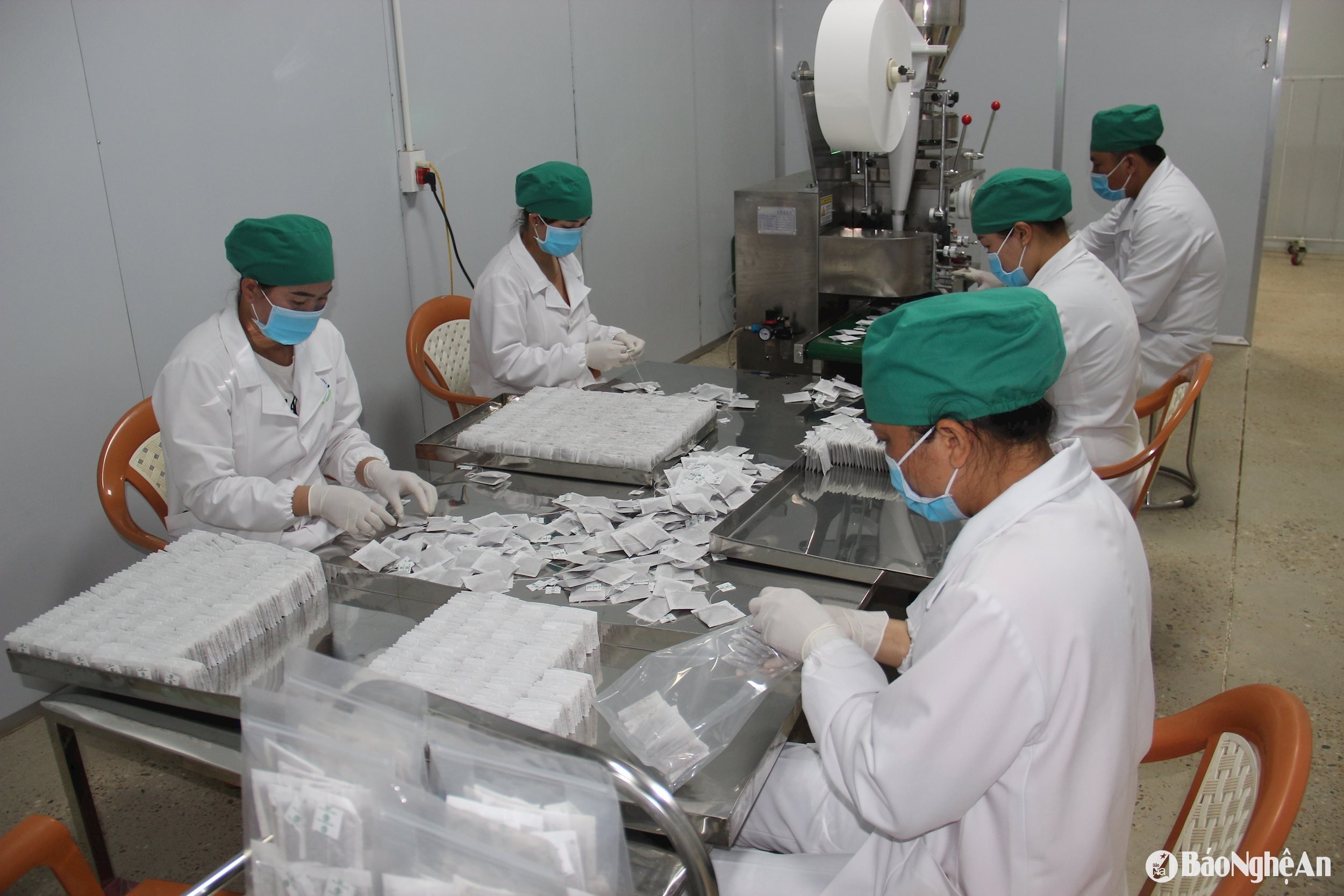
Next, "Building a Sustainable Brand": Green transformation is not just about production, but also about telling an inspiring story. Businesses need to communicate strongly about their efforts and achievements, transforming product stories into unique brand values, and building credibility with international consumers.
Group two: Businesses with no prior experience
These are typically small and medium-sized enterprises (SMEs) and startups, which make up the majority of the economic structure. For these new businesses, the transformation journey can be challenging. However, it is also an opportunity for them to build a solid foundation from the outset. The roadmap for this group needs to be carefully and systematically developed:
First, it's necessary to identify and assess internal capabilities and develop a plan: Businesses need to start by self-assessing to understand their current position. They need to analyze environmental factors within their current production processes to identify areas for improvement, and then create a detailed transformation plan with specific, achievable goals.
We need to learn and apply from the smallest things: Green transformation doesn't necessarily have to be a major revolution; businesses can start with simple actions like saving electricity and water, sorting waste, or using environmentally friendly raw materials. Initially, they can apply methods like 5S, 3R, 3T… in production and business to comprehensively improve efficiency across all business operations.
It is especially important to leverage support: Actively seek support from relevant authorities, industry associations, and learn from the experiences of established businesses, both offline and online. This helps them avoid unnecessary mistakes and shorten the time to achieve their desired goals.
Regardless of the stage, understanding the value, being proactive, and remaining steadfast on the path to green transformation are crucial. With unity and effort, businesses in Nghe An will not only meet export standards but also affirm their position on the international stage, especially in demanding markets such as the EU, the US, and Japan, which are increasingly tightening environmental regulations, notably the EU's Carbon Border Adjustment Mechanism (CBAM).
Reporter: Thank you very much, Madam!
Source: https://baonghean.vn/doanh-nghiep-o-nghe-an-can-hanh-dong-nhu-the-nao-trong-xay-dung-he-sinh-thai-san-xuat-xanh-10306214.html
![[Live] 2025 Community Action Awards Gala](/_next/image?url=https%3A%2F%2Fvphoto.vietnam.vn%2Fthumb%2F1200x675%2Fvietnam%2Fresource%2FIMAGE%2F2025%2F12%2F16%2F1765899631650_ndo_tr_z7334013144784-9f9fe10a6d63584c85aff40f2957c250-jpg.webp&w=3840&q=75)
![[Image] Leaked images ahead of the 2025 Community Action Awards gala.](/_next/image?url=https%3A%2F%2Fvphoto.vietnam.vn%2Fthumb%2F1200x675%2Fvietnam%2Fresource%2FIMAGE%2F2025%2F12%2F16%2F1765882828720_ndo_br_thiet-ke-chua-co-ten-45-png.webp&w=3840&q=75)
![[Photo] Prime Minister Pham Minh Chinh receives Lao Minister of Education and Sports Thongsalith Mangnormek](/_next/image?url=https%3A%2F%2Fvphoto.vietnam.vn%2Fthumb%2F1200x675%2Fvietnam%2Fresource%2FIMAGE%2F2025%2F12%2F16%2F1765876834721_dsc-7519-jpg.webp&w=3840&q=75)
![[Image] The tenacious fighting spirit of Vietnamese women's football](/_next/image?url=https%3A%2F%2Fvphoto.vietnam.vn%2Fthumb%2F1200x675%2Fvietnam%2Fresource%2FIMAGE%2F2025%2F12%2F17%2F1765990260956_ndo_br_4224760955870434771-copy-jpg.webp&w=3840&q=75)

![[Photo] Prime Minister Pham Minh Chinh receives the Governor of Tochigi Province (Japan)](/_next/image?url=https%3A%2F%2Fvphoto.vietnam.vn%2Fthumb%2F1200x675%2Fvietnam%2Fresource%2FIMAGE%2F2025%2F12%2F16%2F1765892133176_dsc-8082-6425-jpg.webp&w=3840&q=75)
















































![[Live] Closing Ceremony and Award Presentation for the "Impressive Vietnam Tourism" Video/Clip Creation Contest 2025](https://vphoto.vietnam.vn/thumb/402x226/vietnam/resource/IMAGE/2025/12/17/1765974650260_z7273498850699-00d2fd6b0972cb39494cfa2559bf85ac-1765959338756946072104-627-0-1338-1138-crop-1765959347256801551121.jpeg)
















Comment (0)