

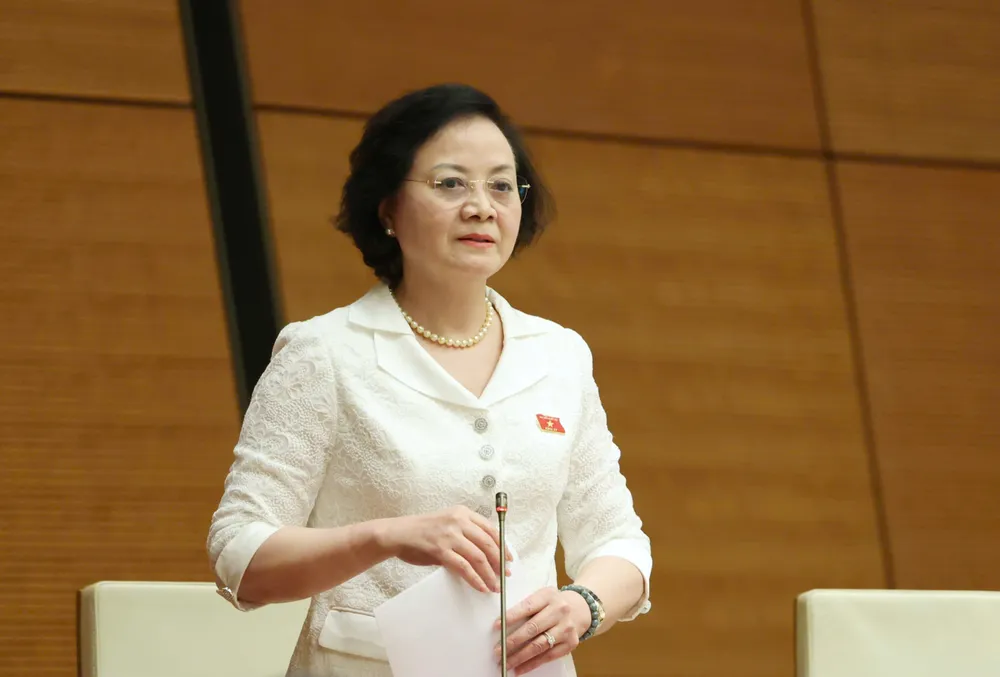
Both policy and implementation have issues of concern.
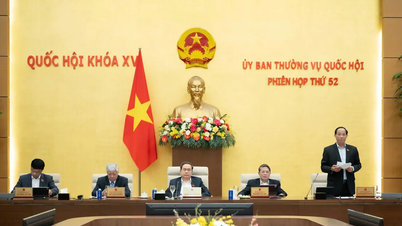
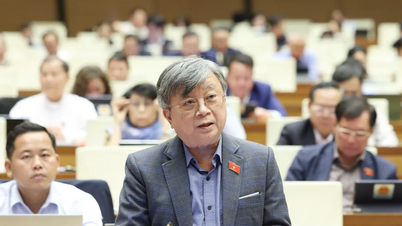
Delegate Ha Sy Dong ( Quang Tri ) shared his views with Delegate Tran Quoc Tuan (Vinh Long) on the statement that "only when officials have enough to live can they feel secure in their service; only when civil servants are not burdened with food, clothing, and money can they feel free to contribute."
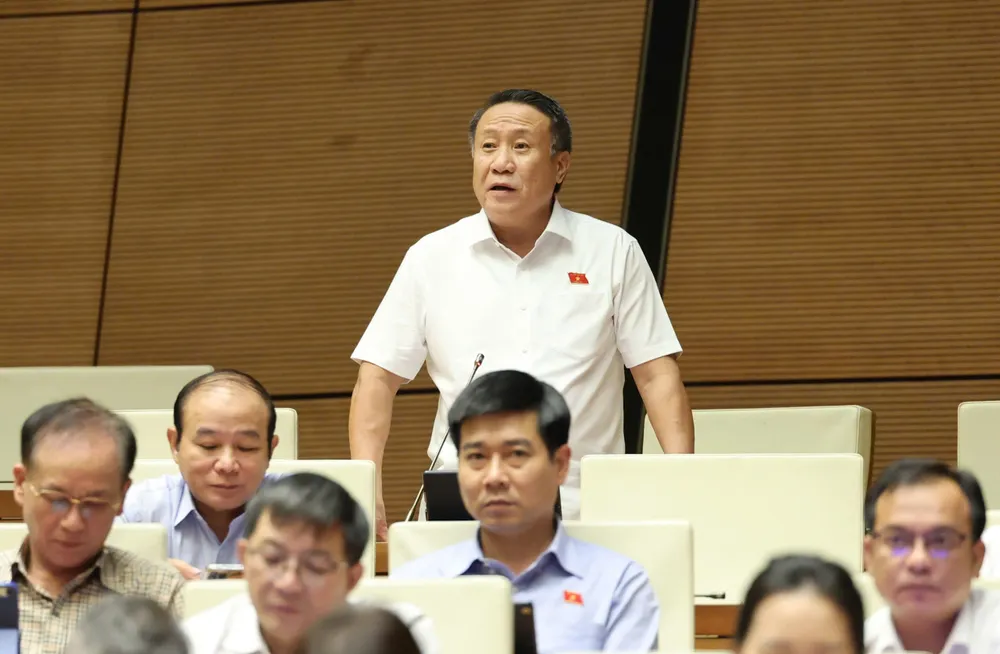
"Not only should salaries be increased from the beginning of next year, in my opinion, right at this session, the Government should immediately have a report on the current situation of commune officials, how there is a surplus or shortage, what are the inappropriate policies and mechanisms, and what decisions the National Assembly needs to make to resolve them immediately," emphasized Deputy Ha Sy Dong.
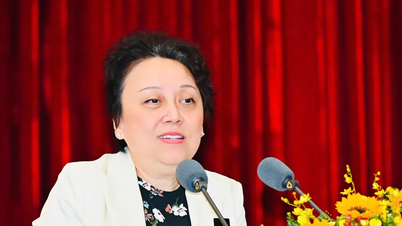
Expressing concern about the arrangement of civil servants as well as the treatment regime for this group, Deputy Nguyen Thi Yen (HCMC) proposed strong reforms in the arrangement of the apparatus and salary regime, considering this as one of the important solutions to improve management efficiency and ensure the lives of civil servants.
“Good treatment ensures a decent life and helps civil servants focus on their work. This also helps prevent corruption and negativity, and ensures that civil servants wholeheartedly and wholeheartedly carry out their assigned responsibilities and tasks,” the delegate commented, suggesting that the Government soon develop a framework for job positions and salary policies and payrolls for all those receiving state salaries.
The delegate also emphasized that this salary table should include amounts for specific departments, fields, and localities, instead of the current situation where "each industry and each level has its own salary table" and "each specialized field has its own policy". According to the delegate, salary policy must be made public and transparent so that people can know.
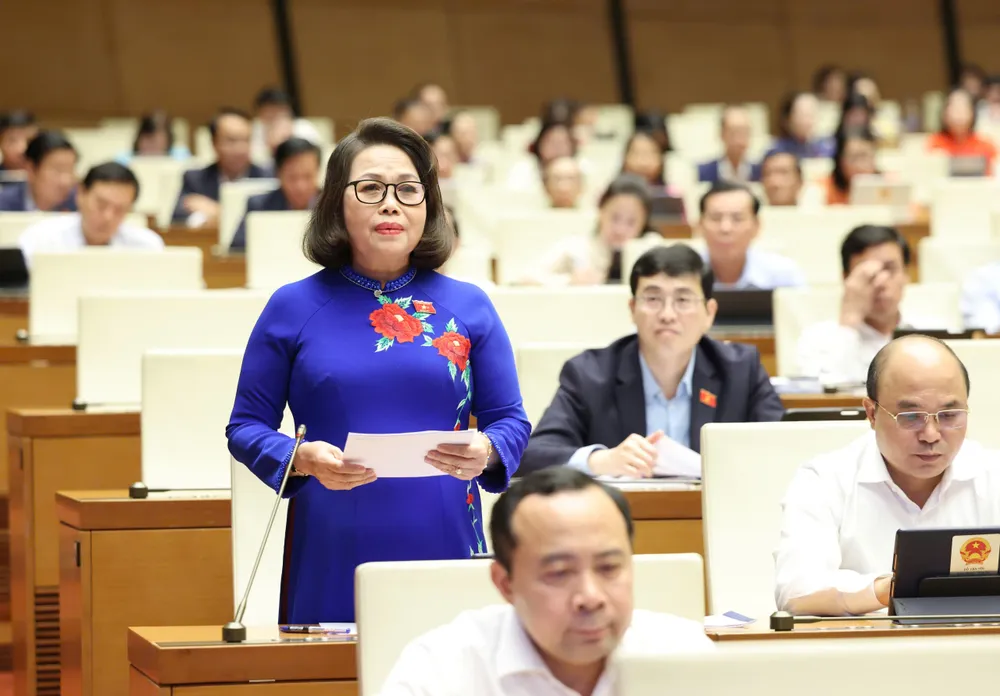
Delegate Nguyen Thi Yen (HCMC) also noted the important role of the press and proposed solutions to improve the quality of activities and improve the remuneration for journalists.
The delegate pointed out that the Press Law was amended in this session, but it is still a framework law; he suggested that the Government pay attention and create all conditions for investment in infrastructure; focus on training, fostering, and promoting the press team so that they can work with peace of mind.
By the end of 2025, basically complete the institutional system of two-level local government.
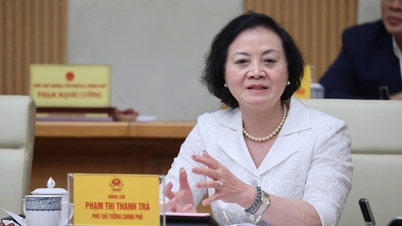
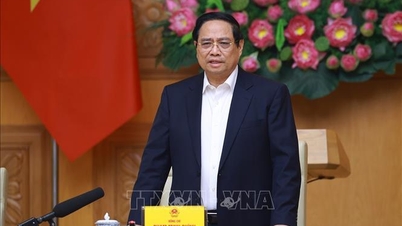
Responding to the opinions of the deputies, Deputy Prime Minister Pham Thi Thanh Tra affirmed that the arrangement of the two-level local government apparatus is a "revolution", a radical change in the philosophy of organizing power, institutions, local governance and organizational thinking.
Acknowledging many practical reflections from deputies on the fact that commune-level civil servants in many places are "both redundant and lacking" and in many cases are not suitable for their expertise, Deputy Prime Minister Pham Thi Thanh Tra said that the Government strives to basically complete the institutional system on the two-level local government model by the end of 2025; perfecting basic issues on organizational structure, payroll, classification of administrative units, and administrative unit standards.
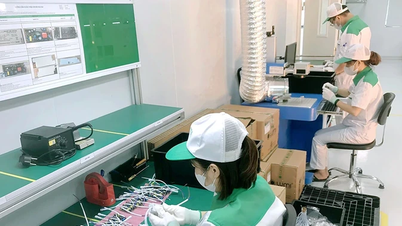
According to Deputy Prime Minister Pham Thi Thanh Tra: This requires great effort, because many documents must wait for practical evaluation, learn from experience, and then build a suitable legal system. Based on a synthesis from 34 provinces and cities, the average number of commune-level civil servants is 41.3% and only 5.38% are not suitable for their expertise.
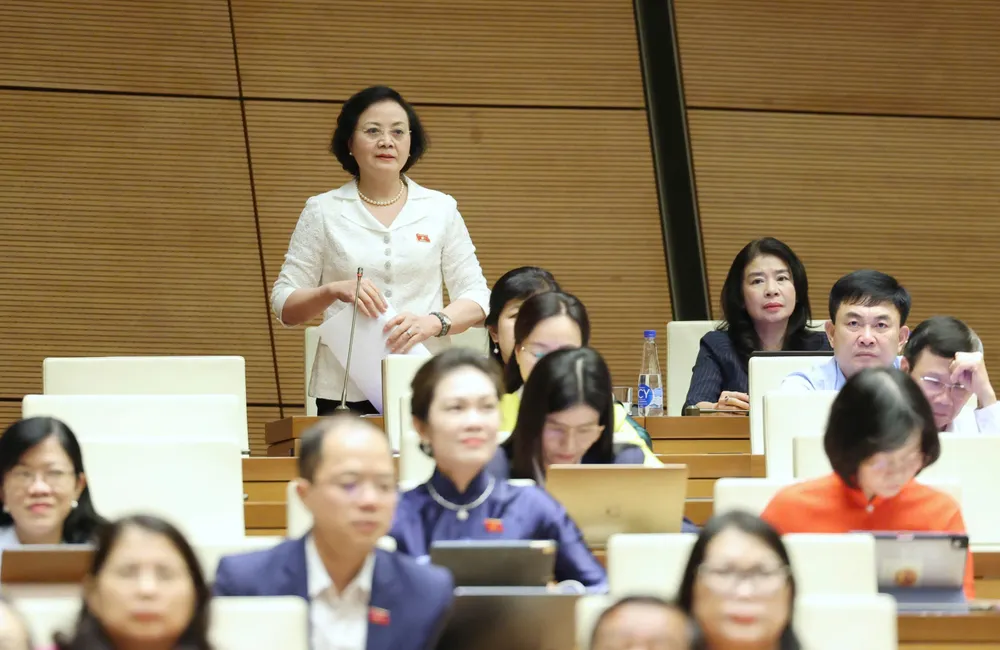
To solve this problem, the Deputy Prime Minister said that the Government has directed the Ministry of Home Affairs to complete the job position framework, especially for the commune level; complete the conditions and legal basis for assigning staff to the commune level for the period 2026-2030 (currently, the assignment of staff is only a temporary guideline). The Ministry of Home Affairs will develop a project to train and foster a team of commune-level civil servants until 2030 to proactively prepare for this personnel plan.
In addition, the Deputy Prime Minister emphasized the proactive and decisive role of localities in ensuring the operation of two-level local governments. The Deputy Prime Minister said that localities can recruit or transfer civil servants from the provincial level to fill vacant positions such as finance, land administration, environment, information technology, construction, justice, etc.
Localities also need to focus on handling difficulties and problems arising within their jurisdiction. The Deputy Prime Minister warned that if localities remain passive, it will be very difficult to operate the two-level local government.
Regarding salary policy reform, Deputy Prime Minister Pham Thi Thanh Tra said that, thoroughly grasping the conclusions of the Politburo on this issue, the Central Policy and Strategy Committee will preside over a review of the implementation of Resolution 27-NQ/TW (on continuing to build and perfect the socialist rule-of-law state of Vietnam in the new period), reporting to the Central Committee in the first quarter of 2026; from there, a specific plan will be developed to implement salary policy reform on the basis of a roadmap and appropriate steps.
“Salary reform is part of the overall reform of the state administrative system, economic growth, economic scale and the ability to pay policies and regimes for cadres, civil servants and public employees, so it cannot be implemented immediately, but needs to be prepared fundamentally, thoroughly and cautiously step by step,” Deputy Prime Minister Pham Thi Thanh Tra stated.
Source: https://www.sggp.org.vn/thuc-hien-cai-cach-tien-luong-mot-cach-can-co-post820592.html


























![[Photo] Urgently help people soon have a place to live and stabilize their lives](/_next/image?url=https%3A%2F%2Fvphoto.vietnam.vn%2Fthumb%2F1200x675%2Fvietnam%2Fresource%2FIMAGE%2F2025%2F12%2F09%2F1765248230297_c-jpg.webp&w=3840&q=75)




































































Comment (0)