

This year's April 30th and May 1st holidays in Ho Chi Minh City, as well as across the country, offered residents five consecutive days off. As a result, many people flocked to tourist areas, especially those near the city center and neighboring provinces and cities, for recreation and relaxation. However, paradoxically, on the very first day of the holiday, Can Gio beach was unexpectedly deserted.
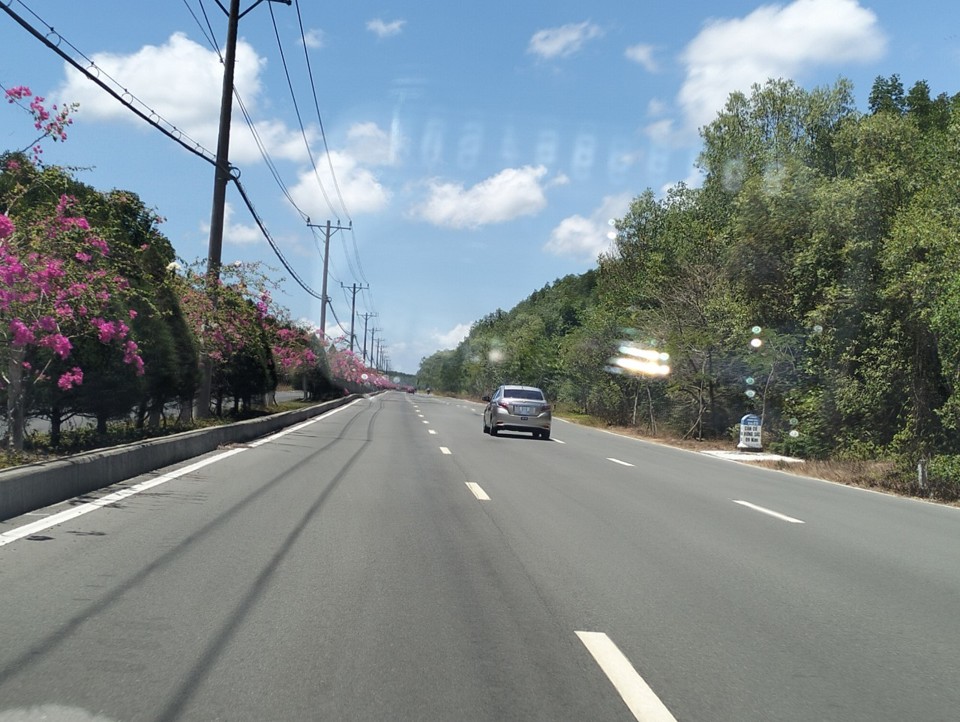
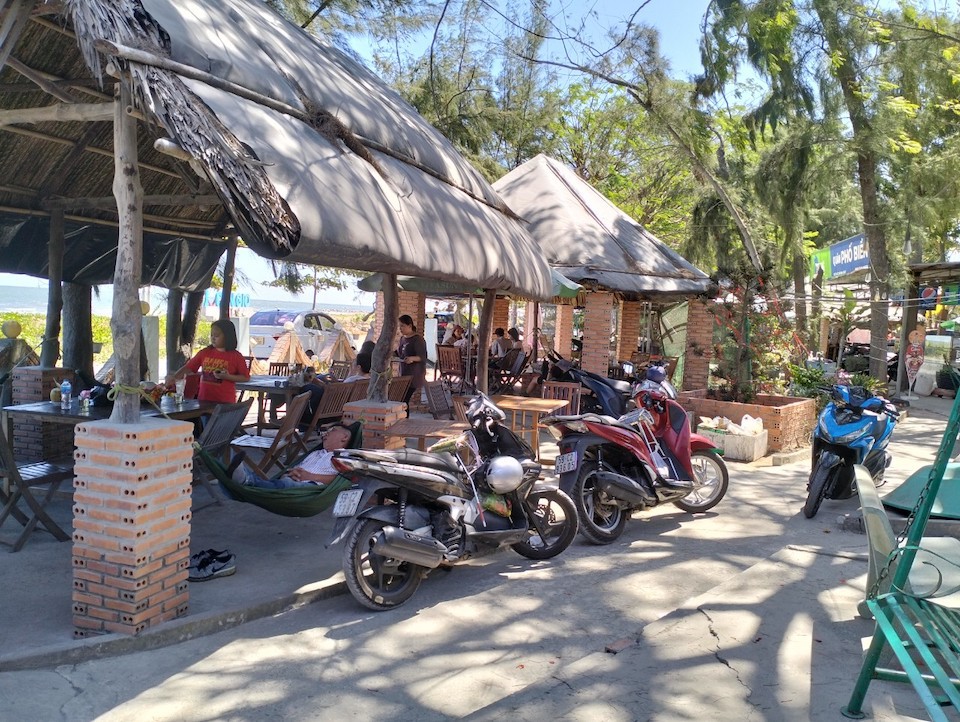
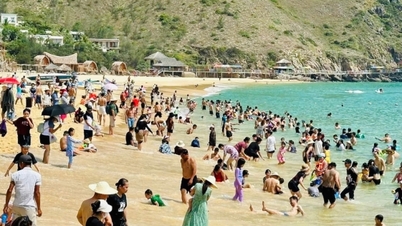
According to observations by a reporter from the Urban Economy Newspaper on April 27th (the first day of the 5-day holiday for April 30th and May 1st this year), the beach near the center of Can Thanh town, Can Gio district, had only a few tourists, mostly traveling individually with their families; very few were in groups or tours. This is in stark contrast to some holiday periods in previous years when the beach was crowded with tourists swimming and enjoying fresh seafood.
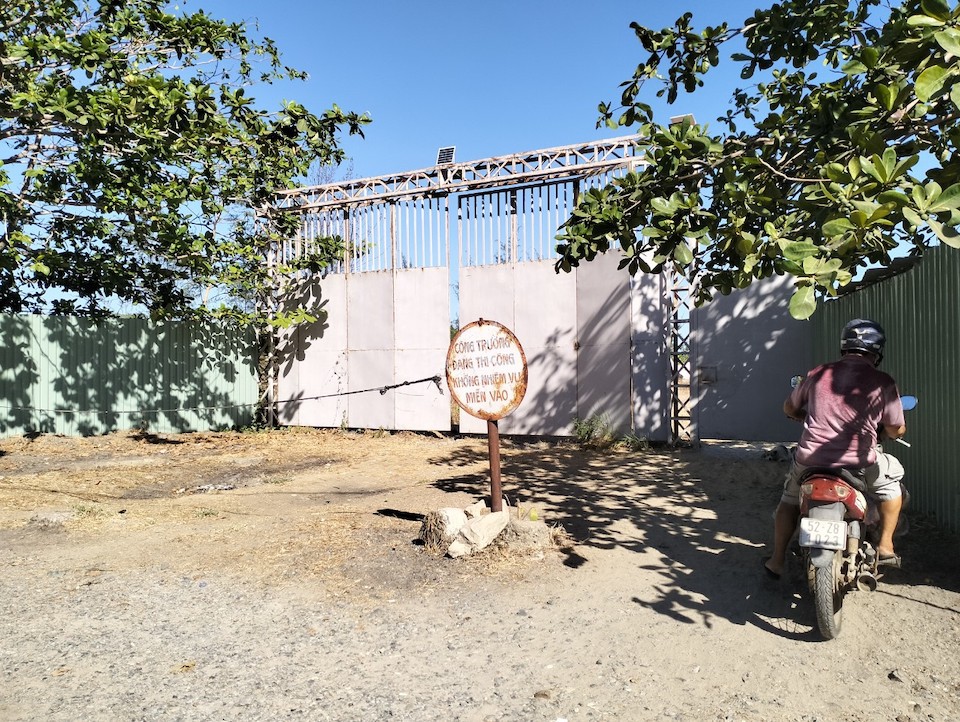
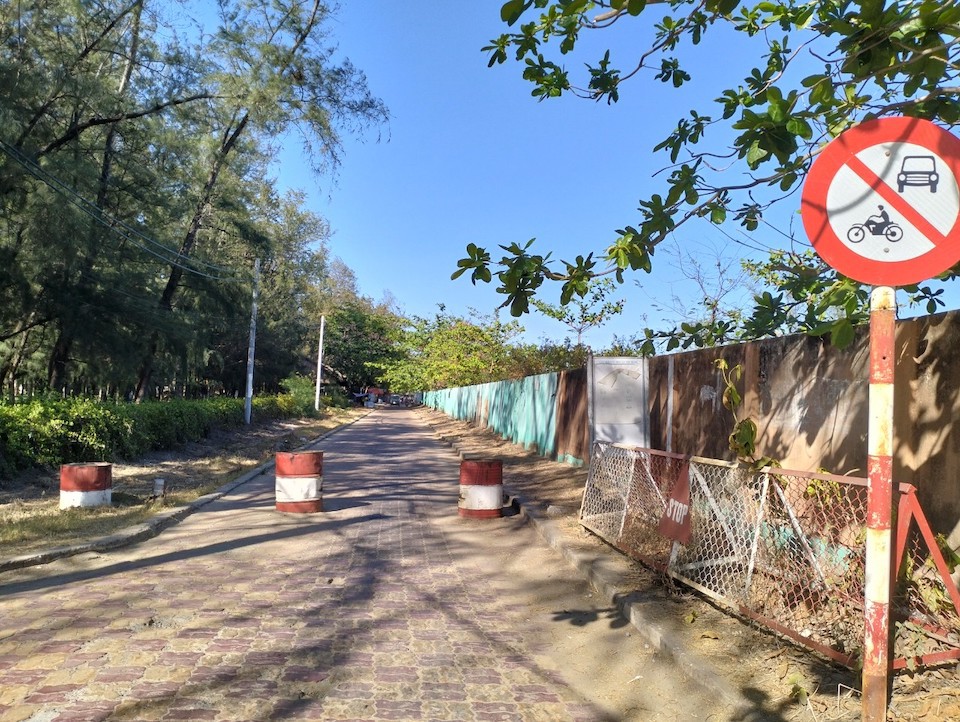
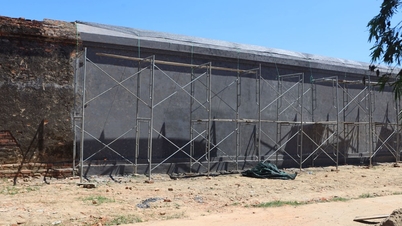
According to our reporter's observations, the lack of tourists during this year's holiday has many causes, but mainly it is due to the relatively extreme hot weather and the fact that many tourism projects have not yet been completed. Specifically, the 30/4 beach area, which attracts the most tourists for swimming, has been closed for renovations.
Regarding the second reason, the coastal area of Can Gio still has many tourist facilities that are abandoned or have been completed but show no signs of ongoing construction, and many beach areas have been fenced off for construction purposes…
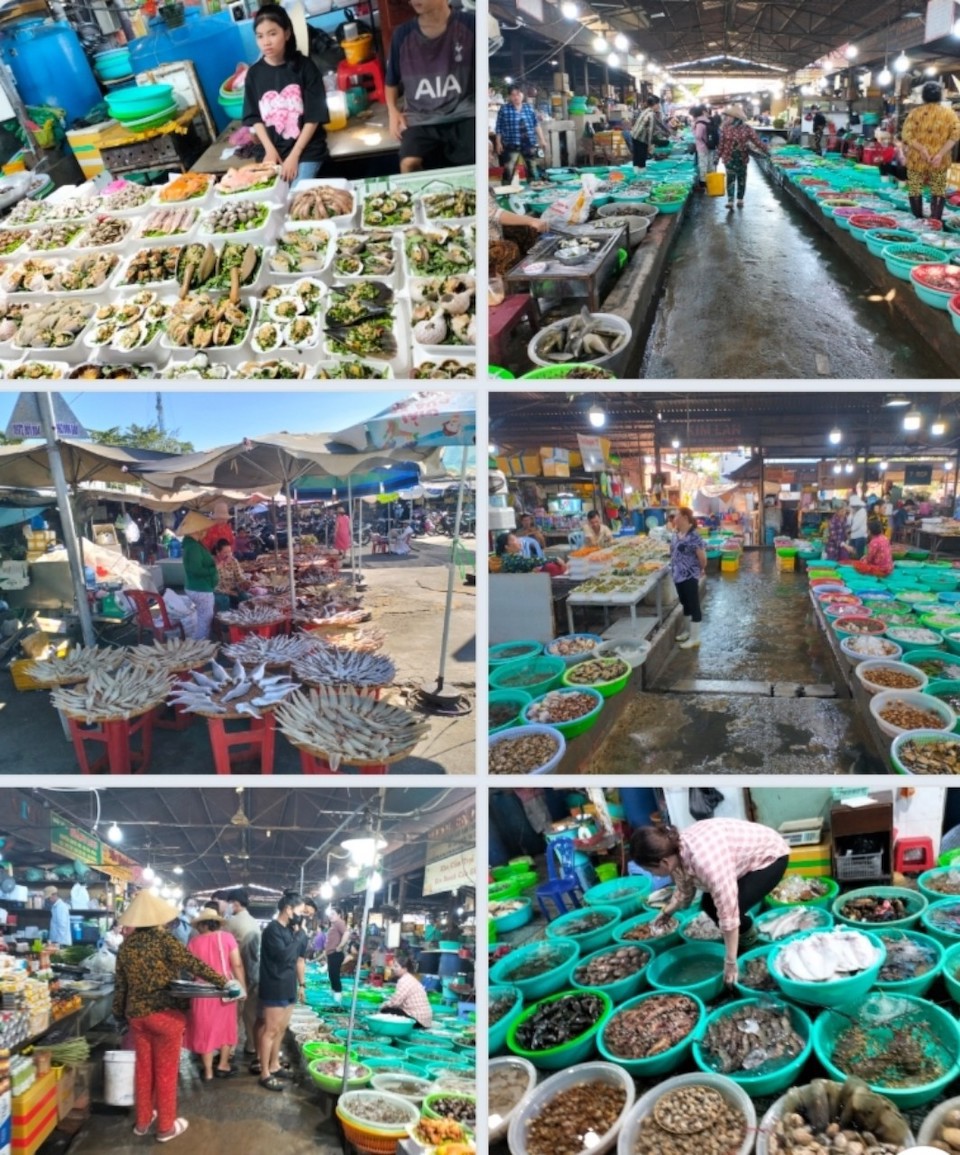
Speaking to reporters, Ms. Hoai Phuong, a vendor at the beach, said: “For the past two years, the 30/4 beach area has been fenced off for the construction of a tourism project, so the swimming space has been limited. Besides that, there are now many ferry services running directly to Vung Tau city, so tourists choose to travel there for their vacations…”
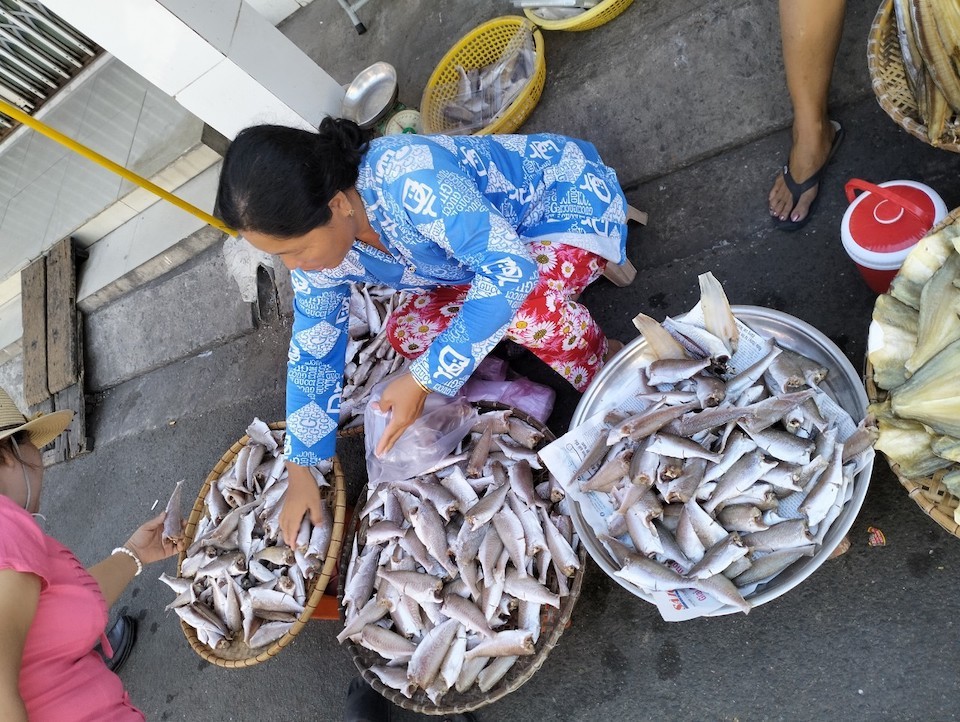
Ms. Xoi, a vendor specializing in sun-dried scad fish at Can Gio market, shared: "Normally, I sell about 60-70 kg of scad fish a day, but today, despite being both the weekend and a public holiday, there are so few customers that I might not even sell as much as on a normal day..."
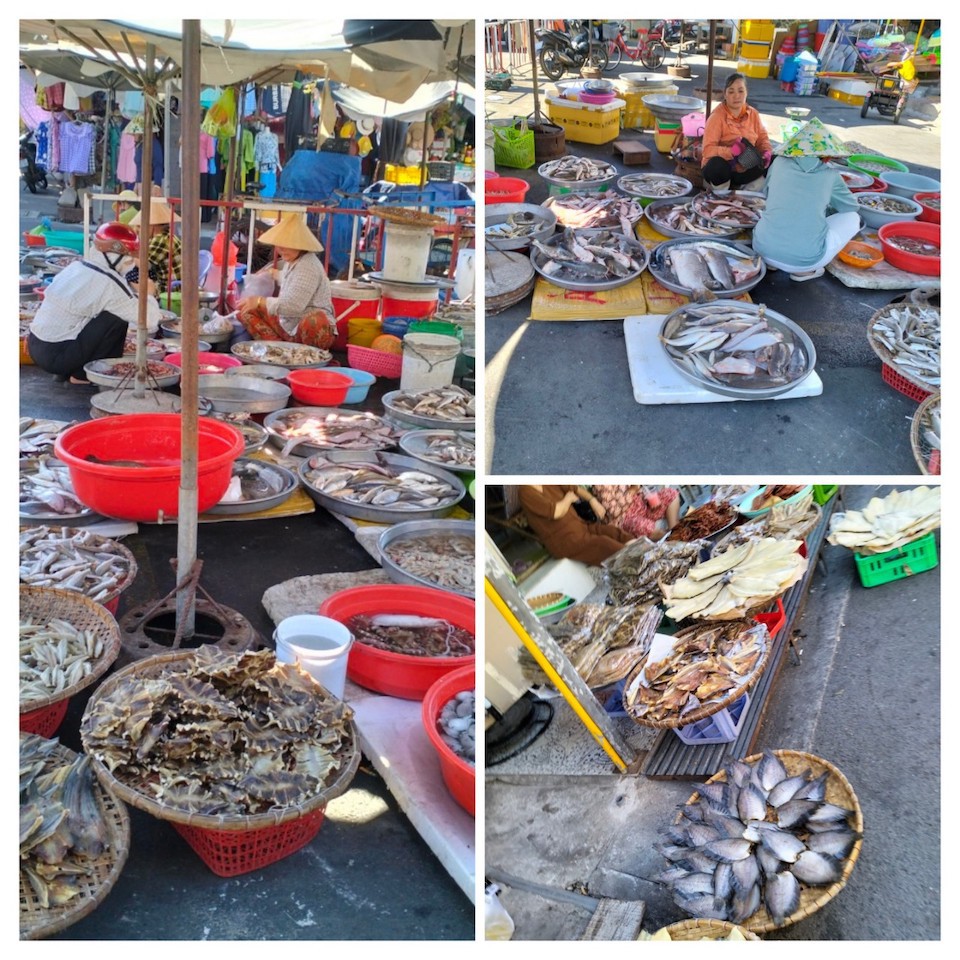
Ms. Ngoc Huyen, a seafood vendor at Hang Duong market, said: “This year, there were fewer customers on weekends and holidays than on weekdays, so sales were relatively slow. Since the construction of the April 30th beach area, the beach has been fenced off, resulting in very few tourists. I and other vendors hope that the April 30th beach will reopen to attract tourists so that we can continue our businesses…”
Furthermore, the bottleneck of the Binh Khanh ferry is a major drawback that frustrates tourists visiting Can Gio, as they have to wait a long time for the ferry. Therefore, the rapid construction of the Can Gio bridge connecting Can Gio and Nha Be to create smooth traffic flow, along with the swift progress of planned major projects, is essential for Can Gio district to develop its economy and tourism to its full potential as a "coastal front" of Ho Chi Minh City. In addition, Can Gio boasts many other tourist attractions such as historical sites, revolutionary bases, and the Sac Forest biodiversity conservation area.
Another issue to consider is that the promotion and attraction of Can Gio to tourists has not received sufficient attention. According to a 2018 survey by the Ho Chi Minh City Department of Tourism, only 40% of residents in the area knew that the city had a beach. To date, this percentage has remained largely unchanged.

Specifically, the Ho Chi Minh City Party Committee has also issued Resolution 12 on the development orientation of Can Gio district until 2030. During this period, Can Gio island district will be built and developed into a green, smart, and environmentally friendly coastal city with ecotourism as its spearhead.
It is expected that in the future, Can Gio will connect with international tourist routes through an international passenger port on the Saigon - Vung Tau waterway. Along with this, the construction of land reclamation urban development projects, when implemented according to the approved plan, will attract many tourists, averaging 12.5% per year, reaching 49 million visitors in the 2021-2030 period.
Source
![[Photo] Ba Lang An Lighthouse - the "eye of the sea" amidst the "rock museum" of Quang Ngai province.](https://vphoto.vietnam.vn/thumb/1200x675/vietnam/resource/IMAGE/2026/05/29/1780038698840_anh-man-hinh-2026-05-29-luc-14-10-42.png)

![[Image] Pleasant weather helps students enter the 10th grade entrance exam with confidence.](https://vphoto.vietnam.vn/thumb/1200x675/vietnam/resource/IMAGE/2026/05/29/1780034401612_ngay-1-thi-lop-10-minh-duy-8-5009-jpg.webp)
















































































Comment (0)