

Mr. Nguyen Thanh Hung from Phu Thai village, Ham Tri commune, Ham Thuan Bac district shared:
Over the years, implementing the policy of converting inefficient rice-growing land to crop rotation, many farmers in Ham Tri commune have boldly chosen the disease-resistant Sen Hong glutinous corn variety, achieving economic efficiency and providing a fairly stable income. Glutinous corn has a short growing season, about 70 days to harvest; it can be planted four times a year, is easy to grow, and requires little care; in the winter-spring season, the corn grows well, yielding 1.5 - 2 tons/sao (1 sao = 360 square meters); fresh corn is purchased by traders at a stable price of about 6 million VND/ton, farmers earn 9 - 12 million VND/sao, after deducting costs of around 4 million VND, the profit is 5 - 8 million VND/sao/season. Due to these favorable factors, for many years, farmers in Ham Tri commune, Ham Thuan Bac district, have confidently chosen this crop for intensive cultivation.
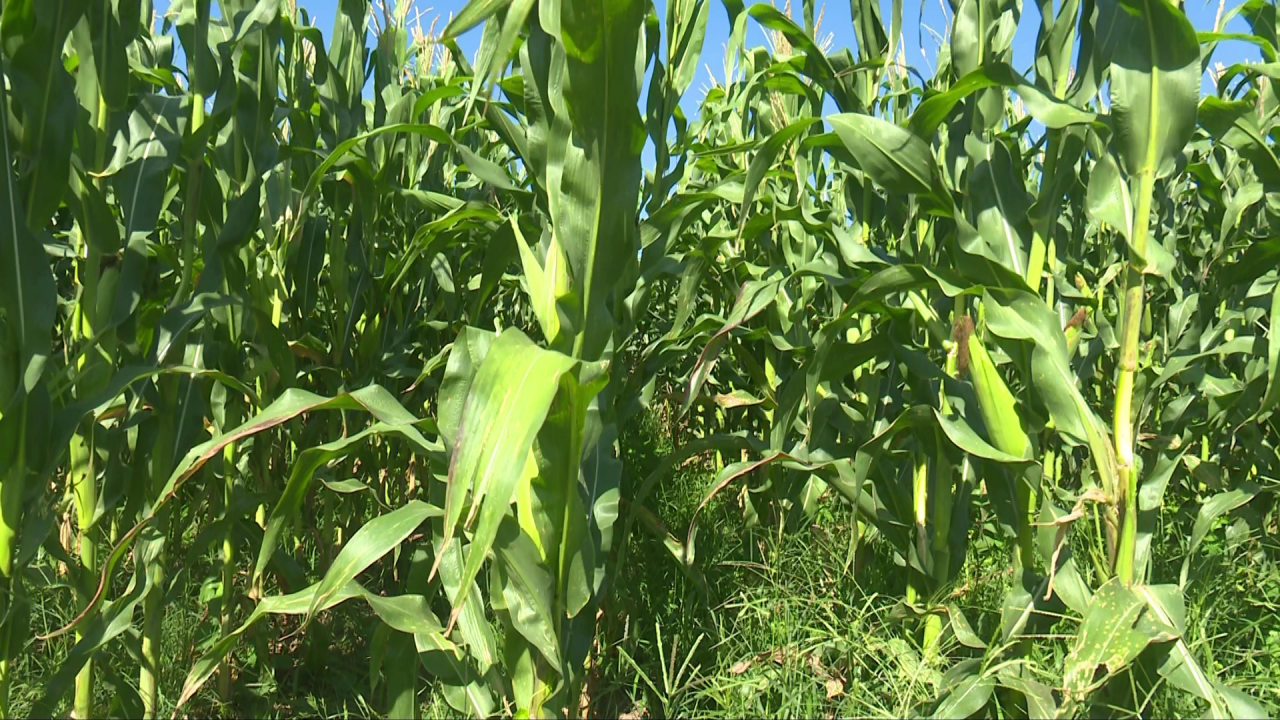
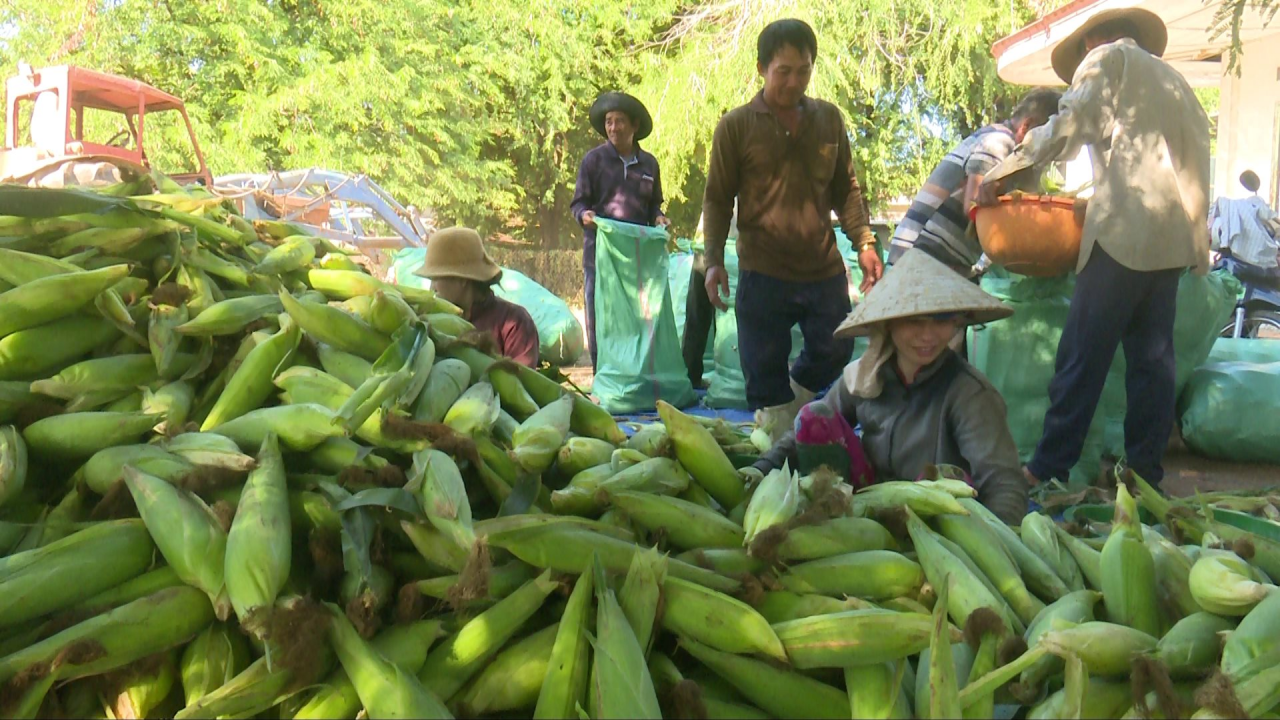
It is known that in Ham Tri commune, there are about 30 households specializing in cultivating 20 hectares of glutinous corn. The average yield of fresh corn ears reaches 15 tons/ha with a stable price of 6 million VND/ton. After deducting costs, farmers earn a profit of about 50 million VND/ha/crop, 2-3 times higher than growing rice. Each year, farmers produce at least 3 crops, earning a profit of about 150 million VND/ha. Most of the land used by farmers to grow glutinous corn is located along the banks of rivers, with flowing water, allowing farmers to have control over irrigation water sources and facilitating intensive cultivation and timely fertilization. Furthermore, these households specializing in glutinous corn cultivation have many years of experience, achieving high yields and relatively stable income. In addition, after harvesting the corn ears, farmers utilize the corn stalks as feed for cattle or as fertilizer, contributing to increased income.
Source

![[Photo] Admire the coral "masterpiece" amidst the million-year-old heritage of Dak Lak province.](https://vphoto.vietnam.vn/thumb/1200x675/vietnam/resource/IMAGE/2026/05/31/1780221235105_anh-man-hinh-2026-05-31-luc-16-53-27.png)

![[Photo] The General Secretary, President and his wife begin their state visit to the Philippines.](https://vphoto.vietnam.vn/thumb/1200x675/vietnam/resource/IMAGE/2026/05/31/1780230559452_anh-man-hinh-2026-05-31-luc-19-28-11.png)
![[Photo] Solemn bathing ceremony and Buddha procession in Hue](https://vphoto.vietnam.vn/thumb/1200x675/vietnam/resource/IMAGE/2026/05/31/1780228263543_1-jpg.webp)








![[Video] Sunset at Lap An Lagoon – Where the sun sets over the fishing nets](https://vphoto.vietnam.vn/thumb/340x192/vietnam/resource/IMAGE/2026/05/31/1780192137701_beach-landscape-sea-water-nature-grass-745871-pxhere-com.jpeg)






































![[Photo] Admire the coral "masterpiece" amidst the million-year-old heritage of Dak Lak province.](https://vphoto.vietnam.vn/thumb/402x226/vietnam/resource/IMAGE/2026/05/31/1780221235105_anh-man-hinh-2026-05-31-luc-16-53-27.png)

































Comment (0)