

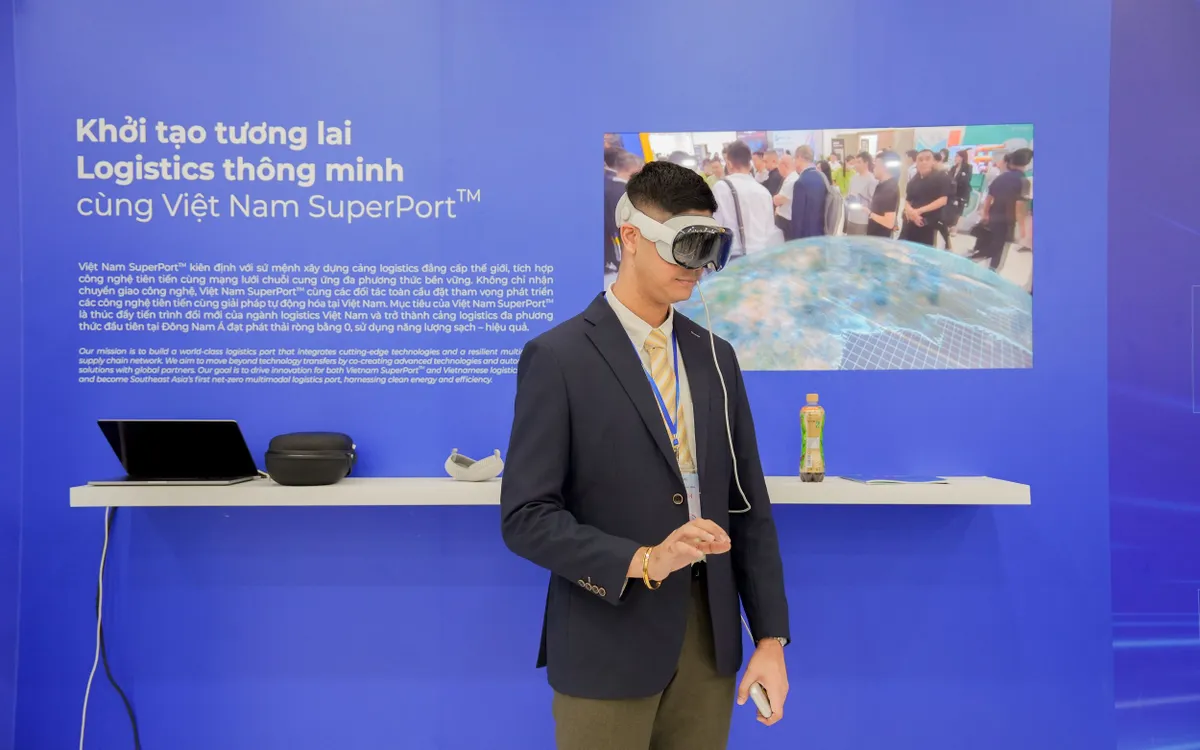
Priority will be given to deploying 6 strategic technology products through a funding and ordering mechanism.
The products include: large-scale language models and virtual assistants; AI edge processing cameras; autonomous robots; 5G mobile networks; blockchain platforms and applications for traceability and digital assets; and unmanned aerial vehicles (UAVs). To implement these, the Ministry of Science and Technology (MST) has identified two main mechanisms: funding and direct procurement.
In this system, businesses, research institutes, and universities can register to undertake core technology modules or specific tasks. The ordering mechanism, on the other hand, is based on practical needs to propose the selection or direct assignment of research, development, testing, and transfer of products to businesses and organizations.
The goal is to gradually master high-level core technologies, increase the localization rate, enhance domestic value, eventually replace some imported products, and aim for export.
To implement the program, the Ministry of Science and Technology identified two main mechanisms: funding and commissioning.
With this funding mechanism, businesses, research institutes, and universities can register to carry out core technology modules or specific research tasks.
Meanwhile, under the ordering mechanism, ministries, sectors, and localities propose tasks to the Ministry of Science and Technology based on practical needs. Based on this, the Ministry will organize an advisory council to select or directly assign tasks to enterprises and science and technology organizations to carry out research, development, testing, and product transfer.
For commissioned projects, the proposing agency must not only state the need but also clearly define the objectives, expected results, effectiveness, and impact of the product; and simultaneously develop a plan for using the results and assess the potential for commercialization. This is considered an important basis for ensuring that strategic technology projects stem from practical needs, avoiding fragmentation and improving investment efficiency.
At the same time, the Ministry of Science and Technology also emphasized the need to promote the "three-party" cooperation model between the State, research institutes/universities, and businesses; forming research and development alliances based on the practical needs of businesses and the market, thereby contributing to the creation of strategic "Make in Vietnam" technology products to serve the rapid and sustainable development of the country in the new period.
Source: https://vtv.vn/uu-tien-trien-khai-6-san-pham-cong-nghe-chien-luoc-100260317112226612.htm
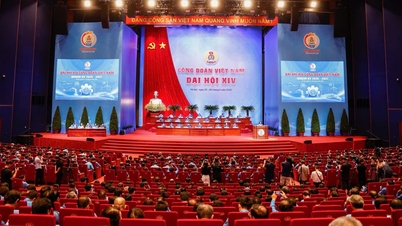
![[Photo] First session of the 14th Congress of the Vietnam Trade Union](https://vphoto.vietnam.vn/thumb/1200x675/vietnam/resource/IMAGE/2026/06/03/1780465947883_ndo_br_img-3852-jpg.webp)
![[Photo] Secretary of the National Assembly Party Committee, Chairman of the National Assembly presides over the meeting of the Standing Committee and Executive Committee of the National Assembly Party Committee.](https://vphoto.vietnam.vn/thumb/1200x675/vietnam/resource/IMAGE/2026/06/03/1780480353201_ndo_br_bnd-2585-jpg.webp)



![[Photo] General Secretary and President To Lam presides over a meeting with the Central Organizing Committee.](https://vphoto.vietnam.vn/thumb/1200x675/vietnam/resource/IMAGE/2026/06/03/1780482764658_a1-bnd-4741-3342-jpg.webp)













































![[Video] Sunset at Lap An Lagoon – Where the sun sets over the fishing nets](https://vphoto.vietnam.vn/thumb/1200x675/vietnam/resource/IMAGE/2026/05/31/1780192137701_beach-landscape-sea-water-nature-grass-745871-pxhere-com.jpeg)





























Comment (0)