

Recently, I read an article about the need for a special funding mechanism for the 1 million hectare rice project. The article stated: "...Financially, it is projected that by 2030, the project will require approximately 3 billion USD, of which 1 billion USD will come from foreign loans...".
This is a significant amount; in Vietnamese currency, 1 billion USD would be approximately 25,000 billion VND, and 3 billion USD would be 75,000 billion VND! How this money will be used effectively is a question that I and other scientists are still pondering.
Party and State leaders have always reminded localities to find ways to increase people's income. I wonder how much more money farmers in the project area will earn per hectare of rice cultivation with this project? This is not mentioned in the project document.
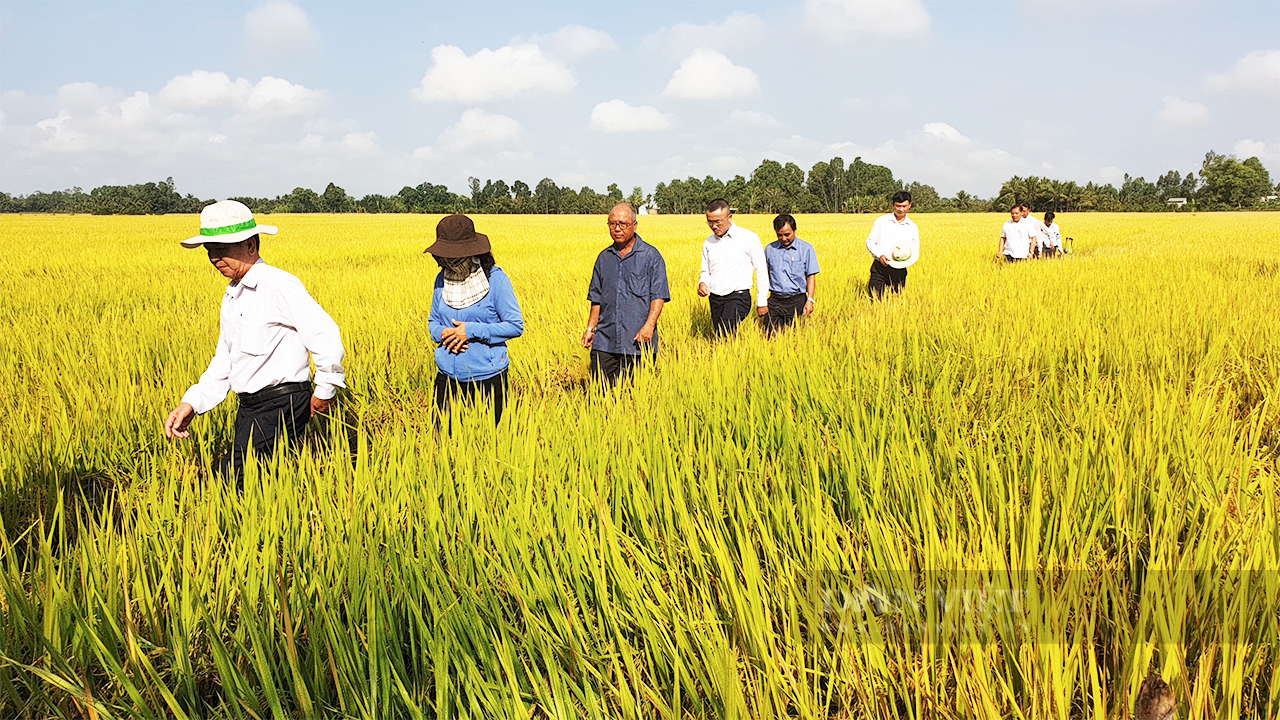
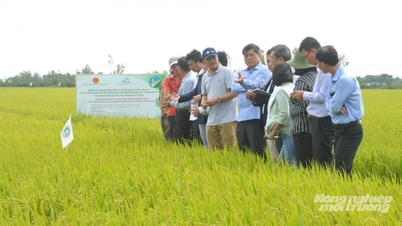
The Prime Minister has requested the Ministry of Agriculture and Rural Development to take the lead and coordinate with localities to develop a sustainable production plan for 1 million hectares of high-quality rice in the Mekong Delta. (Photo: Huynh Xay)
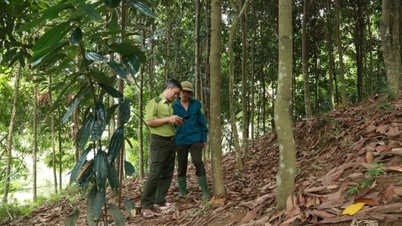
Especially now, during the production transformation process, mountainous regions have many opportunities to thrive thanks to the introduction of a series of promising crops into cultivation. We have countless examples of farmers in mountainous areas achieving remarkable success right on their barren land.
I was invited to participate in judging the "Outstanding Vietnamese Farmers" selection organized by the Central Committee of the Vietnam Farmers' Association , and I saw that many farmers in mountainous areas have made significant progress and improved their lives.
Tens of thousands of barren hills are now being gradually transformed by local people into orchards and forests of large timber trees, each worth tens of billions of dong. In my opinion, if we have the money, we should invest in this most disadvantaged area to turn it into a land of opportunity!
Regarding the Mekong Delta, we need to consider this carefully. We shouldn't assume: We must worry about the world, ensure food security for other countries, focus our efforts on combating emissions, and reduce carbon emissions in the atmosphere... This is a huge issue, and the whole world needs to address it. In my opinion, we should participate, but we should consider many things. They're raising oil prices so drastically; is anyone thinking about our people...?
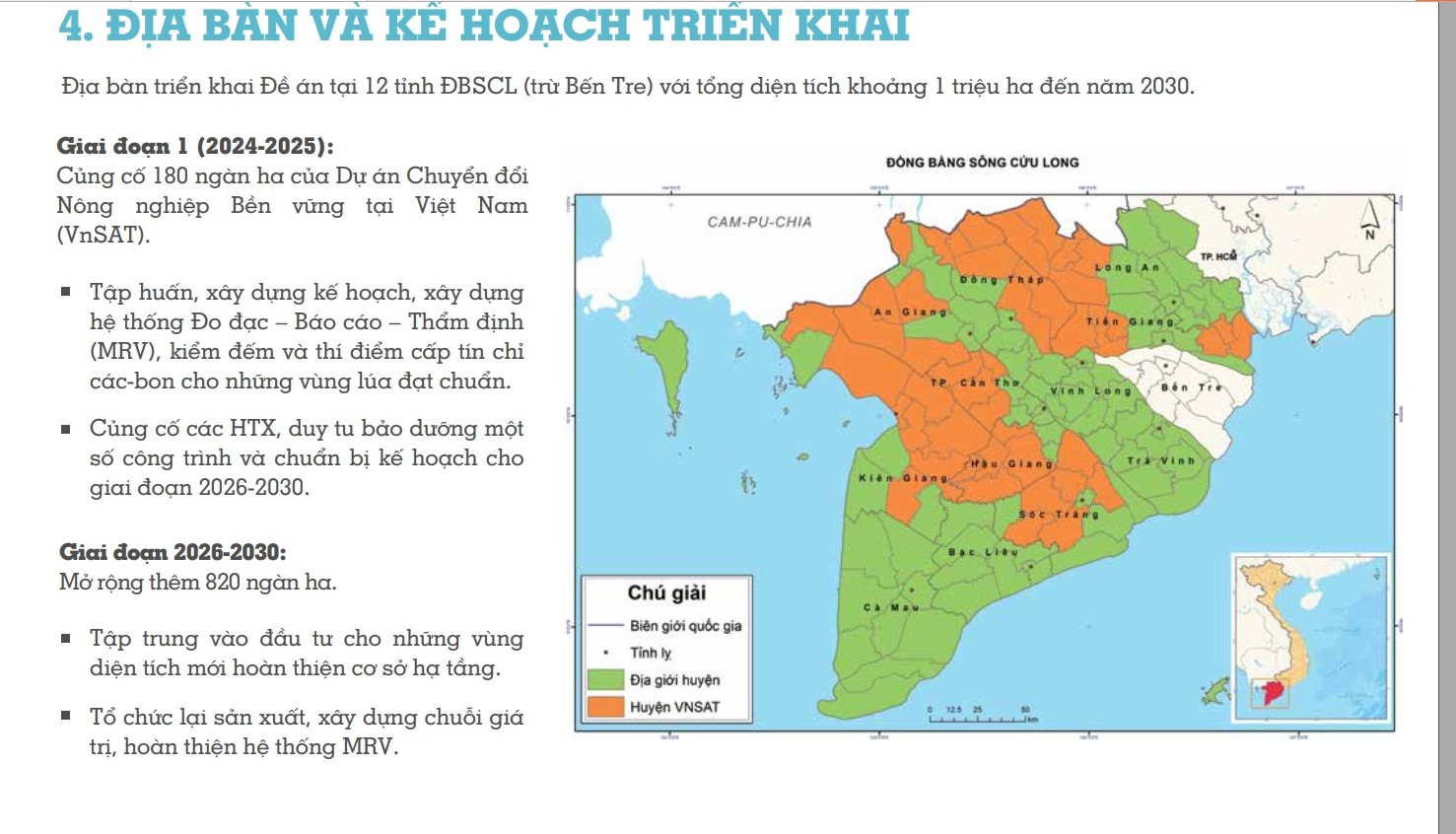
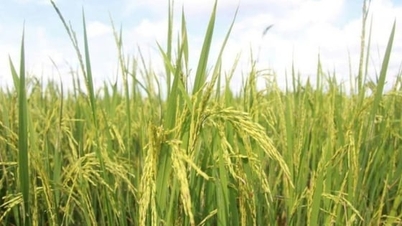
The project to cultivate 1 million hectares of high-quality rice with reduced emissions will be implemented in 12 provinces of the Mekong Delta.
I searched through my archives and found two articles by the late Deputy Prime Minister Nguyen Cong Tan, written more than 10 years ago, published in the Vietnam Agriculture Newspaper on August 6, 2013, and in the Tuoi Tre Newspaper on July 8, 2013.
The Deputy Prime Minister argued: "The entire population of Vietnam consumes less than 20 million tons of rice per year, plus another 5 million tons in reserves to ensure food security. Therefore, we only need 5 million hectares of rice fields per year to produce 30 million tons."
He proposed converting those 2 million hectares to growing flowers, grass, and ornamental plants, and building embankments for fish farming in areas suitable for fish farming... The Deputy Prime Minister noted that rice production lags far behind the profitability of coffee, rubber, pepper, vegetables, and fruits...
He suggested shifting some areas towards animal feed production. He calculated that 1 hectare could support at least 10 dairy cows, including 5 milking cows, yielding 25 tons of milk per hectare per year.
The Deputy Prime Minister's thoughts from over 10 years ago are worth considering. In recent years, the One Commune One Product (OCOP) movement has flourished, contributing to the strong transformation of rural Vietnam. Hundreds of new industries have been born. The revenue from these industries has completely changed the face of rural areas.
In the Mekong Delta alone, farming in many areas has yielded incomes ten times higher than rice cultivation. Recently, in Tien Giang and some other provinces, farmers have been very enthusiastic about these new occupations.
Thousands of fruit orchards are springing up, attracting the attention of millions of farmers in the Mekong Delta. This helps them earn significantly higher incomes compared to rice farming. And that's not even considering that we are not yet a wealthy country. Therefore, careful consideration is needed regarding where to invest funds to help farmers improve their livelihoods.
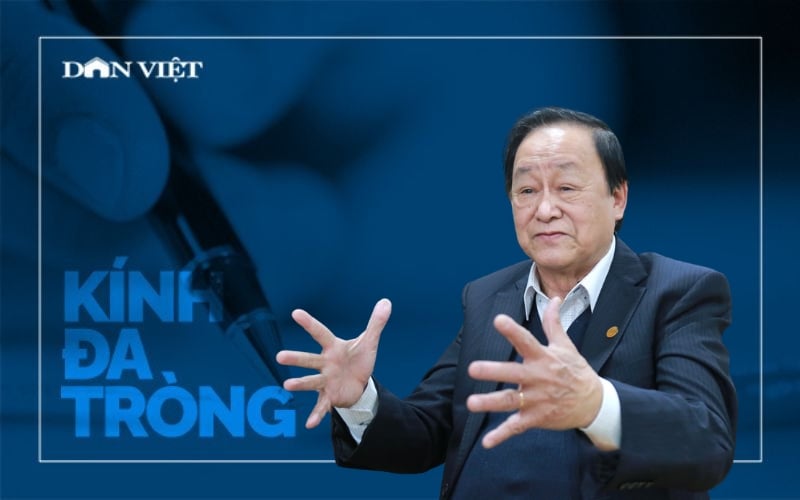
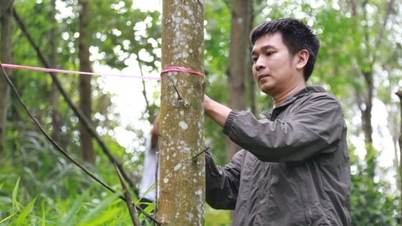
The author of the article is expert Nguyen Lan Hung - General Secretary of the Vietnam Association of Biological Sciences. Photo: DV
I remember a conference in Hanoi some time ago, organized by the World Bank in collaboration with the Ministry of Agriculture and Rural Development, to discuss agricultural production in the Mekong Delta. Associate Professor Dr. Nguyen Dang Vang (then Director of the Institute of Animal Husbandry) suggested that the Mekong Delta should reclaim some land for growing corn and soybeans to avoid excessive imports of these crops. I, on the other hand, proposed converting a portion of rice paddies to fruit tree cultivation, which would yield significantly higher income.
However, the chairman reminded us that what we said was not in line with the food security policy. We had to accept what they said, but I was not convinced.
Later, during a trip with Mr. Nguyen Cong Tan, he confided: "For a long time, we have only focused on productivity and rice exports...". Unfortunately, he had already retired by then.
Rice has always held an extremely important position. The issue of "food security" for the country must be given top priority. But we have completely ensured this.
Therefore, the National Assembly and the Government should carefully consider the effectiveness of the investment in the "1 million hectares of rice in the Mekong Delta" project. We also need to consider allocating investment capital to other crops and other activities that can significantly increase the income of farmers in the Mekong Delta, in addition to rice cultivation.
Source: https://danviet.vn/vai-suy-nghi-ve-chuong-trinh-1-trieu-hecta-lua-20240905132826787.htm


![[Image] Central Party Office summarizes work in 2025](/_next/image?url=https%3A%2F%2Fvphoto.vietnam.vn%2Fthumb%2F1200x675%2Fvietnam%2Fresource%2FIMAGE%2F2025%2F12%2F18%2F1766065572073_vptw-hoi-nghi-tong-ket-89-1204-jpg.webp&w=3840&q=75)






















































Comment (0)