

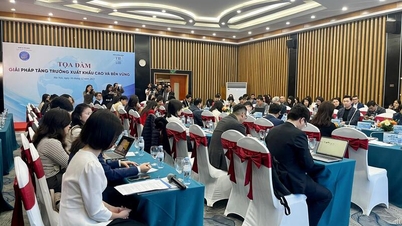
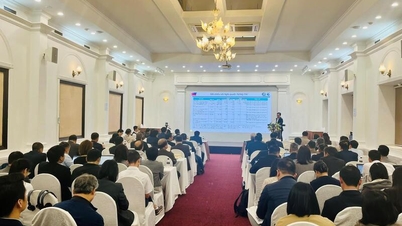
The project to cultivate 1 million hectares of high-quality, low-emission rice in the Mekong Delta is entering its accelerated phase, aiming to restructure the rice industry towards a green, sustainable direction and meet international market standards. At the Vietnam-Japan cooperation conference, many businesses and localities affirmed their readiness to expand the low-carbon rice production model and requested Japan's support in technology, investment, and market development.
Vietnam is implementing a project to sustainably develop 1 million hectares of high-quality, low-emission rice cultivation in the Mekong Delta by 2030, linked to green growth. The project aims to enhance the value of the rice industry, establish a brand of green, clean, low-emission rice, and support Vietnam in achieving its net-zero emissions commitment by 2050 under COP26.
The project to cultivate 1 million hectares of high-quality, low-emission rice in the Mekong Delta aims to reduce greenhouse gas emissions from rice production to below 10%, ideally reaching 5-7%. The project seeks to establish a green rice value chain, effectively manage rice straw, reduce losses, and commercialize carbon credits.
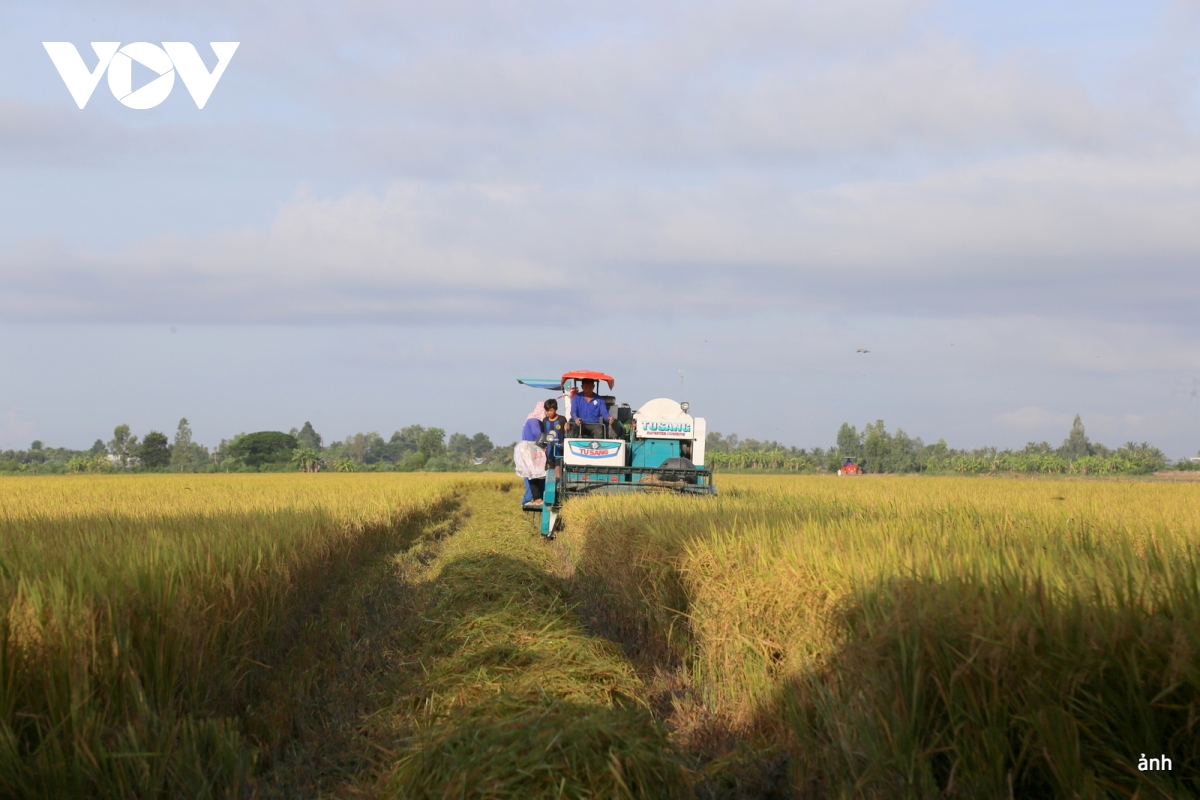
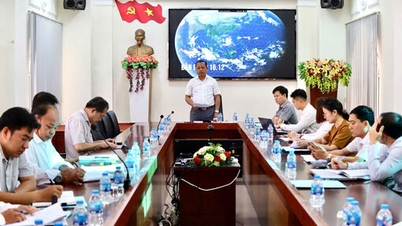
The project to cultivate 1 million hectares of high-quality, low-emission rice in the Mekong Delta is entering its accelerated phase.
Mr. Pham Thai Binh , Chairman of the Board of Directors of Trung An High-Tech Agriculture Joint Stock Company, said that the company has pioneered participation in low-emission rice production models within the framework of the 1 million hectare project. To date, the company has exported its first batch of reduced-emission rice, with a production volume of 500 tons, to Japan, which has been highly appreciated by the Japanese market and many other countries. In the 2025-2026 Winter-Spring crop season, the enterprise will continue to expand low-emission rice production across all linked fields in the Mekong Delta.
Mr. Pham Thai Binh stated that low-carbon rice not only benefits businesses and farmers but also contributes to the global goal of reducing emissions in the context of increasingly extreme climate change. Vietnam is one of the pioneering countries with the goal of producing 1 million hectares of high-quality, low-emission rice.
According to Mr. Binh, to expand production on a large scale, the bottlenecks that need to be addressed include approving projects at the provincial level so that businesses and cooperatives have a basis for linkage; completing procedures so that banks can provide loans to serve the production chain; and accelerating the implementation progress in localities. Once the mechanism is perfected, models that have proven effective can be fully replicated, meeting the large demand of the world market for reduced-emission rice.
"The central company participating in low-emission rice cultivation projects has exported the first 500 tons to Japan and has received very positive feedback from many countries. The 2025-2026 Winter-Spring crop will continue to be implemented on a large scale in all its linked fields in the Mekong Delta region, which will clearly increase farmers' income, reduce production costs, and especially, the value of rice exported by businesses will also reach very high levels," Mr. Binh shared.
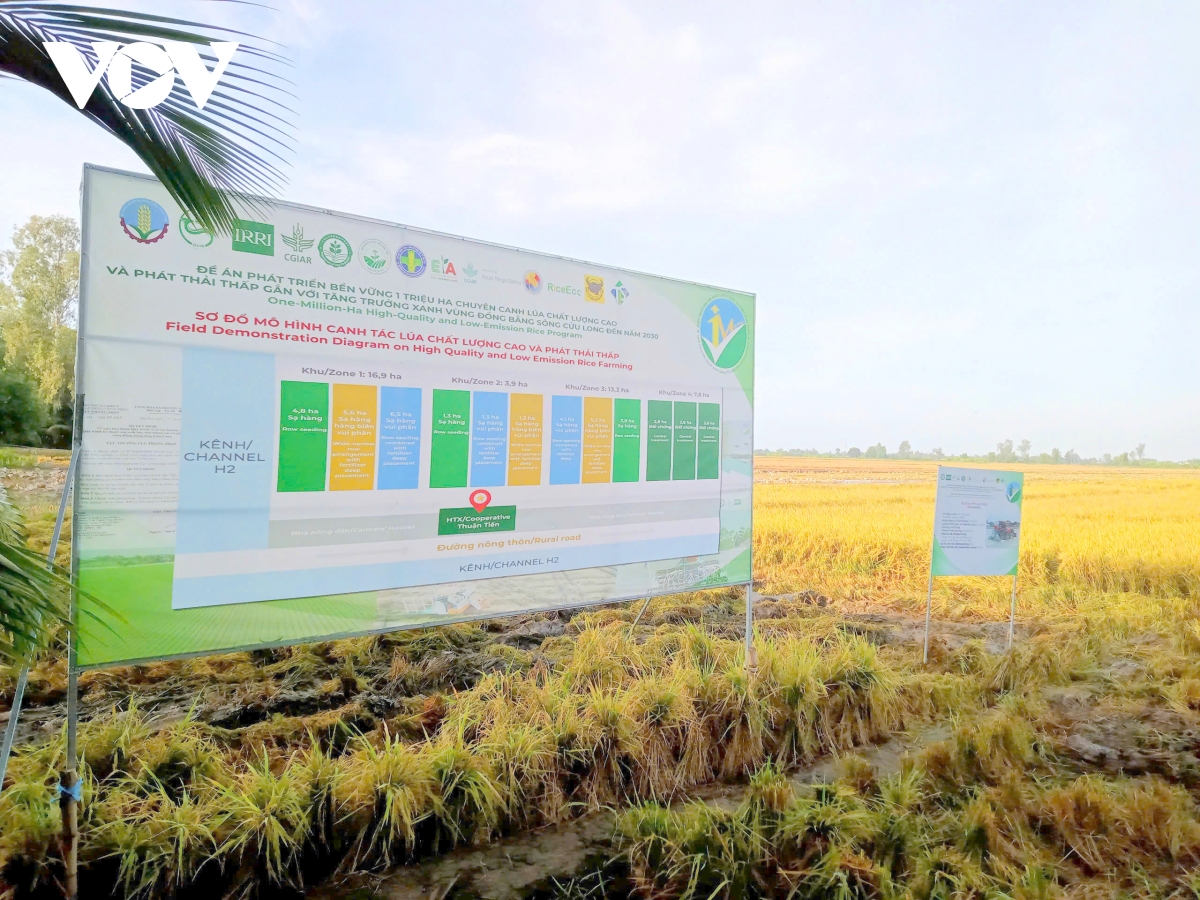
The project to cultivate 1 million hectares of high-quality, low-emission rice in the Mekong Delta aims to reduce greenhouse gas emissions.
According to Mr. Le Duc Thinh, Director of the Department of Cooperative Economics , Ministry of Agriculture and Environment, after two years of implementation, the project has achieved significant results. Nearly 550,000 hectares have applied emission reduction processes; productivity has increased by about 0.5 tons/ha; costs have decreased by 2-5 million VND/ha; water drainage is 2-3 times/crop; and the average emission reduction is about 4 tons of CO₂/ha. Of the 354,000 hectares currently implementing all processes, over 7,490 hectares have achieved VietGAP certification, and 5,000 hectares have registered for food safety standards; seed usage has been reduced to 70-100 kg/ha.
However, the Ministry of Agriculture and Environment believes that stronger investment in production organization and science and technology is needed to meet technical requirements. Vietnam hopes that Japan will cooperate in science and technology in production, preservation, processing, mechanization, straw management, soil protection, traceability, digital transformation; developing a market for low-emission rice, green finance, carbon credits, MRV systems; and training and capacity building for cooperatives, farmers, managers, and the agricultural extension system.
Mr. Le Duc Thinh emphasized: "We hope to cooperate with the Japanese side in developing the rice market, reducing emissions, and in green finance. This is an area where we know the Japanese side is far ahead, and we want to learn about building carbon credits and operating efficient carbon markets. We also hope to work with Japanese businesses to develop MRV systems, measure emissions reduction, and certify low-emission rice products."
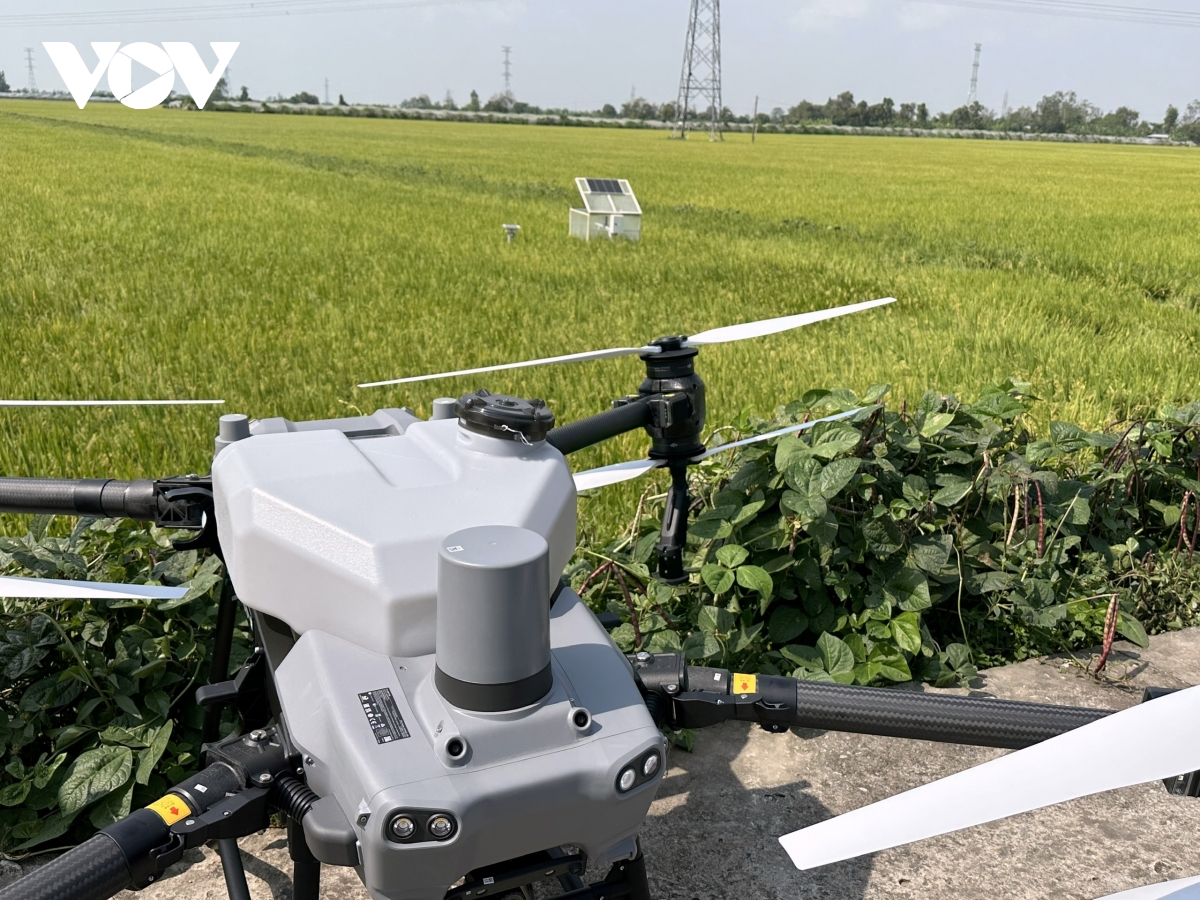
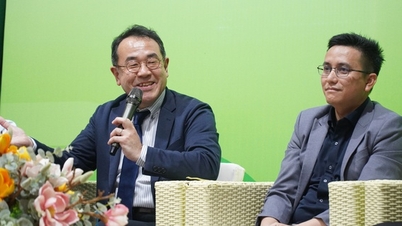
With Japan's technological advantages and Vietnam's commitment to green transformation, the parties expect to form a rice value chain.
According to Ms. Nguyen Thi Giang, Deputy Director of the Department of Agriculture and Environment of Can Tho City, the city currently plays a central role in rice production in the Mekong Delta region with over 718,000 hectares planted annually, and a projected output of approximately 4.7 million tons in 2025. Recently, Can Tho has collaborated with the Ministry of Agriculture and Environment to implement 12 pilot models under the "1 Million Hectare" project, each model covering 50 hectares. Results show a 20% increase in profit compared to conventional production; a 40-50% reduction in seed quantity; over 30% reduction in fertilizer use; a 2-3 reduction in pesticide spraying; and a 30-40% saving in irrigation water. Yields increased by 0.3-0.7 tons/ha, and profits increased by 1.3-6 million VND/ha. Effective straw management helps farmers increase their income by approximately 33 million VND/ha/year, while also increasing the use of organic fertilizers and significantly reducing the use of inorganic nitrogen fertilizers.
According to Ms. Nguyen Thi Giang, the implementation process still faces several difficulties, such as the lack of a national standard for high-quality, low-emission rice; limited data collection capacity among farmers and cooperatives; inconsistent digital data systems; high investment costs for technological equipment; and uneven mechanization. Therefore, Can Tho wants to cooperate with Japanese businesses in researching climate-resilient rice varieties, applying emission measurement technology, developing mechanization, and establishing large-scale raw material areas. Simultaneously, Can Tho commits to working alongside Japanese businesses in building a brand for low-emission rice and promoting exports.
"We will coordinate support for businesses and farmers in research on varieties, mechanization, and collaboration with research institutes and universities to develop climate-resilient varieties and improve quality to meet the Japanese market's requirements, such as the desired seed quality to suit Japanese market needs. We will also research and transfer implementation solutions for field action to reduce emissions," Ms. Giang stated.
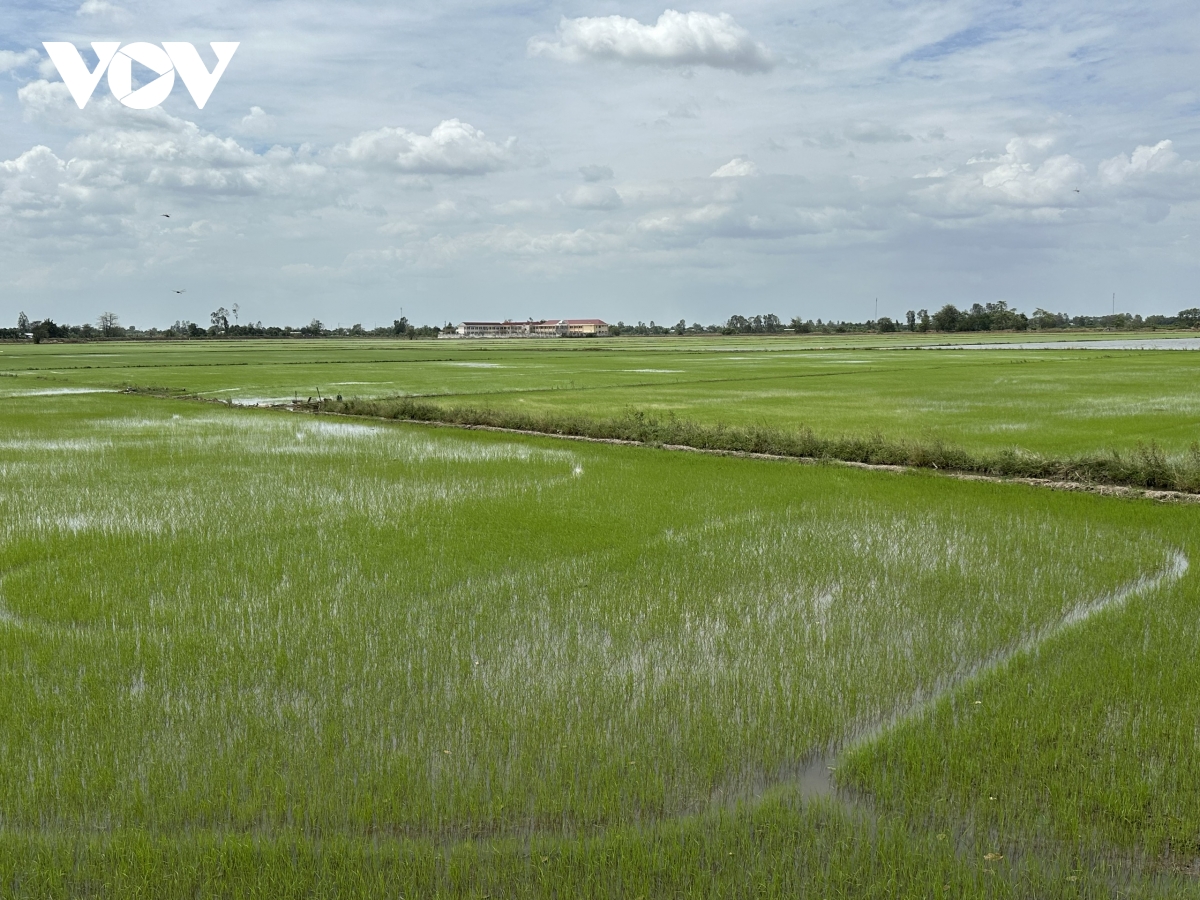
The Mekong Delta region is considered the rice granary of the whole country.
Mr. Nguyen Do Anh Tuan, Director of the International Cooperation Department, Ministry of Agriculture and Environment, said that in the 1 million hectare project, Vietnam hopes Japan will focus on promoting technological cooperation and investment to develop high-quality, low-emission rice growing areas. Many areas of cooperation are expected, such as piloting a carbon credit payment mechanism, a field currently attracting interest from Japanese businesses; investing in mechanization and precision technology in irrigation, fertilization, sowing, and harvesting, with potential participation from Kubota, Yamaha, and Satake; and investing in deep processing and developing low-emission rice brands, with Vietnam having already exported its first batch of low-emission rice to Japan.
Mr. Nguyen Do Anh Tuan stated that the Ministry of Agriculture and Environment hopes Japanese businesses will participate in the pilot program starting from the 2025-2026 Winter-Spring crop season, in the context of Vietnam's goal of achieving 350,000-400,000 hectares of high-quality, low-emission rice by the end of 2026. Central and local authorities are committed to creating the most favorable mechanisms for investors. Simultaneously with the pilot program, Vietnam is finalizing the legal framework for carbon credit trading, including a mechanism for transferring carbon credits between the Vietnamese and Japanese governments, and supporting policies to ensure that carbon credits and low-emission rice can participate in the global market.
According to Mr. Tuan: "Japanese businesses are considering investing in mechanization and precision technology. For example, regarding resource conservation, reducing irrigation water, and reducing fertilizer use, Japanese companies that are very famous worldwide, such as Yamaha, Kubota, and Satake, have great potential for investment, including selling machinery or investing in building factories to produce machinery in Vietnam to support technologies for alternating wet and dry irrigation, precision sowing, and smart harvesting."
Leveraging Japan's technological advantages and Vietnam's commitment to green transformation, the parties expect to form a leading low-emission rice value chain in the Mekong Delta, encompassing cultivation technology, deep processing, and carbon credit commercialization. Once the carbon credit mechanism is perfected, the high-quality, low-emission rice model is considered ready for widespread adoption throughout the region, making a significant contribution to the Net Zero goal by 2050 and enhancing Vietnam's rice standing in the global market.
Pham Hai/VOV-Mekong Delta

![[Image] Leaked images ahead of the 2025 Community Action Awards gala.](/_next/image?url=https%3A%2F%2Fvphoto.vietnam.vn%2Fthumb%2F1200x675%2Fvietnam%2Fresource%2FIMAGE%2F2025%2F12%2F16%2F1765882828720_ndo_br_thiet-ke-chua-co-ten-45-png.webp&w=3840&q=75)
![[Photo] Prime Minister Pham Minh Chinh receives Lao Minister of Education and Sports Thongsalith Mangnormek](/_next/image?url=https%3A%2F%2Fvphoto.vietnam.vn%2Fthumb%2F1200x675%2Fvietnam%2Fresource%2FIMAGE%2F2025%2F12%2F16%2F1765876834721_dsc-7519-jpg.webp&w=3840&q=75)





















































Comment (0)