

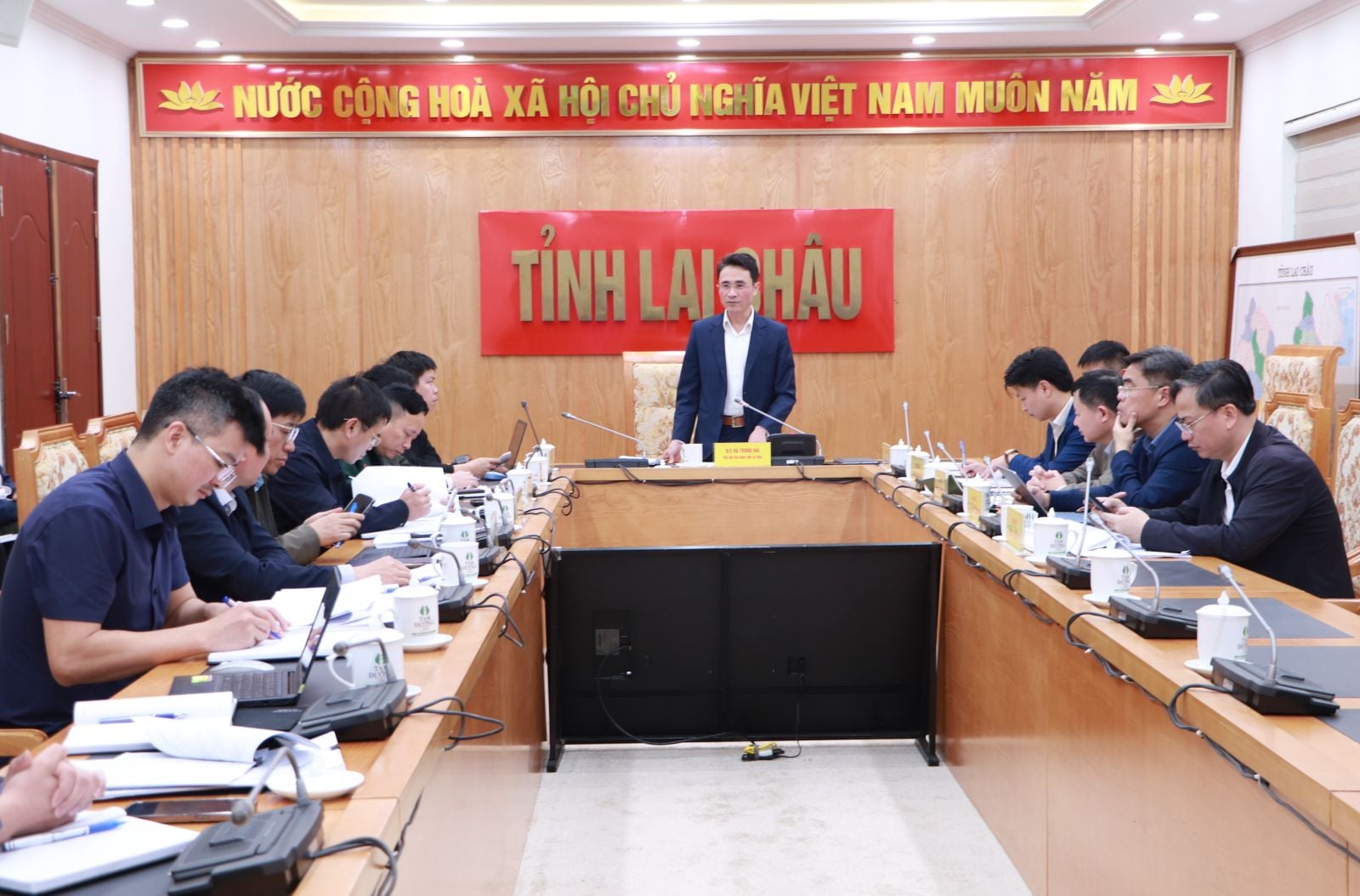
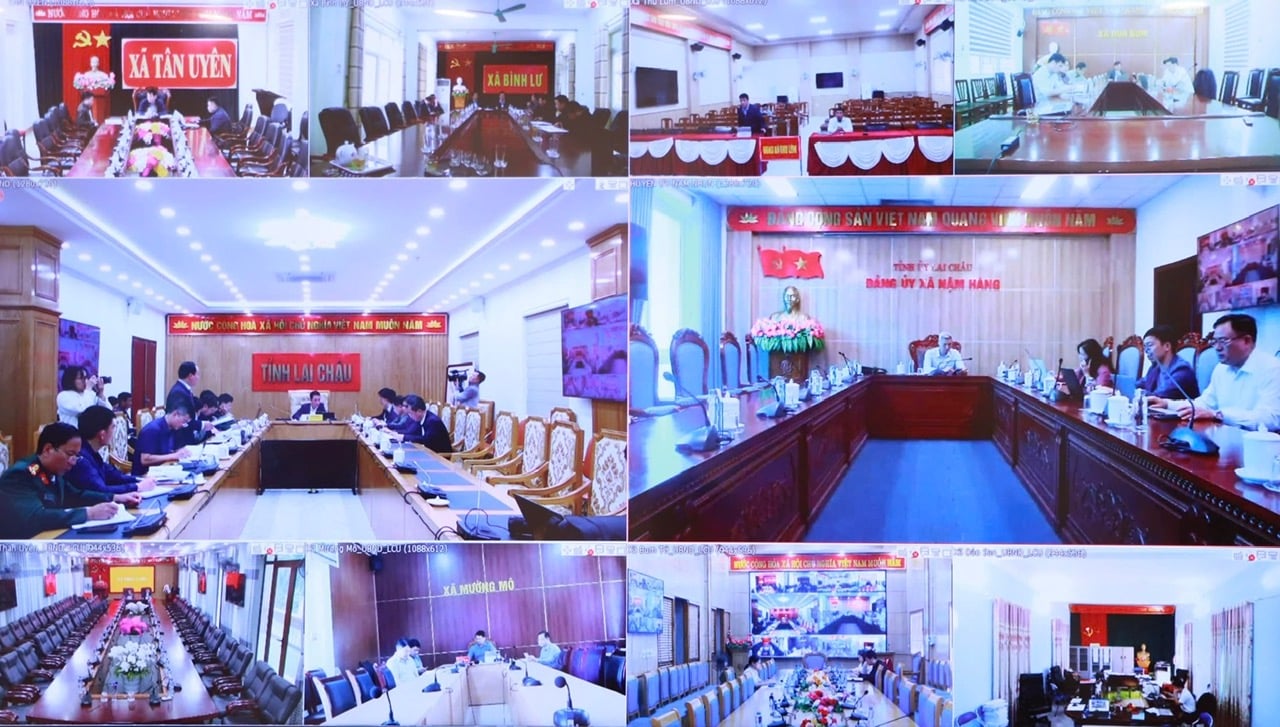
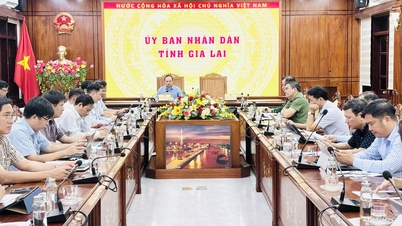
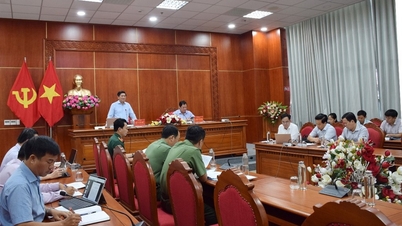
The meeting was held in a hybrid format, combining in-person and online participation, connecting to 34 locations in communes across the province.
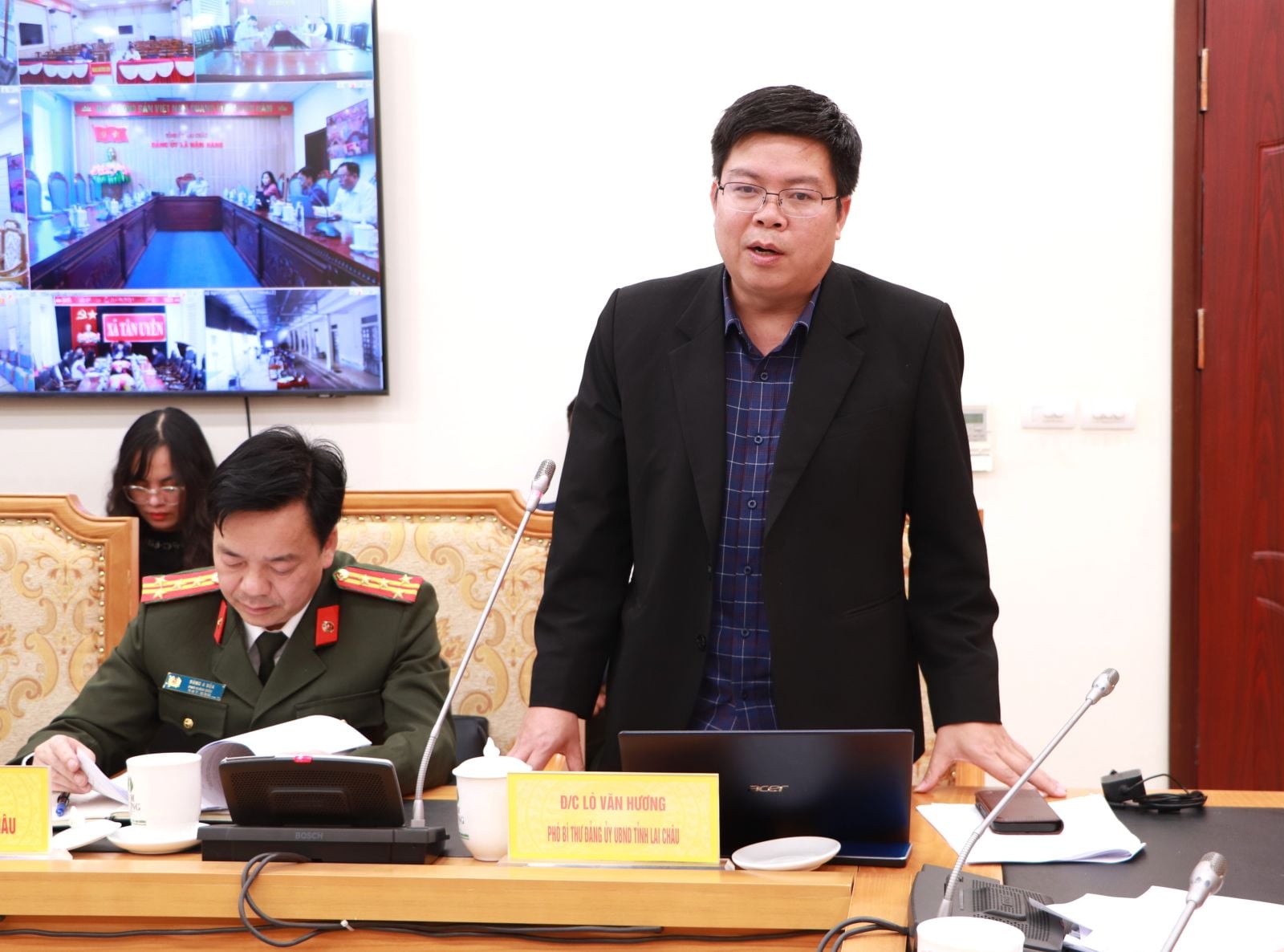
Attending the meeting were Comrade Lo Van Huong - Standing Deputy Secretary of the Party Committee of the Provincial People's Committee; representatives and specialists from the following departments and agencies: Provincial Police; Provincial Military Command; Construction; Finance; Agriculture and Environment; Industry and Trade; Culture, Sports and Tourism; Provincial People's Committee Office; and Land Development Center.
Attending the meeting at the commune-level locations were representatives from the Standing Committee of the Party Committee, the People's Committee, the Vietnam Fatherland Front Committee, and relevant departments and agencies.
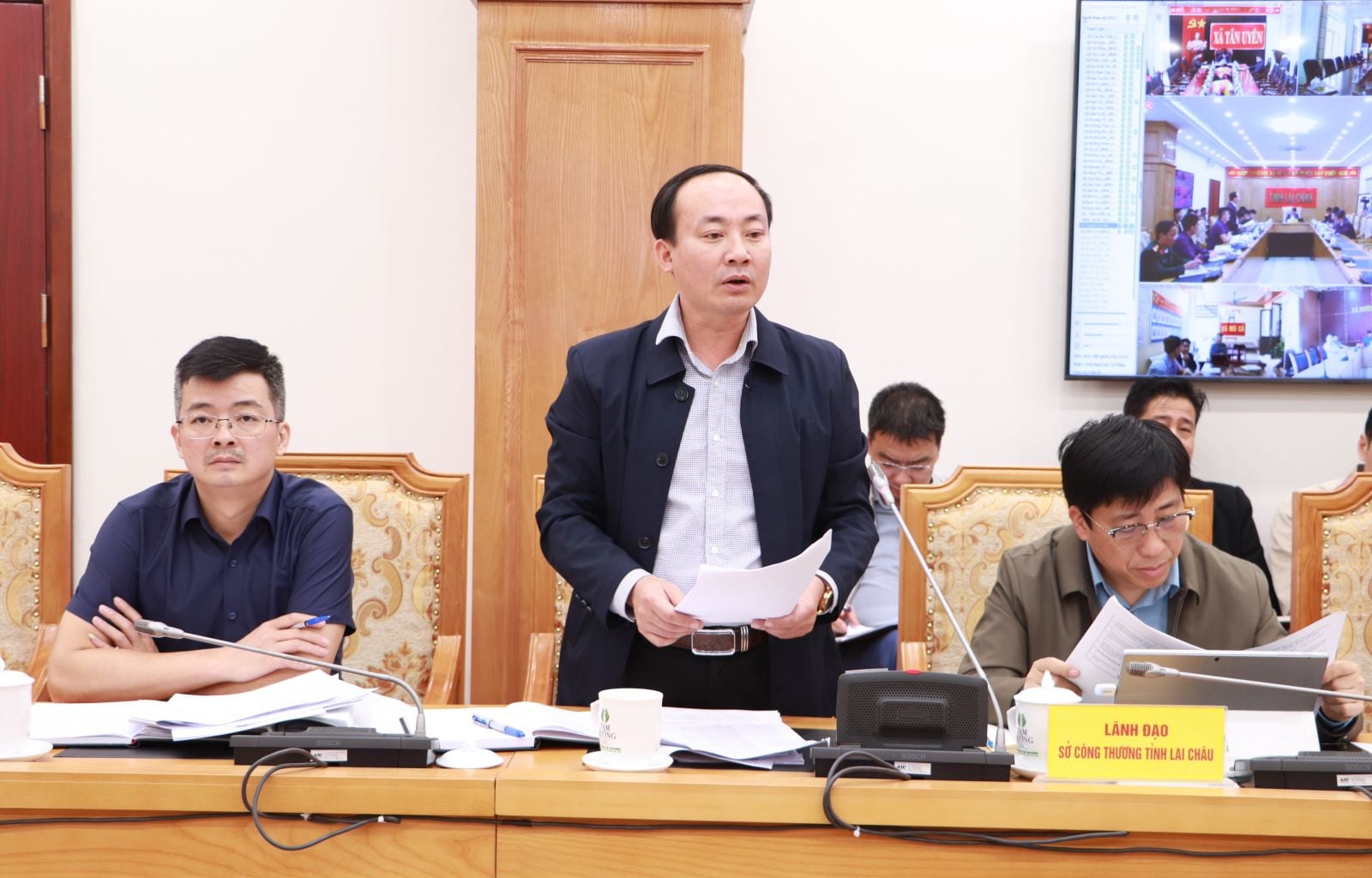
At the meeting, representatives from the Department of Construction reported on the progress of urban and rural planning and adjustments in the province following the reorganization of the two-tiered local government. Accordingly, in implementing the Provincial People's Committee's directive on reviewing, preparing, and adjusting urban and rural planning after the reorganization of the two-tiered local government, planning work in the province has been implemented synchronously, gradually meeting the requirements of socio -economic development and construction space management.
According to the Department of Construction's report, after the reorganization of local government into a two-tier system, planning work continued to receive close attention and guidance from the Provincial Party Committee and the Provincial People's Committee through numerous specific directives linked to implementation progress. Based on this, the Department of Construction proactively advised the Provincial People's Committee to issue guiding documents and urge localities to implement the preparation of general urban plans, general commune plans, detailed plans, and overall site plans, contributing to raising awareness and responsibility of all levels and sectors in planning work.
Along with guidance, the allocation of funds for planning work has also received attention. The Provincial People's Committee has allocated funds for urban and rural planning to localities according to Decision No. 2785/QD-UBND dated November 4, 2025. Based on the allocated funds, communes and wards have implemented the preparation of general commune plans, detailed plans for the administrative center area, and plans to serve investment projects in the area.
Regarding the implementation progress, to date, the entire province has 1 commune that has submitted its general planning documents for appraisal; 20 communes are currently gathering opinions; 8 communes are preparing planning tasks; and 5 communes have begun implementation after the Provincial People's Committee issued a new directive related to adjusting the scope of the National Tourist Area.
Overall, the work of preparing and adjusting urban and rural planning in the province over the past period has basically ensured progress, met the requirements of the Provincial People's Committee, and created an important basis for implementing investment projects and promoting socio-economic development in the coming period.
At the meeting, representatives from relevant departments, agencies, and communes provided brief reports on coordination efforts, commune planning, and proposed several solutions to improve the quality of commune planning work…
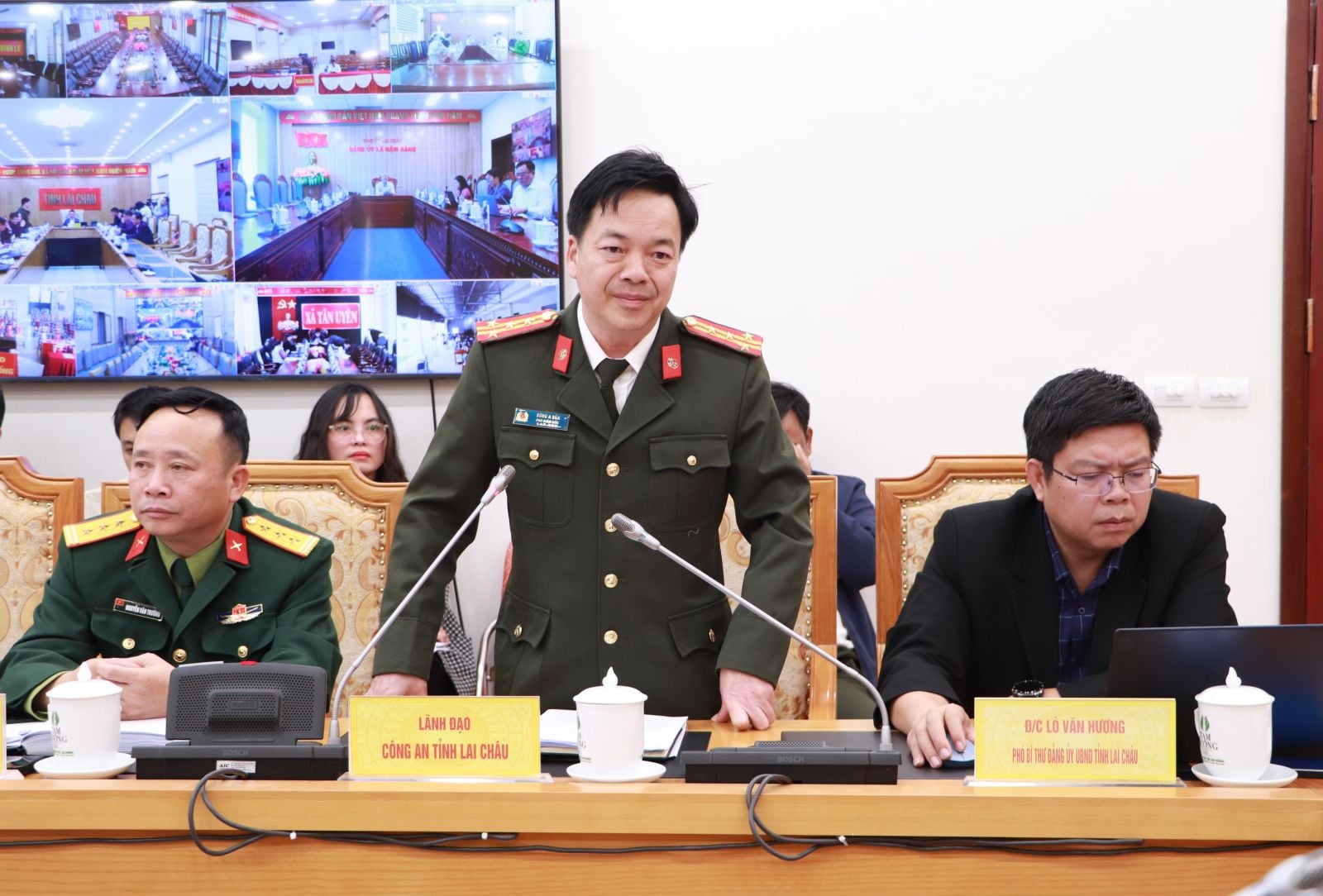
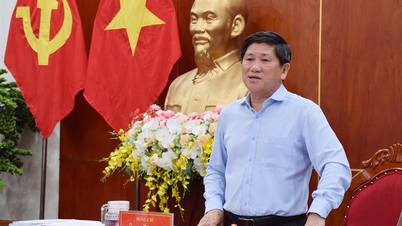
Concluding the meeting, Mr. Ha Trong Hai, Vice Chairman of the Provincial People's Committee, emphasized that the establishment of a general planning scheme for each commune is one of the key tasks in implementing the two-tiered local government system. He requested that communes simultaneously adjust the provincial planning scheme while also developing their own commune planning schemes. He stressed the need to pay particular attention to organizing development space in a way that harmonizes the existing central area with new development areas, ensuring connectivity in technical and social infrastructure. Furthermore, he called for clearly defining the role and function of the administrative and service center, linking it with the development of commerce, education, healthcare, and cultural and sports facilities, meeting the living and production needs of the people, and preserving and promoting cultural values.
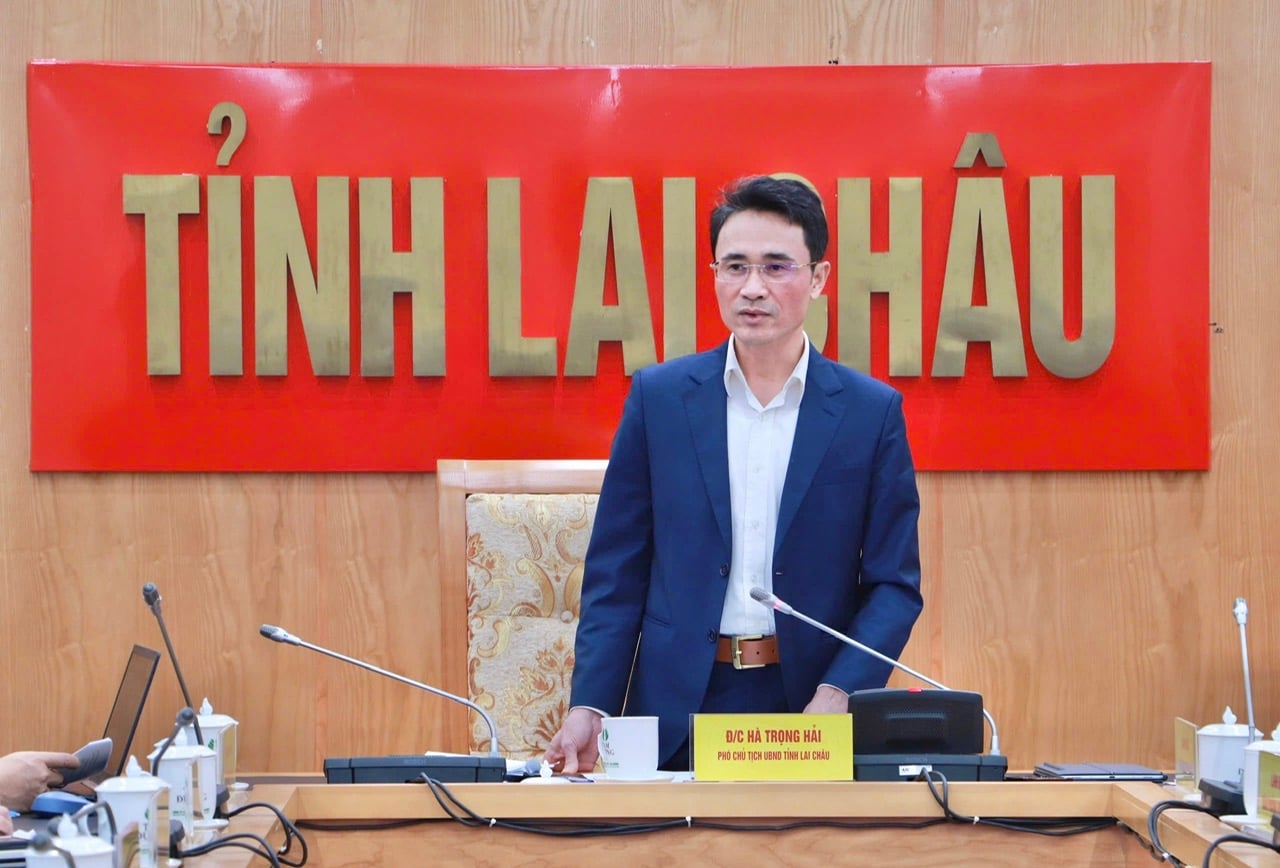
Adhering closely to national target programs, socio-economic development goals, the Resolution of the 15th Provincial Party Congress, and the goals of ensuring national defense and security in the province, the general planning of the commune will be implemented. The planning process must comply with general standards and ensure consistency and uniformity. The plan should create focal points and directional structures in terms of architecture, landscape, and rural symbols to preserve, promote, and exploit cultural values, creating space for future development. Review rural infrastructure, rural clean water supply, etc., to ensure alignment with the planning direction, synchronous connectivity within the commune, and connection to convenient routes and regions; assess topographic and geological factors to adapt to climate change.
The Vice Chairman of the Provincial People's Committee requested relevant departments and agencies to coordinate with communes to provide sectoral planning information so that communes can integrate it into their commune plans accordingly. Departments, agencies, and communes should select consulting units with sufficient capacity and experience to carry out the planning work. This week, the People's Committees of the communes must complete and submit the planning task dossiers to the Department of Construction; urgently implement the general commune planning to ensure progress, striving to complete it in the first quarter of 2026 as directed by the province. In addition, they should proactively establish working groups to support the planning work. During the implementation process, they should proactively seek opinions from relevant departments and agencies when necessary, ensuring the planning is comprehensive and feasible. Departments and agencies are assigned tasks to support communes in carrying out the planning work according to regulations, timelines, and quality standards.
Source: https://laichau.gov.vn/tin-tuc-su-kien/hoat-dong-cua-lanh-dao-tinh/day-nhanh-tien-do-lap-quy-hoach-chung-xa.html


![[Photo] Prime Minister Pham Minh Chinh receives the Governor of Tochigi Province (Japan)](/_next/image?url=https%3A%2F%2Fvphoto.vietnam.vn%2Fthumb%2F1200x675%2Fvietnam%2Fresource%2FIMAGE%2F2025%2F12%2F16%2F1765892133176_dsc-8082-6425-jpg.webp&w=3840&q=75)
![[Photo] Prime Minister Pham Minh Chinh receives Lao Minister of Education and Sports Thongsalith Mangnormek](/_next/image?url=https%3A%2F%2Fvphoto.vietnam.vn%2Fthumb%2F1200x675%2Fvietnam%2Fresource%2FIMAGE%2F2025%2F12%2F16%2F1765876834721_dsc-7519-jpg.webp&w=3840&q=75)
![[Live] 2025 Community Action Awards Gala](/_next/image?url=https%3A%2F%2Fvphoto.vietnam.vn%2Fthumb%2F1200x675%2Fvietnam%2Fresource%2FIMAGE%2F2025%2F12%2F16%2F1765899631650_ndo_tr_z7334013144784-9f9fe10a6d63584c85aff40f2957c250-jpg.webp&w=3840&q=75)
![[Image] Leaked images ahead of the 2025 Community Action Awards gala.](/_next/image?url=https%3A%2F%2Fvphoto.vietnam.vn%2Fthumb%2F1200x675%2Fvietnam%2Fresource%2FIMAGE%2F2025%2F12%2F16%2F1765882828720_ndo_br_thiet-ke-chua-co-ten-45-png.webp&w=3840&q=75)






























![[Photo] Prime Minister Pham Minh Chinh attends the Vietnam Economic Forum 2025](https://vphoto.vietnam.vn/thumb/402x226/vietnam/resource/IMAGE/2025/12/16/1765893035503_ndo_br_dsc-8043-jpg.webp)
















Comment (0)