

Last week, Hanoi recorded an additional 502 cases of dengue fever (an increase of 99 cases compared to the previous week).
Last week, Hanoi recorded an additional 502 cases of dengue fever (an increase of 99 cases compared to the previous week).
Several districts recorded a high number of patients, including Nam Tu Liem with 40 cases; followed by Ha Dong (34 cases); Dan Phuong (32 cases); Thanh Xuan (27 cases); Thanh Oai (25 cases); Ba Dinh (24 cases); Hoang Mai (23 cases); Cau Giay (22 cases); Hoan Kiem and Ung Hoa - each with 20 cases; and Thach That and Hai Ba Trung - each with 19 cases.
 |
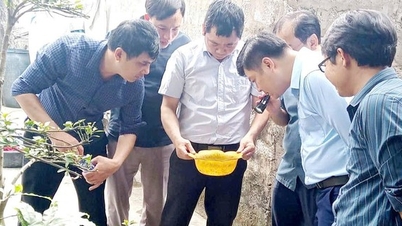
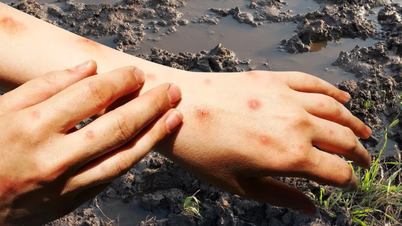
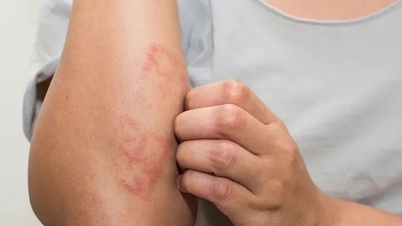
| Illustrative image |
Thus, cumulatively from the beginning of 2024 to the present, Hanoi has recorded 5,065 cases of dengue fever. Currently, Hanoi has begun to enter the peak season of the dengue fever epidemic with complex and unpredictable weather conditions, combined with heavy rainfall.
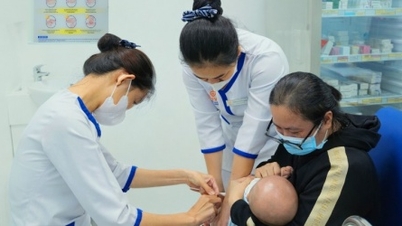
To strengthen disease prevention and control efforts, over the past week, the Hanoi CDC has coordinated with relevant units to conduct surveillance, investigation, and disease control activities in areas with cases and outbreaks. Surveillance was carried out in dengue fever outbreaks in the districts of Ung Hoa, Chuong My, Dong Da, Thach That, and Thanh Tri. Simultaneously, surveillance was conducted on the implementation of the measles-rubella vaccination campaign in communes, wards, and towns.
Next week, the Hanoi CDC will continue to coordinate with permanent units to ensure disease prevention and control; and monitor the handling of dengue fever outbreaks in several districts: Ba Dinh, Dong Da, Thanh Oai, and Hoan Kiem.
Monitoring results from several outbreak areas have shown high insect indices exceeding risk thresholds. Therefore, it is predicted that the number of dengue fever cases will continue to increase in the coming period.
Although dengue fever is a very old disease, the concern is that each outbreak presents its own unique challenges. One of these challenges is that when infected, people often go directly to private clinics or hospitals, instead of public hospitals or health centers.
Many people believe that mosquitoes that transmit dengue fever only live in stagnant public ponds, sewers, etc. However, Aedes mosquitoes thrive in stagnant water sources such as fish tanks, flower vases, rock gardens, and rainwater collected in broken pieces of pottery in gardens, neighborhoods, or on rooftops and construction sites. Therefore, it is necessary to eliminate these stagnant water containers that provide breeding grounds for Aedes mosquitoes.
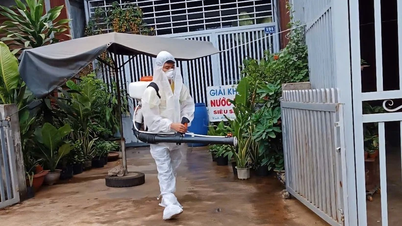
It is necessary to clean the house, turn over all mosquito breeding grounds to kill mosquito larvae, before spraying insecticide to kill adult mosquitoes.
For more effective mosquito control, spraying should be done in the morning, as dengue mosquitoes are active during the day, most actively in the early morning hours and before sunset. It's important to note that insecticides remain effective for up to 6 months after application.
Many people believe that once someone has had dengue fever, they won't get it again. This is not entirely true. Dengue fever is caused by the Dengue virus, which has four strains: DEN-1, DEN-2, DEN-3, and DEN-4. All four strains are capable of causing the disease.
Therefore, if a person has previously had dengue fever, their body may produce antibodies during the illness. However, the immunity formed is specific to each individual strain. The patient may not be reinfected with the old strain of the virus but can still be infected with a new strain, thus potentially contracting dengue fever again.
Regarding treatment, many people believe that when suffering from dengue fever, only electrolyte replacement should be given, and coconut water should be avoided because it does not help with rehydration and makes it difficult to identify complications.
This is completely wrong. In dengue fever, high fever for many consecutive days will cause the patient to become dehydrated and lose fluids. The simplest way to replenish fluids is to give the patient Oresol.
However, many patients find it difficult to drink Oresol. This can be replaced with coconut water, orange juice, grapefruit juice, or lemon juice to replenish lost fluids. Furthermore, these fruits contain many minerals and vitamin C, which help boost immunity and strengthen blood vessel walls.
Source: https://baodautu.vn/vao-mua-sot-xuat-huyet-d228600.html





















































































Comment (0)