

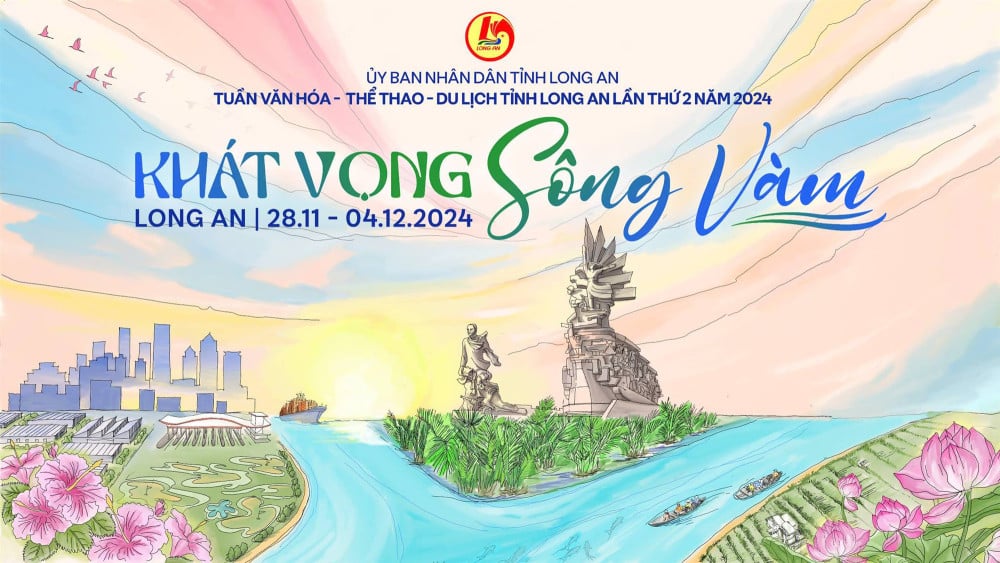
Many famous specialties
When talking about famous specialties of Long An province, one cannot fail to mention dragon fruit. This fruit is widely grown in Chau Thanh district and has high nutritional and economic value. There was a time when Chau Thanh dragon fruit reigned supreme, and even mentioning dragon fruit immediately brought to mind Chau Thanh district, Long An province. According to the Department of Agriculture and Rural Development, the province currently has over 7,811 hectares of dragon fruit, of which approximately 6,860 hectares are bearing fruit.
Previously, dragon fruit typically ripened in the summer, from early May to the end of October each year. However, nowadays, dragon fruit in Chau Thanh district is harvested year-round because farmers use artificial lighting to induce off-season fruiting. This is one of the solutions encouraged by the provincial Department of Agriculture to help farmers stagger dragon fruit production, avoiding large surpluses during peak harvest season, which can lead to "bumper harvest, falling prices."
Mr. Truong Dinh Quyen (Duong Xuan Hoi commune, Chau Thanh district) said: “I have been growing dragon fruit for more than 10 years. Currently, I have two orchards, one is bearing fruit and the other is preparing for artificial lighting. This year, the selling price of dragon fruit is quite stable, not as volatile as in previous years. Therefore, I am also more confident in investing in my dragon fruit orchard.”
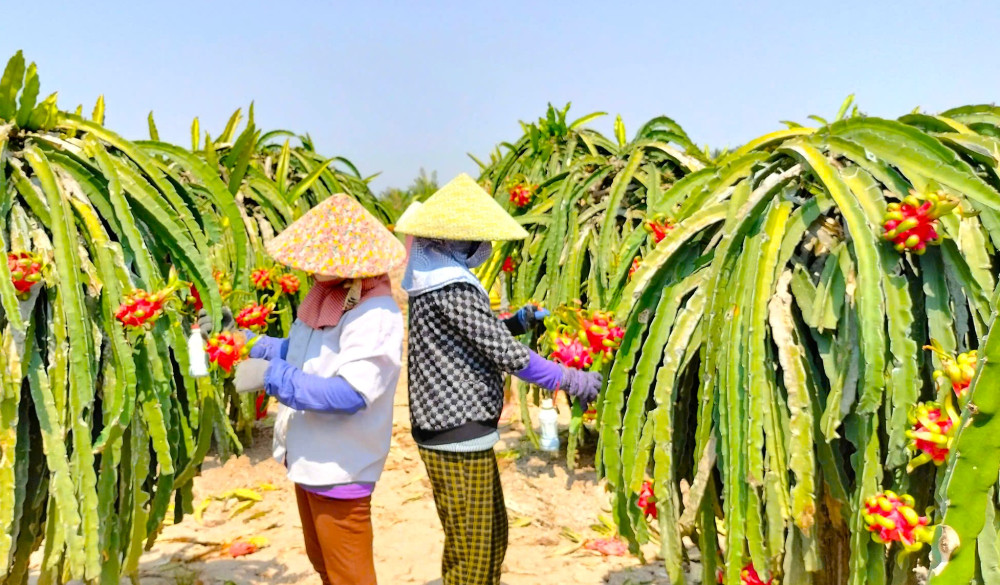
Farmers tending to dragon fruit plants (Photo courtesy)
Dragon fruit is a highly nutritious fruit, containing vitamin C, carotene, calcium, several B vitamins, and other nutrients and antioxidants. Chau Thanh dragon fruit currently comes in two varieties: red-fleshed and white-fleshed. Besides being consumed fresh, dragon fruit is also processed into various food products such as dried dragon fruit and dragon fruit wine.
Besides dragon fruit, lemons are also one of the province's key crops. Currently, Long An has the largest lemon growing area in the Mekong Delta with over 11,888 hectares. Of that, more than 10,888 hectares of lemon trees are bearing fruit. Ben Luc district accounts for more than half of the province's lemon growing area with two main varieties: seedless lemons and purple-flowered lemons.
According to information from the Department of Agriculture and Rural Development of Ben Luc District, after determining that lemon trees are suitable for the local soil conditions, Ben Luc District has promoted the development of lemon growing areas. Accordingly, the district regularly organizes training courses, provides guidance on cultivation techniques, and transfers scientific and technical advancements to farmers. As a result, many households have switched from growing sugarcane to growing lemons, especially seedless varieties, bringing high economic efficiency.
The Thanh Hoa Agricultural Service Cooperative (Ben Luc district), established in 2014, is one of the exemplary units in seedless lemon production. The cooperative currently has 15 members and a cultivation area of 30 hectares.
Chairman of the Board of Directors and Director of Thanh Hoa Agricultural Service Cooperative, Dang Van Phai, said: "Previously, farmers mainly grew pineapples and sugarcane, but the selling prices were unstable. When they discovered that lemon trees were suitable for the soil, people began to switch to this crop. Thanks to stable output and good prices, people's lives have improved. Lemon growing areas that meet GlobalGAP standards are exported to Europe, while the remaining production serves the domestic market and other markets.”
In 2014, Mr. Nguyen Ngoc Bo, a member of the Thanh Hoa Agricultural Service Cooperative, decided to convert all 6 hectares of land previously used for sugarcane and pineapple cultivation to seedless lemons. According to Mr. Bo, seedless lemons can be harvested after 1.5 years, and with the use of organic fertilizers, the lifespan of the trees can be extended to 6-8 years. This type of lemon bears fruit year-round, and from the second year onwards, the yield begins to increase significantly.
“My lemon orchard is cultivated according to GlobalGAP standards, so I have a contract with a purchasing company, and the selling price is stable at 15,000-20,000 VND/kg, about 5,000 VND/kg higher than the market price. After deducting expenses, I earn a profit of 100-200 million VND/ha/year, depending on the age of the trees and the price,” Mr. Bo shared.
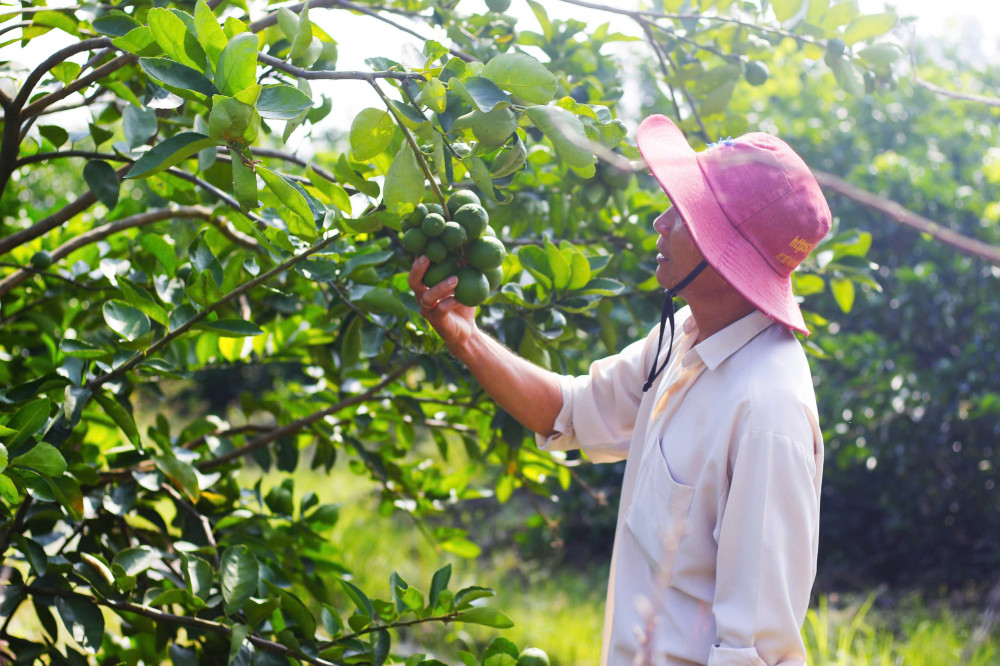
Long An has the largest lemon growing area in the Mekong Delta region, with over 11,888 hectares.
According to Mr. Bo, applying the correct dosage of pesticides, using organic fertilizers, and employing proper planting techniques helps reduce pest and disease problems in lemon orchards, such as spider mites, pink spot, and scab. "Using organic fertilizers not only helps the trees grow well and reduces pesticide residue, but also improves soil fertility," Mr. Bo emphasized.
Ben Luc seedless lemons are famous for their firm texture, dense segments, dark green, glossy, evenly colored peel, and surface rich in essential oil glands. This type of lemon is renowned not only for its export scale and value but also for the prestigious awards it has won.
From 2014 to 2017, seedless lemons from Ben Luc were consistently honored as "Typical National Agricultural Products" by the Central Committee of the Vietnam Farmers' Association. Currently, in addition to fresh lemons, Ben Luc district has also developed several other lemon-based products such as lemon juice concentrate, dried lemon peel, lemon powder, lemon tea powder, etc.
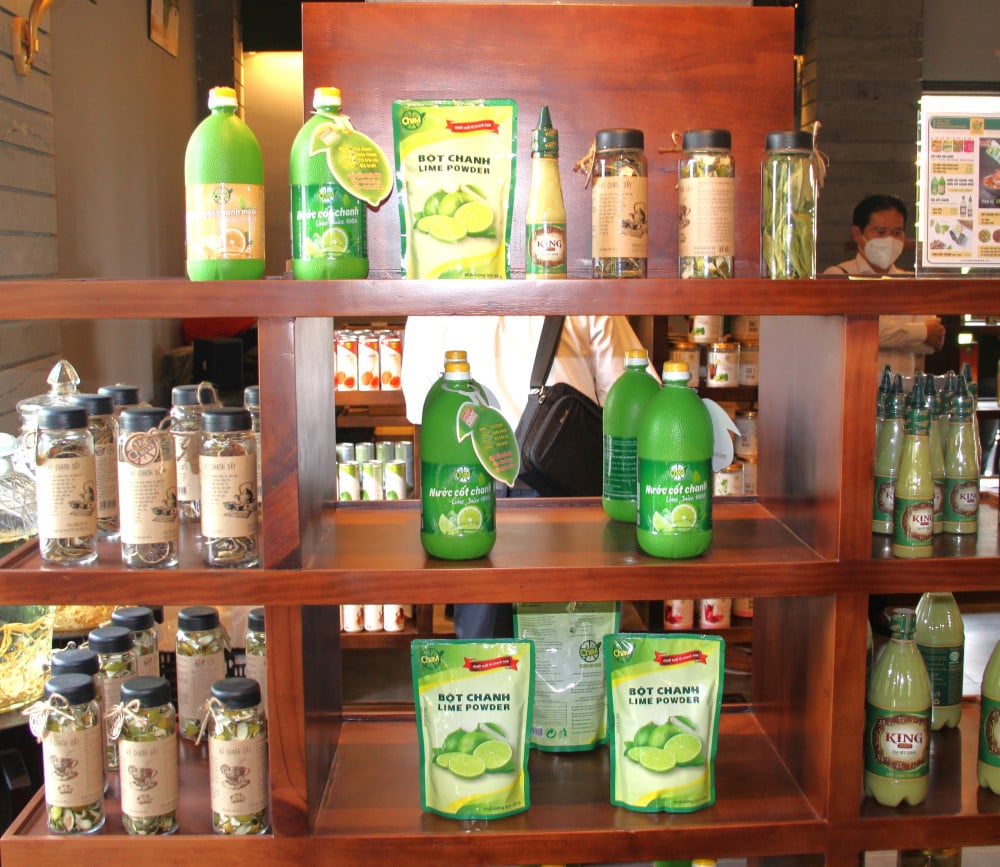
Ben Luc district has also developed several other products from lemons, such as lemon juice concentrate, dried lemon peel, lemon powder, lemon tea powder, etc.
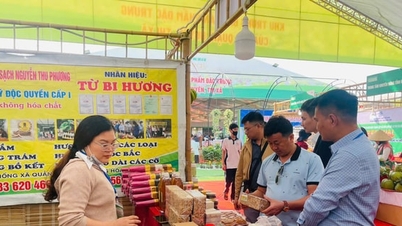
Besides Chau Thanh dragon fruit and Ben Luc lemons, Long An also has many other specialties that attract tourists such as Duc Hoa peanuts, Go Den rice wine, Long An banh tet (sticky rice cake), Can Giuoc crab paste, Cho Dao Nang Thom rice, etc.
In addition, OCOP products such as fresh sausages, spring rolls, grilled pork skewers, honey, cantaloupe, etc., are also delicious treats not to be missed when visiting Long An.
Opportunities for networking and promotion.
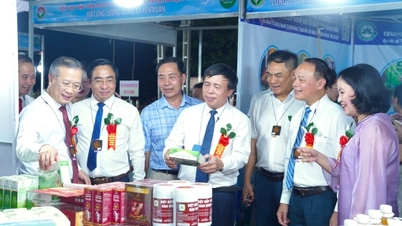
According to information from the Provincial People's Committee, the Conference on Linking, Cooperating, and Promoting Tourism and OCOP Products between Ho Chi Minh City and 13 provinces and cities in the Mekong Delta region will be one of the 10 outstanding activities organized during the 2nd Culture - Sports - Tourism Week of the province in 2024, taking place from November 28, 2024 to December 4, 2024.
Nguyen Ngoc Phan, Director of Long Chau Agricultural Products Processing and Export Company Limited (Tam Vu town, Chau Thanh district), said that previously, dragon fruit was mainly exported fresh to the Chinese market, but prices fluctuated frequently. Therefore, he came up with the idea of researching a process for drying dragon fruit. From there, he started producing dried dragon fruit for export and has offered it to several markets such as Singapore, Malaysia, Thailand, Japan, France, etc., with very good sales.
Currently, the company has a regional farming partnership with Duong Xuan Cooperative (Duong Xuan Hoi commune, Chau Thanh district) and has two products, dried dragon fruit and dried papaya, that have received OCOP 3-star certification.
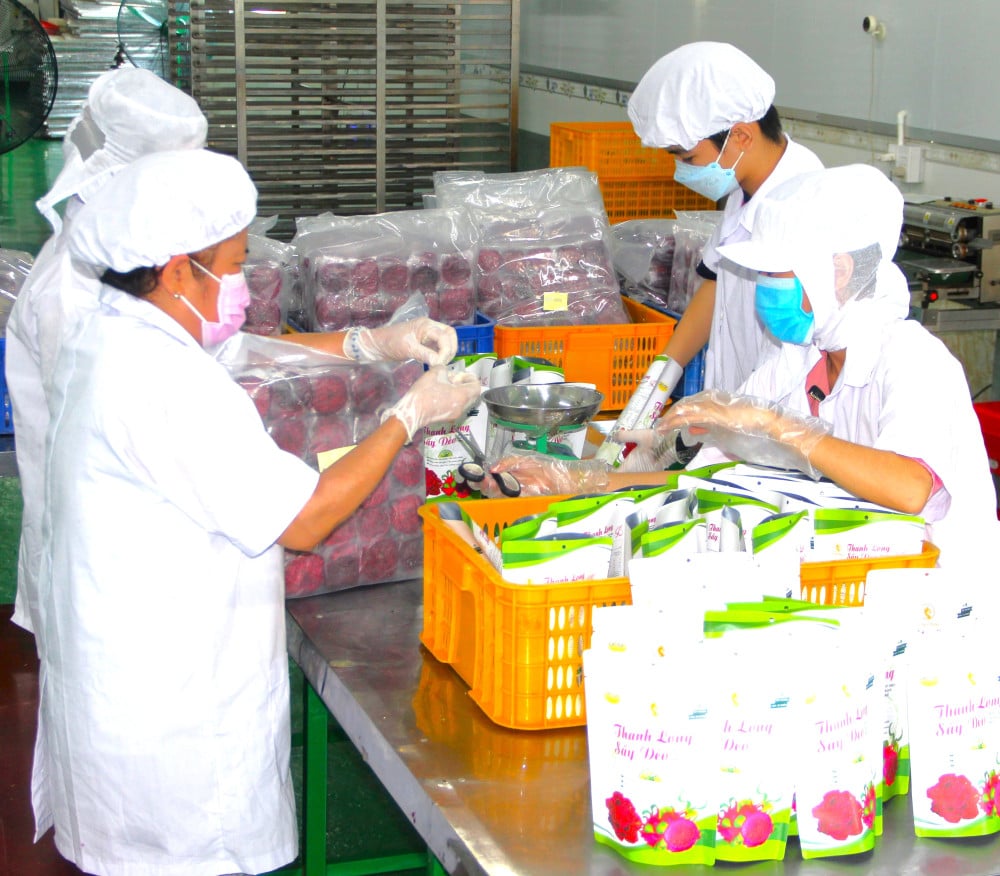
Workers at Long Chau Agricultural Products Processing and Export Company Limited (Tam Vu town, Chau Thanh district) package dried dragon fruit.
Sharing his thoughts on the opportunities for promoting and connecting agricultural product consumption offered by this conference, Mr. Phan said: “This is a great opportunity to promote agricultural products and OCOP products of the province, including dragon fruit and processed dragon fruit products from Chau Thanh district. Therefore, I hope that through this conference, provincial and local leaders will strengthen consumption connections, helping agricultural products have a stable market outlet and ensuring peace of mind for production.”
According to Deputy Director of the Department of Agriculture and Rural Development, Le Thanh Dong, this conference aims to evaluate the results of the cooperation agreement on tourism development between Ho Chi Minh City and 13 provinces and cities in the Mekong Delta region for the period 2020-2025 in 2024.
At the same time, the conference aims to introduce new tourism products, promote regional cooperation, share experiences in attracting tourists from different customer segments, and showcase and promote traditional tourism products that are strengths of the region.
In addition, this conference also aims to raise awareness about rural tourism; promote trade promotion activities for rural tourism products associated with the consumption of OCOP products; and exploit the strengths of rural tourism in the province in particular and the Mekong Delta region in general in promoting local cultural values and developing distinctive local rural tourism products.
"The conference contributes to removing difficulties and barriers in attracting investment in agriculture and rural areas; connecting rural tourism models and OCOP products with travel agencies and tourism households inside and outside the province, promoting the development of agriculture and rural areas in a green and sustainable direction," Mr. Le Thanh Dong further informed.
Reporters' Team
Source: https://baolongan.vn/ve-long-an-thuong-thuc-cac-loai-dac-san-a186130.html



![[Photo] General Secretary and President To Lam presides over the meeting to approve the draft report on the results of the second inspection by the Politburo of the Standing Committee of the Hanoi City Party Committee.](https://vphoto.vietnam.vn/thumb/1200x675/vietnam/resource/IMAGE/2026/05/26/1779789811432_a2-bnd-4430-9620-jpg.webp)
















































































Comment (0)