
Hanoi – A 70-year-old man, injured in the leg while collecting seafood, subsequently suffered a swollen foot that had become necrotic upon admission to the hospital. He was diagnosed with Aeromonas infection, also known as "flesh-eating" bacteria.
'Flesh-eating' bacteria attack elderly man.
 VnExpress•22/06/2023
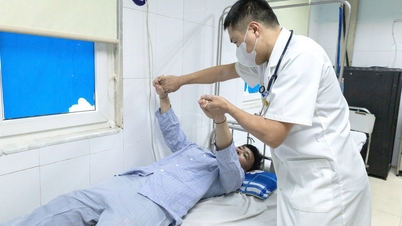
On June 22nd, Dr. Hoang Manh Ha, head of the Trauma Surgery Department at the Central Hospital for Tropical Diseases, stated that the patient had been receiving intensive care for five days in a state of septic shock and necrosis spreading to the thigh and abdomen. Laboratory tests diagnosed cellulitis of the right thigh, lower leg, and foot due to Aeromonas infection.
Aeromonas hydrophila (AH) is a gram-negative bacillus that can cause rapid necrosis of inflamed tissues, hence it is called the "flesh-eating" bacterium. The disease has led to amputations of limbs in many people, and in some cases, death.
You may also like
Smart healthcare starts with safety data.Registering for a medical appointment takes only a few minutes, test results are delivered via QR code, and hospital fees can be paid cashless... These conveniences are gradually becoming familiar at many medical facilities in Thanh Hoa province as electronic medical records are implemented synchronously. Clearly, managing and ensuring data security is becoming a crucial requirement in the digital transformation process of the healthcare sector.
The Democratic Republic of Congo launches a survival trial against Ebola; WHO issues urgent alert about the outbreak.The Democratic Republic of Congo has officially begun trials of a treatment for the Bundibugyo strain of Ebola, marking a significant step in efforts to control the disease in the Central African nation as the number of cases and deaths continues to rise rapidly.
Heartbreaking moment as the headmaster of the medical school bids farewell to the male student who donated his organs.Before the 19-year-old student was wheeled into the operating room for organ harvesting to save lives, the headmaster of the medical school slowly approached his bedside, his voice choked with emotion as he bid farewell and expressed gratitude for the noble act of the student and his family.
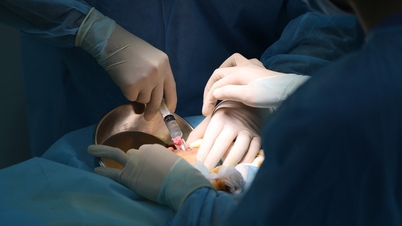
The doctor prescribed antibiotics, intensive care, and transferred the patient to the Trauma Department for emergency surgery, debridement of necrotic tissue, and thorough irrigation. On the first day after surgery, the symptoms of inflammation in the right thigh and iliac fossa had subsided, the swelling and redness had decreased, the skin was less tense and bulging, and wrinkles had appeared. The patient continued treatment with dressing changes and debridement of necrotic tissue. After more than a month, the elderly man underwent a skin graft. The grafted skin healed completely, and the patient was able to begin rehabilitation exercises for his right lower leg and foot.
Aeromonas is a common bacterium found in nature, often present in aquatic environments, causing disease in fish, shrimp, and amphibians. The three main forms of the disease include: diarrhea from ingesting contaminated water; biliary tract and bloodstream infections in patients with cirrhosis; and necrotizing soft tissue infections, which can lead to septicemia in healthy individuals if they have abrasions or contact with contaminated water or mud containing Aeromonas.
To prevent illness, experts advise people to limit contact with contaminated water, especially when they have cuts or abrasions on their bodies. Those who work regularly in contaminated water environments should wear appropriate protective equipment. If there are signs of swelling or necrosis in the wound area after contact with contaminated water, they should immediately go to a medical facility for timely treatment.
Strengthening the friendship between Vietnam and the United States.On July 3rd, as part of the Pacific Partnership - Friends of the Pacific 2026 program, the U.S. Army Pacific delegation, led by Lieutenant General Joel Vowell, Deputy Commander of the U.S. Army Pacific, paid a courtesy visit to the Quang Tri Provincial Military Command.
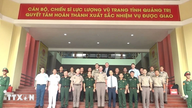
The U.S. Army Pacific delegation visits the Quang Tri Provincial Military Command.2026 marks the first time the Pacific Partnership-Friends of the Pacific program will be jointly organized in Quang Tri, creating a large-scale cooperation framework with 25 activities.

The Ministry of Foreign Affairs received a copy of the Letter of Credence for the U.S. Ambassador to Vietnam.On the afternoon of July 2nd, at the Ministry of Foreign Affairs headquarters, Mr. Le Cong Dung, Director of the State Protocol and Foreign Interpretation Department, received a copy of the Letter of Credence from Ms. Jennifer Wicks, Ambassador of the United States of America to Vietnam.
Thuy Quynh
Source link

























































































SPRING FESTIVAL

Family Happiness
