

Many users reported that it took them up to 3 hours to fully charge their iPhone battery to 100% after updating to iOS 16.5.
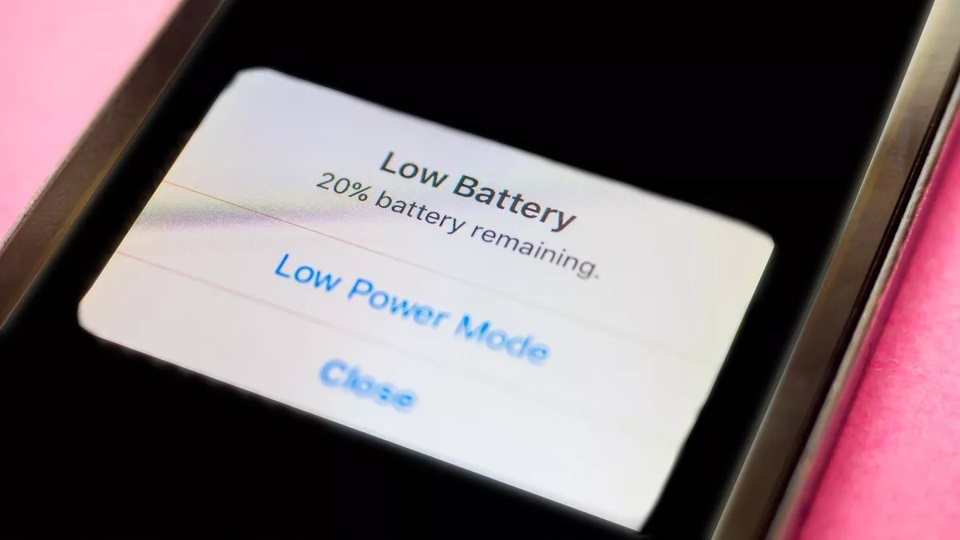
The new operating system version also includes several updates and new features, which may drain your phone's battery faster. Photo: Shutterstock
After Apple released iOS 16.5 on May 18th, many users reported experiencing battery issues.
"iOS 16.5 has terrible battery life," one iPhone user shared on social media. Several other users also reported faster-than-normal battery drain after updating to iOS 16.5.
Reasons why iPhones experience battery drain and longer charging times after iOS updates.
According to TechRadar, the battery drain issue is sporadic, appearing only in a few cases, but the problem of suddenly slow charging speed is present on most models. Some users have reported that their iPhones take up to 3 hours to fully charge to 100%.
"Has anyone else noticed how bad the battery life is on iOS 16.5?" one user posted on their personal Twitter account. Another responded: "iOS 16.5 on my device drains the battery faster than before, and the charging speed is also too slow. Charging with the official 20W charger takes 3 hours to go from 23% to 100%."
"After a few restarts, my iPhone 13 Pro seems to be running much more smoothly, but the battery life is terrible," another user complained.
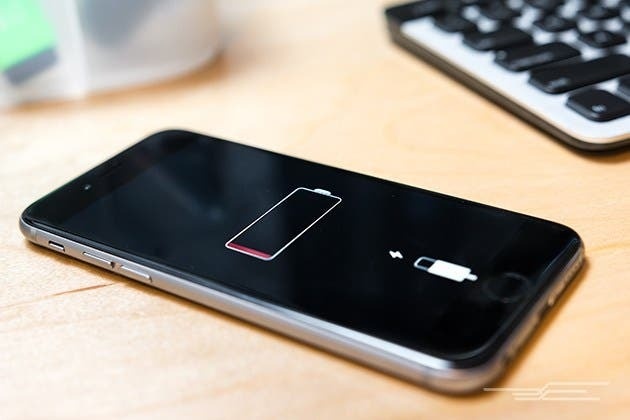
Many users have reported that iPhones drain battery quickly and take too long to fully charge. (Image: New York Times)
TechRadar suggests that this phenomenon is actually quite normal. Not only Apple, but other software developers also force devices to recreate data index files and calibrate battery settings whenever they release a new operating system update.
This is what causes the battery to drain faster. This is only a temporary issue and will return to normal after a few days of stable operation.
It's not Apple's fault.
Apple has previously encountered similar feedback. The company advises users to wait a few days, at least 48 hours, to see if battery life returns to normal.
ZDNet researcher Adrian Kingsley-Hughes said that the process of installing a new operating system on an iPhone requires many background tasks to be performed, which can take anywhere from a few hours to several days.
"This not only wastes energy, but calibrating the battery settings can also give users the impression that the battery is draining faster than it actually is." Battery setting calibration involves fully charging and completely discharging the battery to obtain its correct capacity.
Agreeing with this view, MacWorld writer Jason Cross also argues that the iPhone system is running many background tasks such as optimizing data and rescanning images with new machine learning algorithms, which will cause battery drain.
In addition, the battery adjustment process is carried out by many different complex algorithms, so several cycles of discharging and fully charging the battery are normal.
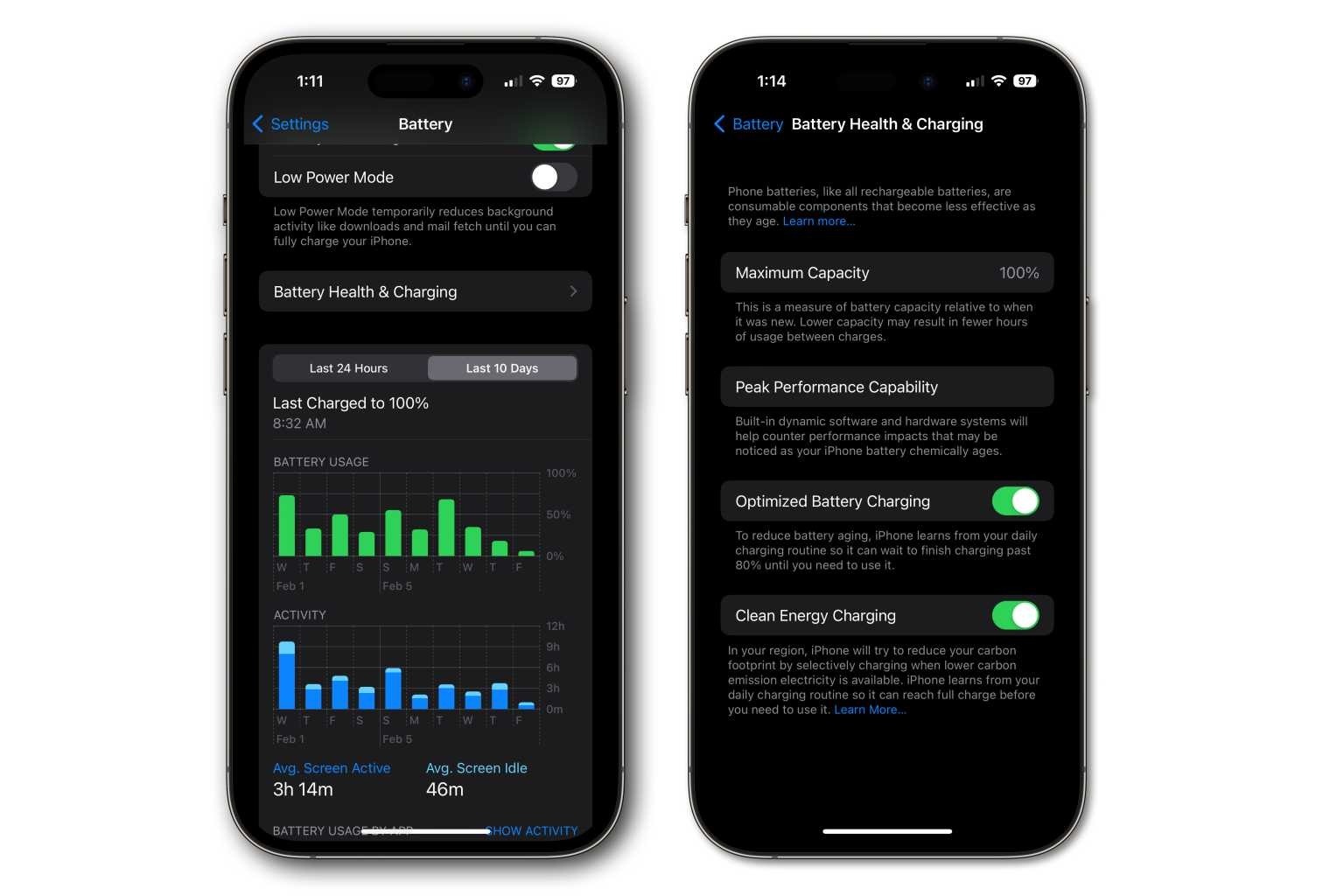
Users can check the exact battery capacity by going to Settings > Battery > Battery Health. (Image: MacWorld)
Additionally, the new operating system version includes several updates and new features that may consume more battery power. Therefore, according to TechRadar, your iPhone is simply undergoing a system update, so there's no need to worry about any long-term impact on your device.
Users should use their phones for a few days and see if system issues like battery drain or slow charging disappear on their own. You can also check in Settings > Battery > Battery Health. If the maximum capacity remains at 80% or higher, you can rest assured that this is just a temporary bug when installing the new iOS.
In the latest iOS 16.5 update, Apple has patched a bug that allowed anyone to view the phone's contacts from the lock screen.
However, in version 16.5, Apple's Lightning to USB 3 accessory also encountered another serious bug. Specifically, according to posts on Apple's support forums, Reddit, and MacRumors, many users reported that the accessory suddenly became unusable after updating to iOS 16.5.
The Lightning port does not supply power to charge iPhones and iPads. Meanwhile, connecting accessories to an adapter via the USB-A port will result in a power overload error message. This type of adapter is very common as it can connect iPhones to other devices for features such as networking or audio.
According to Zing
Source





















![[Photo] Reception to welcome General Secretary and President To Lam and his wife on their State visit to the Philippines](https://vphoto.vietnam.vn/thumb/1200x675/vietnam/resource/IMAGE/2026/06/01/1780295488620_vna-potal-chieu-dai-chao-mung-tong-bi-thu-chu-tich-nuoc-to-lam-va-phu-nhan-tham-cap-nha-nuoc-toi-philippines-8798060-7855-jpg.webp)












































































Comment (0)