

 |
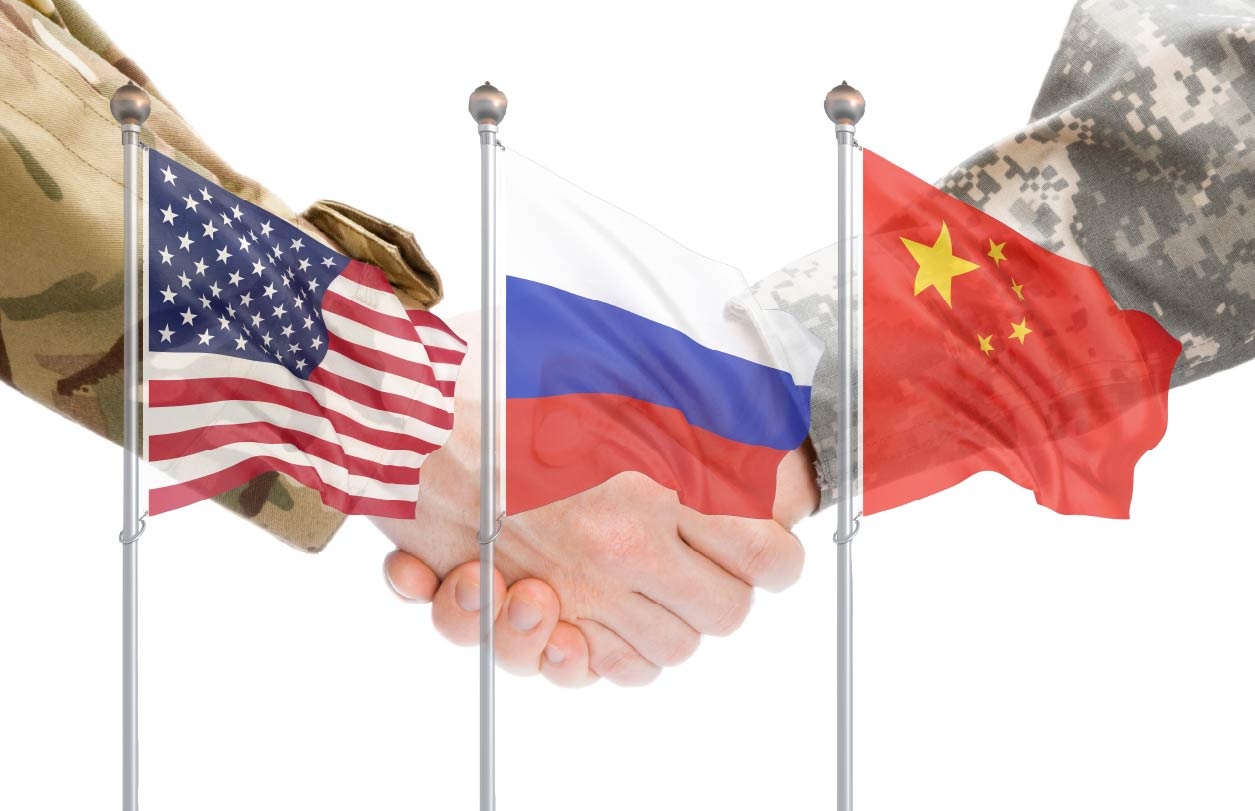
In the current context, Beijing is increasingly seen as an indispensable link in maintaining international stability and unlocking global economic opportunities – a position that both Washington and Moscow are seeking to leverage as the world order enters a reshaping phase.
According to SCMP , the fact that Russian and American leaders consecutively chose Beijing as their destination in less than a week is seen as a signal of China's growing influence on global strategic and economic issues.
President Xi Jinping's series of meetings also reflects Beijing's increasingly prominent mediating role in efforts to address international hotspots, from the Ukraine conflict to tensions in the Strait of Hormuz.
Russia and China: Economic pillars and strategic partners.
The personal relationship between President Xi Jinping and President Vladimir Putin is being assessed as one of the factors contributing to the reshaping of the international balance of power, especially during a period when major powers are accelerating their competition for influence on a global scale.
The Russia-China summit was not only of geopolitical significance but also highlighted the depth of economic cooperation between the two countries. More than 40 bilateral agreements were signed, spanning energy, transportation, trade, and technology.
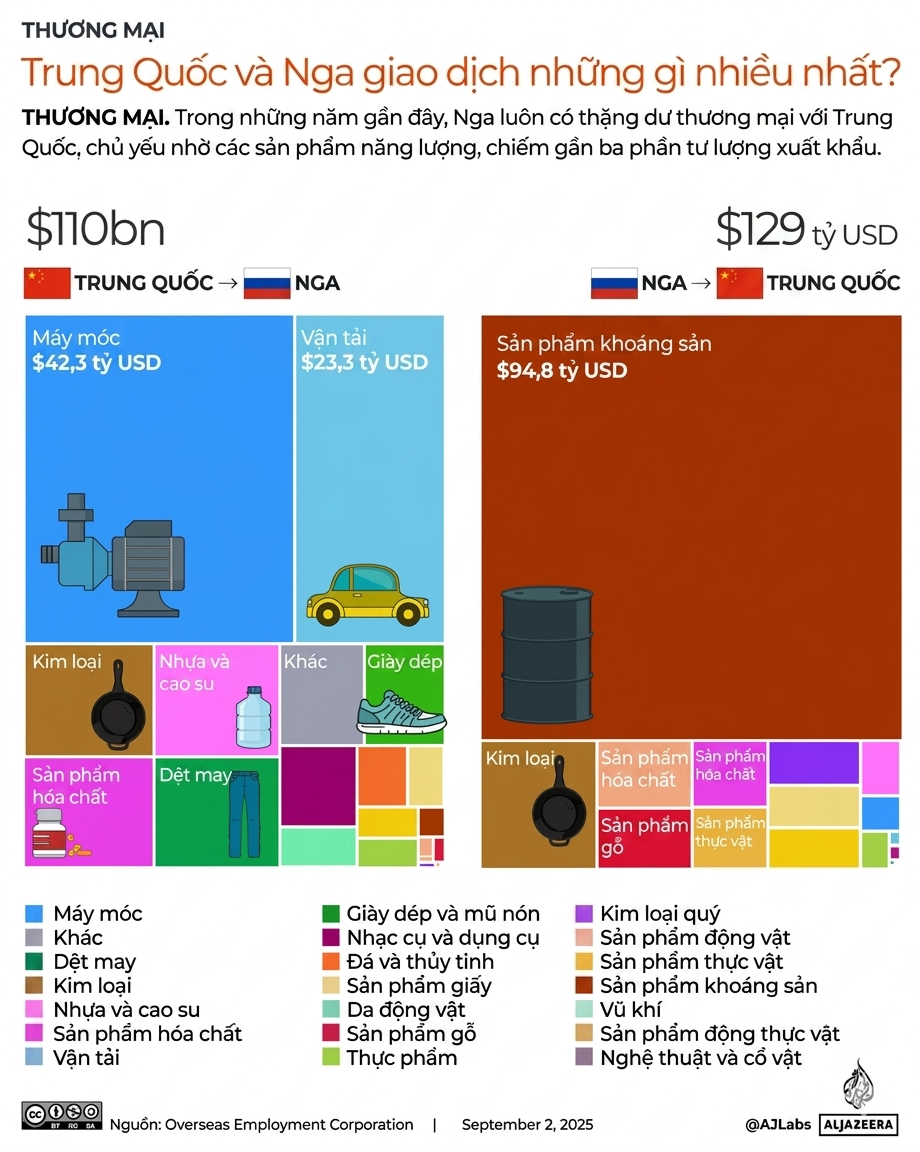
President Putin stated that Russia-China trade volume exceeded $240 billion last year. He called the energy sector the "engine of growth" in bilateral relations, emphasizing that the majority of transactions now involve payment in rubles and yuan.
According to the Kremlin, the two sides also reached a consensus on the core technical parameters of the Power of Siberia 2 gas pipeline project, a project expected to further strengthen energy links between the two economies.
These agreements reflect the growing close ties between Russia and China, even as Moscow continues to face pressure from Western sanctions. Nevertheless, according to Putin, expanding payments in local currencies is helping to stabilize bilateral trade and reduce its dependence on external financial systems.
 |
While maintaining close economic ties with Russia, Beijing simultaneously keeps channels of dialogue with the United States, thereby gradually consolidating its position and voice on the international stage.
Conversely, Moscow continues to play a strategic role as a supplier of energy and resources to China, with high levels of exports of crude oil, liquefied natural gas (LNG), coal, and agricultural and aquatic products to ensure energy and food security for the world's second-largest economy.
China responded by becoming a major supplier of technology, industrial equipment, electronic components, automobiles, and consumer goods, while also providing yuan-based payment and trade mechanisms that helped Russia maintain its economic activity.
Alongside this is a diplomatic effort to build an image of China as a responsible mediator while still preserving its strategic influence over Moscow.
US-China: Competition, but cooperation is still needed.
Similar strategic logic emerged in the summit between US President Donald Trump and President Xi Jinping in Beijing last week.
The focus of the meeting was to de-escalate trade tensions and promote new economic agreements. In preparations for the conference, the two sides discussed the possibility of reducing reciprocal tariffs on approximately $30 billion worth of goods – a move that a trade official assessed could become a “positive benchmark for open global cooperation.”
In addition, Xi Jinping also agreed to expand imports from the US, including a plan to purchase 200 Boeing aircraft and agricultural products worth approximately $17 billion annually until 2028.
Another noteworthy topic is the potential role of China in international mediation efforts. President Trump suggested that Beijing could help encourage Iran to accept peace terms, particularly regarding ensuring maritime stability.
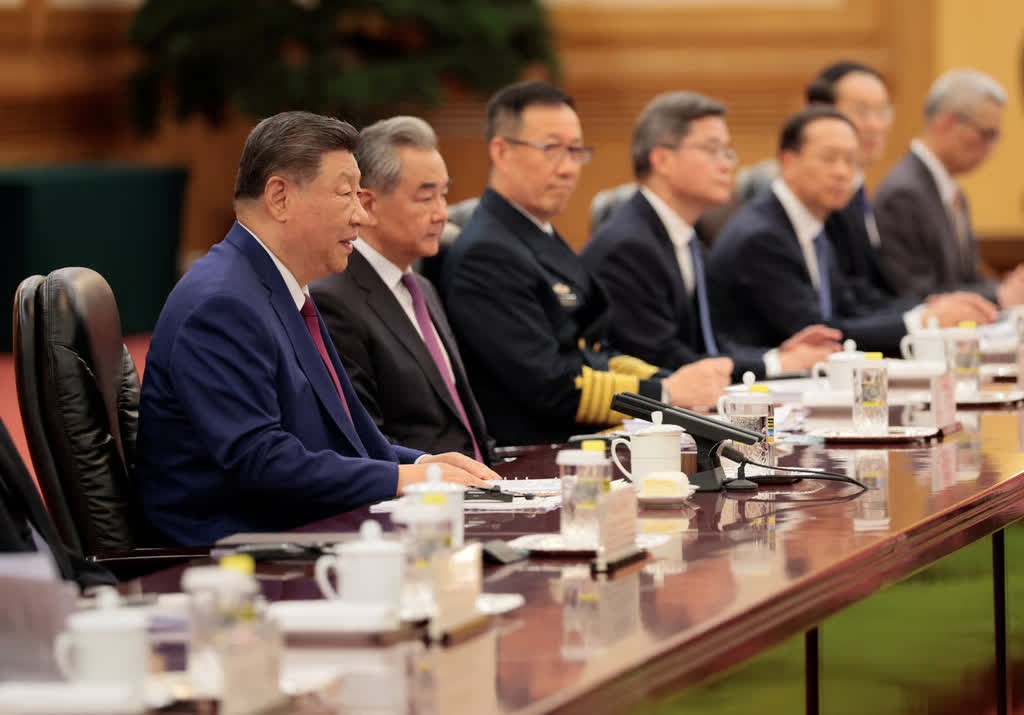 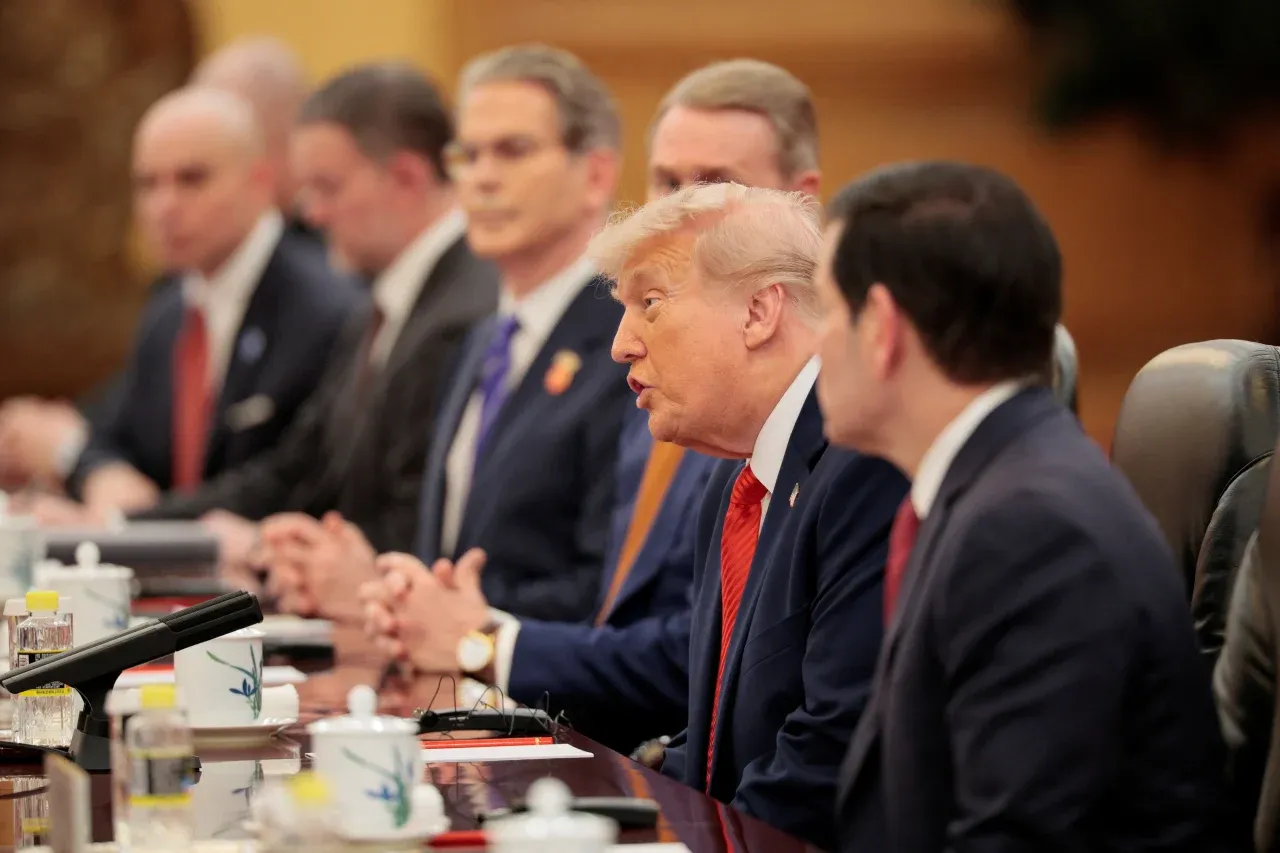 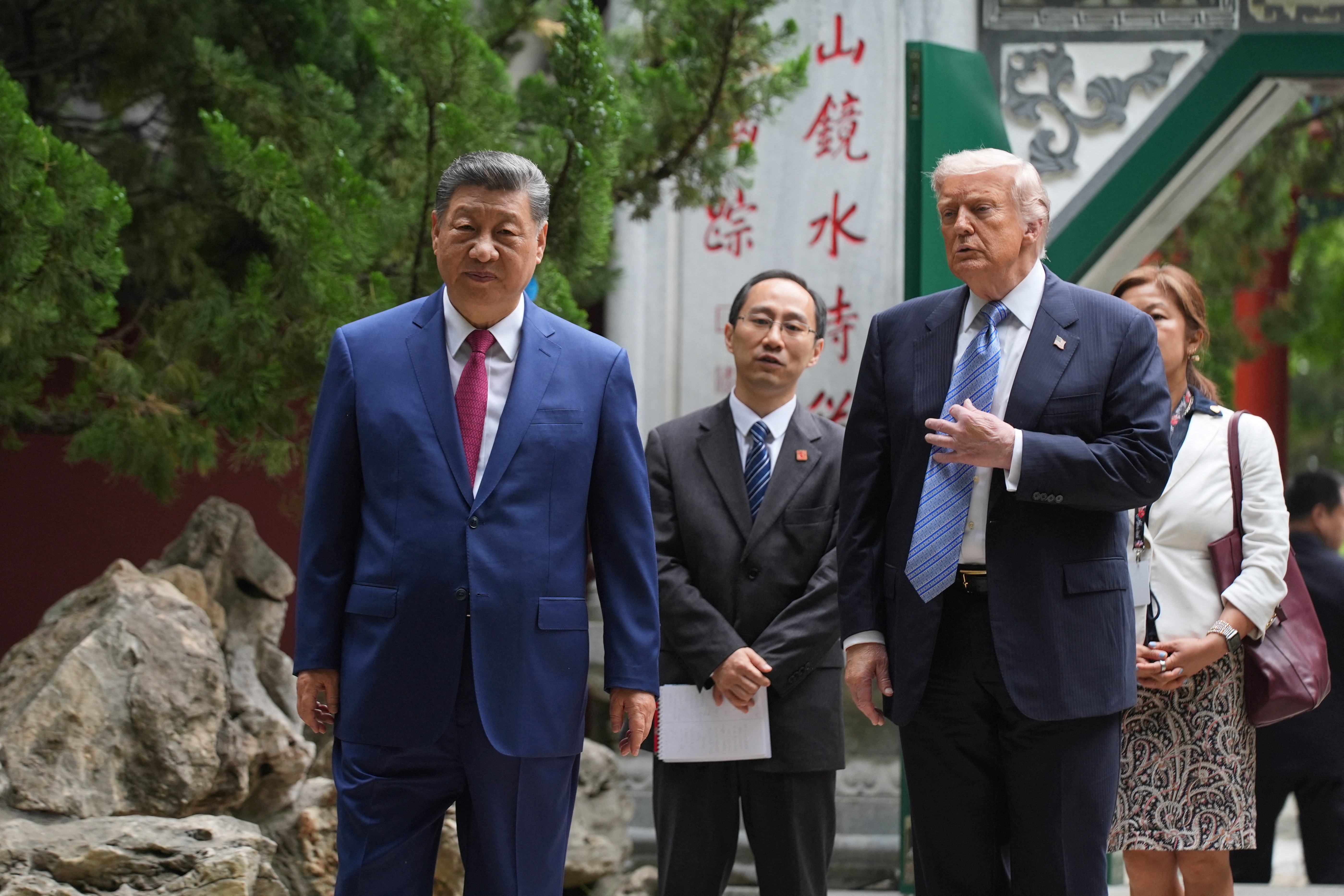 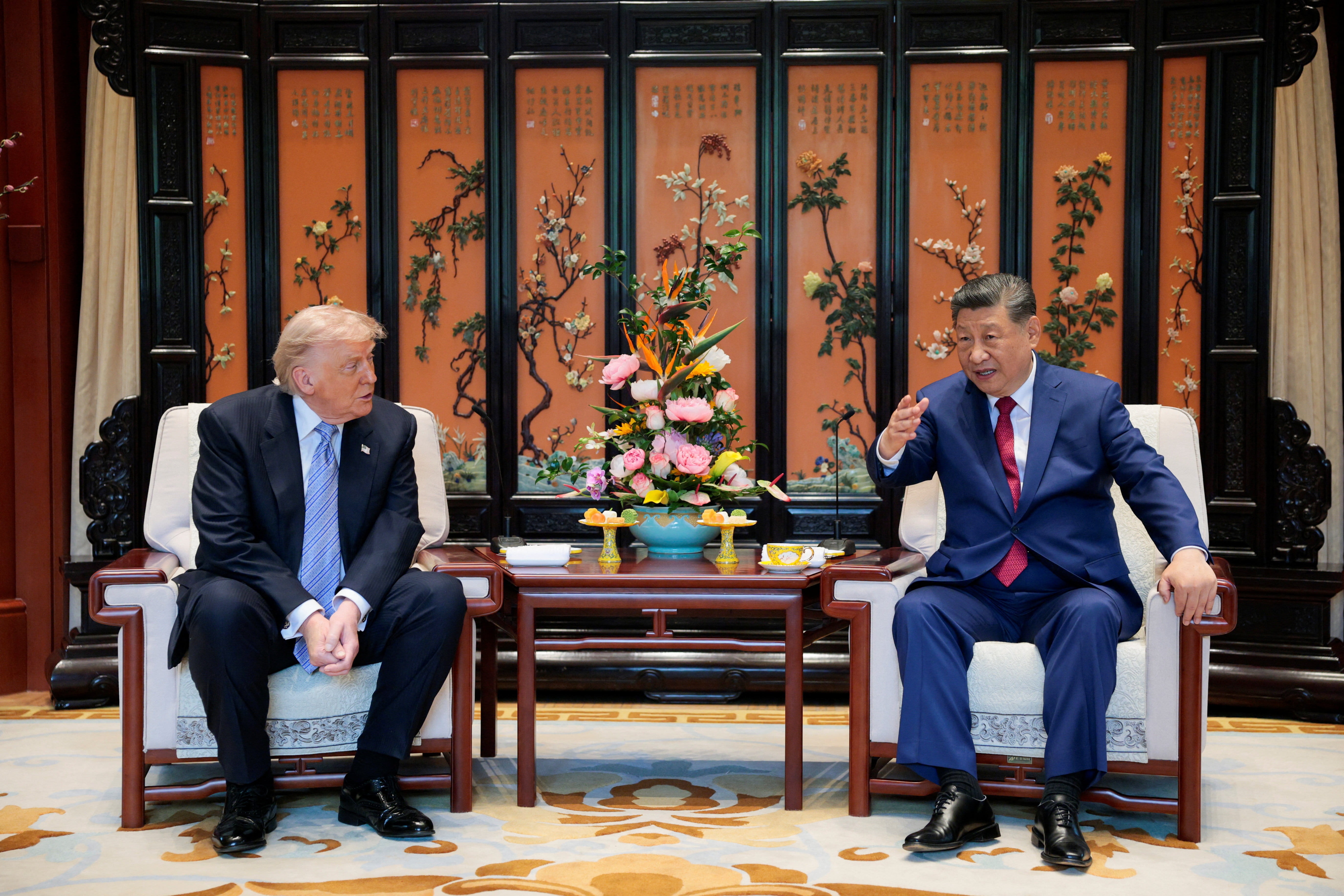 |
US President Donald Trump announced that several trade agreements between the US and China were signed during the US delegation's visit to Beijing, China, from May 13-15. Photo: Reuters. |
Unlike Washington, China currently maintains relatively stable channels of contact with many parties with opposing interests, such as Iran, Saudi Arabia, Israel, Russia, and European countries. This multi-layered network of relationships gives Beijing a rare degree of flexibility in coordinating and mediating in geopolitical hotspots.
This development shows that, despite the intense strategic competition between the US and China, Washington is increasingly recognizing that coordination with Beijing is an indispensable element in managing global crises.
However, fundamental disagreements remain. During Trump's visit, President Xi warned that any escalation regarding Taiwan could push the two powers into a serious confrontation.
Nevertheless, the interplay between economic interests and the need for strategic stability reflects a remarkable shift in international relations – where China is gradually positioning itself as a coordinating and mediating hub in the new global power structure.
There is growing assessment that Beijing's relationship with both Moscow and Washington will play a crucial role in managing international crises and maintaining stability in a deeply polarized world.
From China's perspective, the fact that both Trump and Putin chose Beijing as a destination for dialogue, alongside partners in the Southern Hemisphere and Europe, is seen as evidence of the country's growing influence in the global economic and diplomatic sphere.
Throughout Beijing's foreign policy, the priority is protecting the international security environment and economic system from unpredictable military shocks. For China, protracted conflicts in Ukraine or the Middle East are not merely geopolitical issues but also pose direct risks to growth, energy supply chains, and domestic development goals.
However, the goal of maintaining stability also goes hand in hand with long-term strategic calculations: promoting a more balanced global governance structure and gradually reducing dependence on institutions led by the West.
Source: https://znews.vn/vi-sao-my-va-nga-cung-tim-den-trung-quoc-post1653207.html



![[Image] Close-up view of the interchange connecting the two expressways and Long Thanh Airport.](https://vphoto.vietnam.vn/thumb/1200x675/vietnam/resource/IMAGE/2026/05/25/1779703378210_ndo_br_z7863716673926-224453a31600126cce10622af6290afd-4549-jpg.webp)
![[Image] Hanoi's urban life under the challenge of a "scorching hot" environment](https://vphoto.vietnam.vn/thumb/1200x675/vietnam/resource/IMAGE/2026/05/25/1779706979265_nang-nong-t5-2026-minh-duy-7-4636-jpg.webp)








































































Comment (0)