

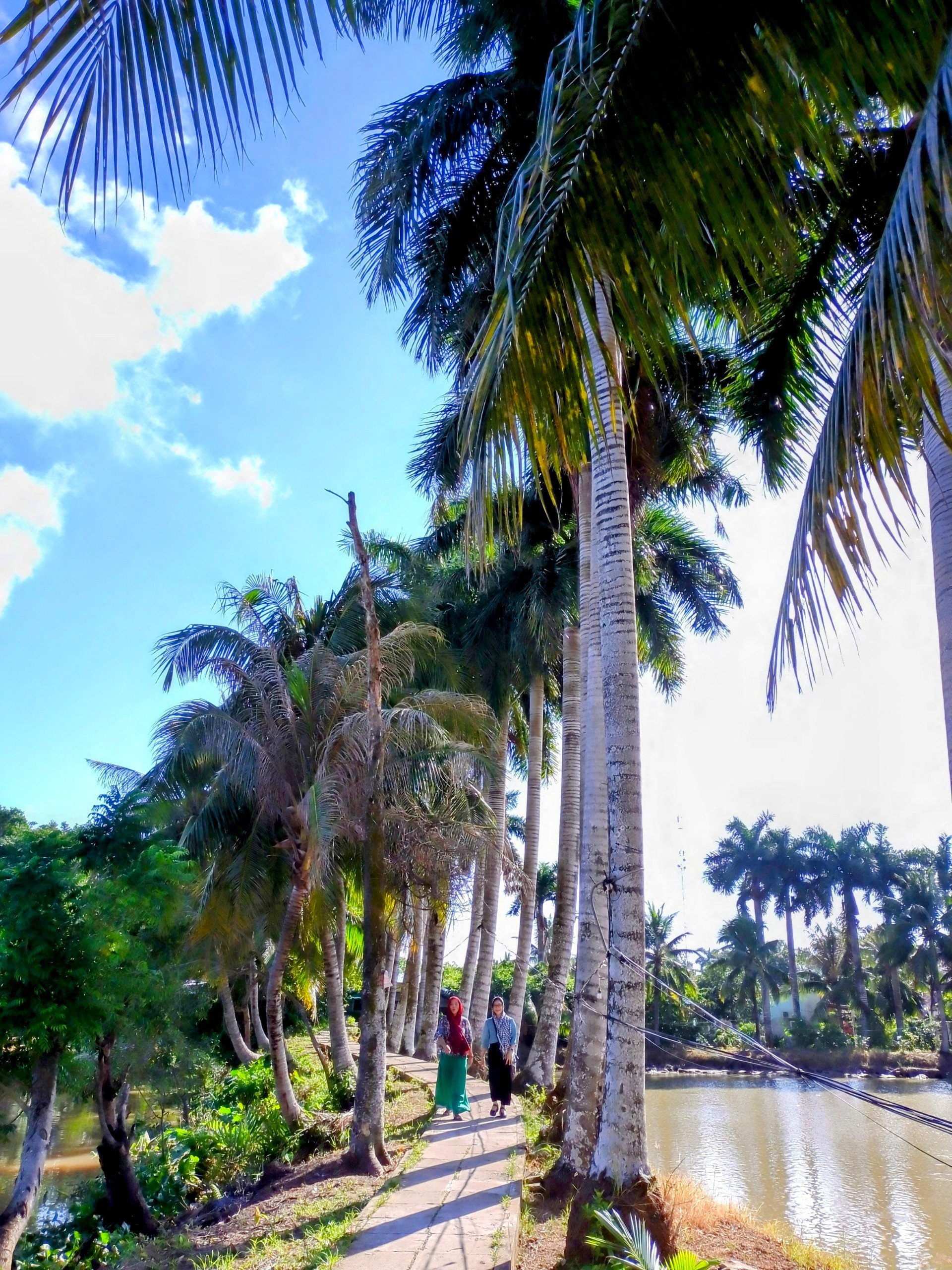
Con Son islet is also known as Linh islet because, according to folk legend, in ancient times, the mouth of the Binh Thuy River was home to many sea monsters, and strong winds and waves often caused misfortune for those traveling by boat. To ward off this calamity, the locals built an altar to pray for calm seas and gentle waves. Before long, at the spot where the altar was built, the land rose above the water and gradually expanded, with lush green vegetation growing. From then on, the locals named it Linh islet.
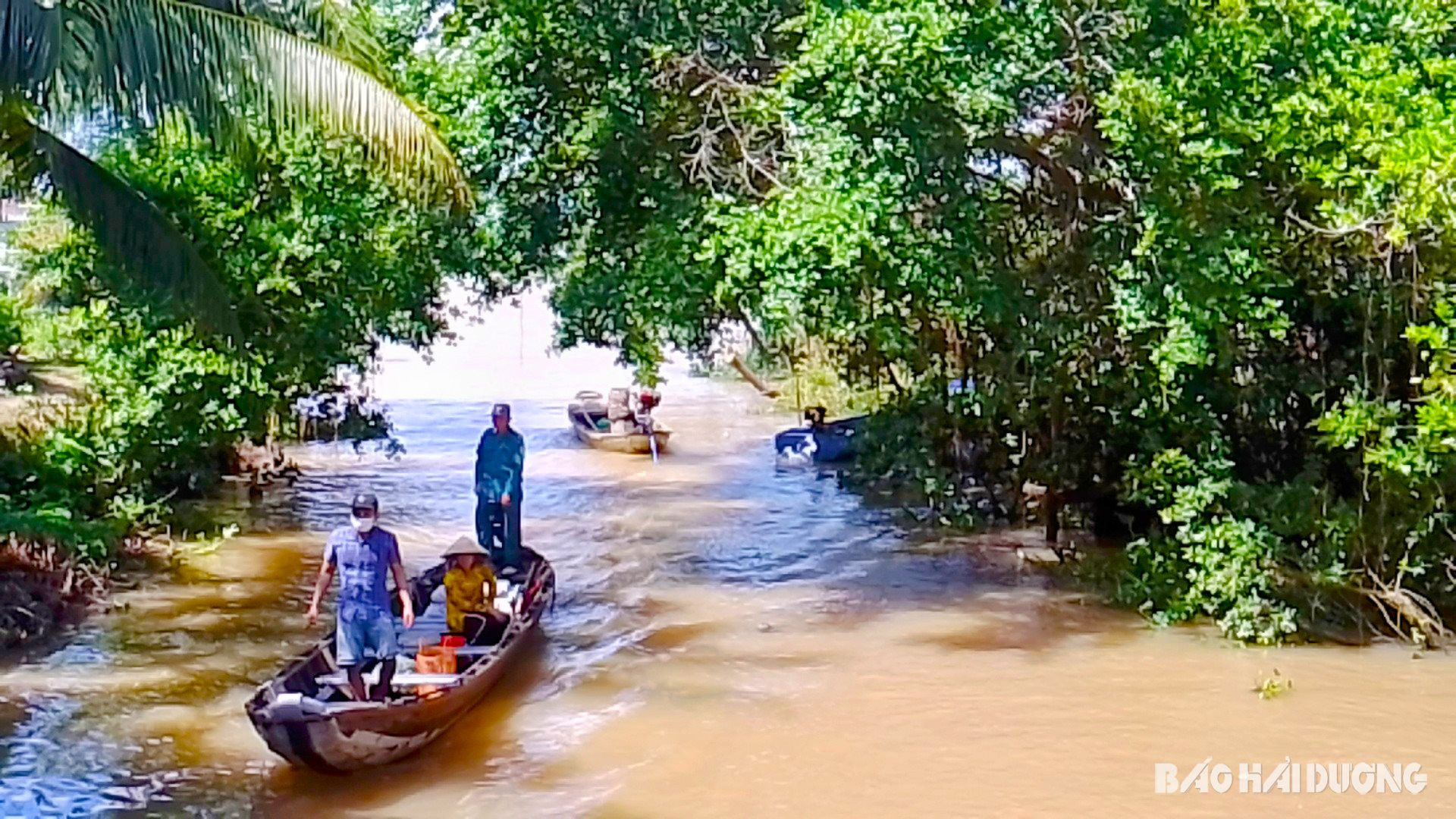
At that time, Con Linh Island had many lacquer trees, a type of tree used to extract resin for coating boats and canoes, so the island was also called Con Son (Lacquer Island). Before 1945, Con Son Island was still wild and undeveloped, without houses. Many people from Luoi and Ba Do hamlets in Binh Thuy would paddle their boats across the island in the morning to cultivate the land, set nets, and build fences, and then paddle their boats back home in the evening.
It wasn't until around 1960 that people began to cultivate fields and gardens. At that time, Con Son Island was very deserted, with only a few huts built to guard the fields. Mosquitoes, leeches, and other insects were incredibly numerous. Occasionally, a few boats would dock to hunt for mud crabs, turtles, snakes, fish, and shrimp.
On the islet, the most common animals are fruit bats, otters, and sparrows. In the evening, bats fly back in droves, filling the sky (hence the lesser-known name "Bat Islet"). Even today, Son Islet still retains place names dating back to the early days of settlement, such as Mat Quan Canal, Lat Canal, Chao Chet Canal, and Vam Ho Canal… Each canal name has a fascinating legend.
Nearly two-thirds of a century has passed since the first inhabitants set foot on Son Island. Thanks to the efforts of the pioneers in reclaiming and cultivating the land, over the years, the once pristine Son Island has become a prosperous and thriving island, a rich garden region, and an attractive cultural tourism destination.
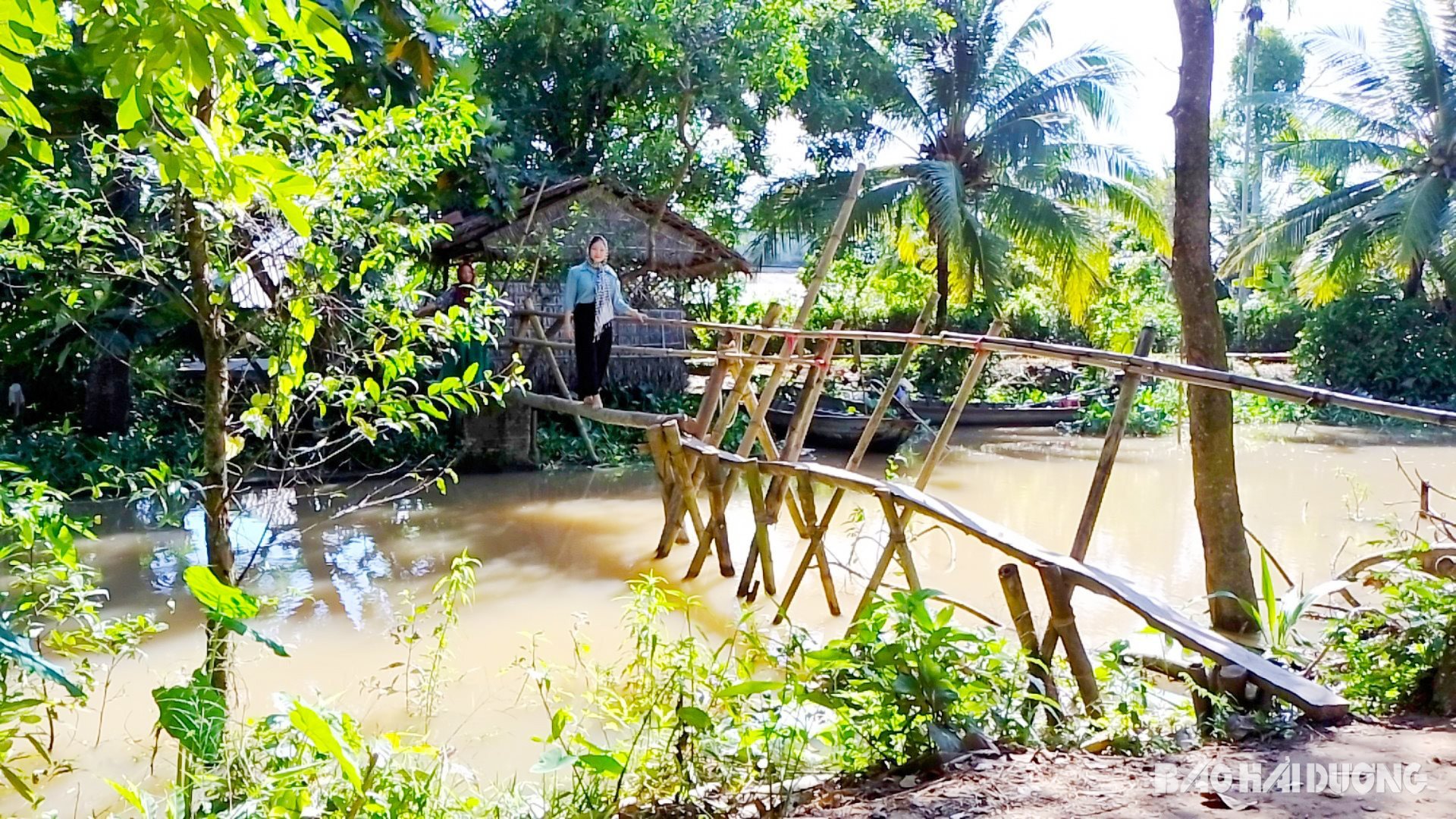
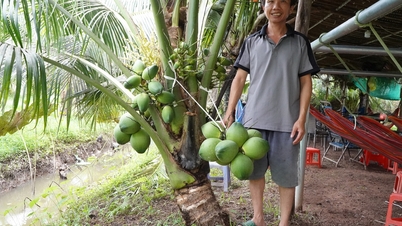
Currently, Son Island has 74.4 hectares of land and 79 households. The first impression upon arrival is the winding roads, lush orchards, meandering canals bustling with boats, and unique monkey bridges spanning across them. Therefore, Son Island has become an attractive destination for tourists.
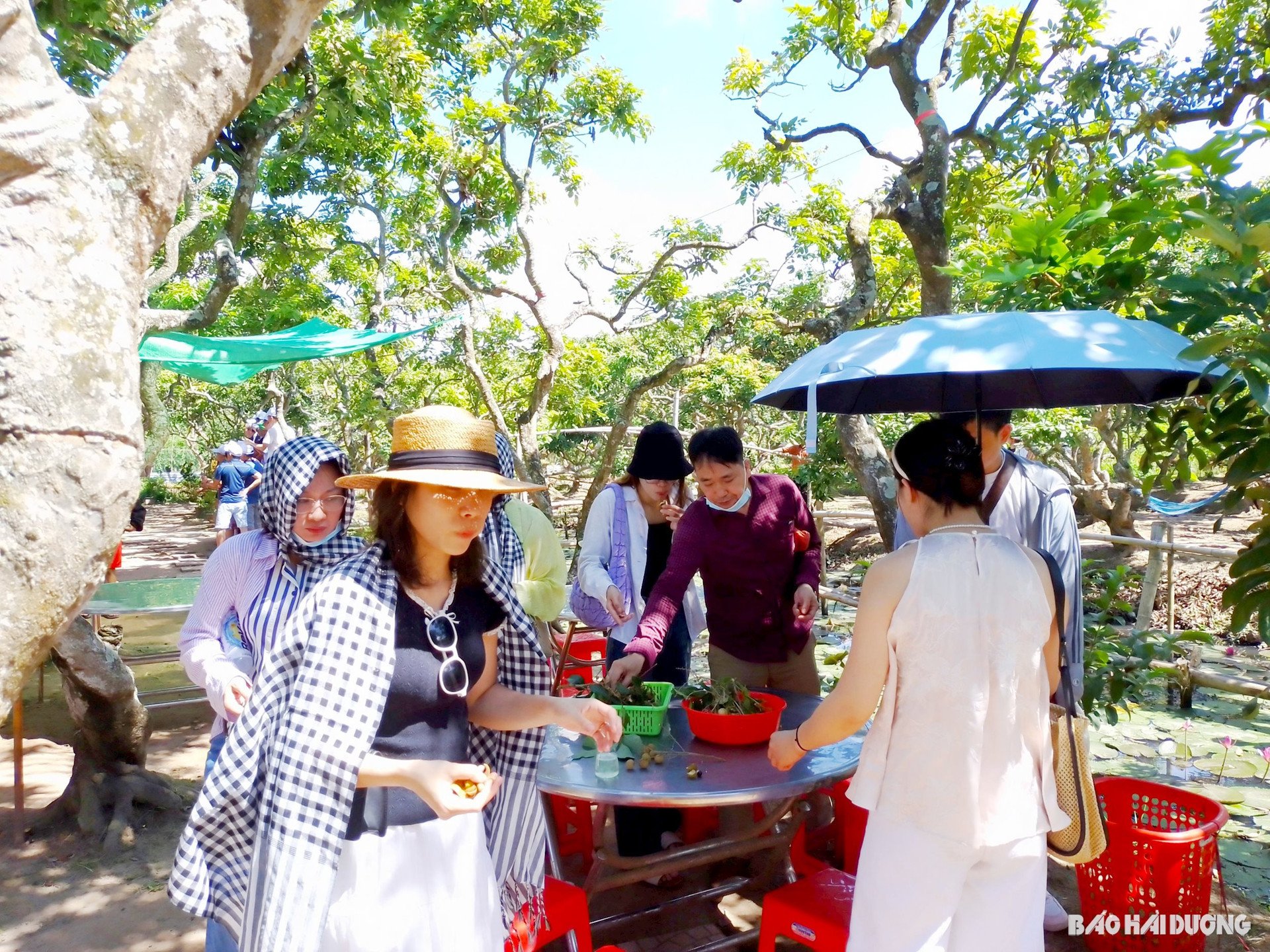
Currently, Con Son Island has over 20 households participating in a tourism cooperation model, combining the promotion of cultural features and the spirit of community, with each household contributing a product and then introducing the services available at their neighbor's house to tourists.
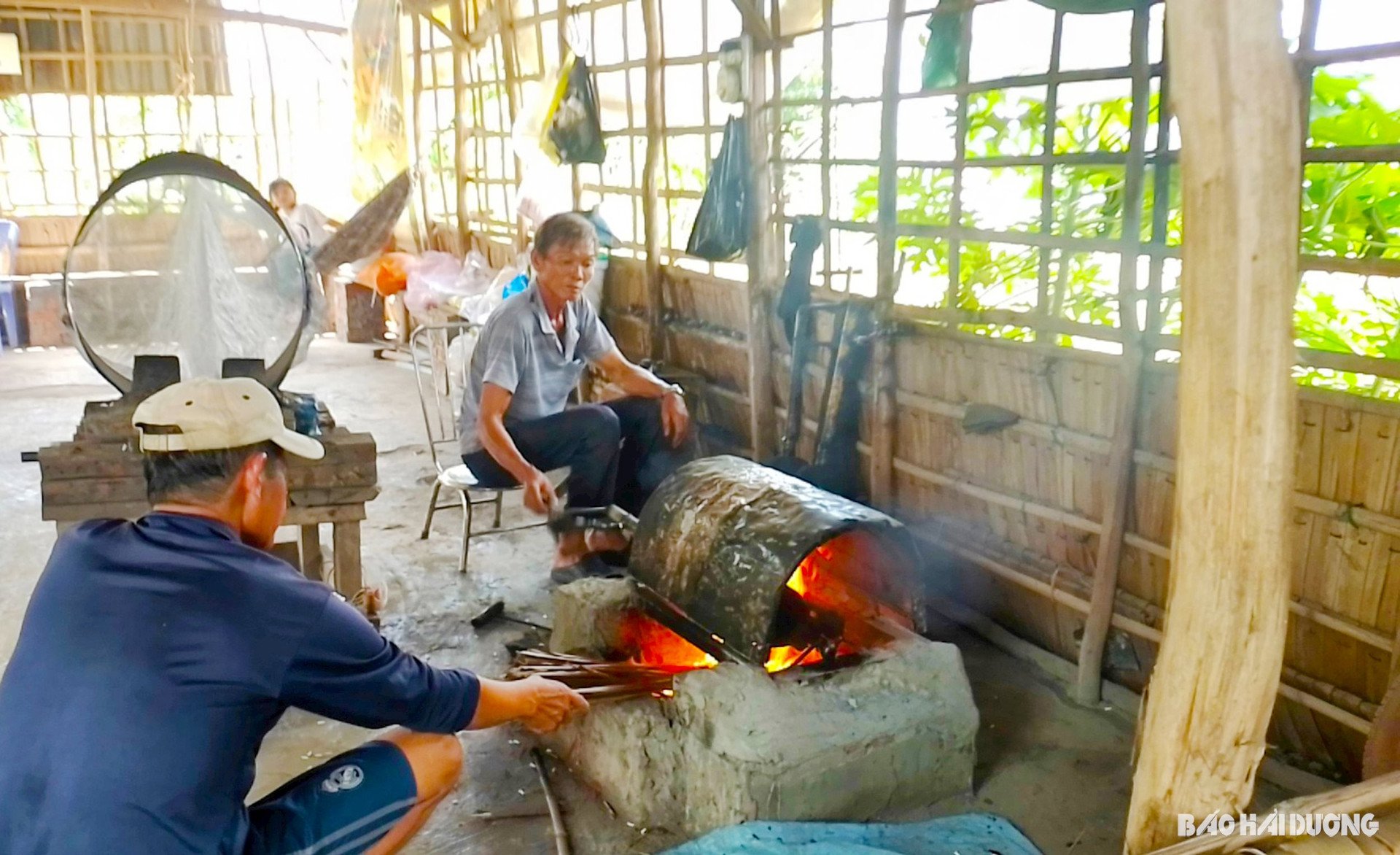
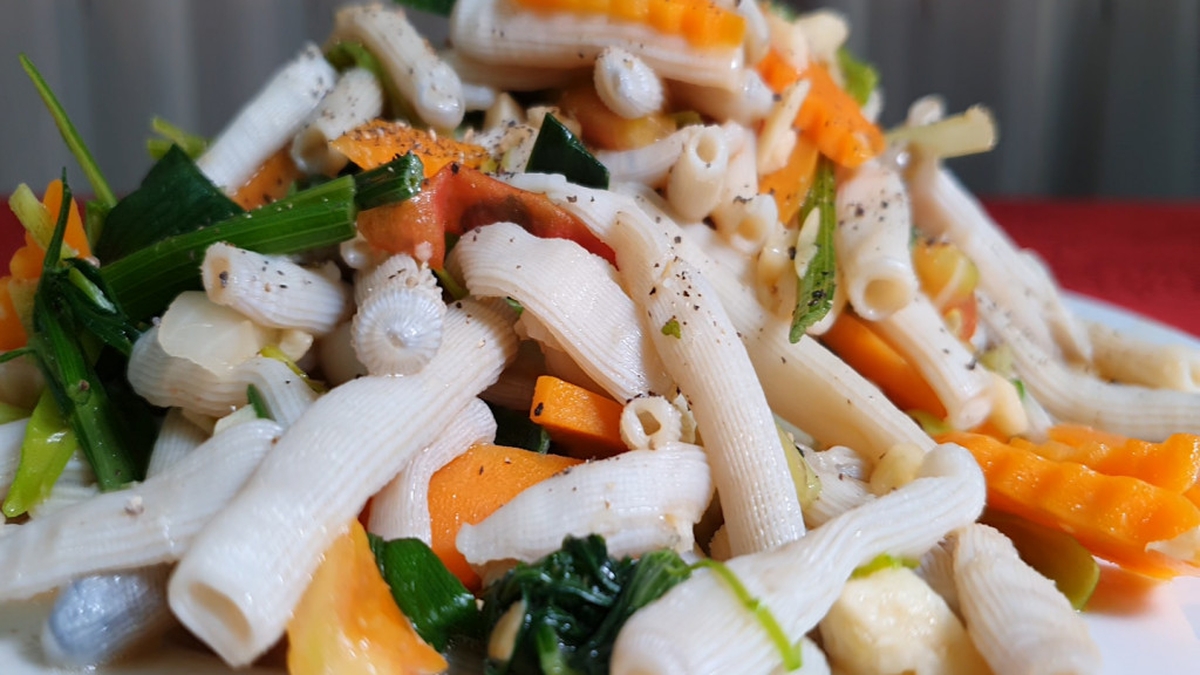
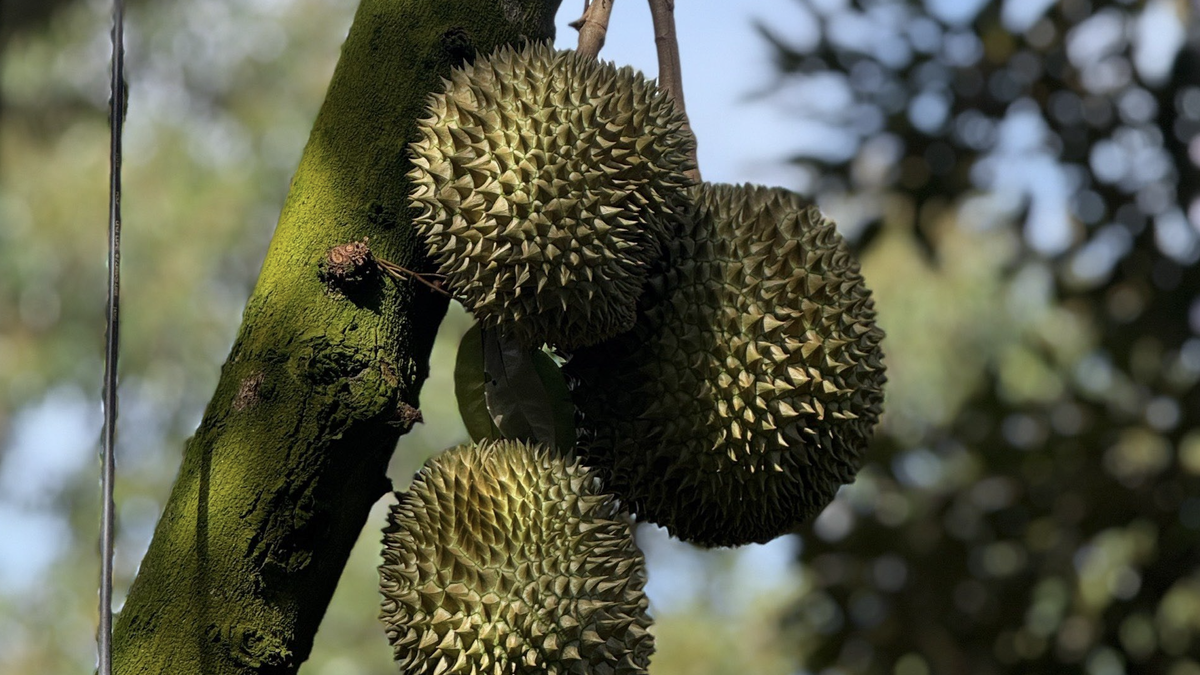
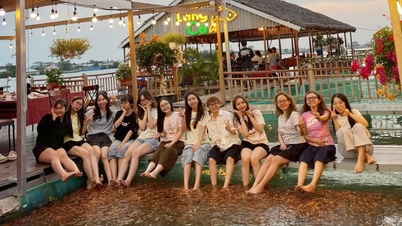
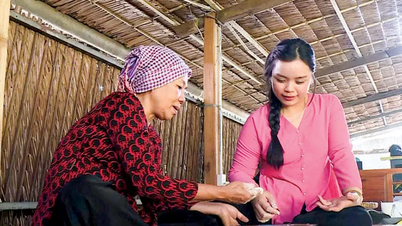
Visitors to Son Island not only get to experience rural life such as draining canals to catch fish, rowing boats, picking fruit, and enjoying many typical Southern Vietnamese fruits, but also get to enjoy many rustic dishes, traditional cakes, and return to the traditional community atmosphere of a Southern Vietnamese village.
Source: https://baohaiduong.vn/vi-vu-con-son-miet-vuon-tren-dong-song-hau-390421.html

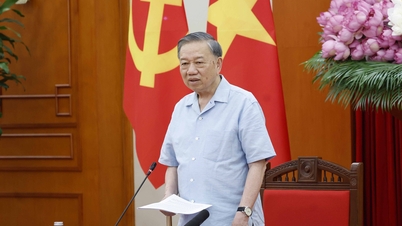
![[Photo] General Secretary and President To Lam presides over a meeting on preparations for the review of one year of operation of the three-tiered government system.](https://vphoto.vietnam.vn/thumb/1200x675/vietnam/resource/IMAGE/2026/06/02/1780391821195_a1-bnd-4595-9717-jpg.webp)






























































Comment (0)