

Reporting at the meeting, Assoc. Prof. Dr. Hoang Anh Huy – Rector of Hanoi University of Natural Resources and Environment (TN&MT) presented the draft Standard for Training Programs in the Environmental and Environmental Protection Sector, developed according to Circular No. 17/2021/TT-BGDDT dated June 22, 2021, of the Ministry of Education and Training (GD&ĐT). In this draft, the University has developed undergraduate training programs for the following majors: Environmental Engineering Technology, and Environmental Management; and postgraduate programs in the following specializations: Environmental Science, Environmental Management, and Environmental Engineering.
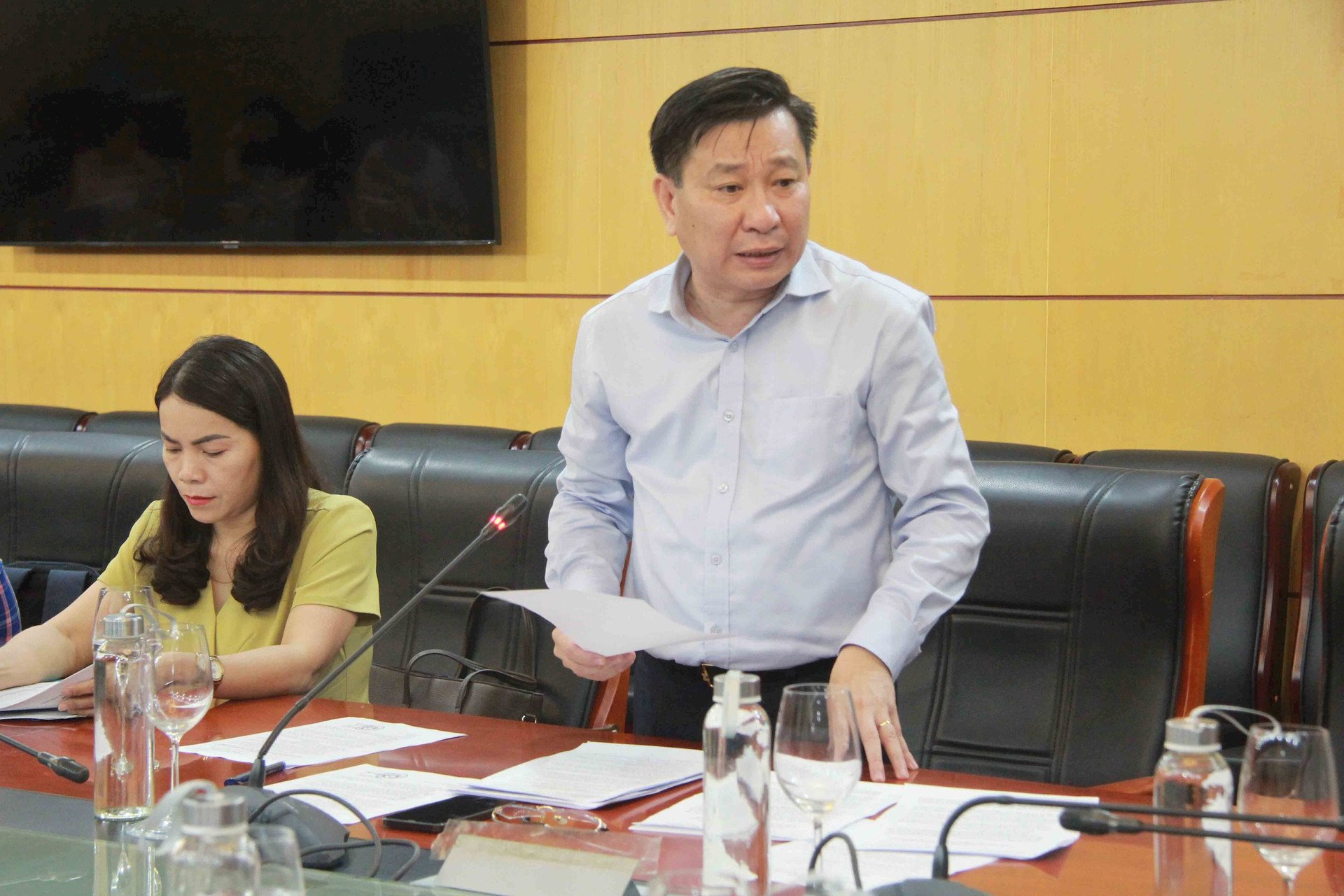
The school has researched and proposed lists and plans for compiling textbooks according to the requirements of the Ministry of Natural Resources and Environment for knowledge groups in the field of environment. Simultaneously, incorporating feedback from experts and scientists from 2022-2023, the school has compiled seven key textbooks including: Environmental Monitoring (2 volumes); Environmental Auditing in the Industrial and Agricultural Sectors; Conservation of Diversity and Ecosystem Restoration; Natural Resource Valuation; Sustainable Solid Waste Management and Treatment towards a Circular Economy; Strategic Environmental Assessment; and Environmental Impact Assessment Methods.
Based on the contents of Announcement 116/TB-BTNMT regarding the conclusions of Deputy Minister Vo Tuan Nhan, Hanoi University of Natural Resources and Environment has implemented and completed the basic-level acceptance of the Training Program Standards for the Environmental and Environmental Protection Sector, developed 5 undergraduate and postgraduate training programs in the field of environment, and put these training programs into teaching. Furthermore, to update the knowledge group to meet the requirements of the 2020 Environmental Protection Law, Hanoi University of Natural Resources and Environment, in collaboration with Ho Chi Minh City University of Natural Resources and Environment, plans to compile textbooks for the 2024-2025 period.
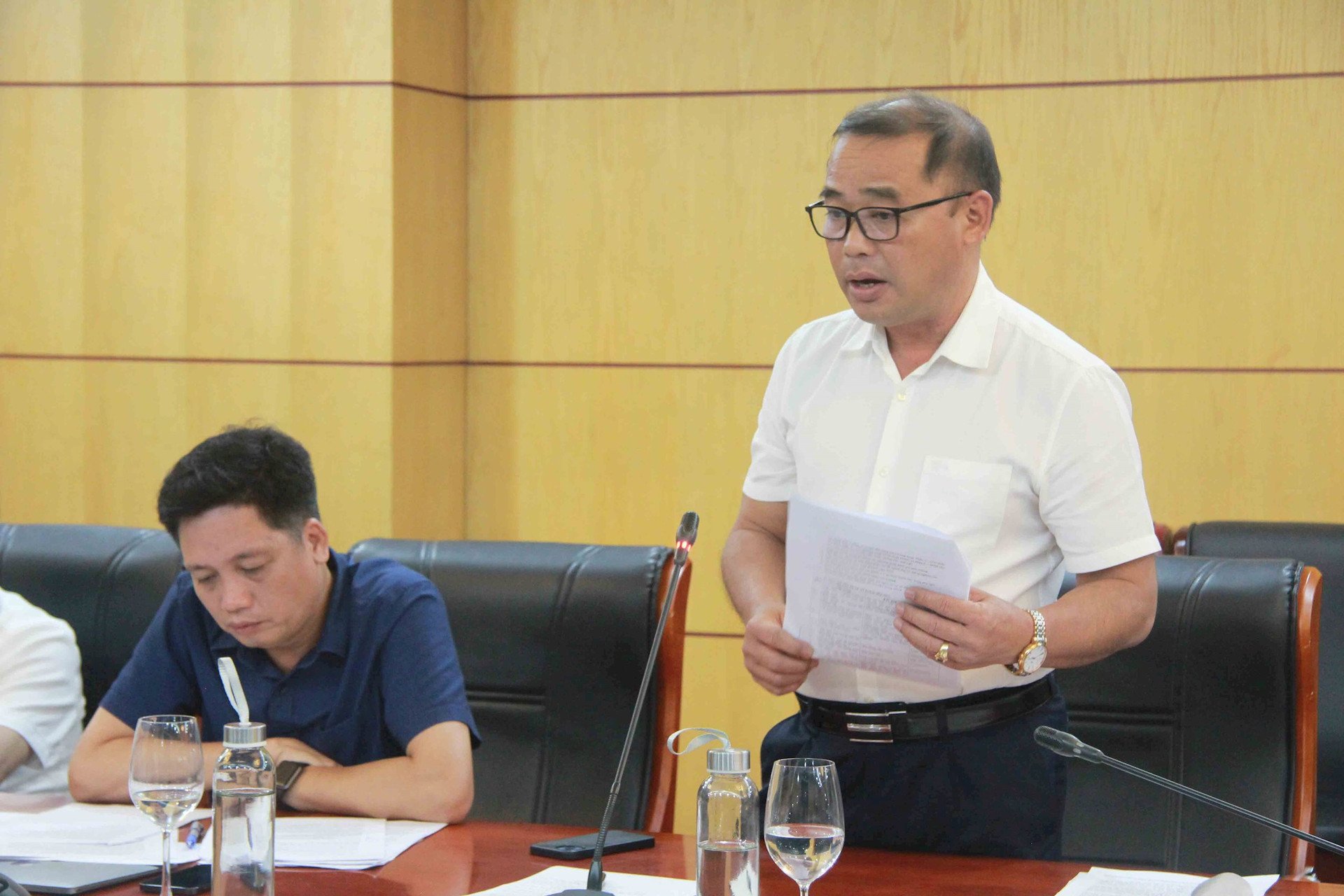
Associate Professor Huynh Quyen – Rector of the University of Natural Resources and Environment of Ho Chi Minh City, said that in the past period, under the close guidance of the Steering Committee, the University has systematically compiled the textbook in the following order: Organizing a workshop (determining the textbook title, implementation plan, and content orientation); Developing the textbook framework/outline, organizing consultations with scientific experts; Developing a draft textbook through a Steering Committee meeting to solicit feedback on the draft textbook according to the plan in March 2023; Revising the draft textbook. To proceed with printing and publication, the two universities under the Ministry have proposed a list of scientific experts to review the textbook and submitted it to the Department of Science and Technology of the Ministry, awaiting approval of the draft for review to finalize the textbook.
To date, the University of Natural Resources and Environment of Ho Chi Minh City has completed four textbooks included in the 2023 proposed textbook compilation list. These textbooks have been meticulously compiled with the participation of many lecturers and domestic science experts. The purpose of these textbooks is to serve as teaching materials and educational curricula within the university.
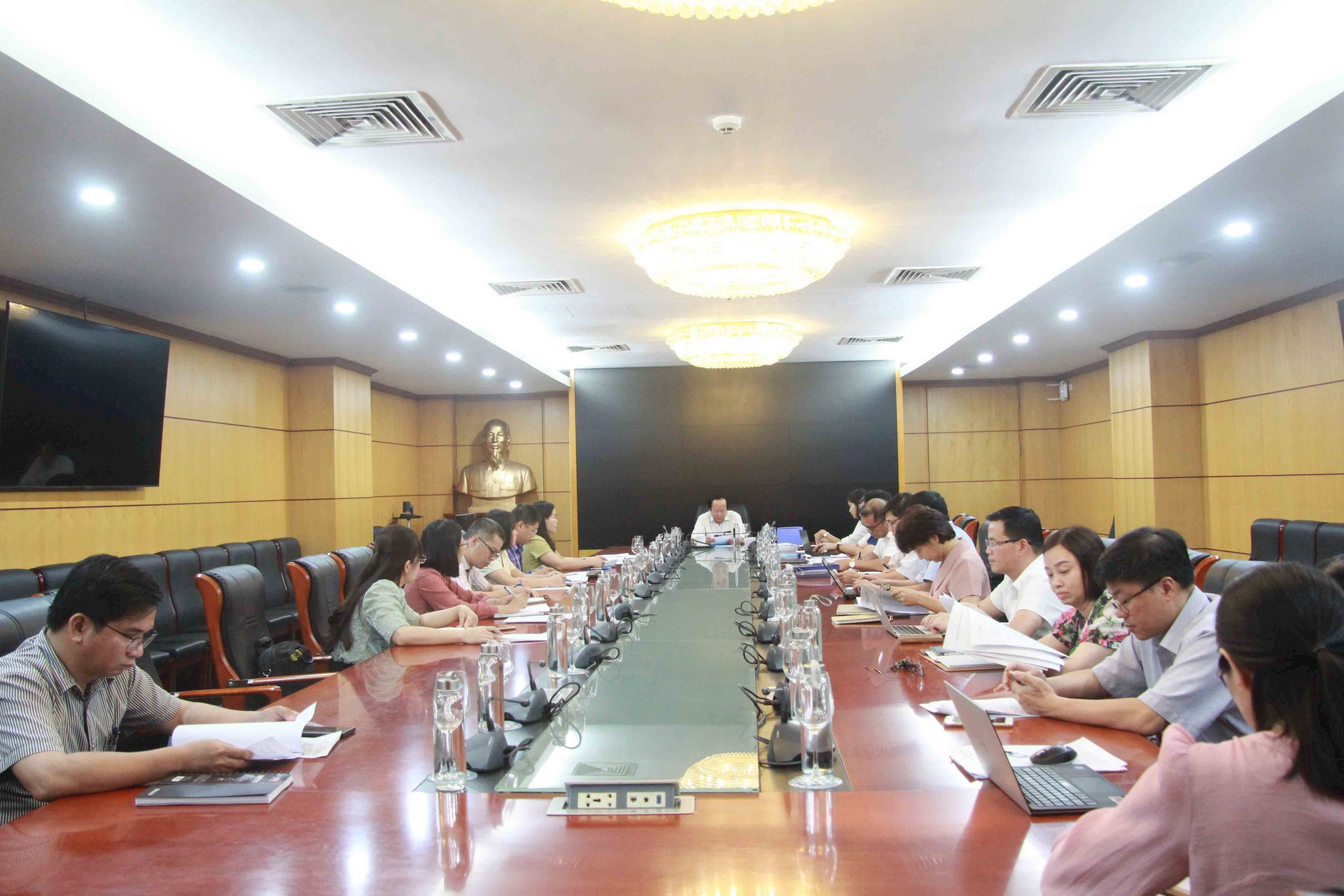
Contributing his opinion to the development of the curriculum, Mr. Nguyen Thac Cuong – Deputy Director of the Department of Science and Technology – stated that the textbooks of the Ho Chi Minh City University of Natural Resources and Environment have clarified the basic contents; however, for the Hanoi University of Natural Resources and Environment, especially in the textbook on environmental monitoring, the key contents have not been clearly defined. Therefore, it is necessary to clarify the monitoring subjects to ensure the logic in the curriculum. Furthermore, for the purpose of forecasting and warning, the University needs to reorganize the table of contents to clearly present the important content.
Representatives from the Department of Environment stated that the curriculum content must be aligned with the Ministry's tasks and functions, ensuring legal compliance. After receiving the curriculum and related materials on environmental strategy assessment and environmental impact assessment, the Department will organize an internal discussion forum and invite experts to provide feedback and contributions to the curriculum development process.
At the meeting, Deputy Minister Vo Tuan Nhan instructed the two universities to thoroughly review the content of their curricula on topics such as environmental technology, environmental monitoring, environmental impact assessment, strategic environmental assessment, solid waste management, and circular economy, following the correct assessment methods and procedures. This is to enable them to produce forecasting and warning studies, thereby serving the public and applying scientific research products and curricula to practice.
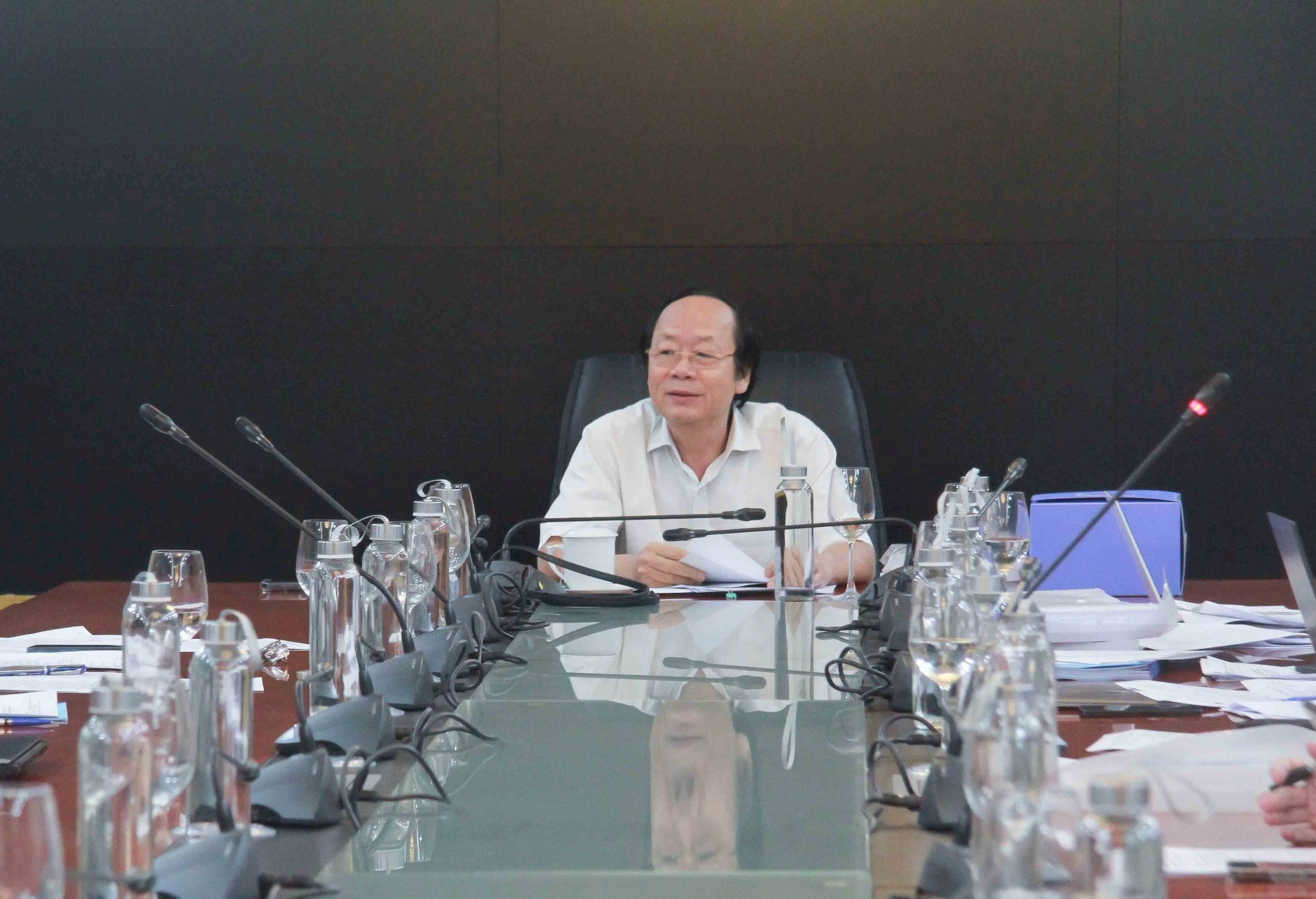
To finalize the curricula for submission to the Ministry for approval, the two universities need to review the draft curricula, determine the methodology in each study, clearly identify the authors of each research project, and obtain feedback from lecturers, scientists, experts, management levels, and especially students studying Natural Resources and Environment. Students should be required to read, comment on, and provide additional evaluations to improve the existing curricula.
The Deputy Minister instructed the Department of Environment and the Environmental Pollution Control Bureau, after receiving the curricula from the schools, to organize research and provide feedback on those curricula, especially for the Steering Committee. They need to improve the quality of the curricula and advise the Ministry to avoid any issues related to content, laws, or authors that are inappropriate. They should continue to organize seminars, inviting experts on environmental impact assessment and some businesses to provide feedback on the curricula and supply additional necessary information to the draft. This is a task and responsibility of the schools to successfully complete the curricula and incorporate them into the core education program.
Source


![[Image] Central Party Office summarizes work in 2025](/_next/image?url=https%3A%2F%2Fvphoto.vietnam.vn%2Fthumb%2F1200x675%2Fvietnam%2Fresource%2FIMAGE%2F2025%2F12%2F18%2F1766065572073_vptw-hoi-nghi-tong-ket-89-1204-jpg.webp&w=3840&q=75)




























































Comment (0)