

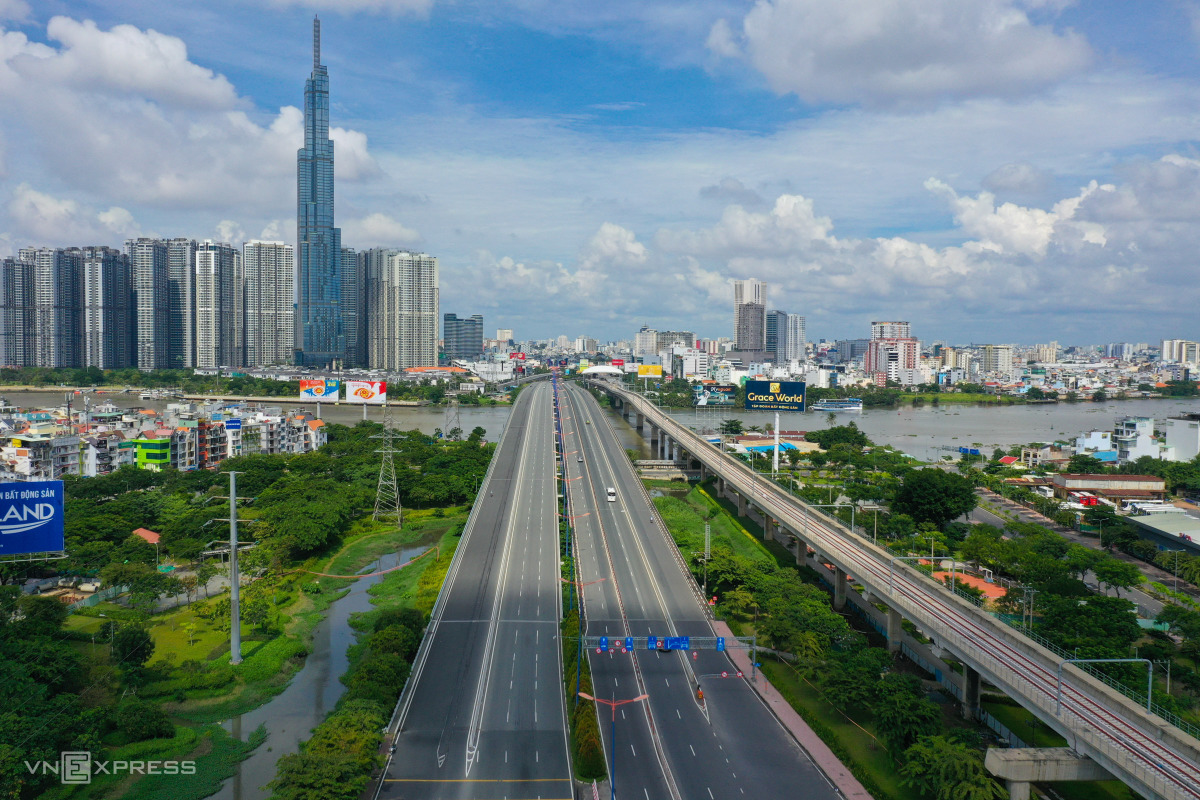
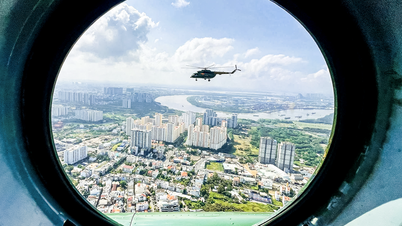
Ho Chi Minh City is a melting pot of cultures, offering diverse tourism products, and is known as the "city that never sleeps," with vibrant entertainment and recreational activities happening day and night.
Beautiful season
Ho Chi Minh City is located in the tropical monsoon region near the equator. The general weather characteristics here include consistently high temperatures throughout the year, with two distinct seasons: rainy and dry. The rainy season lasts from May to November, and the dry season from December to April. The average temperature is around 27°C, with a maximum of over 40°C, but the sun is mostly not too intense, humidity is low, and it is pleasantly cool in the evenings.
The weather in the North isn't as harsh as in the South, so tourists can visit the city at any time of year. If you visit during the rainy season, you should bring an umbrella to protect yourself from sudden downpours.
Travel to Ho Chi Minh City
As a major city, Ho Chi Minh City is easily accessible, with a full range of transportation options including airplanes, trains, ships, and cars.
Domestic airlines operate daily direct flights to Tan Son Nhat Airport from various locations. Ho Chi Minh City has the highest frequency of flights to and from the airport nationwide. Round-trip airfares to and from Ho Chi Minh City range from 2 to 4 million VND, depending on the departure location and time of purchase.
Tan Son Nhat Airport is located in Tan Binh District, about 8 km from the city center (District 1), and about 5 km from District 3 and Phu Nhuan District. Currently, the traditional taxi fare from Tan Son Nhat Airport to the city center is around 250,000 VND. Travelers can book ride-hailing services for half the price (outside of peak hours). One tip is that walking to the international terminal to book a ride will be faster than waiting at the domestic terminal.
By train, the fastest Reunification Express train connecting Hanoi and Ho Chi Minh City currently takes 30 hours, stopping at major stations such as Vinh, Dong Hoi, Hue, and Da Nang. Travelers should book tickets through reputable agencies or directly via dsvn.vn, selecting their departure and arrival stations, and choosing between seated or sleeper seats. Train ticket prices vary depending on the compartment and seat type.
There are two main road routes connecting the South and the North: National Highway 1A and the Ho Chi Minh Trail. Depending on their needs and destinations along the route, travelers can choose the most suitable route.
Getting around Ho Chi Minh City
Getting around the city is convenient, with many transportation options. Renting a motorbike is one of the most popular choices. Most accommodations offer motorbike rentals, or you can find rentals online, especially in the city center. Daily rental prices vary depending on the type of motorbike, ranging from 100,000 to 200,000 VND. Some places require a deposit of 1 to 4 million VND, while others only require identification documents.
Additionally, using ride-hailing services (cars or motorbikes) in Ho Chi Minh City is also a convenient option. However, frequent travel can be expensive.
Public transportation is a reasonable option when wanting to save money. Tourists can choose buses or public bicycles (in the city center). Public bicycles launched in December 2021. Stations are located on the sidewalks of many streets in District 1, near bus stops, parks, and tourist attractions... with prices of 5,000 VND for 30 minutes and 10,000 VND for 60 minutes.
Accommodation
Accommodation options in Ho Chi Minh City are diverse, with a system of hotels, homestays, and serviced apartments to meet the needs of tourists. Rooms can be found at prices ranging from a few hundred thousand to tens of millions of VND per night.
There are many 5-star hotels with prices ranging from 3-7 million VND, such as Park Hyatt Saigon, Hotel Majestic Saigon, Hotel des Arts Saigon, Pullman Saigon Centre, Hotel Nikko Saigon, Norfolk Mansion, and La Vela Saigon.
In the mid-range price segment of 1-2 million VND, tourists can consider hotels such as Wink Hotel Saigon Centre, La Memorial Hotel, The Hammock Hotel Ben Thanh, Millennium Boutique Hotel, and The Odys Boutique Hotel.
Serviced apartments offer all the amenities of a regular apartment but are beautifully decorated to suit travel needs. Some options for tourists include Ariosa, The Bloom, City Oasis, S Home, and M Village Boutique. Serviced apartments range in price from 800,000 VND to 2,000,000 VND.
Homestays are available for less than 1 million VND per room. Some homestay options in the city center include Nấp Saigon, Home, Hostie Saigon Wanderlust Home, Cactusland Homestay, and Zooz Studio.
In addition, there are many other budget-friendly guesthouses. Tourists can check out booking options on Agoda or Booking.
Tourism and leisure activities
Ho Chi Minh City's tourism development is oriented towards each district and county having its own unique tourism product. The city offers a diverse range of entertainment activities, amusement parks, sightseeing spots, and shopping options to suit various types of visitors.
Take the river bus.
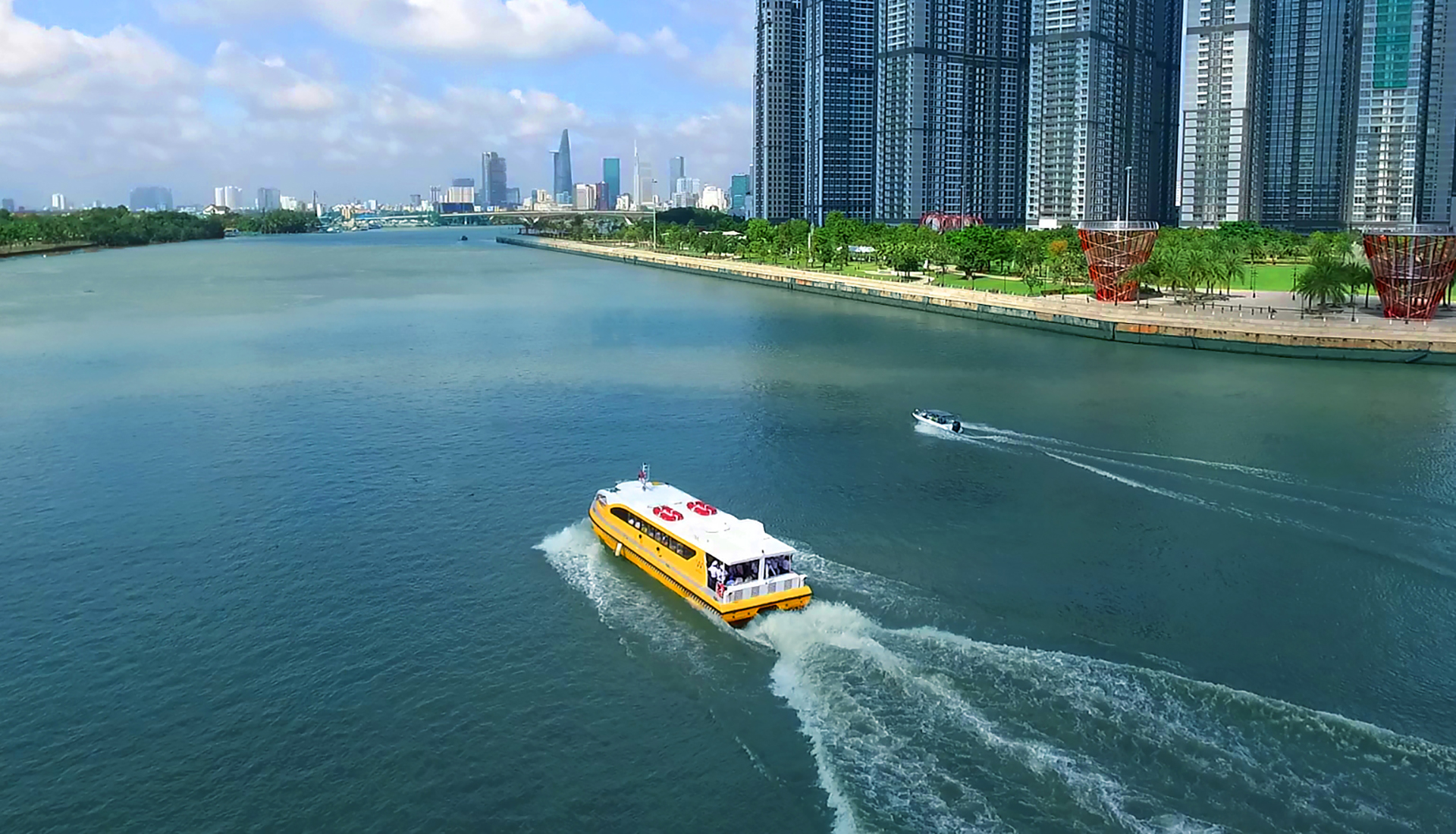
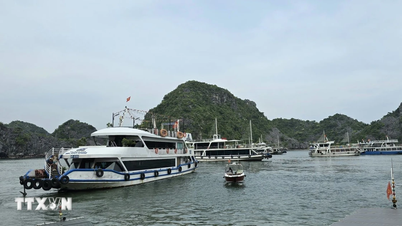
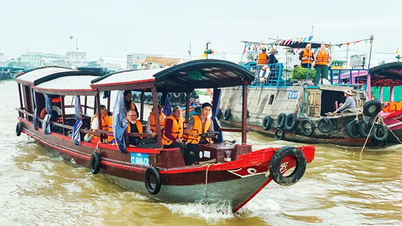
River cruises are a hallmark of tourism in Ho Chi Minh City. Visitors can admire the city from a different perspective, passing many famous landmarks such as Nha Rong Wharf, Ben Nghe Port, Phu My Bridge, Red Lighthouse Cape, and Binh Khanh Ferry Terminal.
River buses depart daily at 8:30 AM from Bach Dang, Binh An, Linh Dong, Thanh Da, and Hiep Binh Chanh piers. Night buses depart no later than 10:00 PM. Tickets can be booked online or purchased directly at the piers for 15,000 VND per trip.
Dinner on a cruise ship
Cruises depart every evening from Saigon Port, taking visitors on a river tour to admire the nighttime beauty of Nha Rong Wharf, Ben Nghe Port, Saigon Bridge, Landmark 81, and more. Visitors can enjoy dinner on board, taking in the scenic views along the riverbank, with ticket prices ranging from 350,000 VND to over one million VND, depending on the type of cruise. Meals are available in Asian-European buffet style or as part of a combo meal. The cruises also feature entertainment programs, including music, dance, and magic shows.
Alternatively, tourists can charter a small yacht, with a capacity of about 20 people, for a price ranging from 10 million to 25 million VND.
Enjoy the view from the double-decker bus.
The city center is served by open-top double-decker buses. These buses feature an automatic multilingual commentary system guiding passengers to landmarks along the route, tourist maps, free Wi-Fi, and tour guides. Each trip lasts approximately 60 minutes, passing by famous locations such as the Saigon Zoo, the War Remnants Museum, Bui Vien Walking Street, Ben Thanh Market, Nguyen Hue Walking Street, the City Theatre, and ending with a panoramic city view from the Saigon Skydeck on the 49th floor of the Bitexco Financial Tower.
The buses operate from 9:00 AM to 10:30 PM daily, with a departure every 30 minutes. In the evening, they offer an additional service: dinner on a luxury cruise ship along the Saigon River. Tickets can be purchased directly at the counter at the departure point, 92-96 Nguyen Hue Street, District 1, or booked online.
Take a walk in the park.
The Saigon Zoo, with a history spanning over 150 years, is the eighth oldest zoo in the world. Initially a botanical garden, it served the city's wildlife conservation needs and scientific research. Currently, the zoo houses over 1,000 individual animals, more than 2,000 trees belonging to 260 species, 23 native orchid species, and 33 cactus species across its 17-hectare area. The grounds are serene and ideal for relaxation.
In addition, Ho Chi Minh City has many beautiful parks and green spaces such as Tao Dan, Hoang Van Thu, Le Van Tam, and Gia Dinh.
Listen to live music
Sipping a cup of coffee or a glass of wine while enjoying live music is one of the experiences in Ho Chi Minh City, especially in the evening. Live music venues have long attracted a large number of locals and tourists. In the evening, each place offers its own unique musical style, from energetic rock to improvisational jazz, gentle acoustic, or soulful love songs.
Some suggested places: Ben Thanh Tea Room, We, Khong Ten, Dong Dao. Acoustic bars or cafes: Yoko Cafe, Rock Fan Club, Sax N' Art Jazz Club, Acoustic Bar, Drinking & Healing, Vung.
Experience the Western Quarter


Locals and tourists alike refer to the Bui Vien - De Tham - Pham Ngu Lao area in District 1 as the "Western Quarter," bustling from late afternoon until dawn. The street offers free public amenities such as restrooms, Wi-Fi, and tourist information centers. It's a popular spot for young people, tourists, and especially Westerners. Hundreds of cafes, bars, pubs, and restaurants line both sides of the street, creating a vibrant atmosphere. The street also features numerous tour operators.
Discover the life and cuisine of Chinatown.
Chinatown encompasses districts 5, 6, and 11, but District 5 is the most bustling and well-known. Along streets like Tran Hung Dao, Chau Van Liem, and Luong Nhu Hoc, visitors can admire rows of old houses with distinctive Chinese architecture, some dating back about 100 years. There are also many ancient temples, assembly halls, and typical Chinese restaurants. Must-try dishes include roast duck, braised offal, curry fish balls, hand-pulled noodles, braised chicken, and dim sum.
Luong Nhu Hoc Lantern Street is one of the attractions during the Mid-Autumn Festival, especially in the evening when lanterns of various colors and styles create a dazzling beauty. The Traditional Medicine Street is also a distinctive feature of this area. For a long time, Chinese merchants transported medicinal herbs for trade, gradually forming the bustling medicinal herb street we see today.
Historical site
Ho Chi Minh City is not only a vibrant and dynamic young city, but also a repository of rich cultural and historical values. Many historical sites and museums within the city are well-known to both domestic and international visitors.
Independence Palace
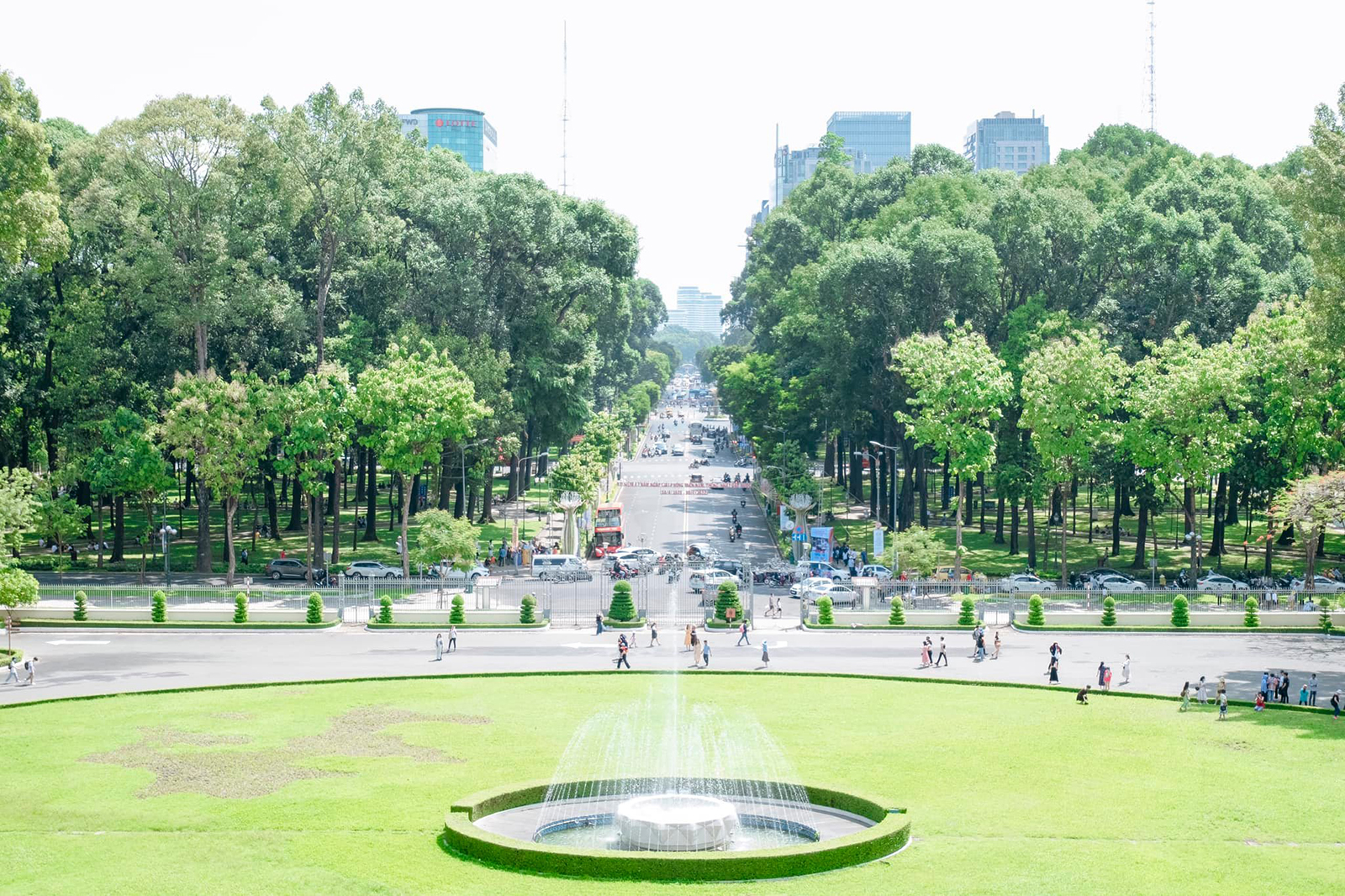
The Independence Palace, also known as the Reunification Palace, is one of the must-see attractions when visiting Ho Chi Minh City. Located in the heart of District 1, the Independence Palace is both ancient and modern, and has long been one of the city's symbols. On weekends or major holidays like April 30th, the Independence Palace is usually packed with visitors.
Tickets to visit the main building and the "From Norodom Palace to Independence Palace 1868 - 1966" exhibition hall range from 15,000 VND to 65,000 VND. If you only visit the main building, the ticket price is 10,000 to 40,000 VND.
War Remnants Museum
The War Remnants Museum ranks 61st and is the only representative from Vietnam on the list of the world's 99 most popular tourist destinations. Located on Vo Van Tan Street, District 3, the museum was established in 1975 and specializes in researching, collecting, preserving, and displaying evidence of the crimes and consequences of the wars of aggression against Vietnam. The museum houses more than 20,000 documents, artifacts, and films. Themes include Outdoor Weapons Display, Prison Regimes, Agent Orange, Historical Facts, and War Crimes.
Museum entrance fee: 40,000 VND per person, children under 6 years old are free. Opening hours: Monday to Friday from 7:30 AM to 11:30 AM. Saturday and Sunday from 7:30 AM to 4:30 PM.
Saigon Commando Museum
The Saigon Commando Museum is located on the second floor of a house built in 1963 on Tran Quang Khai Street, District 1. The house was originally a secret operational base of the Saigon Commando force under the management of Mr. Tran Van Lai (also known as Nam Lai). The museum, which opened on December 24, 2019, covers an area of over 100 square meters and displays more than 100 artifacts related to the commando soldiers. The items inside remain intact and are arranged almost exactly as they were before. Visitors can also watch short films about the Saigon Commando force.
Visiting hours: 7:00 AM to 10:00 PM every day of the week, free admission.
Ho Chi Minh City History Museum
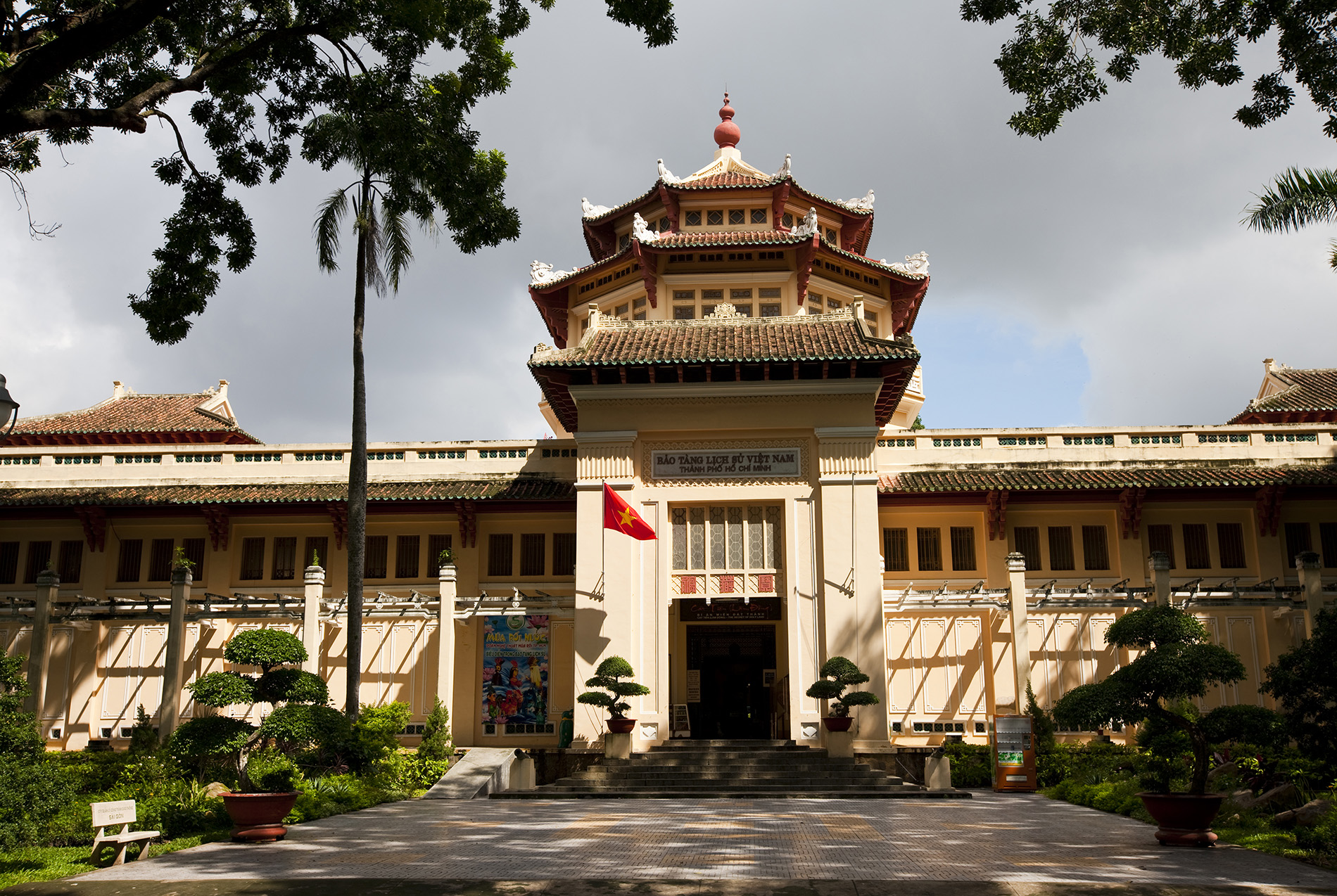
Located at 2 Nguyen Binh Khiem Street, District 1, the museum was built according to the symmetrical design of architect Auguste Delaval and inaugurated in 1929. It features wide corridors, natural light from the courtyard, and skylight windows to avoid the hot and humid climate. The central octagonal tower is painted yellow, covered with tile and adorned with East Asian-style decorations. The museum displays approximately 36,000 artifacts reflecting the history of the Vietnamese nation from prehistoric times to 1945. In addition, the museum also showcases ancient Vietnamese cultures such as Oc Eo, Champa, and Khmer.
Visiting hours: 8:00 AM to 11:30 AM and 1:00 PM to 5:00 PM. Entrance fee: 30,000 VND per person.
Ho Chi Minh City Museum of Fine Arts
Located at 97A Pho Duc Chinh Street, District 1, the museum was formerly the house of the Hua Bon Hoa family (popularly known as Uncle Hoa), one of the four wealthiest families in Saigon at the end of the 19th century. It is considered an attractive destination for art lovers and also a popular spot for young people who enjoy taking photos.
The museum is a building constructed in the French architectural style of the late 19th and early 20th centuries, harmoniously combining Eastern architectural elements in its tiled roofs, ceramic-clad columns, and ceramic motifs on the roof...
Visiting hours: 8:00 AM to 5:00 PM on weekdays.
Ancient architectural works
City Post Office
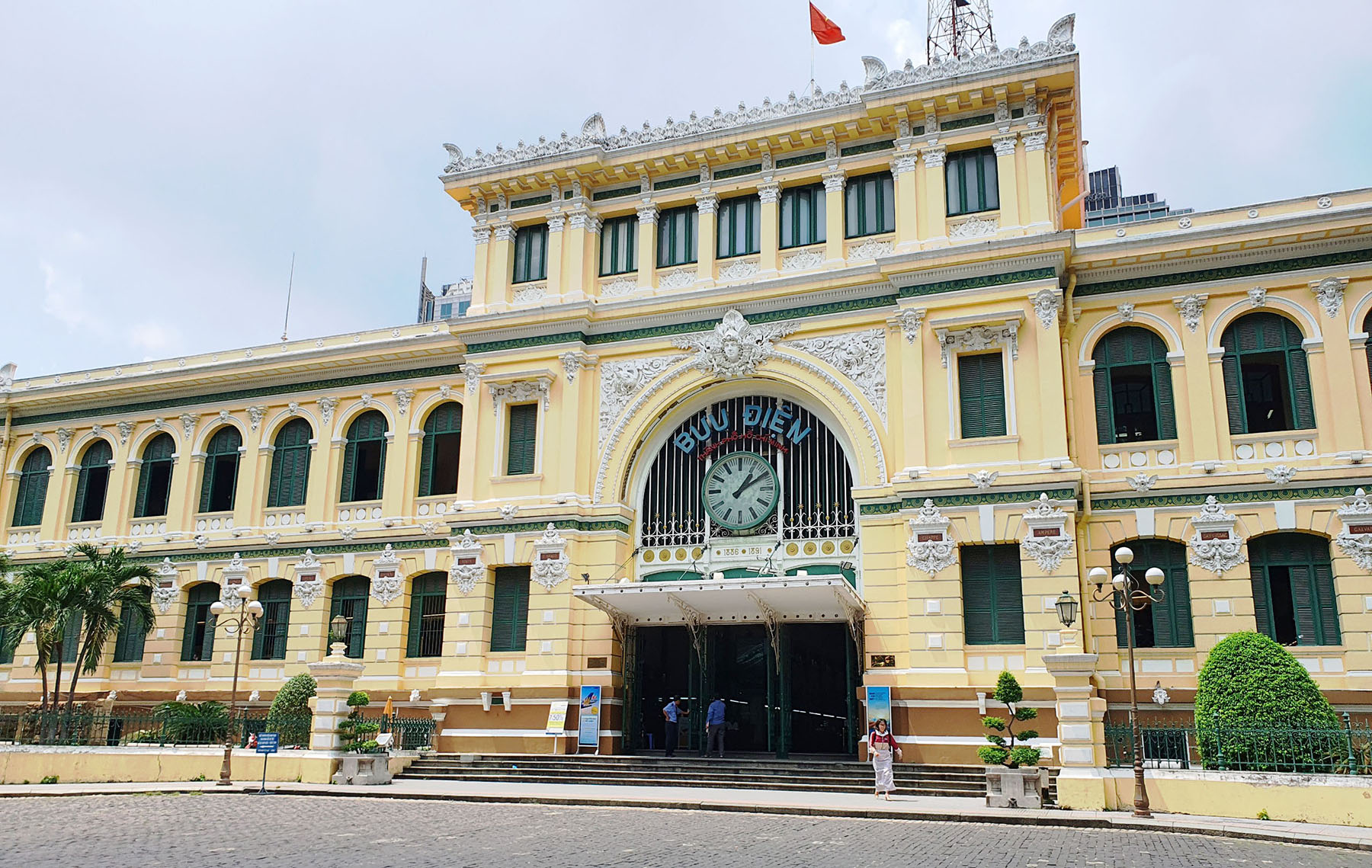
Located in Paris Square, District 1, the City Post Office was built from 1886 to 1891. The building was designed by two French architects, Alfred Foulhoux and Henri Auguste Vildieu. Having existed for over 100 years, it is currently the largest post office in Vietnam that still retains its original design. The vaulted ceiling features a central relief of Mercury surrounded by a laurel wreath, a deity symbolizing human communication. The post office is reminiscent of the Orsay train station in Paris, situated alongside Notre Dame Cathedral to form a unique architectural complex in the city.
Visiting hours: 7:00 AM to 7:00 PM (Monday to Friday), 7:00 AM to 6:00 PM (Saturday), and 8:00 AM to 6:00 PM (Sunday).
City Theatre


Located at 7 Lam Son Square, District 1, the theater was designed by architect Eugène Feret and inaugurated in 1900. It is a luxurious entertainment space in the city. The theater's facade is influenced by the art of the Petit Palais, built in Paris in the same year. Notably, the theater is the only building in the city roofed with Ardoise tiles.
Visiting hours: 9:00 AM to 4:30 PM (Monday to Friday) and 9:00 AM to 12:00 PM (Saturday and Sunday).
Notre Dame Cathedral
Located in the heart of District 1, Notre Dame Cathedral is one of the city's iconic landmarks. Construction began in 1877 and was completed in 1880. Designed by the French architect J. Bourad, it combines Romanesque and Gothic styles. The interior features a main nave, two side aisles, and two rows of chapels. The cathedral is 93 meters long and 35 meters wide at its widest point, accommodating 1,200 people. In front of the cathedral is a park with four intersecting roads forming a cross shape.
Visiting hours: from 8:00 AM to 11:00 AM and from 2:00 PM to 4:00 PM. However, the church has been under renovation since 2017. The renovation is expected to be completed in 2027.
Suburban destination
Can Gio
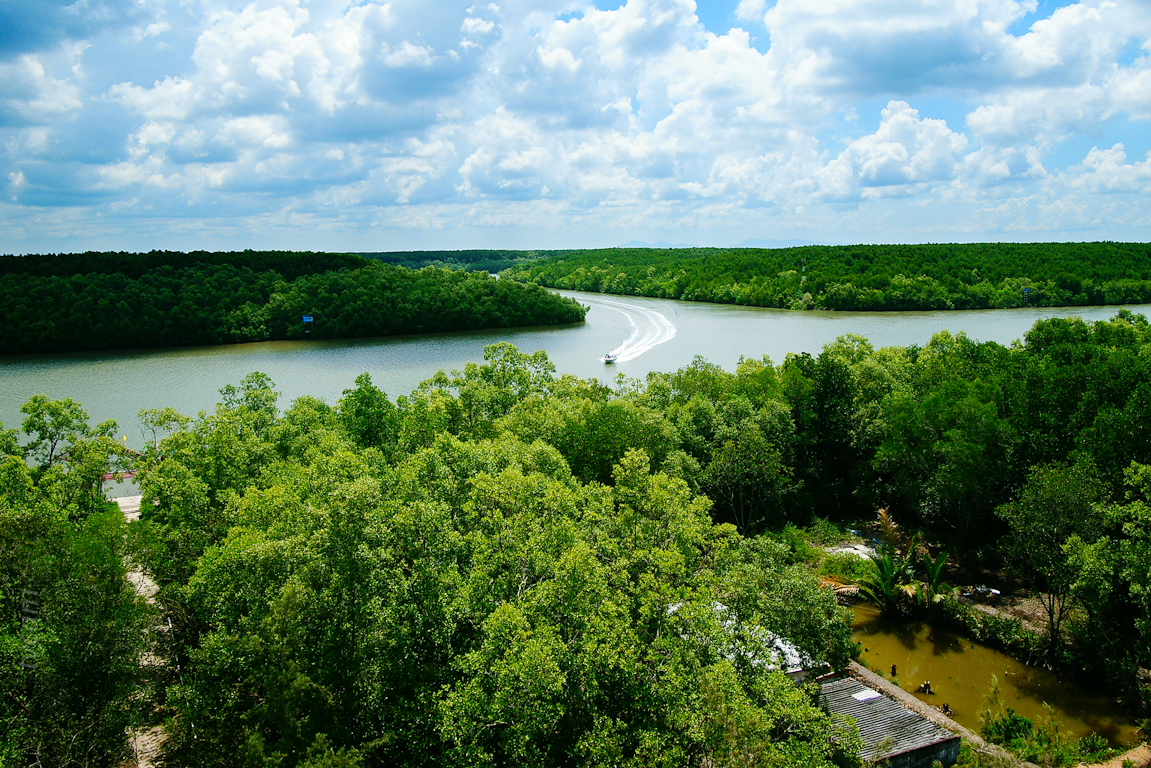
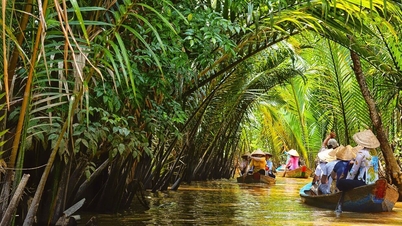
Located approximately 50 km from the city center, Can Gio boasts diverse landscapes including forests, mountains, and the sea. With an area roughly the size of Singapore, it offers numerous ecotourism activities that can be experienced in a single day. Can Gio is the only district in Ho Chi Minh City bordering the sea and is also home to the first mangrove forest in Vietnam to be recognized as a World Biosphere Reserve.
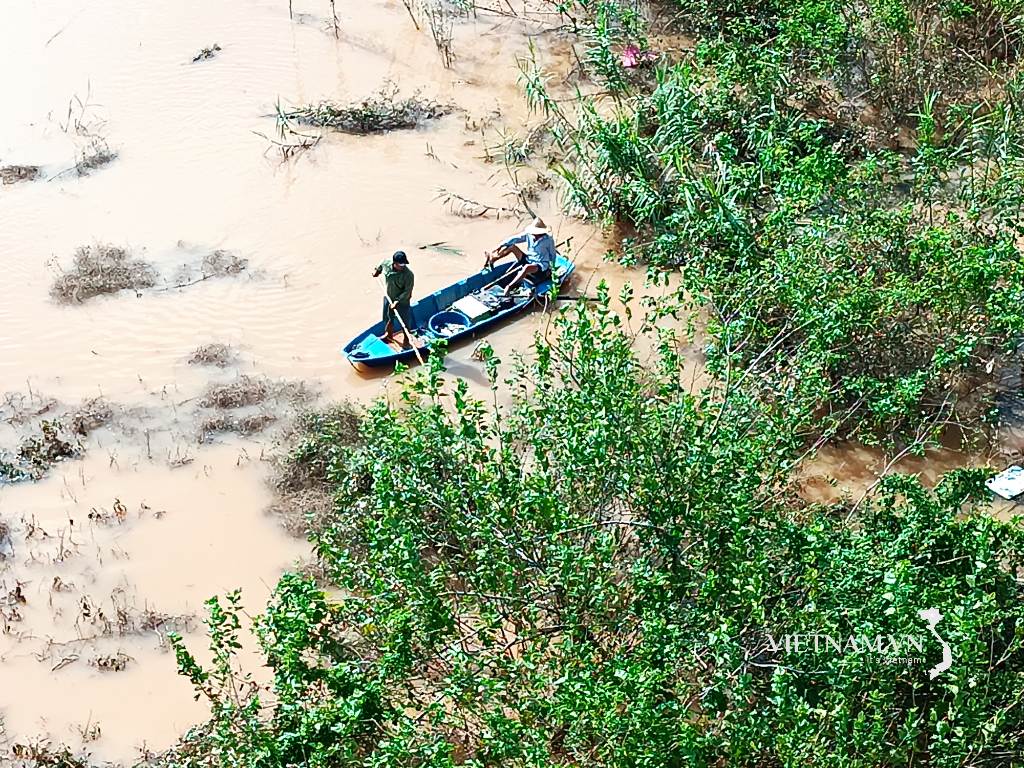
Here, visitors can go to Can Gio Forest Park, take a canoe ride through the mangrove forest to visit the Rung Sac revolutionary base; explore the relics and learn about the lives, battles, and achievements of the special forces soldiers during the war; admire a wild monkey population of over 1,000; take a canoe ride on the river to the Vam Sat ecological tourist area, paddle a boat to visit the bat conservation area, go crabbing; visit the bird and crocodile conservation area, experience the thrill of going on a boat to fish for crocodiles; and conquer the 26-meter-high Tang Bong tower to admire the panoramic view of the mangrove forest.
In Can Gio, there's Hang Duong Market, considered a "seafood paradise" with a wide variety of fresh shrimp, crab, snails, and squid at reasonable prices. You can choose from a selection of fresh shellfish, snails, crabs, shrimp, and squid and have the vendors prepare them on the spot for just a few tens of thousands of dong per dish.
Getting there: From the city center, head towards Tan Thuan Bridge to Binh Khanh ferry terminal and purchase a ferry ticket. Visitors can travel by motorbike, car, or bus.
Cu Chi Tunnels
Located approximately 70 km from the center of Ho Chi Minh City, the Cu Chi Tunnels (Cu Chi District), with their system of tunnels stretching about 250 km, served as a strong base for the Regional Military Committee and the Saigon-Gia Dinh Command, making a significant contribution to the reunification of the country. Today, the tunnel complex is preserved in two areas: Ben Duoc (Phu My Hung commune) and Ben Dinh (Nhuan Duc commune), attracting tourists visiting Ho Chi Minh City. Some tunnels have been renovated and their openings widened for visitors to explore.
Getting there: Take bus number 13 from Ben Thanh Market directly to Cu Chi; a taxi ride costs approximately 500,000 VND. If traveling by private car or motorbike, follow National Highway 22 and then turn onto Provincial Road 15.
Markets
Ben Thanh Market
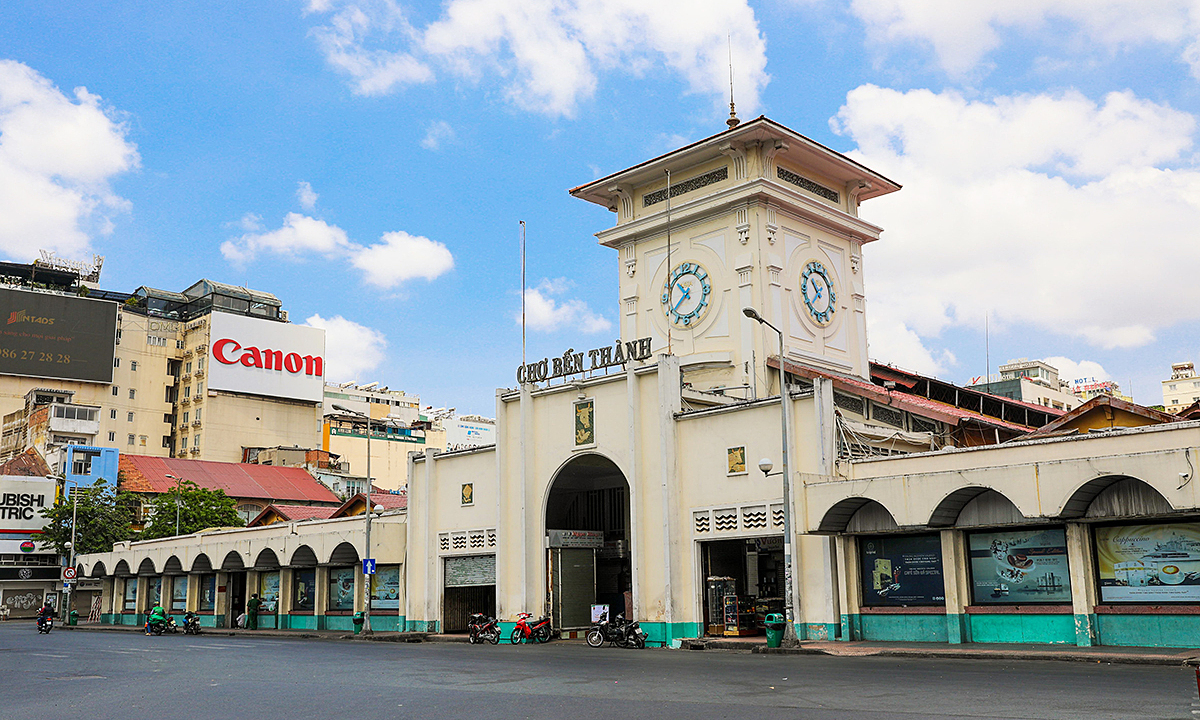
Operating since 1914 and located right in the heart of the city, it's not only a bustling marketplace but also a historical witness to the city's many changes and ups and downs, serving as a meeting point between old and new Saigon. It offers a wide variety of goods, from clothing, shoes, fabrics, handicrafts, brocade, and jewelry to local specialties.
Tan Dinh Market
Built in 1926, the market's main gate has a unique design. It's also a trading hub for many goods, most notably fabrics and food. The food stalls in this market are always highly rated by diners for their diverse, delicious, and appealing dishes such as vermicelli with fermented fish sauce, crab soup, crab noodle soup, fruit platters, and especially the famous sticky rice with chicken.
Binh Tay Market (Cho Lon Market)
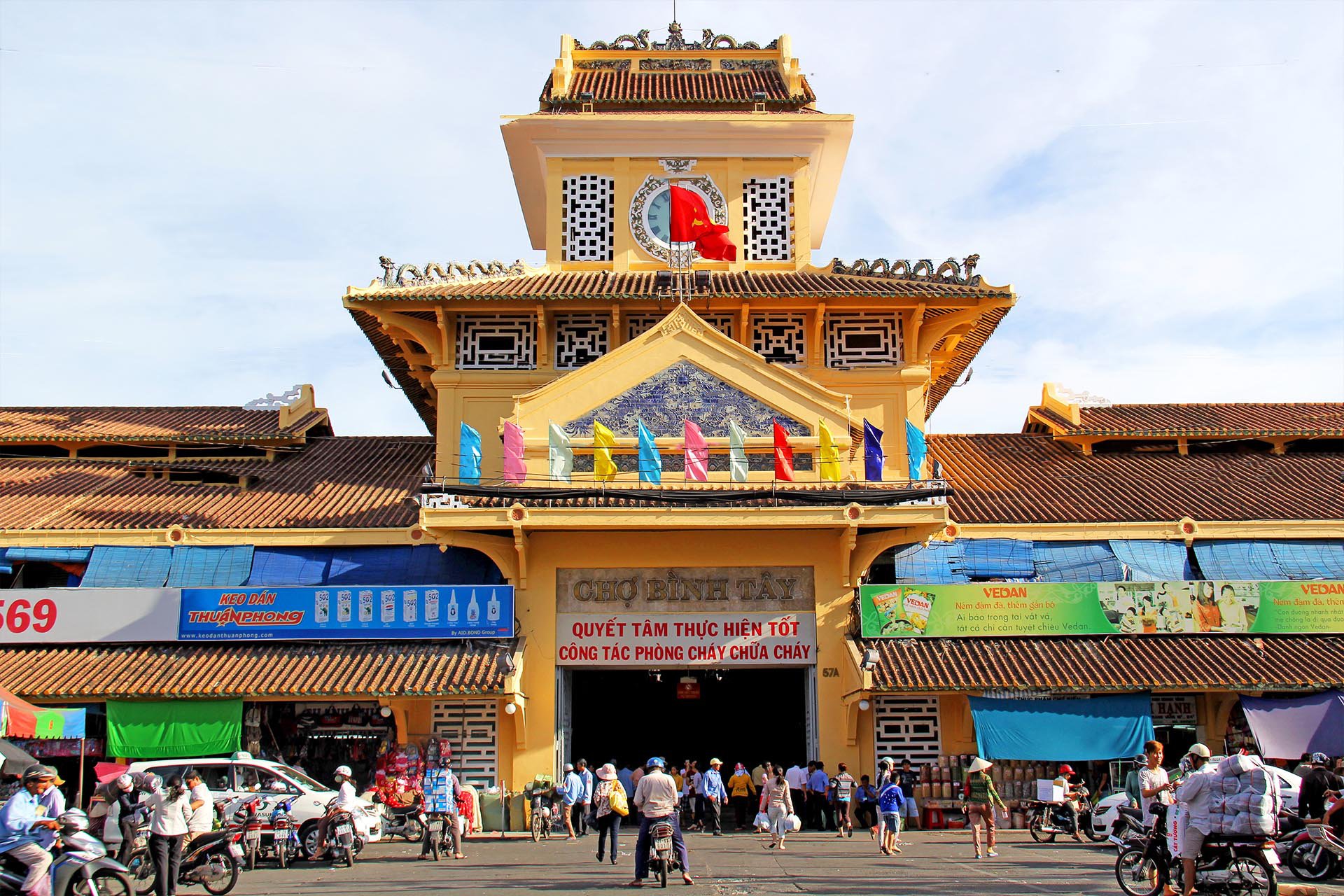
Located at the western gateway of the city, in Chinatown, the market is always a must-see destination on many tourists' maps. Operating since 1930, the market is built in a distinctly East Asian architectural style. The curved roofs, reminiscent of temples and pagodas, are covered with yin-yang tiles, creating a look that is both ancient and airy. Binh Tay Market is also a central hub for a wide variety of goods.
Cuisine
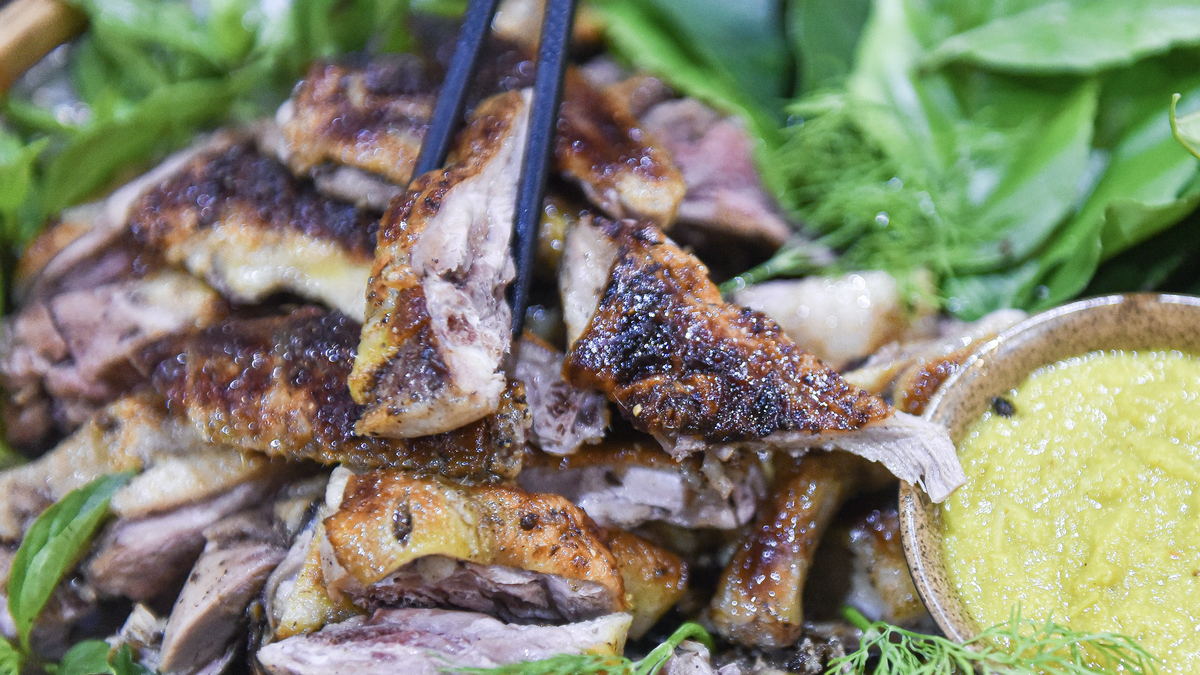
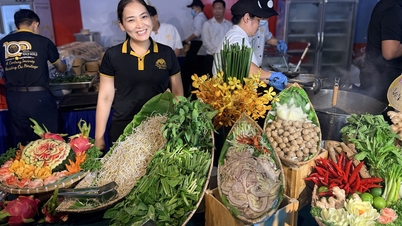
Ho Chi Minh City is a melting pot of cuisine from many regions and countries. Visitors can find dishes from all three regions of Vietnam, as well as characteristic Chinese cuisine, Indian, Japanese, Korean, and Thai food, and vegetarian options at countless restaurants of all sizes throughout the city. Some signature dishes visitors should try include: broken rice with grilled pork, noodle soup, banh mi (Vietnamese baguette), grilled snakehead fish, banh xeo (Vietnamese savory pancake), and crispy rice with braised pork belly.
The following food streets are suggestions for those visiting Ho Chi Minh City for the first time.
Phan Xich Long Street
Phan Xich Long Street in Phu Nhuan District is home to many restaurants, eateries, and well-known food brands. Here, visitors can find hot pot, barbecue, European-style restaurants, Japanese, Thai, Korean, and Vietnamese restaurants. Thirteen streets named after flowers, such as Hoa Phuong (Phoenix Flower), Hoa Lan (Orchid), Hoa Hue (Lily), and Hoa Mai (Apricot Blossom), also feature numerous cafes and rooftop bars that stay open until midnight.
Vinh Khanh Snail Street
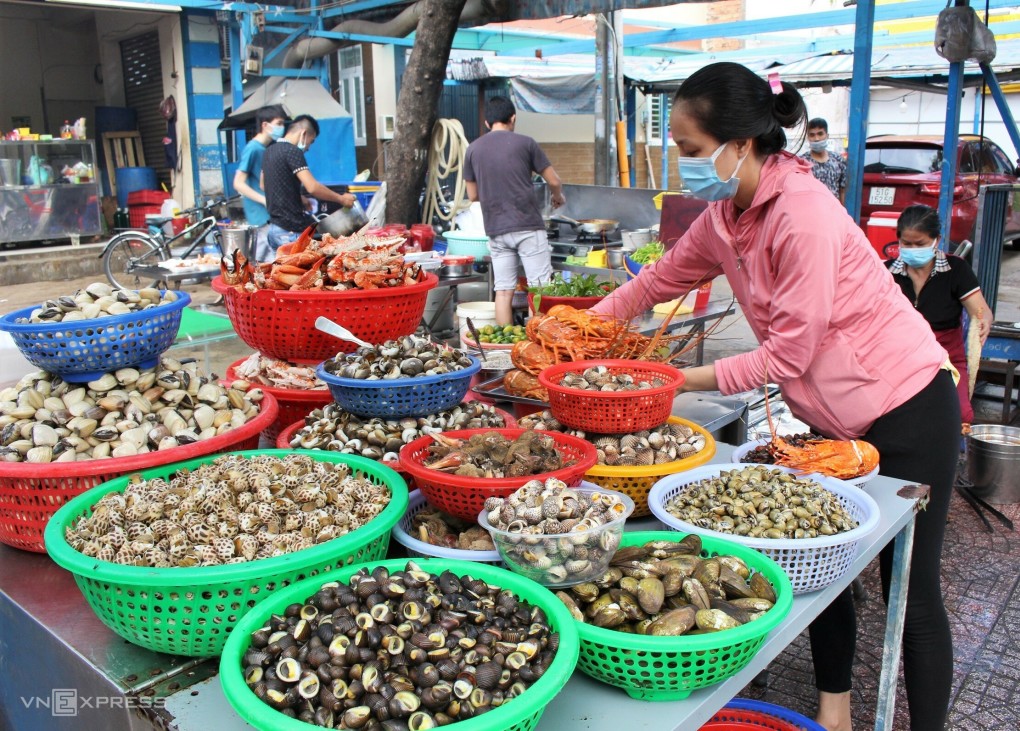
Snail dishes are a specialty of Ho Chi Minh City. You can find snail stalls anywhere in the city, but along Vinh Khanh Street in District 4, you'll find many of the city's most famous snail and seafood restaurants. These shops often stay open until midnight, bustling with customers. Snail dishes cost between 80,000 and 150,000 VND per serving, depending on the type of snail. Unlike Hanoi snails, which are typically prepared steamed with lemongrass and served with chili fish sauce, Ho Chi Minh City snails are prepared in a variety of ways, from salted egg sauce to tamarind stir-fry, chili and salt grilled, or satay stir-fry.
Ho Thi Ky Food Street
The food street on Ho Thi Ky Street, District 10, is a popular destination for both tourists and locals. Open from 3 PM daily, it boasts over 100 stalls selling a variety of European, Asian, and regional Vietnamese dishes. The street attracts diners with its grilled skewers and various seafood dishes such as grilled lobster with cheese and grilled squid teeth with chili and salt. Prices range from 7,000 to 100,000 VND.
Nguyen Thuong Hien Food Street
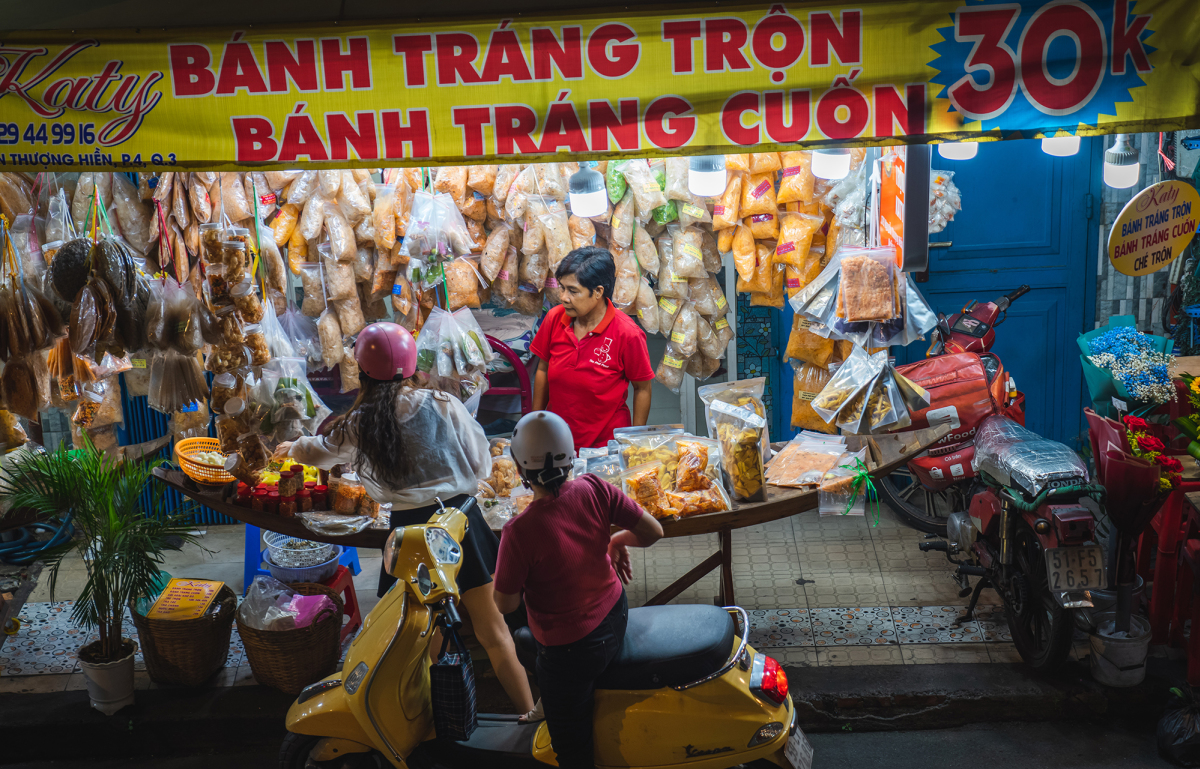
Nguyen Thuong Hien Food Street (from Dien Bien Phu Street to Nguyen Dinh Chieu Street, District 3) operates from 7 PM to 11 PM daily. The street features over 90 food and beverage establishments along with more than 50 shops selling clothing, shoes, and beauty products. The street is famous for dishes such as mixed rice paper salad, mixed fermented pork sausage (tre) salad, and pomelo juice. Some shops also serve Cambodian-style food.
Ha Ton Quyen Dumpling Street
Ha Ton Quyen Street in District 11 is a famous place for Chinese-style dumplings, with shops lining both sides of the street. The entire street is always bustling with people, especially in the afternoon and evening. The menu is diverse, including fried, dry (with oyster sauce), dumpling noodles, shrimp and squid, mixed, fish balls, and hand-pulled noodles, with an average price of 50,000 VND per serving. Customers often drive along the street, where someone from the shops will greet them, guide them to free parking, and then they can go inside to order.
Note
Take proactive steps to protect your personal belongings when in crowded places and while traveling.
Tourists should avoid going out during peak hours, from 8:00 AM to 9:30 AM and from 5:30 PM to 7:00 PM, as traffic jams are common.
It's advisable to check the route on a map to avoid one-way streets and car lanes if traveling by motorbike, especially in the city center.
Ho Chi Minh City has many small, interconnected alleys; tourists should avoid entering these alleys if they are not familiar with the area.
Bich Phuong - Tam Anh
Source: Ho Chi Minh City Department of Tourism
Source link





























































Comment (0)