

Gender bias still exists in the journalistic process.
On October 18th, a seminar titled "Gender and the Press" was held at the United Nations building. This event, organized to commemorate the founding day of the Vietnam Women's Union, was a collaboration between the G4 group – the embassies of Canada, Norway, New Zealand, and Switzerland – and the United Nations Development Programme (UNDP), in partnership with the Women Journalists Club of the Vietnam Journalists Association .
The event aims to create a space for journalists and experts to share their knowledge, experiences, and perspectives on gender and journalism.
At the seminar, journalist Tran Hoang Lan from the Hanoi Women's Newspaper spoke about the difficulties faced by journalists in their work. According to her, journalists still face many prejudices from society.
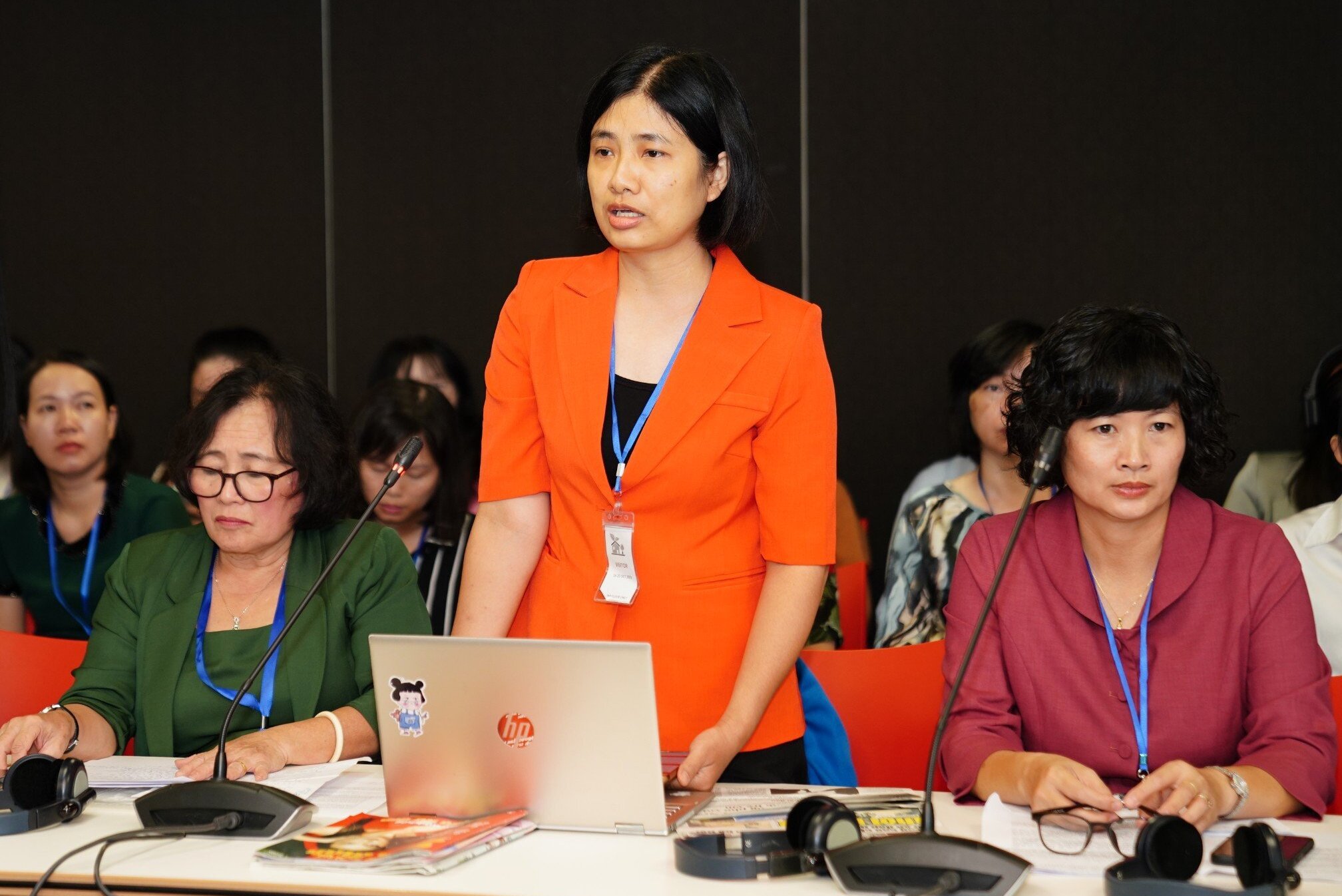
Journalist Tran Hoang Lan from the Hanoi Women's Newspaper shared her insights at the seminar.
For example, many localities, agencies, and organizations still hold the prejudiced belief that women's newspapers only focus on issues such as "fish and vegetables," "mother-in-law and daughter-in-law relationships," etc. Gender stereotypes have hindered the scope of work and topics covered by journalists.
Many media-organized events still see a majority of female attendees, with few men participating, leading to the reality that "women are talking to each other about their own problems."
Articles in the press have not been effective enough in reaching men, even though they are a crucial force in achieving gender equality.
Female reporters often face danger and threats from perpetrators of violence and abuse when covering cases directly related to gender issues such as violence and abuse against women and children. Many victims refuse to report, cooperate, or conceal evidence for the perpetrators (who are family members) due to psychological barriers or a lack of legal knowledge.
Incorporate women's voices and perspectives into the writing.
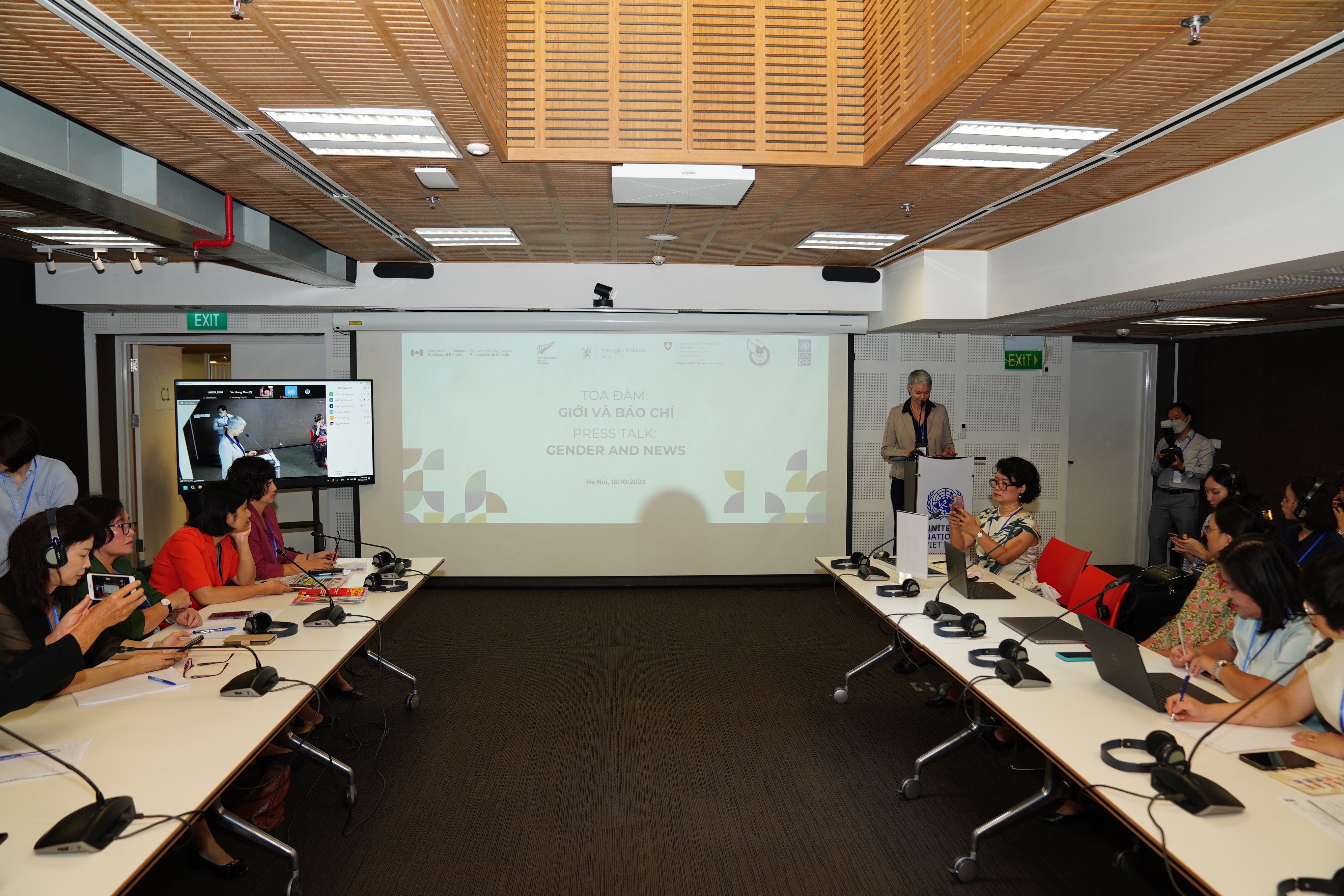
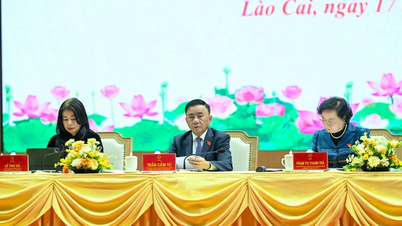
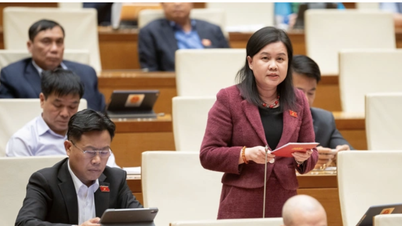
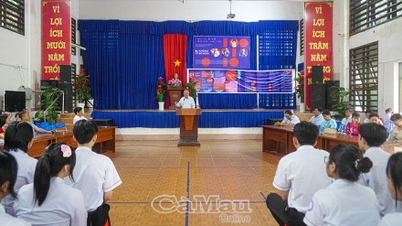
The scene at the seminar.
Based on journalist Tran Hoang Lan's story about interacting with victims of violence and abuse, Ms. Tran Le Thuy, Director of the Media Initiatives and Development Center (MDI), believes that journalists need to understand the victims and know how to approach and interview those who have experienced gender-based violence.
At the seminar, Associate Professor Minelle Mahtani from the Institute for Social Justice, University of British Columbia, offered recommendations for journalists working online. Accordingly, writers need to be more cautious in approaching victims of gender-based violence.
According to Ms. Mahtani, the image of women is currently underrepresented in news reports; they remain a neglected or misrepresented group. Therefore, as journalists and voices for the voiceless in society, a deeper understanding of gender is necessary to accurately inform the public.
When it comes to female victims, their privacy and safety must be ensured. The image of women should be reflected in every story, and their voices and perspectives should be included in the articles. In particular, journalists should avoid narrow-mindedness and gender bias when reporting.
At the same time, careful consideration and caution are needed when using imagery and language toward the victim. This is especially true for personal pronouns, as they demonstrate respect and understanding of the other person.
When interacting with victims, journalists need to foster confidence and build trust, so that they feel most comfortable recounting their story. No one wants to share negative or violent stories unless they feel they fully trust the other person.
Echoing Ms. Mahtani's sentiment, Ms. Tredene Dobson, the New Zealand Ambassador, believes that training and awareness-raising programs are needed for journalists reporting on victims. Simultaneously, there is a need for more media outlets and groups promoting rights and eliminating gender-based violence .
Thu Huong
Source


![[Photo] Prime Minister Pham Minh Chinh attends the Conference on the Implementation of Tasks for 2026 of the Industry and Trade Sector](/_next/image?url=https%3A%2F%2Fvphoto.vietnam.vn%2Fthumb%2F1200x675%2Fvietnam%2Fresource%2FIMAGE%2F2025%2F12%2F19%2F1766159500458_ndo_br_shared31-jpg.webp&w=3840&q=75)






























































Comment (0)