Đồng loạt kiến nghị nâng mức giảm trừ gia cảnh
Bộ Tài chính vừa công bố bản tổng hợp, giải trình, tiếp thu góp ý về xây dựng dự án luật Thuế thu nhập cá nhân (TNCN) thay thế. Trong đó, hàng loạt bộ ngành, địa phương cùng kiến nghị nâng mức giảm trừ gia cảnh (GTGC). Cụ thể, các bộ Quốc phòng, GTVT, Y tế, NN-PTNT, TT-TT… đều cho rằng mức GTGC áp dụng với người nộp thuế 11 triệu đồng/tháng và 4,4 triệu đồng/tháng với người phụ thuộc không còn phù hợp với điều kiện kinh tế và mức sống của người dân hiện nay.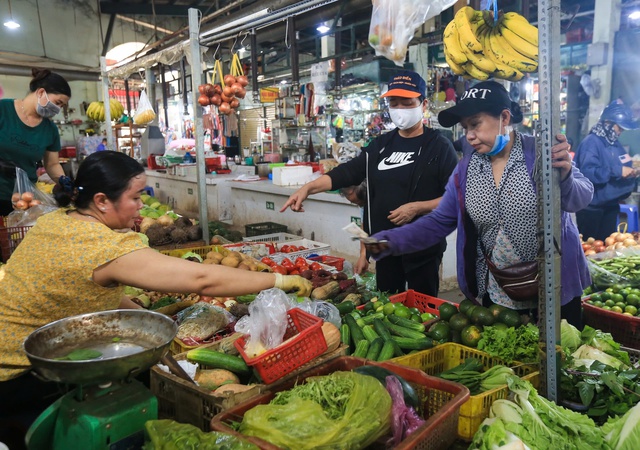
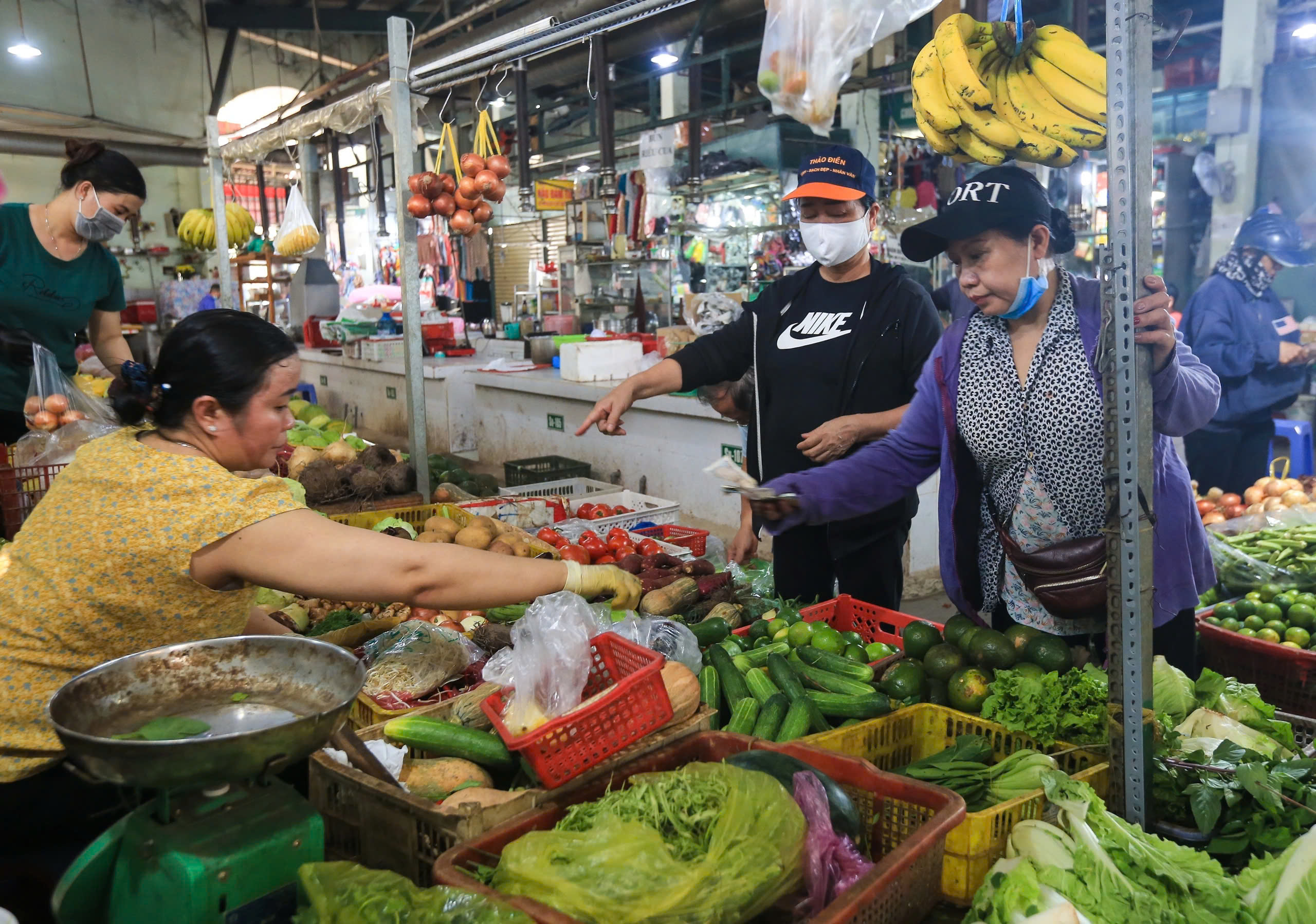
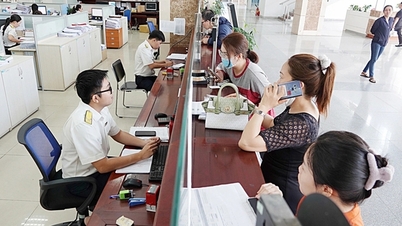
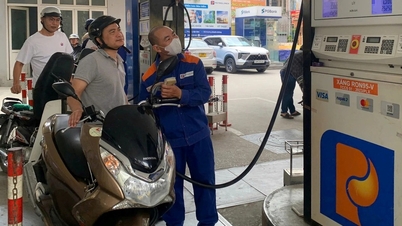
Giá hàng hóa, dịch vụ các năm qua đã tăng cao nhưng mức giảm trừ gia cảnh vẫn không thay đổi
ẢNH: NHẬT THỊNH
Rút gọn biểu thuế thu nhập cá nhân
Trong việc sửa đổi luật Thuế TNCN, việc rút gọn biểu thuế TNCN cũng phải được thực hiện. Cần rút gọn biểu thuế từ 7 bậc hiện nay xuống còn 4 bậc và thuế suất tối đa chỉ ở mức 30%. Bởi thuế Thu nhập doanh nghiệp hiện hành chỉ áp dụng ở mức 20% và thậm chí thấp hơn trong một số lĩnh vực, ngành nghề ưu đãi. Hơn nữa, các doanh nghiệp chỉ nộp thuế sau khi đã trừ hết các chi phí hợp lý, hợp lệ. Nếu bị thua lỗ, doanh nghiệp còn được chuyển lỗ trong thời gian 5 năm. Ngoài ra, doanh nghiệp còn được giảm thuế thu nhập đến 30% trong những giai đoạn đặc biệt như thiên tai, dịch bệnh…
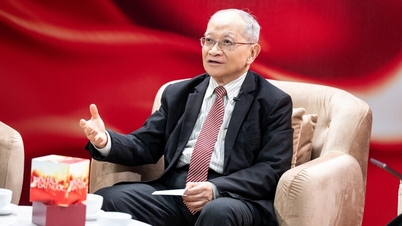
Luật sư Trần Xoa, Giám đốc Công ty luật Minh Đăng Quang
Trong đó, Bộ Quốc phòng đề xuất tăng mức GTGC cho người nộp thuế lên 17,3 triệu đồng/tháng và cho người phụ thuộc lên 6,9 triệu đồng/tháng. Bởi mức lương cơ sở tại thời điểm ban hành mức GTGC 11 triệu đồng/tháng cuối năm 2019 chỉ 1,49 triệu đồng, đến cuối năm 2024 đã tăng lên 2,34 triệu đồng, tương ứng tăng 57,05%. UBND tỉnh Hà Tĩnh đề nghị nâng mức GTGC đối với người nộp thuế lên 18 triệu đồng/tháng, người phụ thuộc 8 triệu đồng/tháng. Tỉnh này viện dẫn theo luật Thuế TNCN năm 2012, mức giảm trừ đối với người nộp thuế là 9 triệu đồng/tháng, còn với người phụ thuộc là 3,6 triệu đồng/tháng, được áp dụng từ tháng 7.2013. Tại thời điểm đó, mức lương cơ sở là 1,15 triệu đồng. Đến nay, mức lương cơ sở đã tăng lên 2,03 lần, tương đương 2,34 triệu đồng nên cần phải nâng mức GTGC phù hợp với tỷ lệ tăng mức lương cơ sở.
Bên cạnh đó, UBND tỉnh Bắc Giang đề nghị nâng mức GTGC hiện hành theo hướng phù hợp với điều kiện sinh hoạt thực tiễn từng vùng, miền vì lương tối thiểu được chia theo 4 vùng. Hơn nữa, giá cả hàng hóa ngày càng tăng, kéo theo chi phí sinh hoạt hằng ngày tăng theo nên mức hiện hành là không còn phù hợp. Đồng thời tỉnh Bắc Giang đề nghị Bộ Tài chính sớm trình cấp có thẩm quyền sửa luật Thuế TNCN (thay thế) bởi một số quy định đang không còn phù hợp với nền kinh tế phát triển như hiện nay và luật Đất đai năm 2024 đã có hiệu lực từ tháng 8.2024. Bộ TT-TT thì đề nghị nâng mức GTGC để phù hợp với việc tăng chỉ số giá tiêu dùng, tốc độ tăng trưởng kinh tế và mức tăng lương cơ sở từ ngày 1.7.2024. Đồng thời xây dựng mức GTGC theo cùng để phù hợp với chính sách tiền lương của Chính phủ đang quy định (theo 4 vùng).
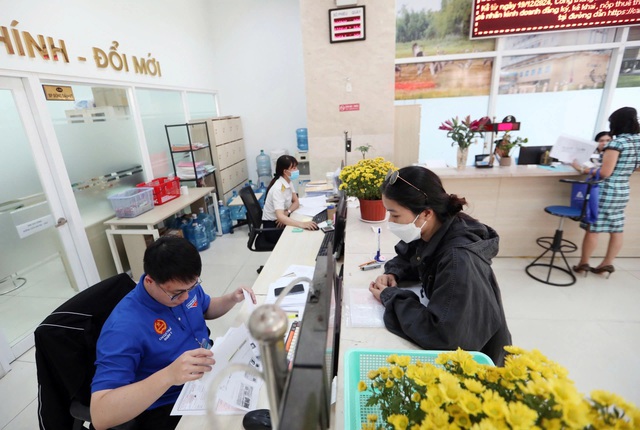
Cần sửa đổi ngay mức GTGC cho người nộp thuế theo kiến nghị của bộ ngành và các tỉnh, thành
ẢNH: NGỌC DƯƠNG
Xem xét sửa ngay chứ không đợi lộ trình
Lý do nhiều chuyên gia kinh tế cũng như các đại biểu Quốc hội kiến nghị điều chỉnh mức GTGC sớm mà không đợi chỉ số CPI tăng lên 20% là do kinh tế đã có biến động bất thường. Từ năm 2020 - 2023, đại dịch Covid-19 diễn ra đã tác động mạnh đến KT-XH cả thế giới lẫn VN. Hàng loạt mặt hàng thiết yếu đã tăng giá cao. Như vậy, không thể đợi CPI tăng như quy định vì đó là diễn biến trong điều kiện bình thường. Chính phủ cần xem xét thay đổi ngay mức GTGC mà không đợi theo lộ trình sửa đổi toàn diện luật Thuế TNCN. Đến khi sửa luật Thuế TNCN thì sẽ chỉnh sửa toàn diện hơn. Việc xem xét chỉnh sửa ngay, nâng mức GTGC là phù hợp với thực tế, đồng hành cùng người dân, nuôi dưỡng nguồn thu.
Luật sư Nguyễn Đức Nghĩa, Phó giám đốc Trung tâm hỗ trợ doanh nghiệp nhỏ và vừa (Hiệp hội Doanh nghiệp TP.HCM)
Nhiều địa phương, bộ ngành còn kiến nghị bổ sung các khoản giảm trừ hỗ trợ chi phí giáo dục, y tế, nhà ở, bảo hiểm xã hội tự nguyện và các khoản đầu tư cho sự phát triển con người. Đồng thời quy định bổ sung các khoản giảm trừ để hỗ trợ các trường hợp đặc biệt như người lao động là cha, mẹ đơn thân, hoặc có người thân mắc bệnh hiểm nghèo…
Trước đó, hàng loạt cử tri các tỉnh, thành và chuyên gia về thuế, kinh tế cũng đã góp ý, đề xuất nâng mức GTGC bởi quy định hiện hành quá lạc hậu, không đảm bảo đời sống ở mức trung bình cho nhiều gia đình. Theo luật sư Nguyễn Đức Nghĩa, Phó giám đốc Trung tâm Hỗ trợ doanh nghiệp nhỏ và vừa (Hiệp hội Doanh nghiệp TP.HCM), khi sửa luật Thuế TNCN, điều quan trọng nhất là phải thay đổi cơ sở tính mức GTGC cho người nộp thuế. Nên quy định mức GTGC bằng 4 lần lương tối thiểu vùng (vùng 1 có lương tối thiểu là 4,969 triệu đồng nên mức GTGC sẽ gần 20 triệu đồng/tháng; vùng 2 có lương tối thiểu là 4,41 triệu đồng thì mức GTGC sẽ khoảng 17,6 triệu đồng/tháng…). Lương tối thiểu vùng hằng năm do Chính phủ quy định sau khi đã lắng nghe ý kiến từ đại diện của người lao động và người sử dụng lao động nên khá phù hợp với tình hình kinh tế - xã hội chung, có tính đến yếu tố vùng, miền khác nhau.
CPI là "nút thắt cổ chai" của thuế TNCN
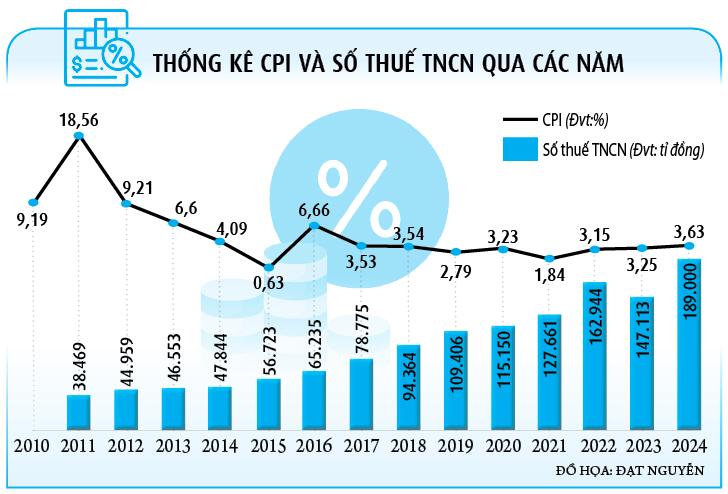
Đó là nhận xét của rất nhiều chuyên gia về thuế TNCN trong mấy năm qua. Theo quy định hiện hành, mức GTGC chỉ được thay đổi khi nào CPI tăng 20%. Luật sư Trần Xoa, Giám đốc Công ty luật Minh Đăng Quang, nhận xét quy định này đã gây bức xúc cho người nộp thuế bởi mức GTGC thường chạy theo sau CPI nên rất nhiều năm mới có thể điều chỉnh. Đơn cử, CPI từ năm 2020 đến nay đã tăng trên 10% nhưng vẫn chưa đạt đến 20% nên mức GTGC vẫn đứng yên tại chỗ. Điều này khiến nhiều người làm công ăn lương qua nhiều năm, dù giá hàng hóa, dịch vụ tăng mạnh mà số thuế phải nộp không được giảm khiến họ phải thắt lưng buộc bụng hơn.
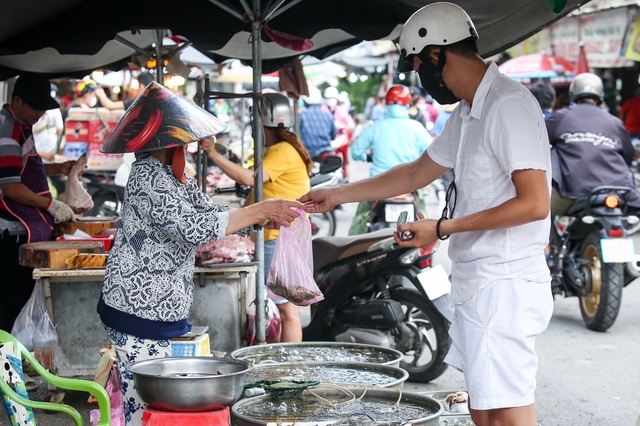
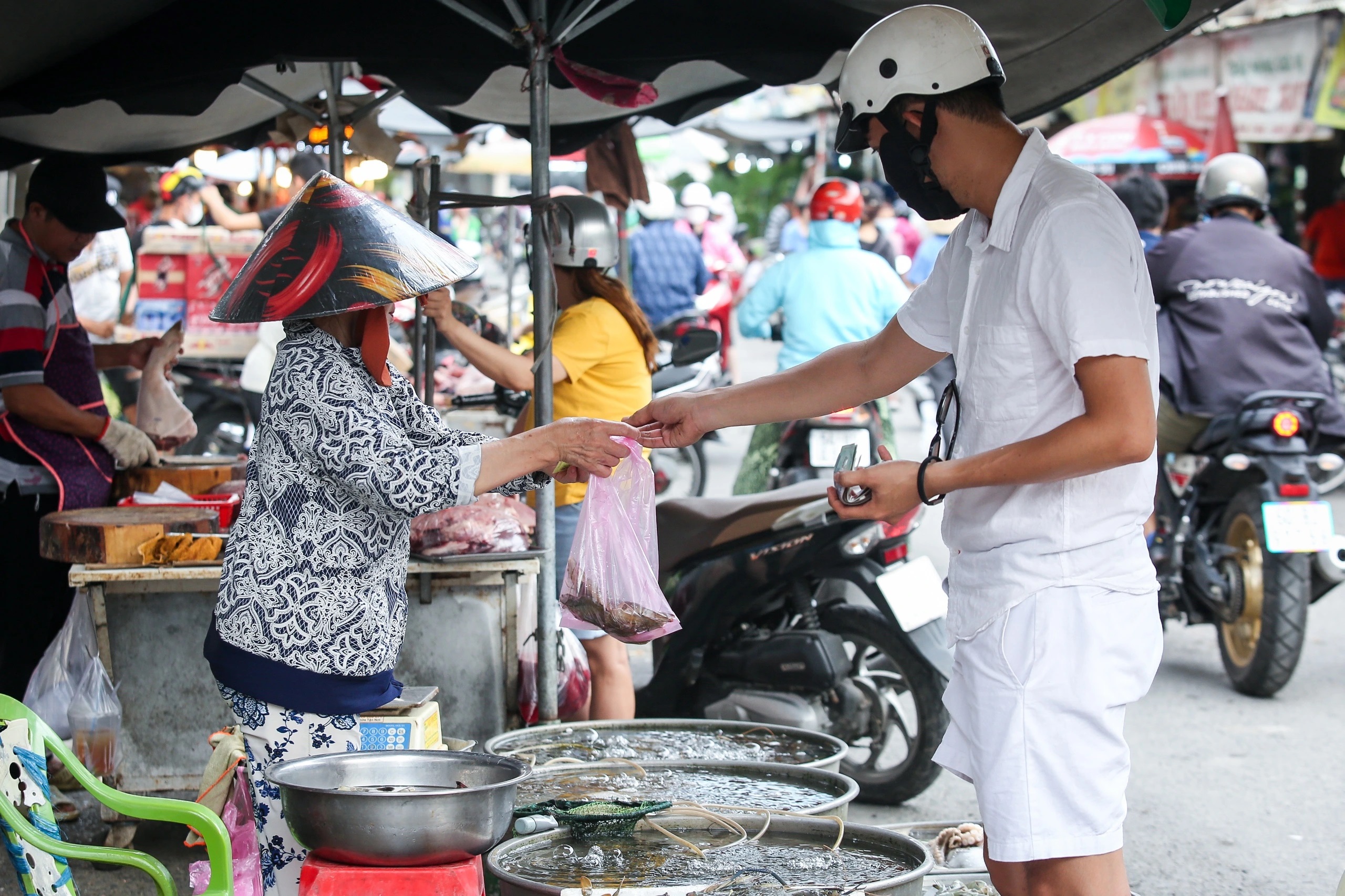
Mức giảm trừ gia cảnh đã quá lạc hậu so với tình hình kinh tế - xã hội nhiều năm qua
ẢNH: NHẬT THỊNH
"Trong luật Thuế TNCN, phương pháp xác định mức GTGC là quan trọng nhất. Ngay cả nâng mức GTGC từ 11 triệu đồng/người/tháng lên 18 triệu đồng như kiến nghị của nhiều tỉnh, thành cũng chỉ có thể giải quyết được tạm thời năm đầu tiên. Những năm sau đó sẽ tiếp tục diễn ra tình trạng mức GTGC trở nên lạc hậu, đi theo lối cũ. Vì vậy, ban soạn thảo nên bỏ căn cứ dựa theo chỉ số CPI để điều chỉnh mức GTGC", ông Xoa kiến nghị và nói thẳng tính theo CPI là "nút thắt cổ chai". Hơn nữa chỉ số CPI được tính bao gồm hơn 700 hàng hóa, dịch vụ, trong khi người nộp thuế chỉ chịu tác động thường xuyên ở một số nhóm hàng thiết yếu như lương thực, thực phẩm, điện, nước. Đó là chưa kể, với sự điều hành của Chính phủ gần đây thì chỉ số CPI sẽ biến động ở mức thấp, khác hoàn toàn với giai đoạn trước đây nên càng không phù hợp để tính mức GTGC. Vì vậy nên quy định GTGC theo mức lương tối thiểu vùng, "nước lên thuyền lên", mỗi năm lương tối thiểu vùng được điều chỉnh nên phù hợp để tính GTGC. Điều đó sẽ giúp không còn xảy ra trường hợp lương tăng lên hằng năm để bù đắp cho phần mất giá mà thuế lại tăng thêm, làm mất ý nghĩa việc tăng lương của Chính phủ.
Đồng quan điểm, ông Nguyễn Ngọc Tú, Trường ĐH Kinh doanh và Công nghệ, cho rằng quy định mức GTGC theo số cố định và khi chỉ số CPI thay đổi 20% thì mức này mới được thay đổi khiến việc sửa đổi rất chậm. Thống kê trong 15 năm qua cho thấy chỉ có khoảng 2 lần điều chỉnh mức GTGC và mỗi lần điều chỉnh tốc độ cũng thấp hơn thực tế, không thỏa đáng cho người nộp thuế. Đó là chưa kể, thu nhập của người dân trong 10 năm qua tăng lên do lạm phát tăng nhưng thu nhập thực tế lại giảm, nhất là những năm dịch Covid-19 bùng phát. "Từ năm 2020 đến nay, chỉ số CPI đã có nhiều thay đổi mà vẫn áp dụng mức cũ là quá bất hợp lý. Nếu cho thay đổi tự động thì mức GTGC đã phải tăng lên 15 - 16 triệu đồng/người/tháng chứ không phải giậm chân ở mức 11 triệu đồng. Đó là chưa kể lương cơ sở vừa rồi tăng 30%, lương tối thiểu vùng tăng, cũng như các chỉ số khác tăng… Do đó cần tăng mức GTGC để không lạm thu, phần thuế ngày càng cao, càng gây gánh nặng cho người nộp thuế", ông Tú nhấn mạnh.
Chưa kể theo ông Tú, việc quy định mức GTGC cố định sẽ dẫn đến tình trạng hằng năm phải trình Chính phủ sửa đổi, nếu không thì lại quay về tình trạng lạc hậu như hiện nay. Về lâu dài, khi sửa đổi luật thuế, ban soạn thảo nên cân nhắc dựa theo mức lương tối thiểu vùng. "Chẳng hạn hiện nay đang đề xuất tăng mức GTGC lên 18 - 20 triệu đồng/tháng, tương đương 4 - 5 lần lương tối thiểu vùng. Hằng năm, mức lương này tăng lên thì tự động mức GTGC sẽ thay đổi theo mà không cần phải tính toán, trình các cơ quan chức năng sửa đổi. Đây là phương án khá phù hợp khi thay đổi mức GTGC. Ngoài ra, chi phí lớn nhất của người lao động là cho y tế, giáo dục và nhà ở. Cần đưa những chi phí đặc thù này vào luật. Trong một số trường hợp đặc biệt như người phụ thuộc là khuyết tật, người cao tuổi có bệnh điều trị dài tốn nhiều chi phí thì tỷ lệ này có thể bằng 70 - 100% mức GTGC đối với người nộp thuế", ông Nguyễn Ngọc Tú nói thêm.
Vấn đề cấp bách, phải được thực hiện ngay
Những kiến nghị nâng mức GTGC, sửa đổi bậc thuế hay một số quy định không còn phù hợp trong luật Thuế TNCN đã được đề cập nhiều năm qua. Thực tế, từ năm 2021, Thủ tướng Chính phủ đã có văn bản yêu cầu Bộ Tài chính rà soát, đề xuất sửa đổi các bất cập của luật Thuế TNCN. Trong gần 4 năm qua, Chính phủ cũng nhiều lần nhắc đến việc cần nghiên cứu, rà soát bất cập của luật này. Tại nhiều cuộc họp của Quốc hội, các đại biểu cũng chỉ ra nhiều quy định lạc hậu, không phù hợp với tình hình kinh tế của VN, khiến người nộp thuế bức xúc. Đến tháng 3.2022, để đề xuất sửa đổi các quy định bất cập của luật Thuế TNCN, trong văn bản lấy ý kiến các bộ ngành, Bộ Tài chính có đề nghị rà soát, đánh giá góp ý sửa đổi các nội dung gồm đối tượng nộp thuế, thu nhập chịu thuế, cơ số tính thuế, GTGC, thuế suất… Thế nhưng câu chuyện này đến nay vẫn giậm chân tại chỗ và chưa được trình lên Quốc hội.
Luật sư Trương Thanh Đức, Tổng giám đốc Công ty luật ANVI, nói thẳng: Những vấn đề, quy định của thuế TNCN được nhiều bộ ngành, tỉnh thành góp ý đều là cơ bản và đã bàn rất nhiều. Đây không phải là vấn đề mới hay khó hiểu. Đó là chưa kể kinh nghiệm của các nước cũng khá đầy đủ để có thể tham khảo. Nếu thật sự sửa luật thì cũng chỉ trong vòng 6 tháng là xong vì không phải là soạn thảo bộ luật mới. Quan trọng nhất là tư duy, là phương pháp của luật. Chính Bộ Tài chính cũng đã thừa nhận có những bất cập thì phải sửa ngay. "Đã thống nhất phải nâng mức GTGC, thay đổi bậc thuế thì không còn gì phải lăn tăn. Còn nếu vấn đề nào chưa thống nhất như nâng lên bao nhiêu, giảm trừ thêm những chi phí nào cho người nộp thuế… thì cơ quan soạn thảo luật có thể trình 2 - 3 phương án để đại biểu Quốc hội xem xét và cho ý kiến", luật sư Trương Thanh Đức phân tích. Ông lấy ví dụ có nhiều đề xuất nâng mức GTGC lên 4 lần hay 5 lần mức lương tối thiểu vùng thì Bộ Tài chính có thể trình Chính phủ để trình Quốc hội cả hai phương án. Sau đó đại biểu Quốc hội sẽ cho ý kiến và bỏ phiếu thông qua, phương án nào được nhiều đại biểu chọn thì áp dụng.
"Những quy định nào không biết, chưa hình dung trong thực tế ra sao thì mới cần nhiều thời gian xem xét, đánh giá. Trong khi đó, những bất cập của luật Thuế TNCN đã được kiến nghị nhiều lần. Điều này là mong chờ của người nộp thuế, có ảnh hưởng đến đời sống của hàng triệu gia đình nên đáng ra phải ưu tiên thực hiện trước, sửa đổi sớm hơn chứ không phải chần chừ và kéo dài 3 - 4 năm. Việc ban hành, sửa đổi luật nên chọn phương án đơn giản, rõ ràng nhất. Ví dụ trong mức GTGC thì chọn áp dụng theo lương tối thiểu vùng mà hằng năm Chính phủ đã công bố thì dễ thực hiện, theo sát thực tế đời sống người dân", luật sư Trương Thanh Đức nhấn mạnh.
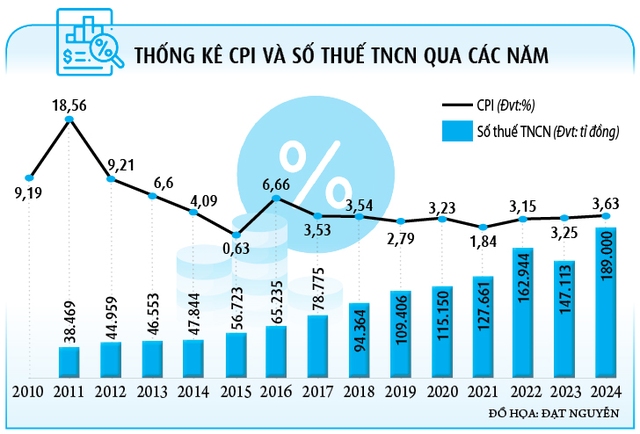
Đồng tình, luật sư Trần Xoa cho rằng việc nâng mức GTGC hoàn toàn không tác động đến số thu thuế TNCN, điều này đã được chứng minh vào những thời điểm điều chỉnh mức GTGC vào các lần trước như năm 2023 và 2020. Thuế TNCN qua hằng năm đều gia tăng tỷ trọng đóng góp vào ngân sách nhà nước. Đơn cử, năm 2011, sắc thuế này đóng góp khoảng 5,33% vào ngân sách nhà nước do ngành thuế quản lý thì đến năm 2013 (thời điểm tăng mức GTGC từ 4 triệu đồng/người/tháng lên 9 triệu đồng đối với người nộp thuế), số thu thuế vẫn tăng lên và chiếm 5,62% tổng thu ngân sách. Qua năm 2020 (đây cũng là năm mức GTGC được điều chỉnh tăng lên 11 triệu đồng đối với người nộp thuế), số thu thuế TNCN vẫn tiếp tục tăng và tỷ trọng đóng góp cũng lên 7,62% trong tổng thu ngân sách. Theo ông Trần Xoa, vấn đề này gây bức xúc đã lâu nên ngay trong năm nay, Chính phủ cần xem xét điều chỉnh mức GTGC cho người nộp thuế. Việc chỉnh sửa này là hợp lý, phù hợp với tình hình kinh tế của VN, đồng thuận với người dân như các chính sách hỗ trợ doanh nghiệp, người dân mà Chính phủ đang thực hiện.
Ông Nguyễn Ngọc Tú chỉ rõ theo lộ trình đã công bố thì đến tháng 10.2025, dự thảo luật Thuế TNCN mới đưa ra Quốc hội, tháng 5.2026 thông qua và khả năng năm 2027 mới có hiệu lực áp dụng. Nghĩa là người lao động làm công ăn lương phải chờ 2 năm nữa thì mức GTGC mới thay đổi là quá lâu, quá chậm trễ. "Đây là vấn đề cấp bách nên Bộ Tài chính cần trình sửa sớm ngay mức GTGC vì không cần chờ sửa cả luật theo lộ trình đã đưa ra", ông Tú nói.
Thanhnien.vn
Nguồn:https://thanhnien.vn/cap-bach-sua-thue-thu-nhap-ca-nhan-185250209223939657.htm

























































































Comment (0)