

India's halt in rice exports will cause British rice importers to switch to other markets, including Vietnam. This presents an opportunity for Vietnam to rise higher on the list of trading partners for British rice importing companies.
The demand for rice in the UK is very high, yet the country does not grow rice at all; all of its consumption is met through imports. In 2022, the UK imported over 678,000 tonnes of rice. Vietnam is currently the 14th largest rice exporter to the UK, but its market share is very modest (0.6%).
Meanwhile, India is known as the largest rice exporter to the UK market, accounting for nearly 27% of the country's total rice imports. Therefore, India's sudden halt in exports will create a supply shortage of approximately 75,000 tons of rice in the UK during the second half of 2023. This presents an opportunity for Vietnam to boost exports to this market.
According to the Ministry of Agriculture and Rural Development , Vietnam could export more than 7.5 million tons of rice in 2023. In the first seven months of 2023, 4.83 million tons have already been exported, leaving approximately 2.67 million tons for export in the remaining five months of 2023.
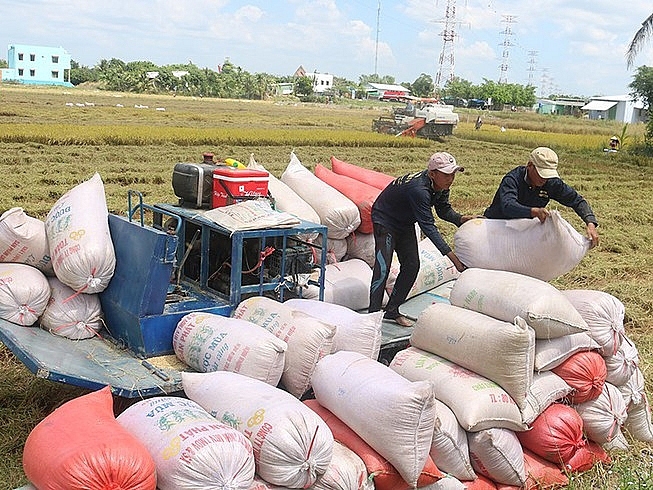 |
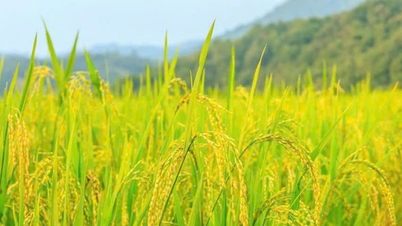
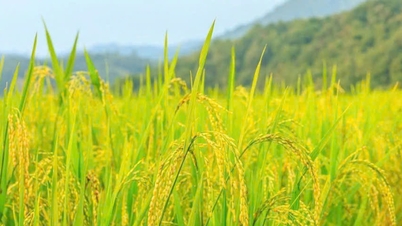
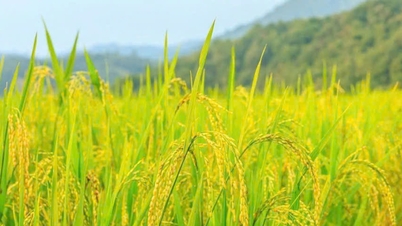
| Vietnamese rice has many market opportunities. (Illustration: Baocongthuong.vn) |
Referring to the tastes of UK consumers, Mr. Nguyen Canh Cuong, Counselor of the Vietnamese Trade Office in the UK, said that although the UK market does not have a consistent concept of "good rice" because each type of rice is associated with the consumer tastes of different ethnic communities, there are some common standards for good rice in the country, such as: Rice grains must be 7mm or longer; when cooked, the rice must be sticky, soft, not sticky, and fragrant. In addition, the rice must be clean and free of chemical residues or preservatives.
"If Vietnamese rice exporters actively market professionally, including promoting through local English-language media, they will certainly increase their market share in the UK, including the market segment of restaurants serving Asian tourists , which accounts for a significant portion of the tens of millions of tourists who visit the UK each year," Mr. Nguyen Canh Cuong emphasized.
However, Mr. Nguyen Canh Cuong specifically noted that for many years, despite Vietnam being a major rice exporter in the world , Vietnamese rice exported to the UK and many other countries has often been sold under the brand names of distributors, making it difficult for consumers to identify the rice's origin from Vietnam. Therefore, building a brand is a long-term solution for Vietnamese rice to maintain its market share in the UK once the quality of Vietnamese rice has won over consumers. “At this opportune time, exporters should take advantage of this 'golden' opportunity to request rice distributors in the UK to use Vietnamese rice brands, instead of their own brands, to raise awareness among British consumers about Vietnamese rice,” Mr. Nguyen Canh Cuong suggested.
To increase the presence of Vietnamese rice in the UK market, the Vietnam Trade Office in the UK recommends that the Ministry of Industry and Trade encourage rice exporting businesses to sign long-term supply contracts based on a balance between domestic food security and export needs; and that the State Bank of Vietnam consider increasing credit for businesses purchasing rice for export. At the same time, it recommends that the Ministry of Agriculture and Rural Development support farmers in expanding the area of rice cultivation applying Global GAP standards to produce high-quality fragrant rice. Local authorities with large rice-growing areas should implement programs to support farmers with rice seeds, safe agricultural supplies, milling, and rice preservation to meet market quality and consumer preferences.
KHANH AN
*Please visit the Economics section to view related news and articles.
Source































































Comment (0)