

The story of Lady Bang - Lady of Muong
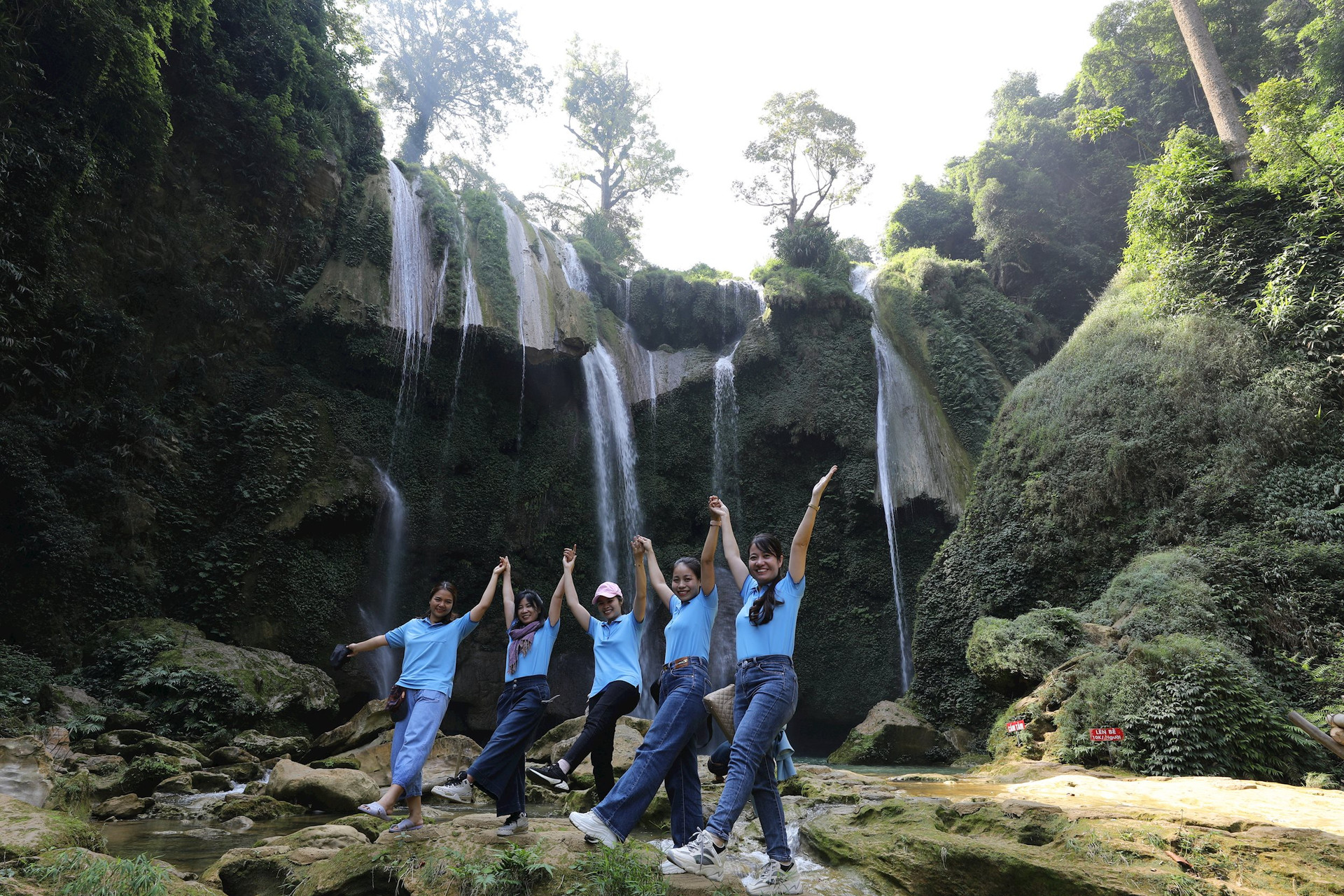
Nàng Tiên Waterfall is formed from the water source of Tân stream, which merges from branches of Suối Lìn village, Vân Hồ commune and Suối Khem village, Phiêng Luông commune, Mộc Châu district.
According to locals, at its most beautiful, the waterfall resembles a white cloud cascading from the mountaintop down into the deep gorge. The rushing water creates a white spray of foam, forming a hazy mist like clouds. Thus, the name Cloud Waterfall was born.
When talking about the legend of the Fairy Waterfall, the Thai people often tell each other the story of two beautiful young women, Kham Khe and Kham Kieu, whose parents were the first White Thai people to migrate from Da Bac ( Hoa Binh province ) to clear land in Chieng Khoa. They named the new land Muong May because of the frequently foggy climate.
People from all over gradually flocked to the area to establish villages. The two maidens, Kham Khe and Kham Kieu, taught them how to cultivate fields, build houses, perform the xòe dance, and play the khene and pi flute melodies. The people admired their talent and virtue, revered them as fairies, and called them Lady Bang and Lady Muong.
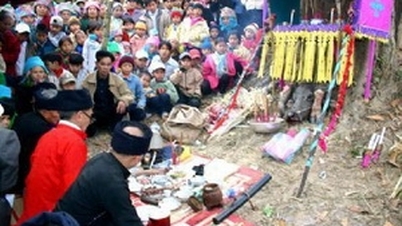
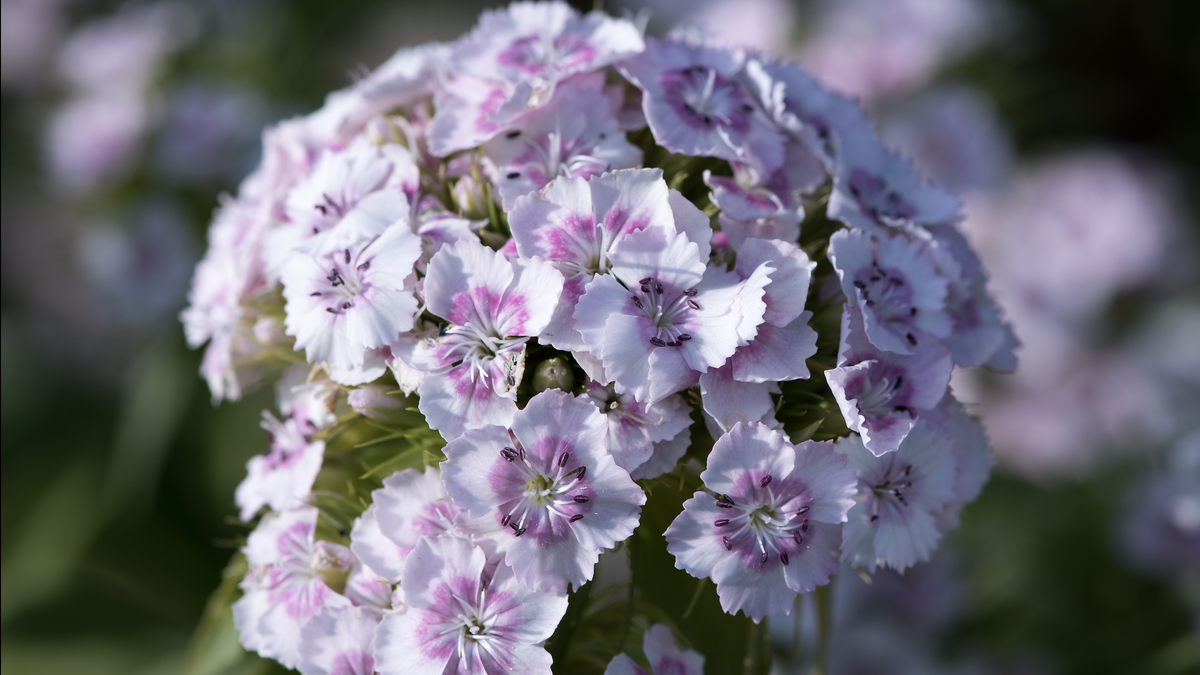
Later, the locals built a temple, known as the Nang Bang - Nang Muong Temple, or the Temple of the Mountain Goddess. Every year during the March flowering season, people come to light incense, pray for peace, and hope for a bountiful harvest. Traditionally, in odd-numbered years, people offer a two-legged animal as a sacrifice, in even-numbered years, a four-legged animal, and every five years they hold a grand ceremony, inviting people from the upper and lower villages to attend.
The best time to visit Fairy Waterfall is from March to May, when the weather transitions from spring to summer. Fairy Waterfall consists of 5 tiers, stretching about 1.5km along a forest path. The tiers are not far apart, each with a different height and scenery, offering a variety of emotional experiences at this place often described as a fairyland.
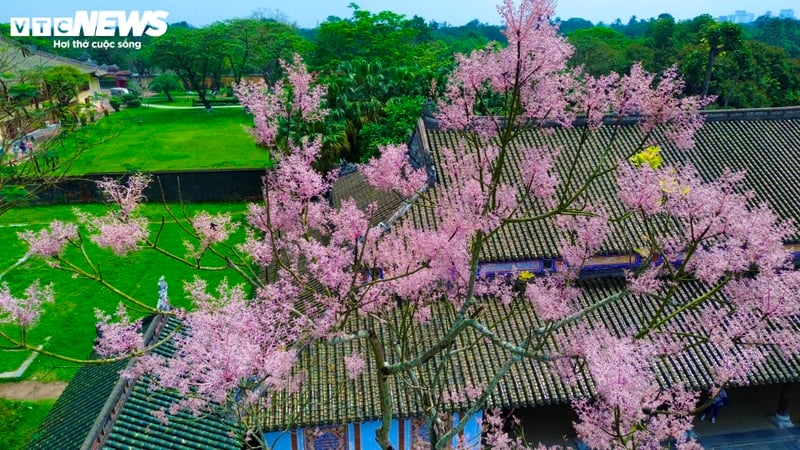
Every year, when the bauhinia flowers bloom throughout the mountains and forests of Northwest Vietnam, Thai boys and girls, dressed in their finest clothes, celebrate the Bauhinia Flower Festival, with the aspiration to worship "Then" – a supreme deity in the pantheon of gods according to Thai beliefs; and to worship Lady Ban – a legendary female figure symbolizing the purity of Thai maidens, faithful love, and the yearning for freedom.
The Hoa Ban Festival is also an opportunity for the White Thai people of Chieng Khoa and other ethnic communities in the area to express their gratitude for the contributions of the "Two Goddesses" - who pioneered this land, taught the people how to work, how to embroider and weave, and taught them to dance and sing love songs... In the minds of the people, the "Two Goddesses" have become sacred deities who protect and shelter the village, blessing the people with good health and good fortune in their endeavors.
Exploitation must be linked to the preservation and conservation of the landscape.
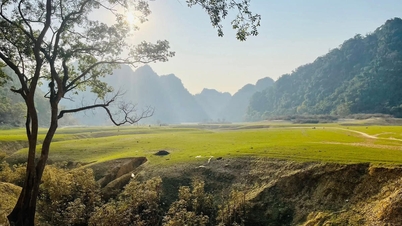
Elder Hoang Van Phuong of Na Cha village, who has been connected to this land for over 70 years, shared: "According to what the elders told us, this area used to be very wild and full of animals; even walking on the road was frightening."
In the past, this area was very wild and full of animals; even walking along the road was frightening.
Village elder Hoang Van Phuong
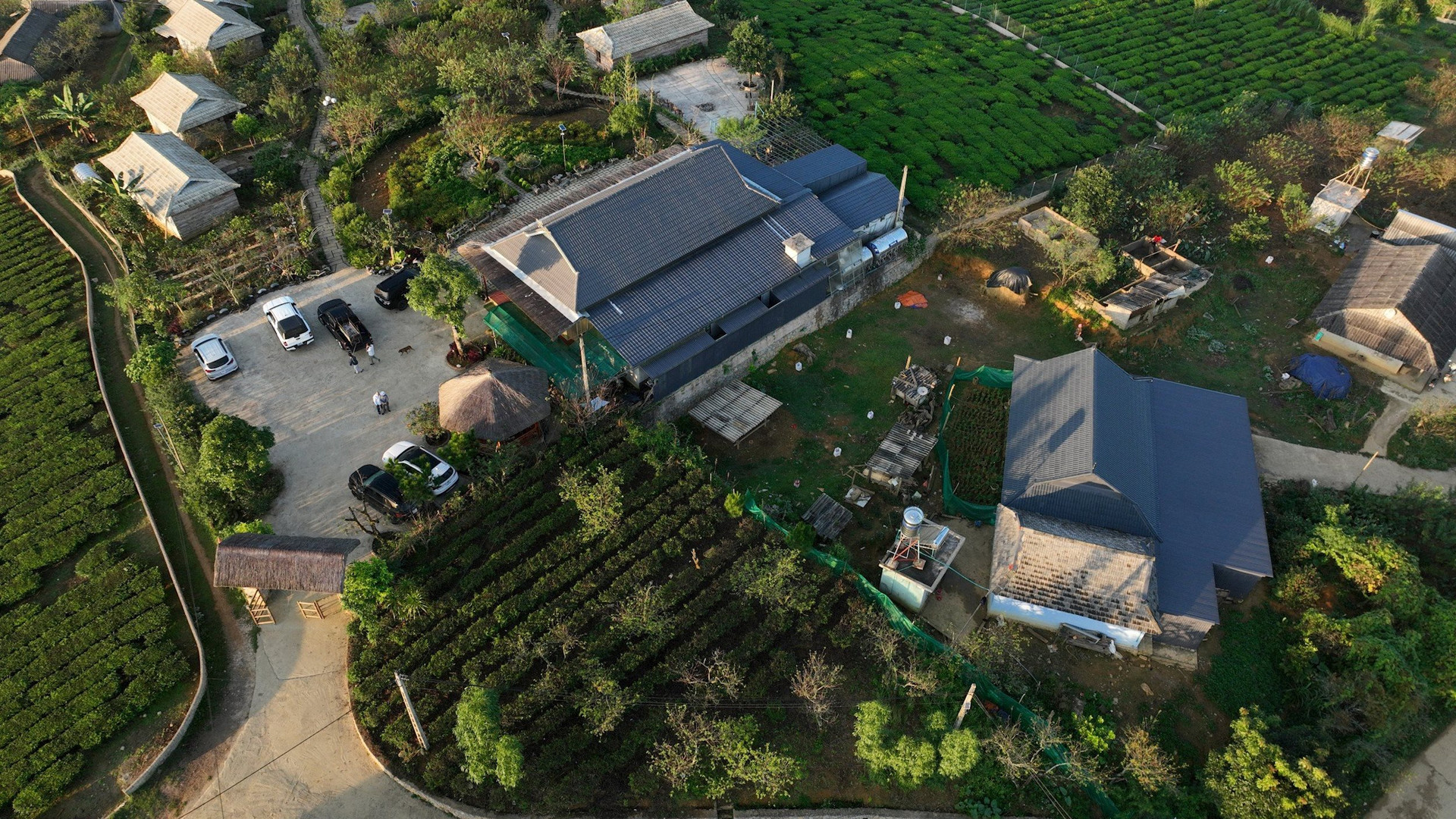
Not letting the potential lie dormant, and in line with Van Ho district's orientation towards developing green and sustainable tourism , in 2019, 16 households in Na Cha village discussed and agreed to boldly borrow capital and invest in building stilt houses right next to Nang Tien Waterfall to serve tourists.
In 2020, the Chieng Khoa Agricultural and Tourism Service Cooperative was officially established, tasked with managing and protecting the landscape of Nang Tien Waterfall, as well as creating conditions for local people to engage in tourism.
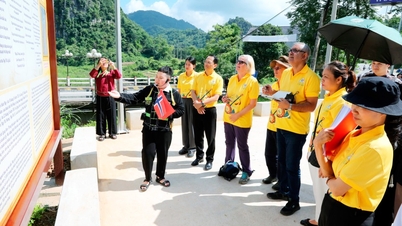
Visitors to Nàng Tiên Waterfall will experience all five tiers of the waterfall. At each tier, the cooperative has assigned guides to introduce the unique features of the waterfall, take photos for visitors, and promote the protection of the waterfall's landscape, preventing any negative impact on the environment.
Mr. Ha Van Cong – Executive Director of Chieng Khoa Agricultural and Tourism Service Cooperative
Mr. Ha Van Cong – the cooperative's executive director – shared: Visitors to Nang Tien Waterfall will experience all five tiers of the waterfall. At each tier, the cooperative has assigned a guide to introduce the unique features of that tier to visitors. This is also to protect the waterfall's landscape and prevent any negative impact on the environment.

On average, this place attracts 300 visitors each day. Besides experiencing the tower levels, tourists can enjoy the fresh, cool air and savor traditional ethnic dishes prepared by the local people. Thanks to this, the lives of the local people have improved significantly.
With a perspective of developing tourism in conjunction with protecting the environment, the cooperative has regularly encouraged tourists and local people to work together to preserve the environment and not throw waste into rivers and streams. They have also planted more cherry trees along the road leading to the waterfall...
Mr. Ha Van Ung, Vice Chairman of the People's Committee of Chieng Khoa commune, shared: "Since the cooperative was established and began managing the Fairy Waterfall, it has greatly helped create livelihoods and improve the quality of life for the people around the waterfall through tourism, cooking, and experiences... For the remaining households that did not participate in the investment, they have formed 5 self-governing neighborhood groups, establishing and managing motorbike taxi groups of 10-15 people/group, assigning daily shifts to transport tourists from the road down to the waterfall area."
At the same time, local authorities have regularly held awareness campaigns and signed commitments with households providing motorbike taxi services, requiring them to pledge not to solicit customers or engage in any negative behavior that could harm local tourism. They also regularly monitor the activities of the cooperative and motorbike taxi groups in the area, ensuring social security and order.
Overcoming initial difficulties, Fairy Waterfall has now become a popular tourist destination for both domestic and international visitors. However, due to difficult road access, organized tours are challenging, so it mainly attracts young people who enjoy exploration and new experiences, resulting in relatively low tourism revenue.
Hopefully, in the future, the authorities at all levels will pay more attention and invest in a more systematic and large-scale way to attract more tourists to visit and experience the waterfall area. This will create more livelihoods for the local people and contribute to spreading the image of the Fairy Maiden to all corners of the country...
Source













































































Comment (0)