

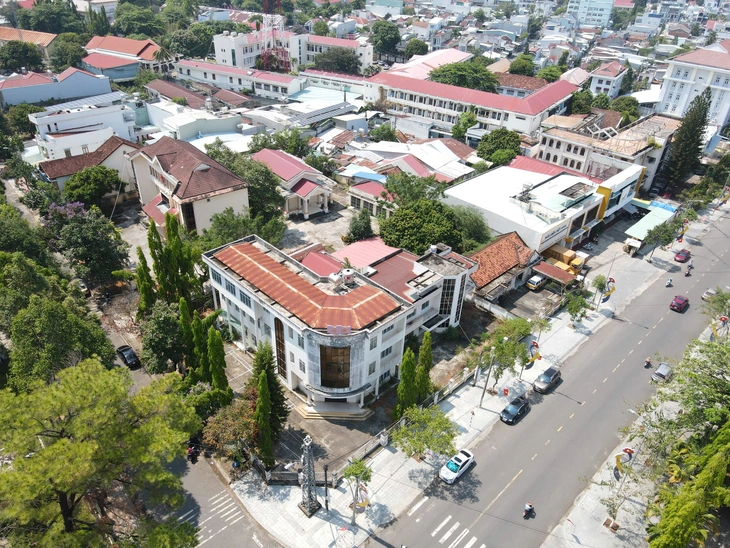
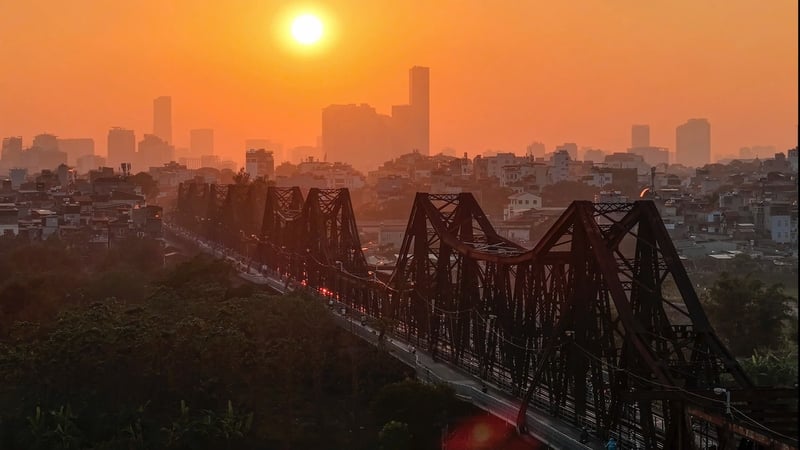
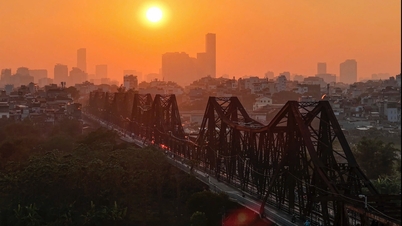
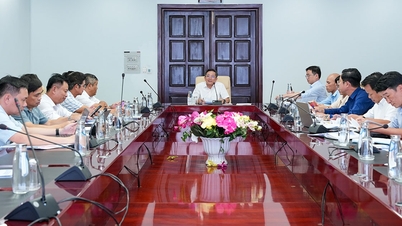
Illustrative image - Photo: TTO
The Ministry of Finance is drafting a government resolution on specific mechanisms and policies to accelerate the process of handling and utilizing surplus houses and land resulting from the restructuring and streamlining of the political system's organizational apparatus and the reorganization of administrative units.
Proposal for flexible transfer of management to local authorities.
The draft proposal includes many flexible regulations for special cases to resolve difficulties and shorten implementation time.
Notably, the draft resolution includes a section regulating the handling of surplus houses and land resulting from the reorganization of administrative apparatus and units at all levels.
Regarding the handling of surplus housing and land in certain special cases, the draft states that for surplus housing and land resulting from the reorganization of administrative apparatus and units, based on proposals from the agencies, organizations, and units currently managing them, the competent authority will consider and decide to transfer them to local authorities for management and handling in accordance with the law on public assets.
The transfer is carried out in its current state, including cases where there are no or lost legal documents regarding the house and land, or where the house and land have been allocated for housing or have been encroached upon. Furthermore, the procedure of obtaining the opinion of the Chairman of the Provincial People's Committee is not required.
The agency, organization, or unit owning the assets is responsible for the status of the records and the current condition of the house and land upon transfer and will continue to coordinate with local authorities to handle any issues arising after the handover.
For surplus houses and land that are converted to public purposes such as gardens, playgrounds, or community facilities, but where the existing structures are no longer suitable, the draft allows the competent authority to decide to demolish or remove the houses and structures attached to the land to implement the new land use plan.
Demolition is carried out even if the asset is still usable or has not yet reached the end of its depreciation or amortization period as stipulated.
The drafting agency assessed that the aim was to facilitate the acceleration of land-use conversion, avoiding delays caused by issues related to the value of remaining assets.
How will adjustments to land use planning and plans be implemented?
The draft proposes a flexible mechanism for adjusting planning. Specifically, surplus land and buildings can be reallocated, transferred, or repurposed to serve as offices, operational facilities, public works, or for national defense and security purposes.
With regard to this content, updates and adjustments to land use planning, construction planning, and related specialized planning will be carried out after a decision has been made by the competent authority.
Regarding surplus land and buildings that have been transferred to local authorities and processed through land allocation or leasing, the draft regulations stipulate that those to whom the land is allocated or leased must reimburse the State the remaining value of the house and assets attached to the land at the time of allocation or leasing.
This regulation applies even if the property has been demolished before the land was allocated or leased, or if the property is sold to the same person to whom the land was allocated or leased.
In cases where assets are not yet recorded in the accounting books, the determination of their remaining value will be carried out according to the Ministry of Finance's guidelines on the management and depreciation of fixed assets.
The draft outlines the case where houses and assets attached to land are built on land owned by other organizations or individuals, but the unit currently managing them no longer needs to use them.
In cases where the landowner wishes to reclaim the property, the managing authority will issue a handover decision and organize the handover process.
Organizations and individuals receiving assets are responsible for returning the remaining value according to the accounting records, except in the case of state agencies, public service units, armed forces, Party agencies, the Fatherland Front, and socio- political organizations, which are exempt from repayment.
In cases where the organization or individual owning the land no longer wishes to receive the assets, the managing authority may liquidate the assets by demolishing and destroying them, and then return the land to its original state.
The liquidation and disposal of recovered supplies and materials shall be carried out in accordance with the regulations stipulated in Government Decree 186/2025 and Decree 52/2026.
Source: https://tuoitre.vn/de-xuat-loat-co-che-dac-thu-moi-xu-ly-nha-dat-doi-du-do-sap-nhap-20260501101226078.htm
![[Photo] General Secretary and President To Lam presides over the meeting to approve the draft report on the results of the second inspection by the Politburo of the Standing Committee of the Hanoi City Party Committee.](https://vphoto.vietnam.vn/thumb/1200x675/vietnam/resource/IMAGE/2026/05/26/1779789811432_a2-bnd-4430-9620-jpg.webp)















































































Comment (0)