|
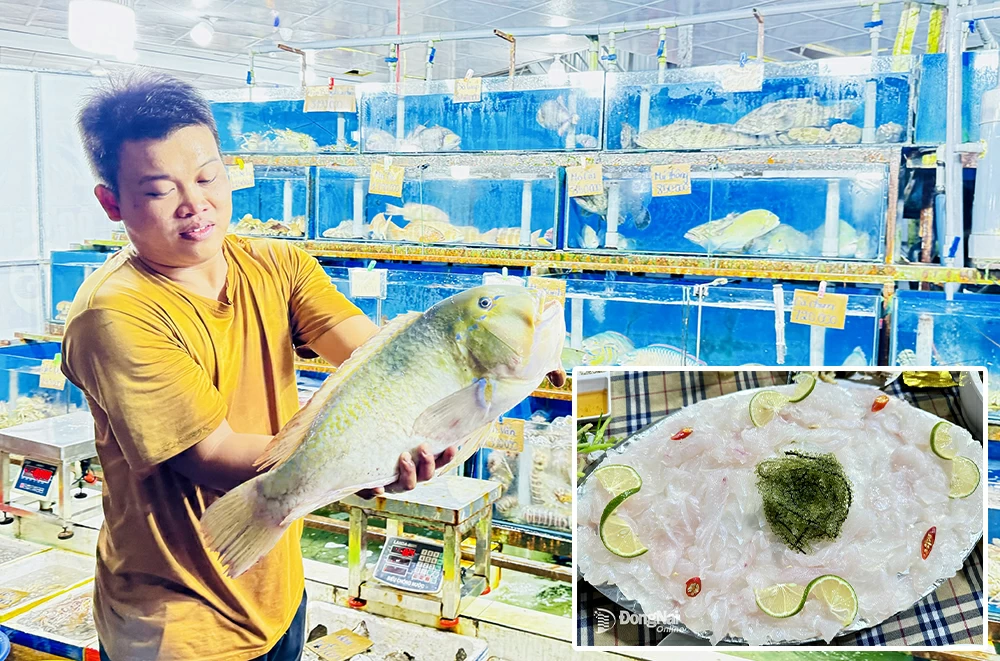
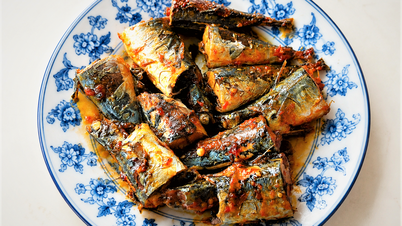
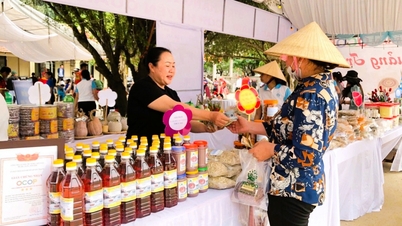
A specialty of Con Dao Island is sold at a high price. Photo: B. Nguyen |
The most distinctive aspect of Con Dao's cuisine is undoubtedly the "hat bang" (a type of edible seed), a dish whose origins hold many memories of the prisoners of Con Dao. In addition, Con Dao is also famous for its delicious and expensive seafood.
The "medicinal" food of Con Dao prisoners.
Con Dao Special Zone is famous for its Terminalia catappa trees, a type of tree that can withstand the harsh weather conditions of the island. In Con Dao, there are dozens of ancient Terminalia catappa trees that have been honored as Vietnamese Heritage Trees, symbolizing the spirit of the people of Con Dao. These ancient trees are historical witnesses to the suffering and losses on the island, once described as a "hell on earth." At the same time, this land is also famous for its unique Terminalia catappa nut specialty.
The Terminalia catappa trees in Con Dao endure harsh sun and storms, resulting in larger trunks and rougher, more gnarled bark than those grown on the mainland, yet they produce larger fruits than those in other regions. This tree appears frequently in the stories and recollections of Con Dao prisoners. According to these accounts, one of the cruel tactics used by prison guards to torture political prisoners was to withhold green vegetables for months on end. This led to many prisoners suffering from digestive disorders and various digestive diseases, causing their health to gradually deteriorate. Therefore, whenever they were allowed out to work, the prisoners would pick Terminalia catappa leaves or fruits to eat instead of vegetables. They would also secretly hide the fruits in their pockets, holding them in their mouths to share with their comrades in their cells. For the prisoners of Con Dao, Terminalia catappa leaves and fruits were a food source that helped them cope with hunger and pain.
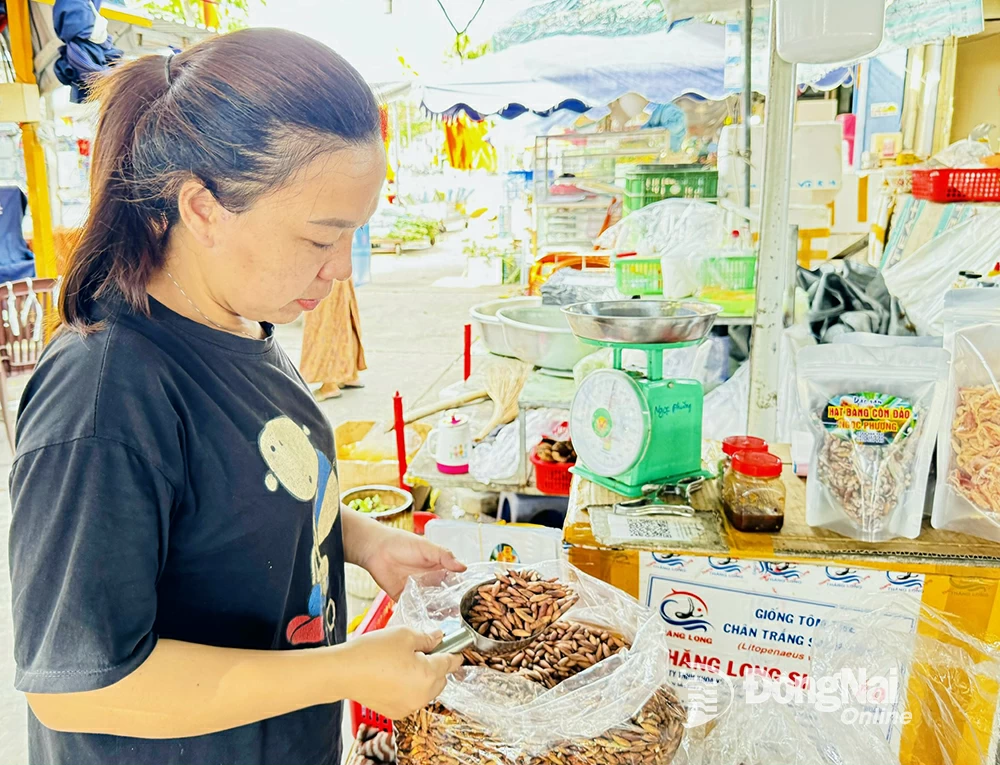
Ms. Lan Phuong, owner of Ngoc Phuong specialty shop at Con Dao market, said that Terminalia catappa seeds are a popular souvenir for tourists visiting Con Dao, as they are a gift from nature, found only in Con Dao. The story of a prisoner eating Terminalia catappa fruit instead of vegetables to cure his illness has led the people of Con Dao to believe that Terminalia catappa seeds are a "medicinal" food, making them highly sought after.
Due to the increasing demand for the specialty Terminalia catappa nuts from tourists, a business of collecting and processing Terminalia catappa nuts has emerged in Con Dao. To date, Con Dao has hundreds of establishments processing and trading Terminalia catappa nuts. The supply of raw materials in Con Dao is insufficient to meet demand, forcing processing and trading centers to source nuts from provinces throughout the Eastern and Western regions of Vietnam. During peak tourist season, the Ngoc Phuong specialty store sells several hundred kilograms of Terminalia catappa nuts per week.
The Terminalia catappa tree is a forest tree, not a cultivated or cared-for tree, but it requires a lot of labor to collect and harvest the fruit to get the kernels. 60kg of dried Terminalia catappa fruit yields only about 1kg of kernels, and a full day's labor typically only yields a little over 1kg of kernels.
Gathering and harvesting the kernels from Terminalia catappa fruits is usually the work of the poor. They put in the effort to collect them, dry them, and then sell the kernels to processing facilities. Because Terminalia catappa seeds are small and have thin shells, roasting them is an art. Too little heat will leave the seeds undercooked and tough, while too much heat will burn them. Therefore, roasters must carefully control the heat, roast for a long time, and constantly stir to produce a batch of fragrant and delicious seeds.
Con Dao's specialty products include roasted salted Terminalia catappa nuts and Terminalia catappa nut jam in various flavors, with prices ranging from 250,000 to 400,000 VND per kilogram depending on the type. Terminalia catappa nuts from Con Dao are thinner, fatter, more fragrant, and considered to have medicinal properties, so discerning tourists are willing to pay one and a half to two times the price to buy and enjoy them.
Seafood from Con Dao is "worth every penny".
According to some seafood traders in Con Dao, due to the low consumption of seafood in Con Dao, large, long-haul fishing vessels do not stop here to unload their catch. Con Dao has fishing villages with many small boats that return daily, ensuring the freshness of the seafood and offering rare specialties unique to Con Dao.
For example, the red grouper is a very rare fish, usually living in coral reefs, making it one of Con Dao's most expensive specialties. Another famous specialty of Con Dao is the moon crab, so named because its shell has red spots resembling the moon. The crab's shell is so beautiful that locals also use it to make decorative products. According to locals, Con Dao moon crab meat is at its best during the full moon, with sweet, firm, and mineral-rich meat; its nutritional content is also higher than other crab species.
|
Small traders at Con Dao market (Con Dao Special Economic Zone, Ho Chi Minh City) package roasted and salted Terminalia catappa nuts to sell to customers. |
In addition, Con Dao also has many unique specialties such as: shark salad, sand grouper (also known as wax grouper), and sea worms - one of the rare seafoods that was once offered to the king...
Furthermore, another reason tourists are willing to pay a high price to enjoy seafood in Con Dao is its freshness. According to seafood vendors in Con Dao, the fresh squid sold on the island is caught by fishing boats; the squid are still lively when put into tanks, so when cooked, they are very crispy and have a rich, sweet flavor.
Con Dao is a spiritual land, so businesses on the island believe that only honest and ethical practices can ensure their survival and longevity. Therefore, seafood prices in Con Dao are often higher than in many other places, but the quality is guaranteed, ensuring freshness and deliciousness.
When buying souvenirs, tourists have many specialties to choose from. A prime example is the sweet and fragrant sea urchin paste, made primarily from sea urchin meat. The paste has a salty and sour taste, with a distinctive, strong aroma, perfect for eating with vermicelli, boiled meat, or hot rice. Oyster paste is also a famous local specialty, made entirely by hand. In addition, there are various dried seafood products such as dried fish, dried squid, sun-dried squid, sun-dried mackerel, etc., which are also delicious specialties favored by many tourists.
Plains
>> Check out Hotels:
Source: https://baodongnai.com.vn/giai-tri/202507/doc-dao-cua-am-thuc-con-dao-85e1f58/


![[Photo] National Assembly Chairman Tran Thanh Man working with the Standing Committee of the National Assembly's Delegation Affairs Committee.](https://vphoto.vietnam.vn/thumb/1200x675/vietnam/resource/IMAGE/2026/05/20/1779294340023_ndo_br_1-1691-jpg.webp)
![[Photo] General Secretary and President To Lam works with the Party Committee of the Ministry of Health on the work of Vietnamese traditional medicine.](https://vphoto.vietnam.vn/thumb/1200x675/vietnam/resource/IMAGE/2026/05/20/1779294323718_a1-bnd-2978-3319-jpg.webp)
![[Image] "Journey of Hope" promotes the organ and tissue donation movement in Vietnam.](https://vphoto.vietnam.vn/thumb/1200x675/vietnam/resource/IMAGE/2026/05/20/1779294400833_1-8910-jpg.webp)









































































Comment (0)