


The single lifestyle is reshaping the development trends of the real estate industry. (Source: Shutterstock) |
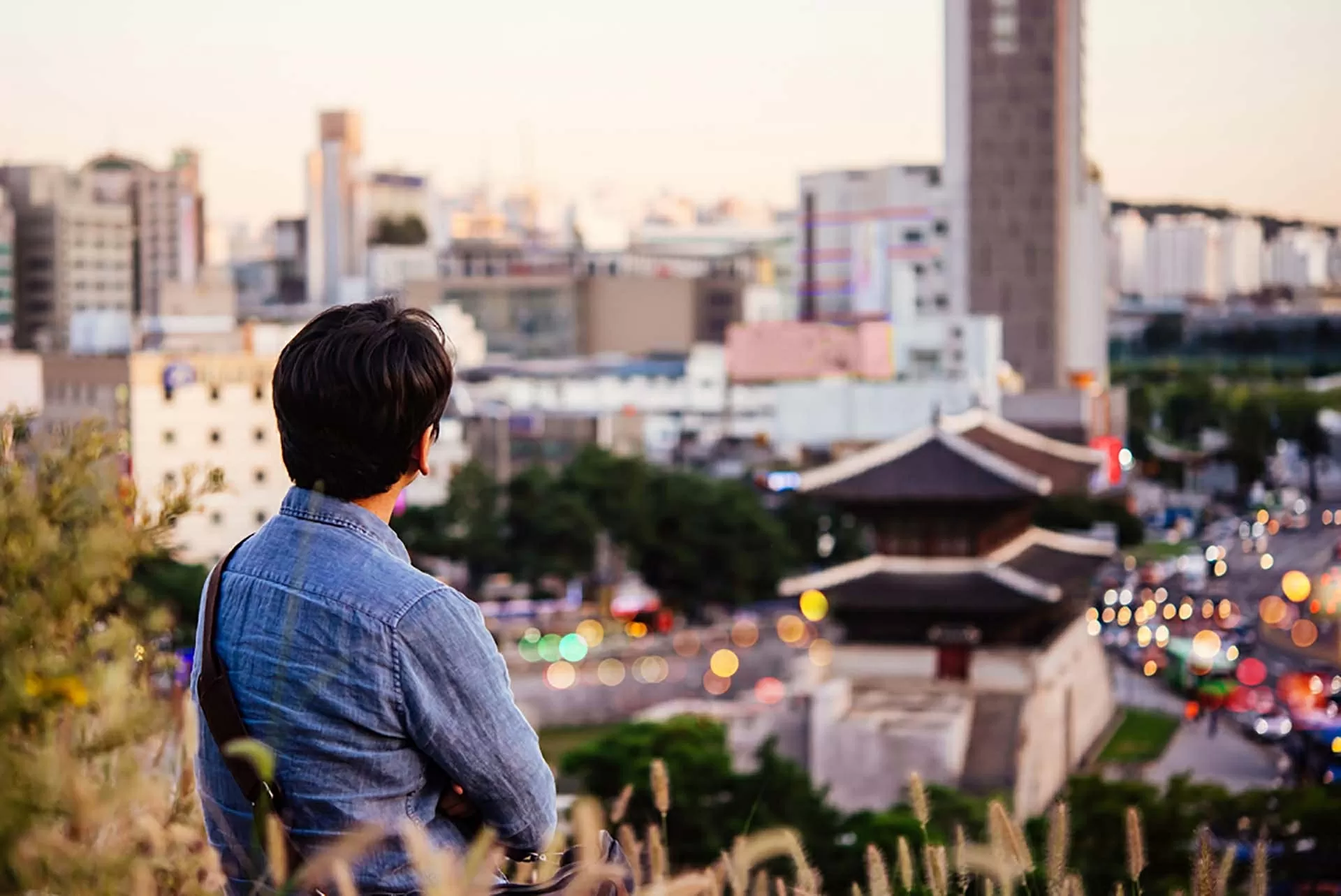
A lifestyle that moves away from tradition.
Increasing numbers of young people in Asia are moving away from the traditional marriage and childbearing model, causing the traditional family structure to lose its appeal. According to the United Nations, women are now having one fewer child than they did in 1990. The Institute for Health Metrics and Evaluation (IHME) at the University of Washington predicts that by 2050, 97% of countries worldwide will have birth rates lower than those necessary to sustain their natural population growth.
According to market research firm Euromonitor International, the number of people living alone has surged – particularly in the Asia- Pacific region, accounting for half of all single-person households globally between 2010 and 2019.
South Korea has recorded a birth rate below 1.3 for over 20 years. The Korea Herald, citing information from the South Korean government , reported that in 2023, the proportion of single-person households in South Korea reached a record high, accounting for 42 percent of all households nationwide. The term "bihon"—a vow not to marry—is becoming increasingly popular.
China is expected to see a 20.5% decrease in the number of marriages in 2024 compared to the previous year, reaching its lowest level since 1980; conversely, the number of divorces is projected to increase slightly, according to the Ministry of Civil Affairs.
In Japan, a country grappling with the challenges of an aging society, the phenomena of hikikomori (people who isolate themselves from society) and kodokushi (lonely death) pose a challenge to both the real estate market and social welfare policies.
Singapore's birth rate also hit rock bottom, at just 0.97 – a historic low – due to a decline in the number of couples.
These figures clearly reflect a profound social transformation, in which choosing to live alone is becoming the lifestyle of our time.
Dr. Nai Jia Lee, a senior expert at PropertyGuru Group, believes that financial pressure, the burden of raising children, and the difficulty in balancing work and family are the main reasons for the declining birth rate. In addition, economic instability and climate change are further fueling the trend of single living and shrinking household sizes.
According to recent research by neuroscientists at the University of Pennsylvania (USA), a widespread "epidemic of despair" fueled by economic pressure has led many people to avoid marriage and having children.
"It's not that people don't want to get married, but that they can't afford to get married!" This was a prominent comment in a post with over 46 million interactions on the social media platform Weibo about the declining marriage rate, reflecting the reality of why young people choose to remain single.
The Asian concept of "settling down and establishing a career" has inadvertently become a barrier to marriage and having children, especially as the dream of home ownership becomes increasingly unattainable.
In China, the ratio of house prices to income is as high as 29.59 times, making home ownership "impossible" for many young people, given their precarious incomes and high cost of living.
In South Korea, the financial burden is also evident, with rental deposits in Seoul potentially reaching $309,000, making the dream of starting a family and settling down difficult to achieve.
Changing the face of the market
According to information from the official website of the Property Guru Asia Real Estate Summit in December 2024, the rise of single people is reshaping real estate development trends across Asia.
Despite its high single-person population, the Philippines boasts a demographic advantage with 64% of its population in the working age group. Recognizing this potential, real estate developers are targeting young, single buyers with a growing demand for compact, affordable housing. According to experts from Colliers, this trend is forcing the market to adjust its portfolio to better suit modern lifestyles.
Similar changes are also taking place in Indonesia. Southeast Asia's most populous nation has seen a significant decline in the number of marriages, with a decrease of 128,000 marriages between 2022 and 2023. This signals profound shifts in the structure of the housing market. Faced with the growing trend of single living, investors are forced to innovate, developing types of real estate and ownership models that better suit individualized lifestyles.
Singapore is seeking innovative solutions, such as co-living models for the elderly, to meet the needs of its elderly population living alone. Similarly, China is focusing on developing shared and rental housing models, especially multi-functional living spaces, rather than just traditional family apartments.
For many young people, choosing not to marry is a proactive decision. The single lifestyle and enjoyment of individual life also fuel the growth of the real estate market for those living alone. Cities may see an increase in population density as more single people choose to live in cities with high-end services and amenities. This also leads to the growth of gated communities and mixed-use developments, with spaces specifically designed for unmarried individuals.
Shifting dynamics of marriage and family life in Asia reflect a new trend where individual aspirations are increasingly prioritized over societal expectations. As younger generations in Asia shift their life choices amidst a volatile economic landscape, the real estate and housing markets will be profoundly impacted. The future may see a further decline in traditional notions of starting a family, prompting a reassessment of home ownership in a society where singlehood is becoming the norm.
As economic pressures increase and social norms shift, Asian real estate will have to adapt, reflecting the new priorities of the younger generation, with an increasing number of housing products tailored to their needs.
Source: https://baoquocte.vn/doc-than-hoa-bat-dong-san-chau-a-311508.html























































































Comment (0)