

In recent years, along with rapid urbanization, increased population due to migration, and the demand for tourism and production services, the problem of ensuring access to clean water has become increasingly urgent for many localities in Lao Cai province.
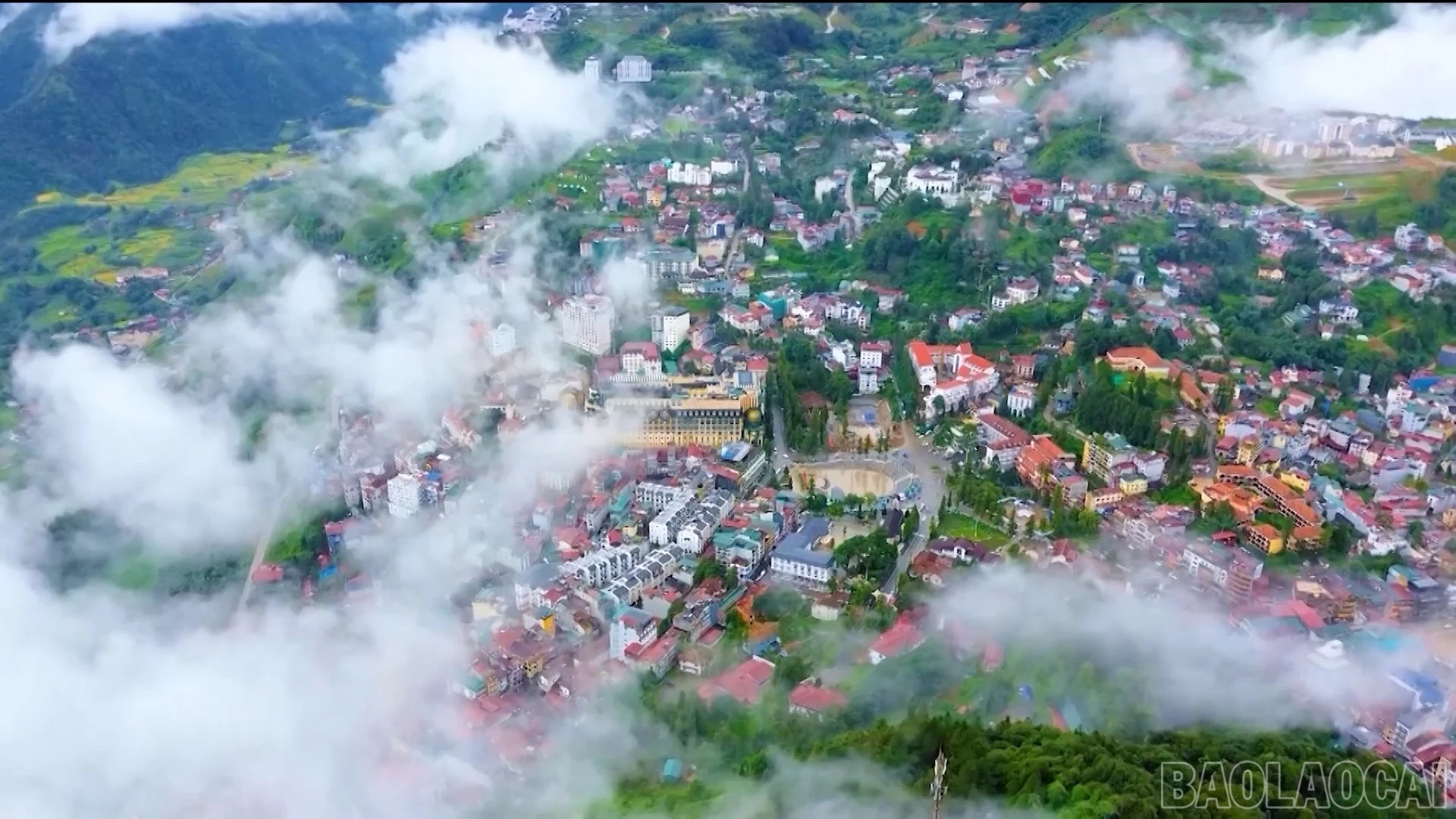
In Sa Pa ward, a major tourist center of the province, the average water demand is currently around 7,000 m³/day, peaking at 9,000 m³/day. Previously, during holidays such as Tet (Lunar New Year) or the April 30th - May 1st holiday, water shortages for daily use frequently occurred, significantly affecting the lives of residents as well as tourism businesses.
To address this situation, in November 2022, the BOO Sa Pa Clean Water Plant was officially inaugurated and put into operation. The project has a designed capacity of 15,000 m³/day; of which, phase 1 involves investing in a water treatment line with a capacity of 7,500 m³/day.
The commissioning of the plant has significantly contributed to resolving the long-standing water shortage in the Sa Pa tourist area.
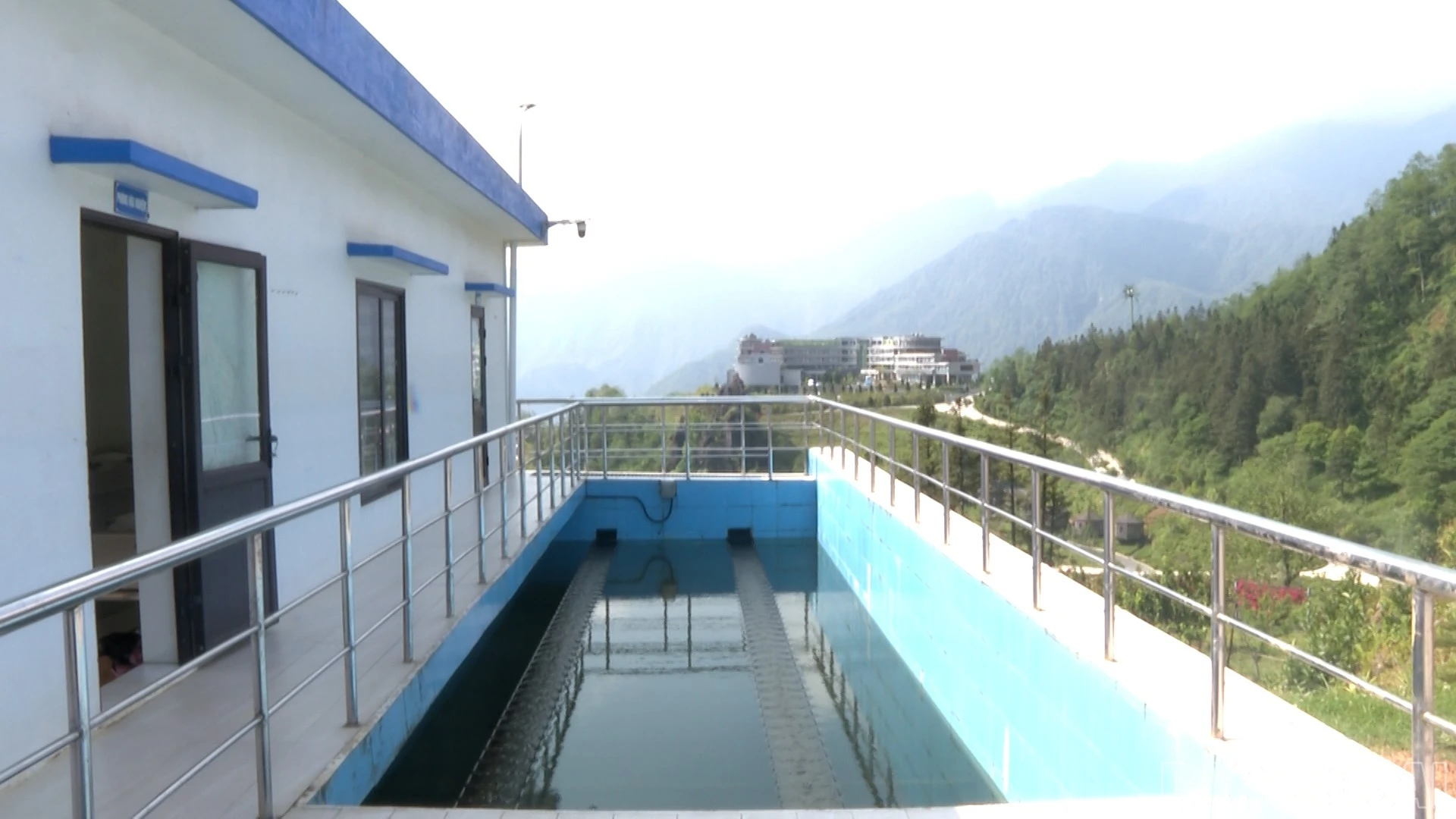
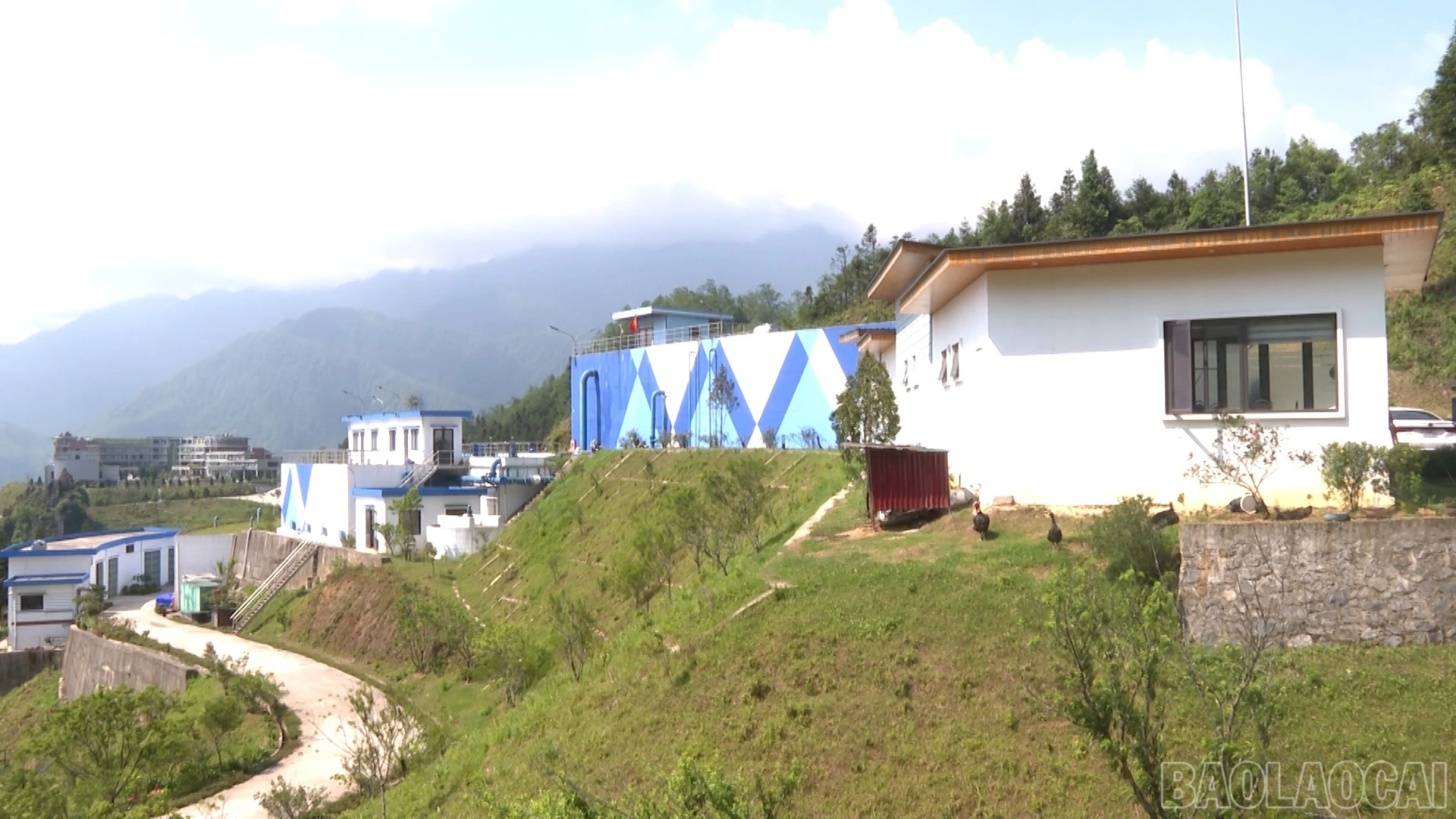
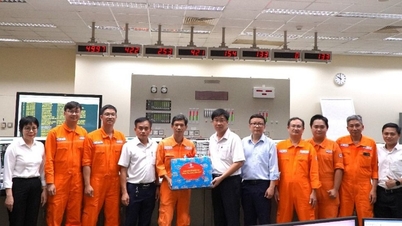
In addition to investing in increasing capacity, the operating unit also focuses on applying modern technology in system management and monitoring. The entire operating process is automated, allowing for continuous monitoring of technical parameters and timely handling of any arising issues.
Ms. Nguyen Lan Huong from the BOO Sa Pa Clean Water Plant said: “Our system is fully automated and monitored on screens, allowing for early detection of problems. Furthermore, we have a technical team on standby 24/7 to handle any issues.”
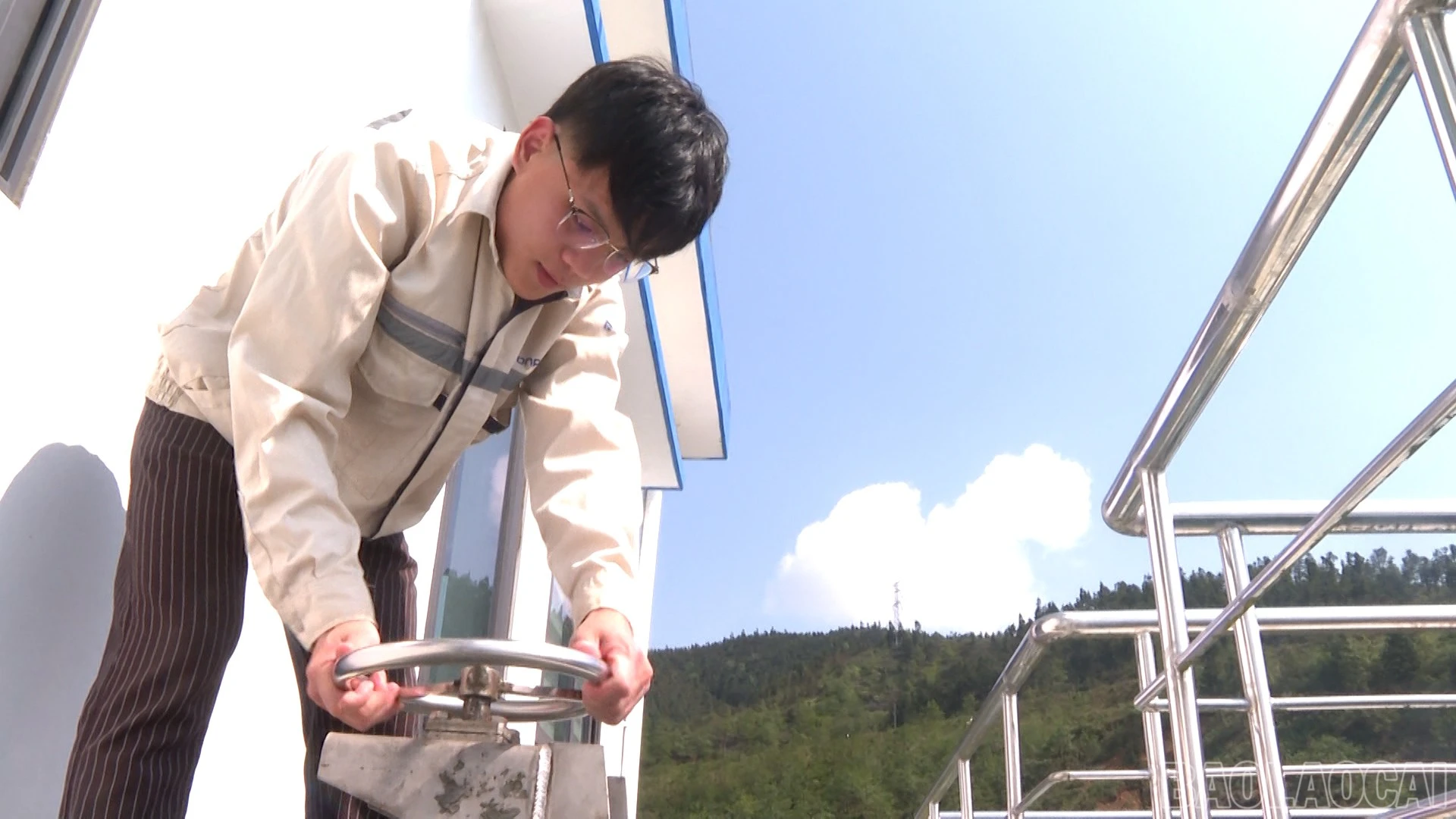
Alongside increasing supply, the management of the water supply network has also been tightened. Pipelines and regulating valves are inspected regularly to minimize water loss and leakage and ensure stable system operation during peak seasons.
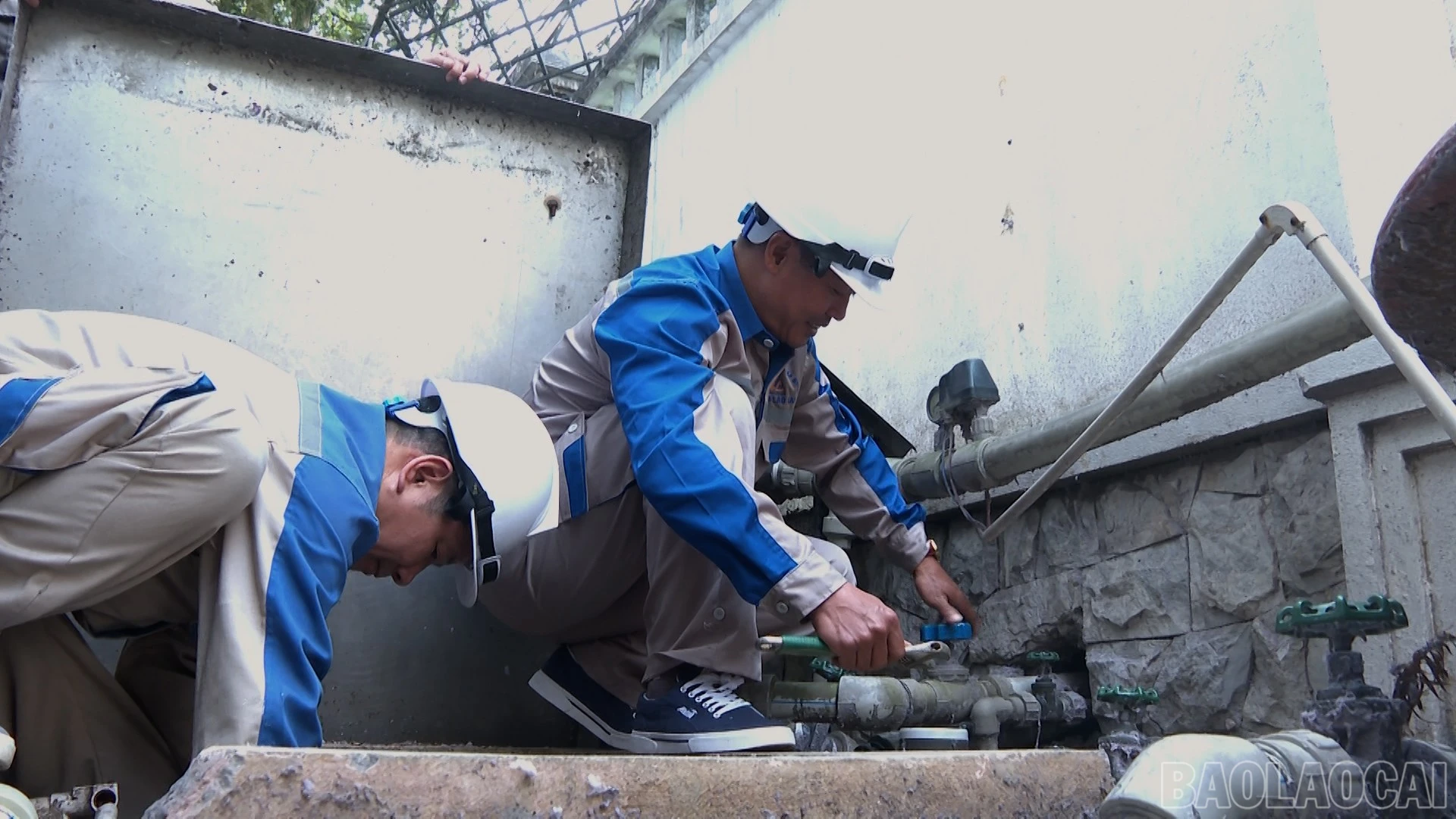
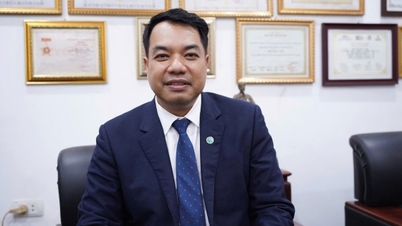
From a state management perspective, local authorities are also proactively developing plans for rational water regulation and utilization. According to Mr. Nguyen Phuoc Toan, Vice Chairman of the People's Committee of Sa Pa ward, ensuring clean water is always identified as a key task to serve the people and tourism activities.
"We advise accommodation establishments and restaurants to stockpile water during off-peak hours to reduce the burden on the system. At the same time, we will increase inspections at locations at risk of water shortages to make timely and appropriate adjustments," Mr. Toan said.
Sa Pa is not alone; the pressure to meet the demand for clean water is also present in many other urban areas. In Yen Bai, the Yen Bai Water Treatment Plant is currently designed with a maximum capacity of 16,500 m³/day, serving more than 24,000 customers including agencies, schools, production and business establishments, and households in the former Yen Bai city, Yen Binh commune, and surrounding areas.
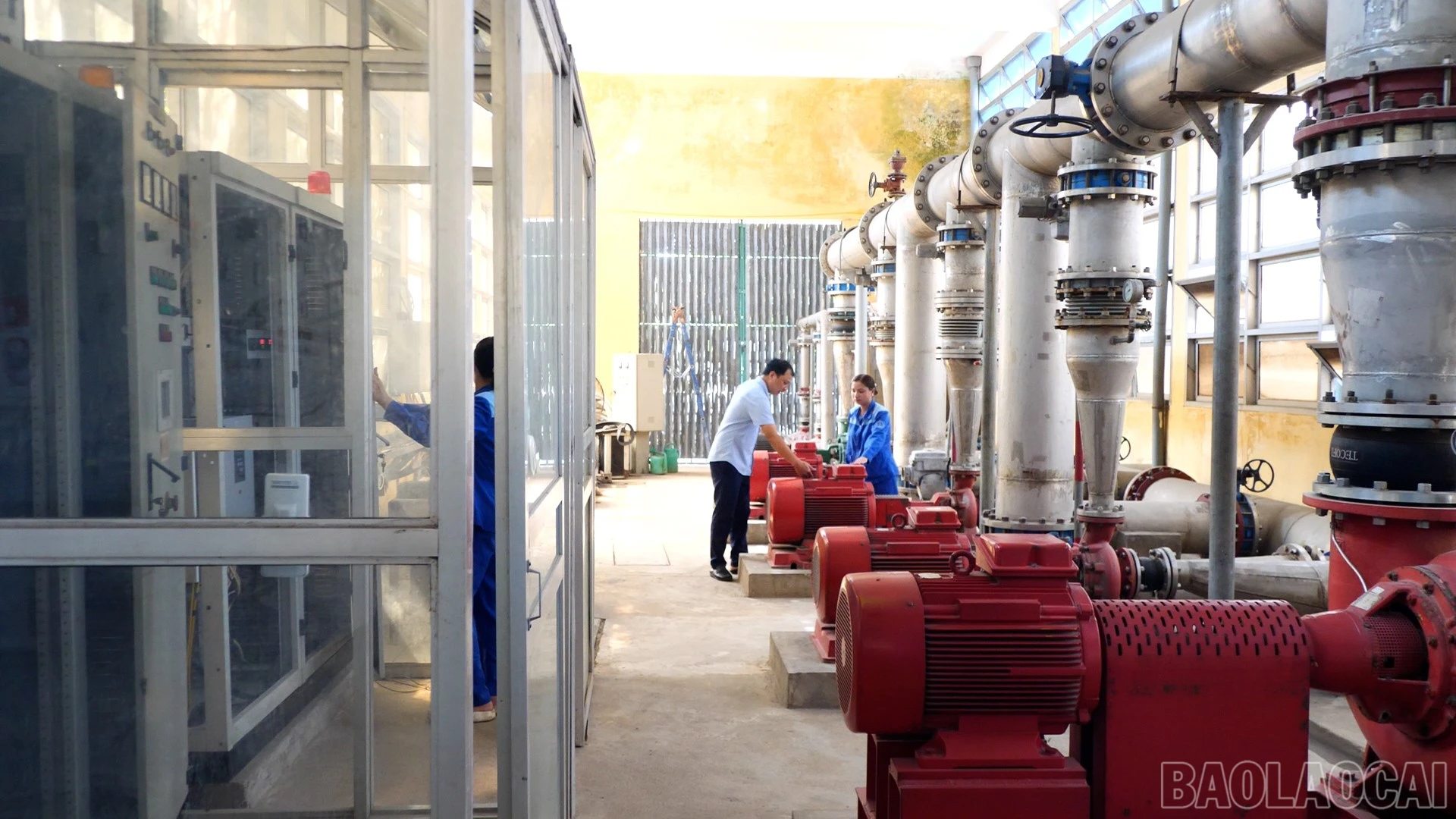
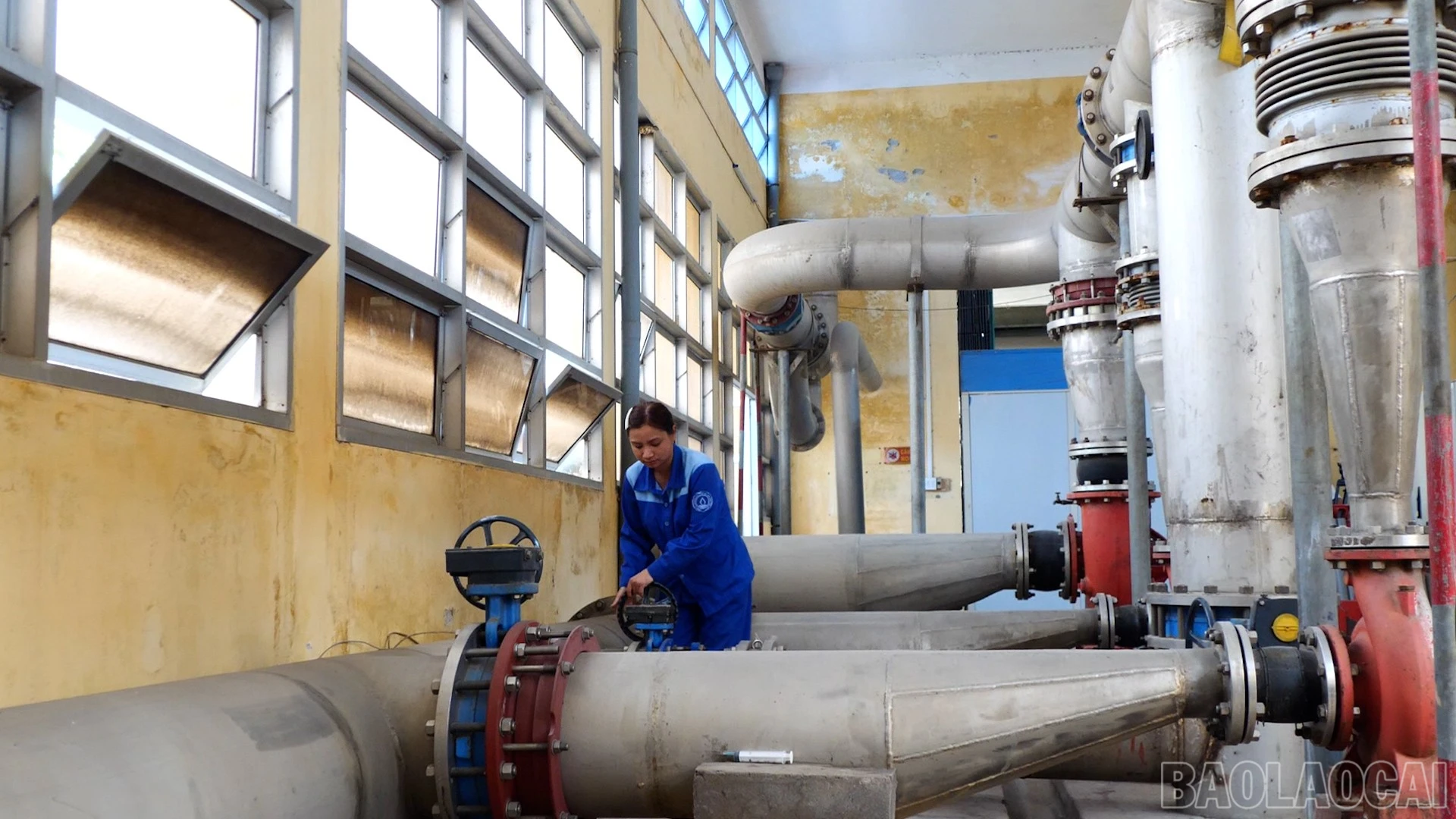
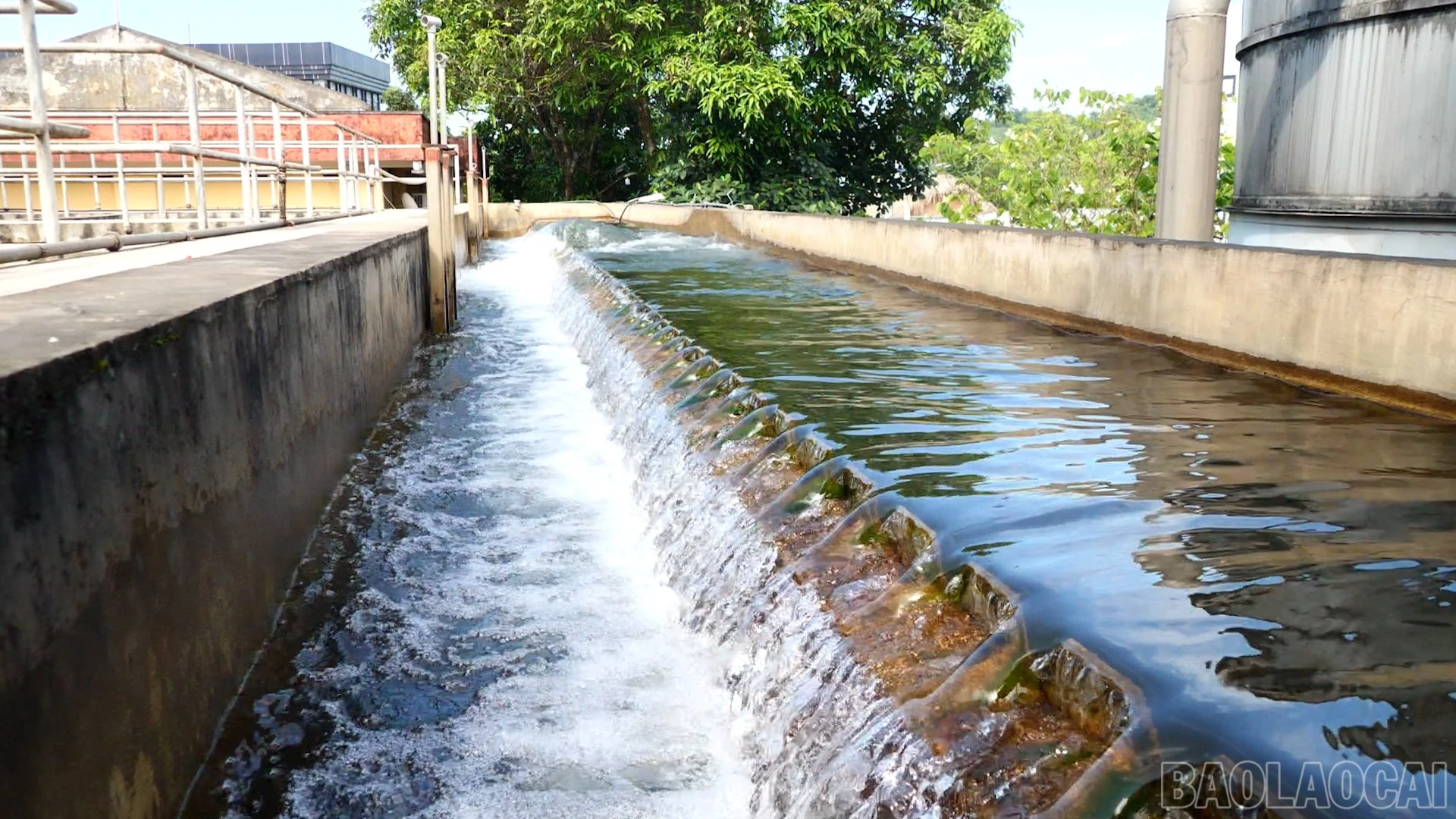
However, due to increasing demand, especially in the early days of April 2026, there were times when the plant had to operate at 20-25% above capacity to meet actual demand.
Mr. Le Anh Thuy, Deputy Director of Yen Bai Water Supply and Construction Joint Stock Company, said that the unit is focusing on many solutions to maintain stable operation, and at the same time requested the province to soon approve the project to expand and increase the plant's capacity to meet the water demand in the coming time.
Faced with increasing pressure on water supply infrastructure, localities are accelerating the implementation of many new projects to expand the clean water supply area. Recently, the Department of Construction of Lao Cai province and HQ Environmental Technology and Investment Consulting Joint Stock Company signed a contract to implement the Ngoi Duong Water Treatment Plant project with a capacity of 20,000 m³/day and night, with a total investment of over 190 billion VND.
This project is considered to be of significant importance in ensuring water security for the central urban area and newly developed regions of the province.
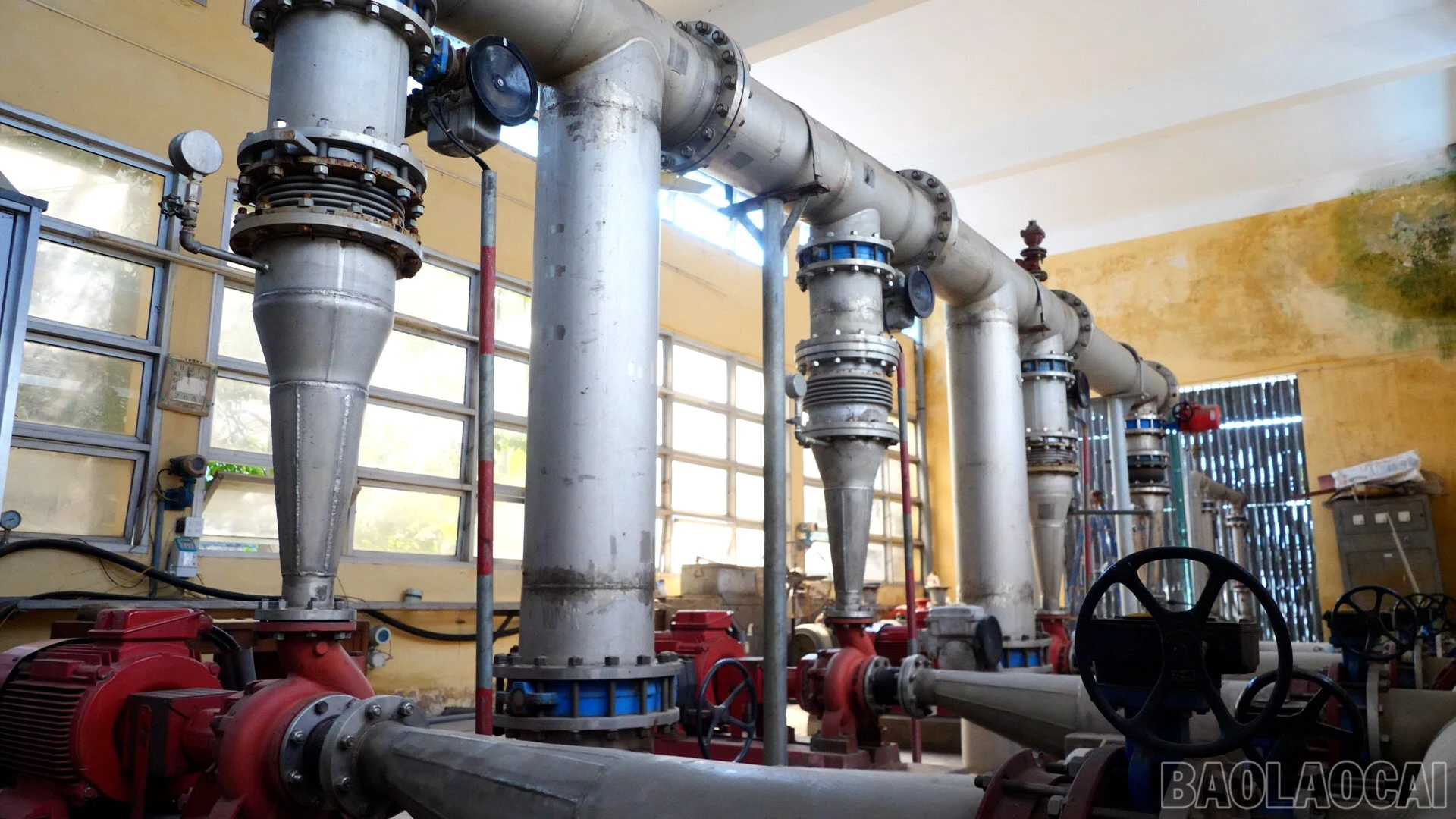
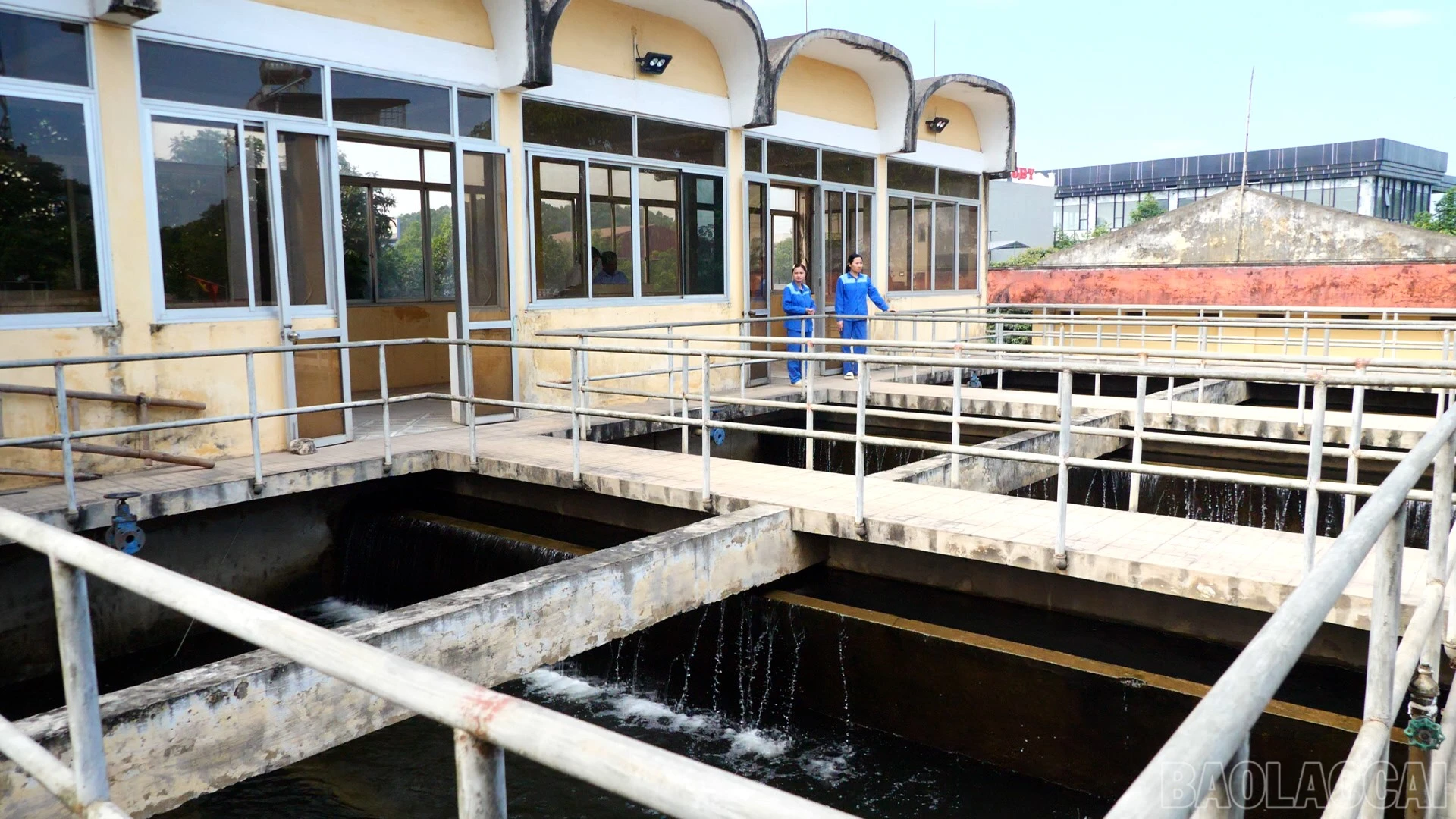
In addition, many existing water treatment plants such as Coc San, Van Ban, Yen Bai, and Nghia Lo will have their capacity increased, technology improved, and their distribution networks expanded. New construction projects in Thac Ba, Thuong Bang La, and Bao Ai are gradually expanding the coverage of clean water to urban areas, industrial zones, and new economic development areas.
According to Mr. Nguyen Thai Binh, Deputy Director of the Department of Agriculture and Environment of Lao Cai province, the province is focusing on mobilizing various social resources and encouraging businesses to invest in domestic water supply projects to meet the increasing needs of the people.
In the context of complex climate change, natural water resources are heavily impacted by droughts, reduced flow rates, and environmental pollution. Investing in improving water supply infrastructure not only addresses immediate needs but also has long-term strategic significance.
New water supply projects are not simply infrastructure projects, but also solutions to ensure social welfare, improve quality of life, and create a foundation for attracting investment and developing tourism, industry, and services.
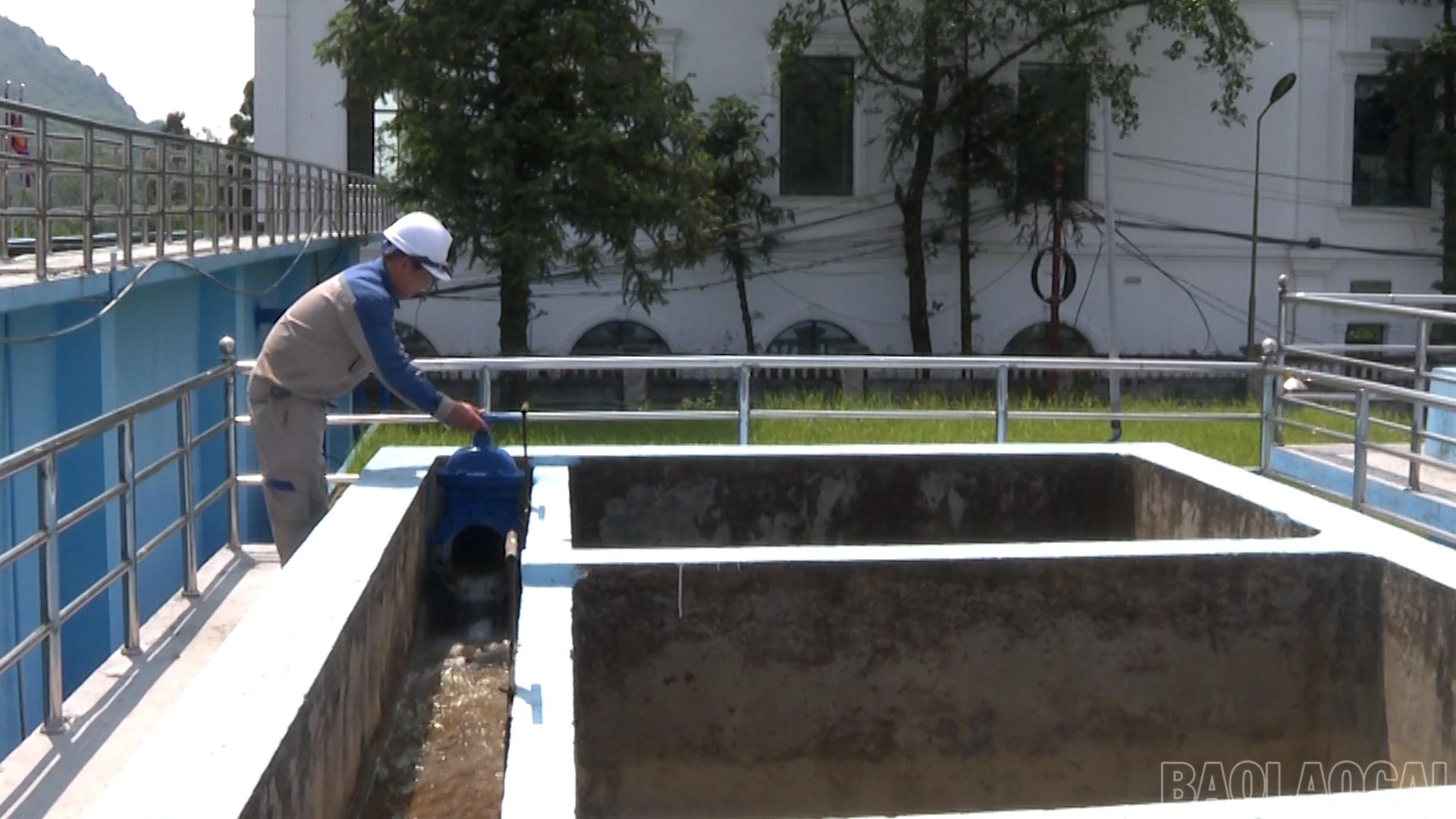
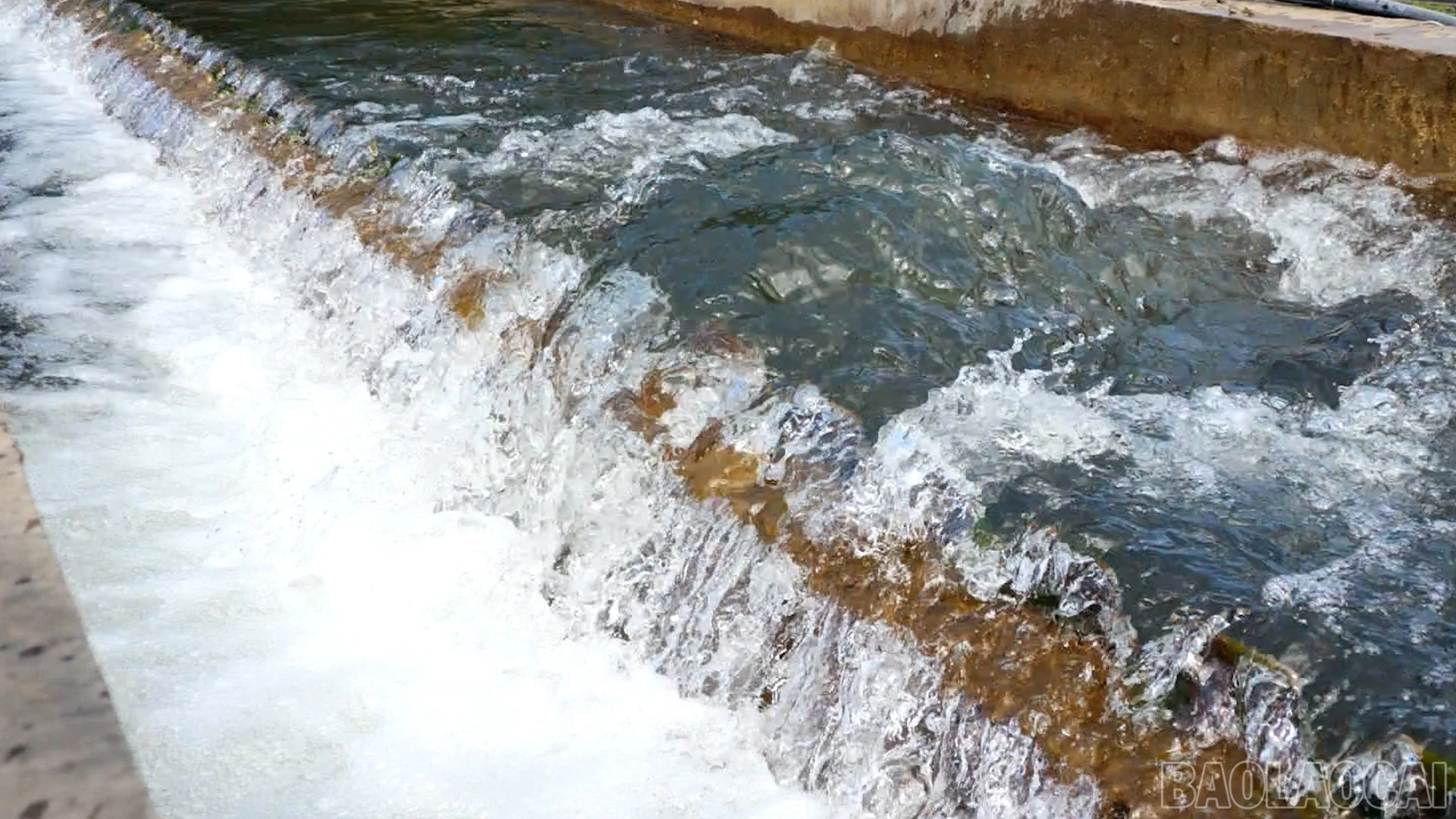
It can be affirmed that when the "lifeline" of clean water is restored and its stability is ensured, it is not just a matter of urban infrastructure but also a driving force for sustainable socio-economic development. Proactive planning, investment, and management of water resources today will be the foundation for localities to confidently adapt to future challenges, aiming for green, sustainable development and improving the quality of life for their people.
Source: https://baolaocai.vn/hoan-thien-ha-tang-cap-nuoc-bao-dam-mach-song-post900010.html






























































Comment (0)