

Over the years, Apple's hardware upgrade strategy has often been gradual. The gap between two consecutive iPhone generations is sometimes not significantly different in terms of daily user experience.
If you're torn between buying the iPhone 17 Pro Max or waiting for the iPhone 18 Pro Max, the realistic answer is that the 18 Pro Max generation may not be groundbreaking enough to make you feel it's worth it.

But Apple's history shows that every few years, the company releases a revolutionary iPhone model. The iPhone X in 2017 is the clearest example.
The full-screen design and Face ID immediately rendered older iPhone models obsolete.
And according to multiple sources, Apple is preparing to repeat the same thing in 2027 – the 20th anniversary of the iPhone's launch.
This special iPhone model is said to usher in a whole new era for Apple smartphones with a host of major changes in design, display, battery, camera, and artificial intelligence.
Jony Ive's "glass panel" design is about to become a reality.
Former Apple design director Jony Ive once envisioned the ideal iPhone as a "monolithic glass panel." After years, Apple may finally be getting closer to that vision.
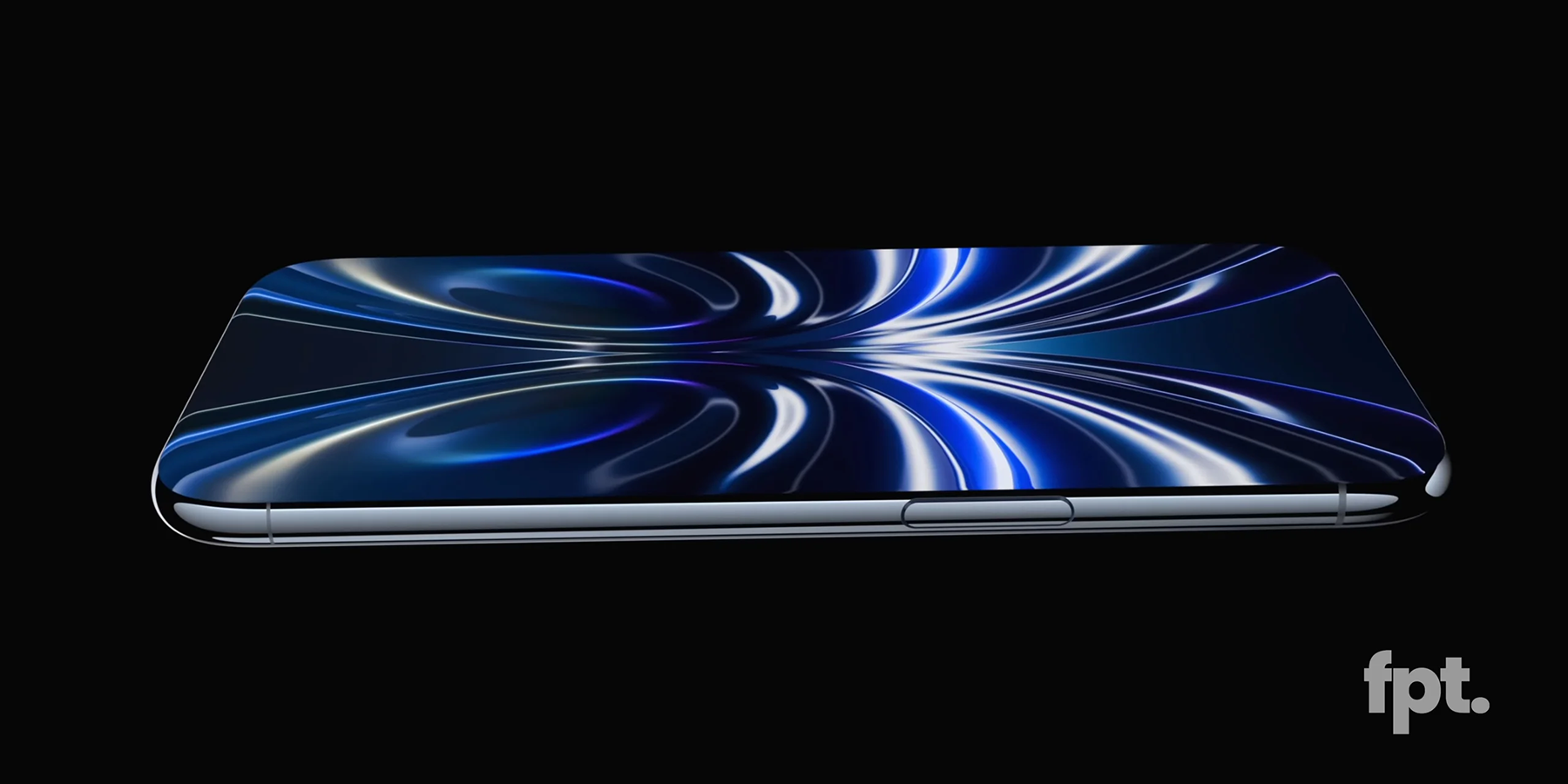
According to rumors, the 20th anniversary iPhone will be the first to use a curved screen on all four edges. The bezels will almost completely disappear, giving the impression that the front is left with only the display.

The Liquid Glass design language on iOS is also expected to be optimized to blend the software interface with the hardware, providing a more seamless and realistic feel.
Although the device isn't actually a complete piece of glass, the visual experience the user sees will be very similar.
Rumors about Apple eliminating physical buttons have been circulating for years, but it could become a reality by 2027.
Apple is reportedly going to use a force-sensitive button integrated directly into the edge of the device's glass. When the user presses it, the Taptic Engine's vibration feedback system will create a sensation similar to pressing a real button, much like how the Home button on the iPhone 7 worked.
This design not only gives the iPhone a more futuristic look but also eliminates mechanical gaps, where dirt often accumulates and reduces water resistance over time.
The changes to the 2027 iPhone may not be limited to just the curved design and force-sensitive buttons. Apple is also reportedly developing thinner, brighter, and more energy-efficient OLED panels.
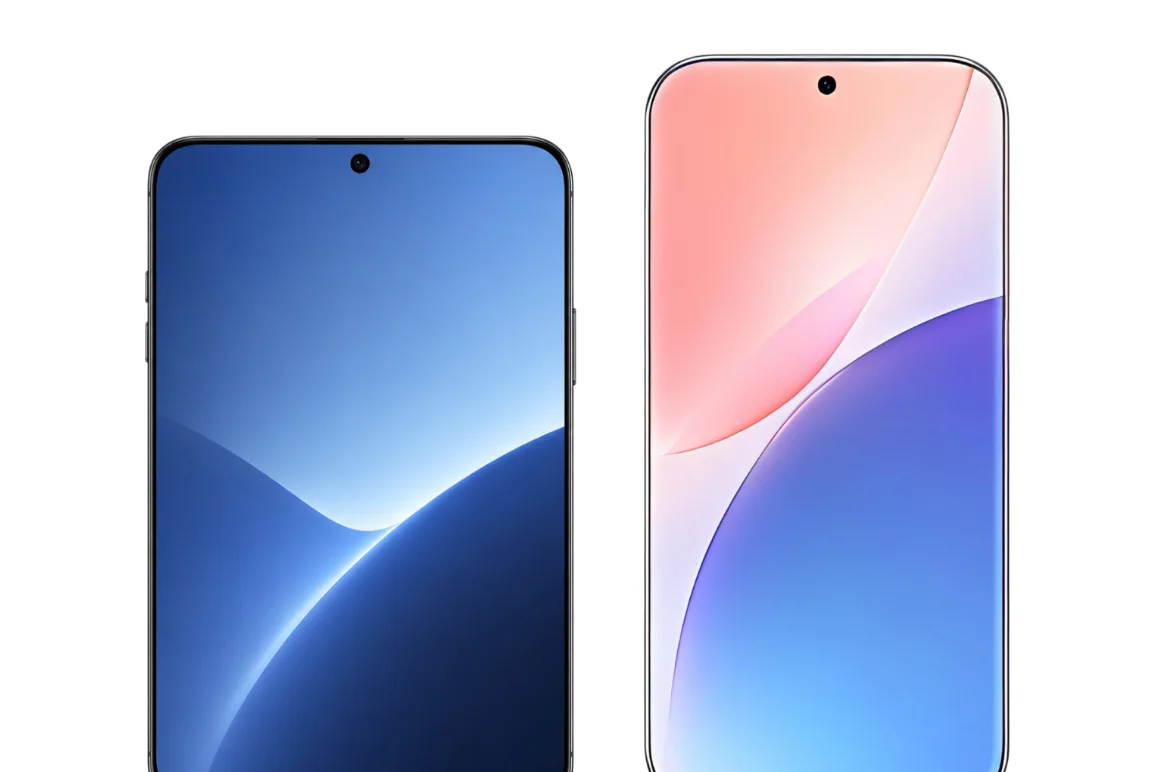
More importantly, the notch on the screen could disappear completely. Apple is reportedly looking to put both Face ID and the selfie camera under the screen. If successful, this would be the first time the iPhone has a truly "continuous" display.
If the technology isn't perfected in time, Apple could scale Dynamic Island down to a minimum instead of removing it entirely.
Regardless of the approach, the ultimate goal remains to create an iPhone with a more seamless display experience than any previous generation.
Larger battery and a new level of camera.
Battery life has always been a top concern for smartphone users. Currently, the iPhone Pro Max boasts the largest battery in iPhone history, but Apple is reportedly looking to go even further.
The 2027 iPhone model could have a battery capacity of around 6,000 mAh, an extremely large number by Apple's standards. Simultaneously, the company is also researching silicon-anode battery technology, which helps extend battery life without significantly increasing battery size.
More notably, Apple may finally bring reverse wireless charging to the iPhone. This would allow users to place accessories like AirPods Pro on the back of the phone to charge them directly, similar to what high-end Android smartphones have been doing for years.
Apple has long invested heavily in iPhone cameras, particularly in video recording and image processing for social media.
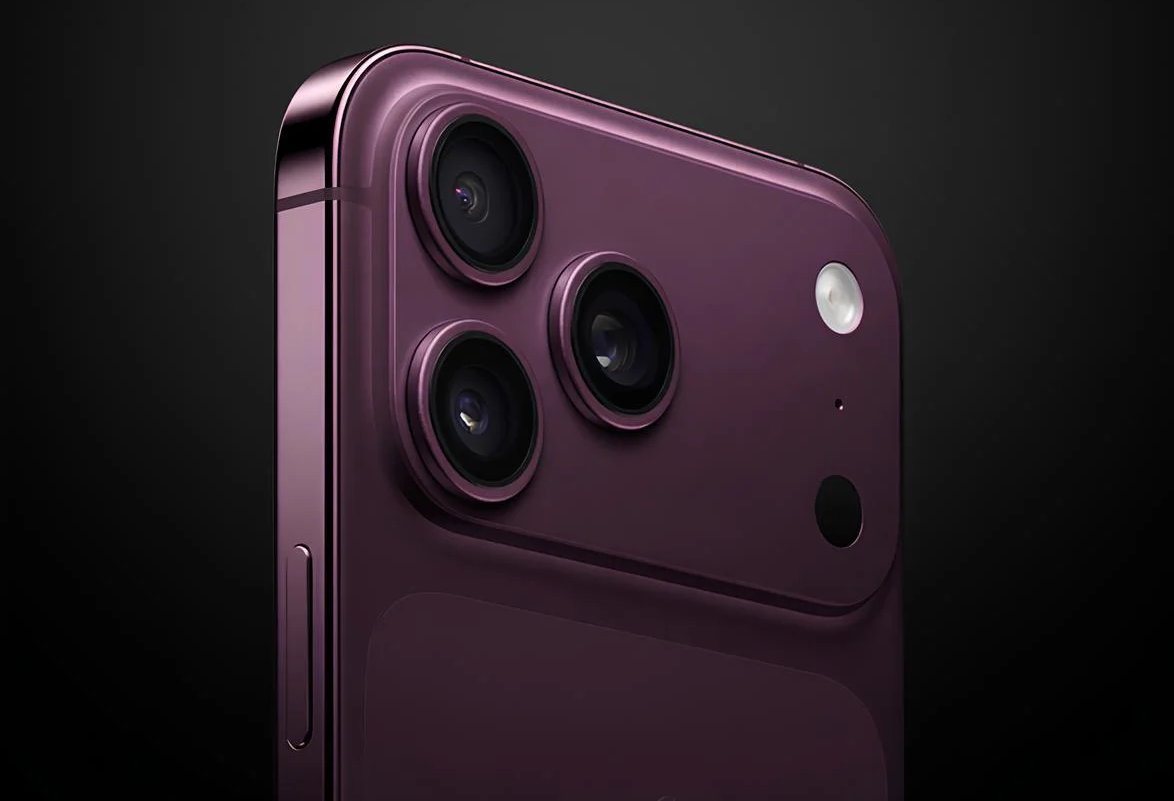
With the 20th anniversary iPhone model, the company is expected to introduce its proprietary LOFIC sensor. This technology allows each pixel to store a different amount of light within the same image, significantly improving HDR capabilities.
As a result, overexposed areas are less likely to be blown out, while underexposed areas retain more detail. Photos taken with an iPhone therefore have significantly better natural light balance and depth.
If this technology performs as expected, the iPhone camera could further solidify its leading position in mobile photography.
2nm chips and AI will be the new focus.
Naturally, the 2027 iPhone will be equipped with a more powerful processor. Most likely, that will be the A21 Pro chip, manufactured using Apple's second-generation 2nm process.
Notably, Apple may integrate HBM (High Bandwidth Memory) technology.
This is a type of high-bandwidth memory commonly found in high-end AI GPUs, which speeds up data transfer between the CPU, GPU, and RAM.
HBM is particularly useful for AI tasks running directly on the device, enabling faster processing while consuming less battery power.
Additionally, Apple is also expected to complete the transition to its own proprietary modem instead of Qualcomm's. This will not only optimize performance but also improve battery life and connectivity.
The selling price may not be as exorbitant as feared.
With a host of major upgrades, many believe the 20th-anniversary iPhone will be extremely expensive. However, the latest rumors suggest Apple may keep the device in the Pro line instead of creating a new ultra-premium segment.
This means that the selling price may increase, but it won't rise as sharply as many had previously predicted.
With Apple's first foldable iPhone expected to cost around $2,000, the company likely wants to maintain a clear separation between its product lines to avoid overlapping market segments.
If you're using an older iPhone model like the iPhone 13 or iPhone 14, upgrading to the iPhone 17 Pro Max or iPhone 18 Pro Max will still make a big difference.
But for those using recent Pro models, the 2027 generation of iPhones could truly be the revolutionary change worth waiting for.
(According to Forbes, PhoneArena, MacRumors)
Source: https://vietnamnet.vn/iphone-18-pro-max-sap-ra-mat-nhung-day-la-ly-do-nen-cho-iphone-2027-2520554.html


![[Photo] Ba Lang An Lighthouse - the "eye of the sea" amidst the "rock museum" of Quang Ngai province.](https://vphoto.vietnam.vn/thumb/1200x675/vietnam/resource/IMAGE/2026/05/29/1780038698840_anh-man-hinh-2026-05-29-luc-14-10-42.png)

![[Image] Pleasant weather helps students enter the 10th grade entrance exam with confidence.](https://vphoto.vietnam.vn/thumb/1200x675/vietnam/resource/IMAGE/2026/05/29/1780034401612_ngay-1-thi-lop-10-minh-duy-8-5009-jpg.webp)


































































































Comment (0)