

A new study suggests that consuming more fruits and vegetables rich in natural antioxidants may help mitigate the harmful effects of microplastics on the body, according to News Max Health.

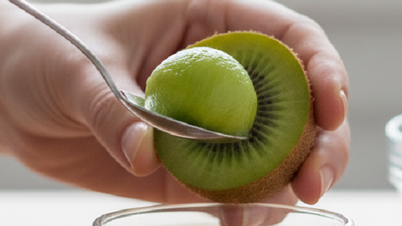
Eating plenty of fruits, nuts, and vegetables is a good way to protect your body - Photo: FREEPIK
Researchers from the Finland-China Food and Health Network have published their findings on how anthocyanins, a type of flavonoid with antioxidant properties, can combat oxidative stress caused by microplastic particles.
The link between eating fruit and microplastics
Anthocyanins are pigments that give many fruits and vegetables their red, purple, and blue colors. They are found in foods such as blueberries, raspberries, and eggplant. These compounds have been shown to possess strong antioxidant properties, helping to protect cells from damage and support overall health.
According to The Guardian , anthocyanins may protect the body against many negative effects caused by microplastics, including reduced testosterone and estrogen levels, decreased sperm count and quality, erectile dysfunction, and ovarian damage.
Microplastics are everywhere. These particles are so small that they can pass through water filtration systems, eventually entering the oceans and other water sources, becoming a common form of environmental pollution.
A promising discovery.
In the study, scientists found that male mice exposed to microplastics but treated with anthocyanins showed an increase in sperm count and motility.
In female mice, anthocyanins help protect hormone receptors from the effects of chemicals, while maintaining estrogen and other hormone levels in balance.
Although further studies on humans are needed, scientists believe this finding is very promising in the effort to find ways to combat the effects of microplastics.
In the meantime, eating plenty of fruits, nuts, and vegetables is a good way to protect your body from damage caused by microplastics.
Microplastics can contain up to 16,000 different chemicals, many of which are toxic, including BPA, phthalates, and PFAS – also known as "permanent chemicals" because they persist in the environment for a very long time.
Microplastics also have the ability to absorb toxic chemicals from the surrounding environment, then enter the human body through the digestive tract, causing many health problems.
Some studies indicate that microplastics may disrupt hormone function in humans, leading to reproductive health problems such as reduced fertility, decreased sperm quality, and hormonal imbalances.
In the reproductive system, microplastics have been found in the testes and semen of men. In women, they appear in the placenta, breast milk, and even the fetus.
Source: https://tuoitre.vn/muon-giam-tac-hai-cua-vi-nhua-hay-an-trai-cay-va-rau-cu-20250227203121628.htm




























































































Comment (0)