

.
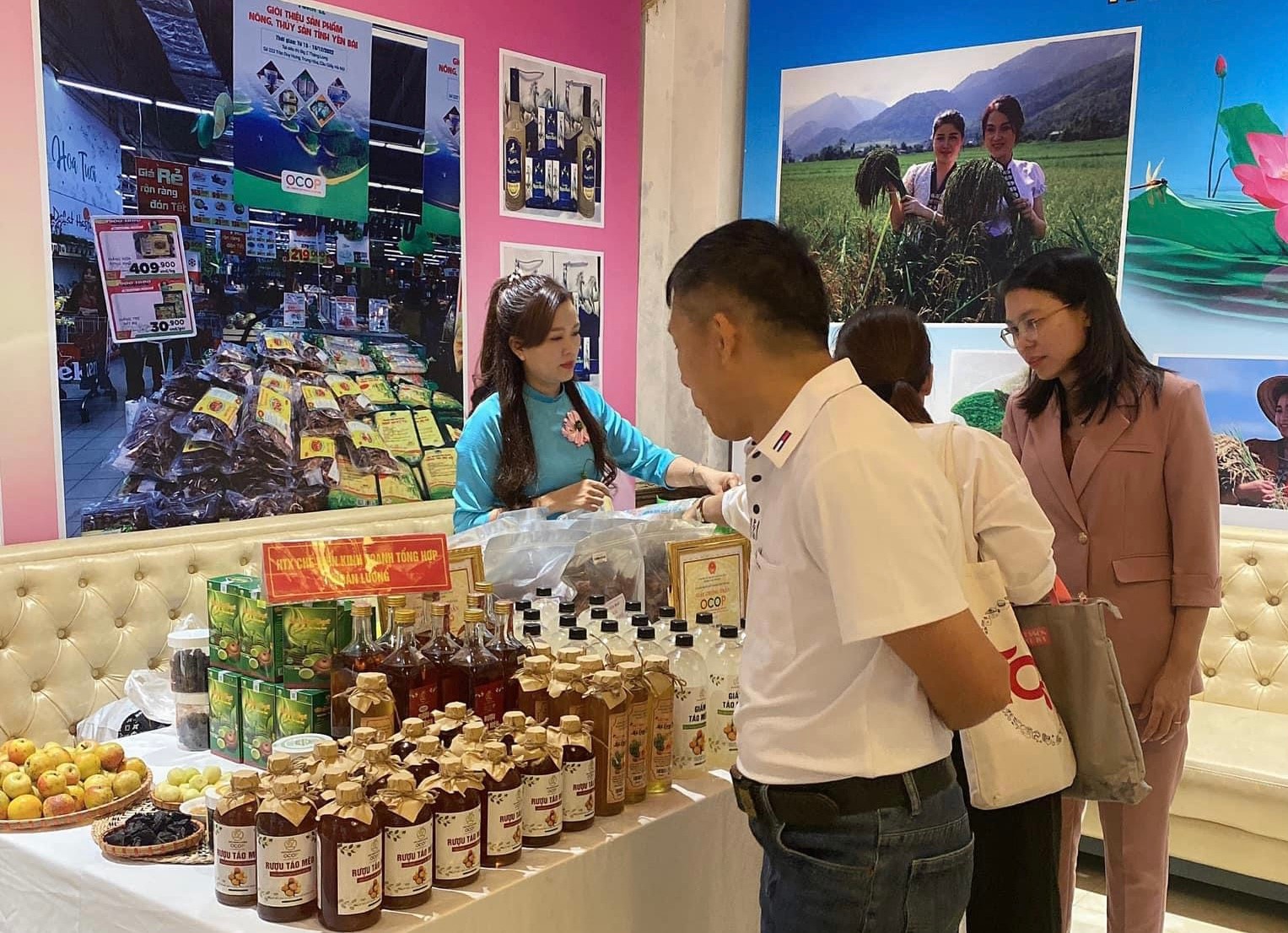
Products derived from hawthorn berries are attracting attention and are participating in trade promotion programs.
Hawthorn, also known as wild apple, grows naturally in forests and interspersed with natural forest areas on high mountain peaks in the Tram Tau and Mu Cang Chai districts of Lao Cai province. This native tree has a strong vitality and can be planted in nutrient-poor soil and on steep hillsides, helping to prevent soil erosion and landslides, especially during the rainy season. It contributes to greening barren land and hills while also providing economic benefits.
Therefore, for many years, communes in this area have encouraged and mobilized people to plant, care for, protect, and expand the cultivation of hawthorn trees – considering it a sustainable poverty reduction crop. People receive support in the form of seedlings, labor for planting and caring for supplementary forests, and are entitled to all the products when the trees bear fruit; they also receive payment for forest protection; and they receive training and technology transfer for forest enrichment and other services.
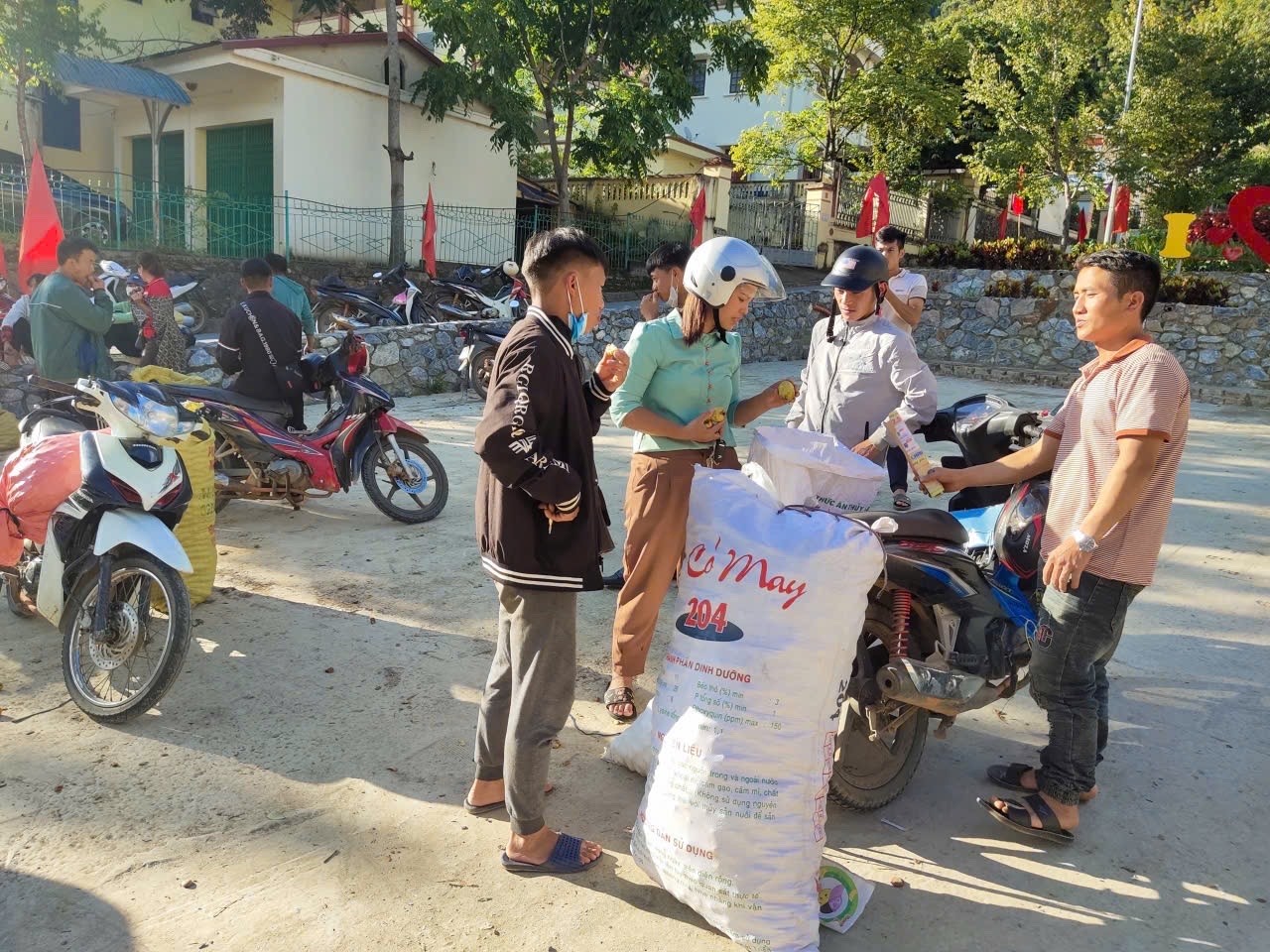
In return, the people committed to protecting and caring for the planted forests according to regulations. As a result, the hawthorn tree has now developed into a 10,000-hectare specialty commodity area, of which about 50% is already yielding harvests, with a production of over 7,000 tons per year and revenue reaching nearly 40 billion VND annually. Mr. Sung Thanh Cong, Chairman of the People's Committee of Nam Co commune, shared:
Over the years, hawthorn trees have brought economic benefits, contributing to a reduction in the multidimensional poverty rate of the commune by an average of 8% per year, and in 2024 alone, a reduction of up to 10.57%. The commune has established a raw material area of over 1,400 hectares of hawthorn; of which, about 300 hectares are already producing fruit, with an average yield of 1.5 - 2 tons/ha. The locality hopes that the province will continue to support and link businesses and processing facilities to purchase hawthorn at stable prices so that people can produce with peace of mind and escape poverty sustainably.
The period from August to October each year is the hawthorn harvesting season. Local authorities are actively encouraging people not to harvest excessively, but to sell only the necessary amount to the market each day, preventing traders from manipulating prices.
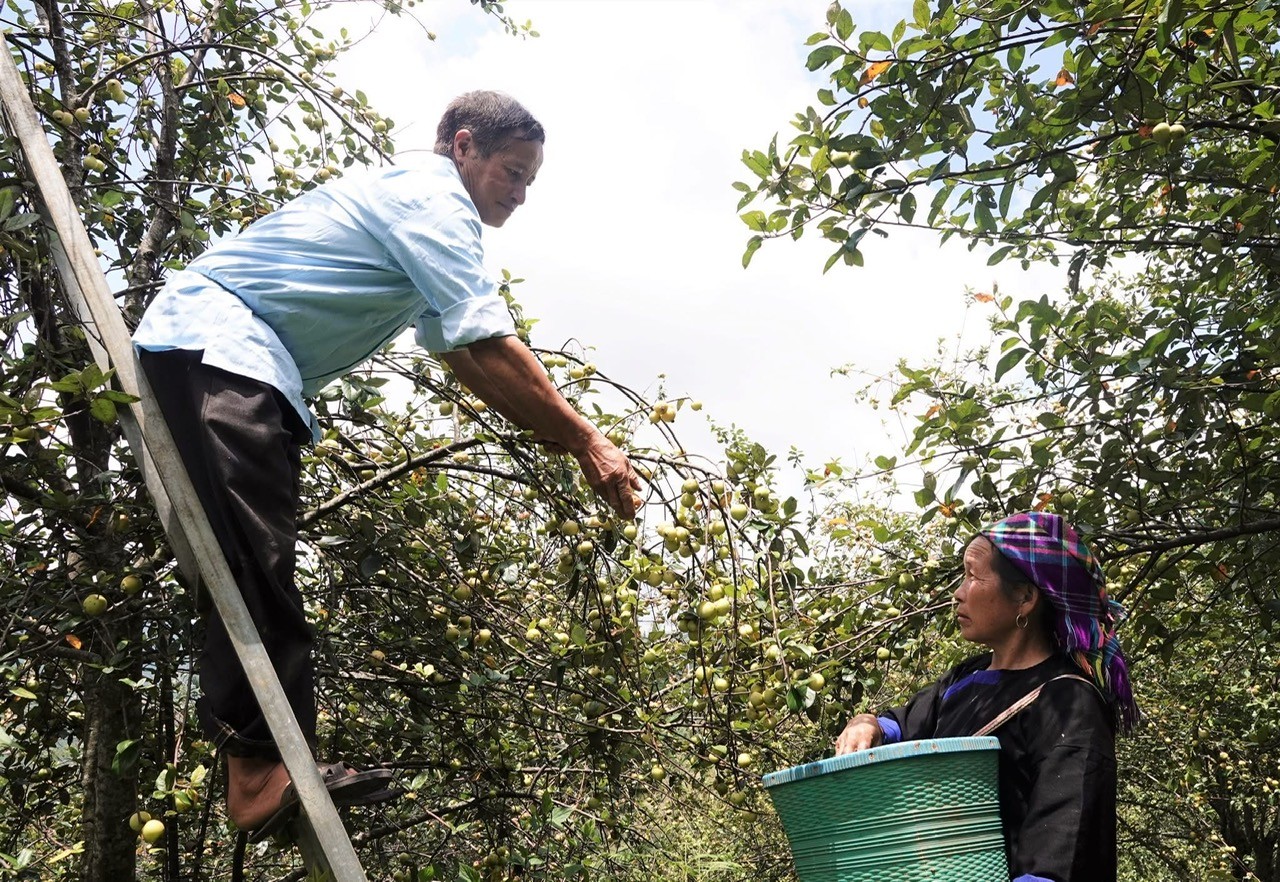
People in Mu Cang Chai harvest hawthorn berries.
From early morning, the family of Ms. Sung Thi Bla in Trong Khua village, Lao Chai commune, diligently pre-prunes ripe, beautifully shaped hawthorn berries according to orders. From the trees, the ripe, golden hawthorn berries are carefully picked, placed in baskets, and then transported to the market or collection points.
Ms. Sung Thi Bla shared: "At the beginning of the season, we can sell at a better price. The whole family takes advantage of getting up early, going to the fields, and carefully selecting each fruit to sell to traders. Currently, hawthorn fruit is being purchased at 8,000 - 10,000 VND/kg, while during the peak season it only fetches 4,000 - 6,000 VND/kg. Although the price isn't high yet, every year our family harvests about 3-4 tons of fruit, earning about 20 million VND/year, which is higher than growing rice or corn because we don't incur costs for seeds, materials, or care. Every year, as long as we prevent livestock from damaging the fruit, prevent petty theft, and avoid fires, planting hawthorn once can yield a long-term harvest."
In Lao Chai commune today, even those who grow a small amount of hawthorn fruit earn around ten million dong, while those who grow a lot can earn tens of millions of dong. Compared to urban areas, this income is still low; however, for each Hmong family, after a year of labor and production, even if the income is less than 10 million dong, it is still a considerable source of income. Selling hawthorn fruit helps families pay for their children's schooling, buy breeding buffaloes and cows to develop their economy, and so on.
Beyond selling fresh fruit, hawthorn is processed into various products such as hawthorn wine, dried hawthorn, jam, candied hawthorn, vinegar, tea, candy, pickled hawthorn, etc., which are exported nationwide by production facilities in the province, increasing the value of this distinctive agricultural product.
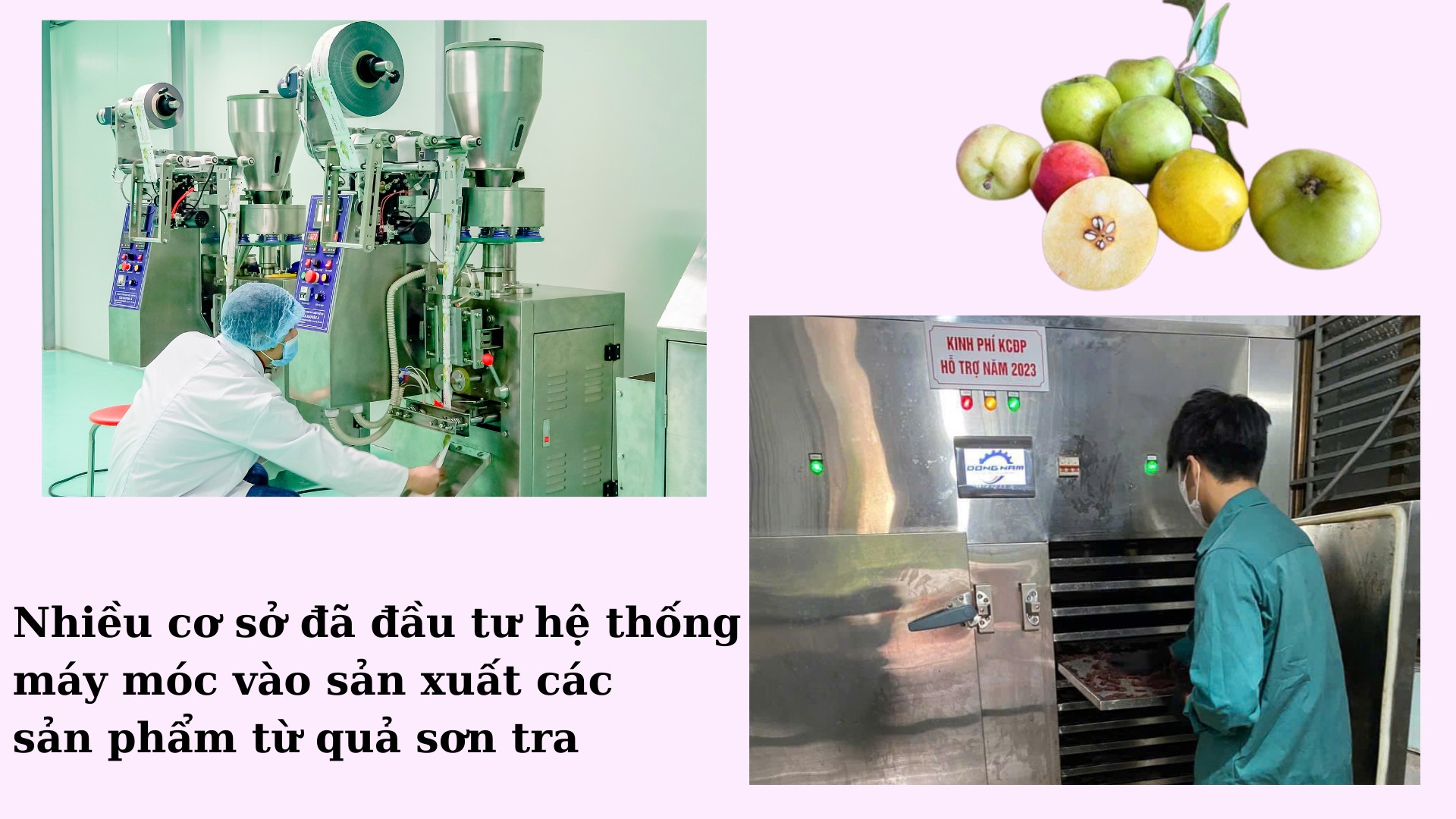
In particular, many businesses, cooperatives, and household businesses in the province have researched and invested in machinery and processing technology to produce hawthorn berries not only as raw products but also packaged, labeled with logos and tags, and certified to quality standards.
Ms. Doan Thi Luong, Director of Doan Luong Processing and General Trading Cooperative in Yen Bai ward, shared: "Hawthorn fruit has a sour, astringent taste and is not very sweet, so not everyone likes it. Therefore, we have researched and combined spices to create new products that suit consumer tastes. For example, our jam and candied fruit products incorporate appropriate amounts of sugar, salt, and ginger to preserve the original flavor; we adjust the temperature and time during simmering or drying to create a chewy texture and a rich, nutty taste. To date, we have launched four products (candied fruit, jam, wine, and vinegar) on the market, which have been well-received by consumers. Three of these four products have been recognized as 3-star OCOP products."
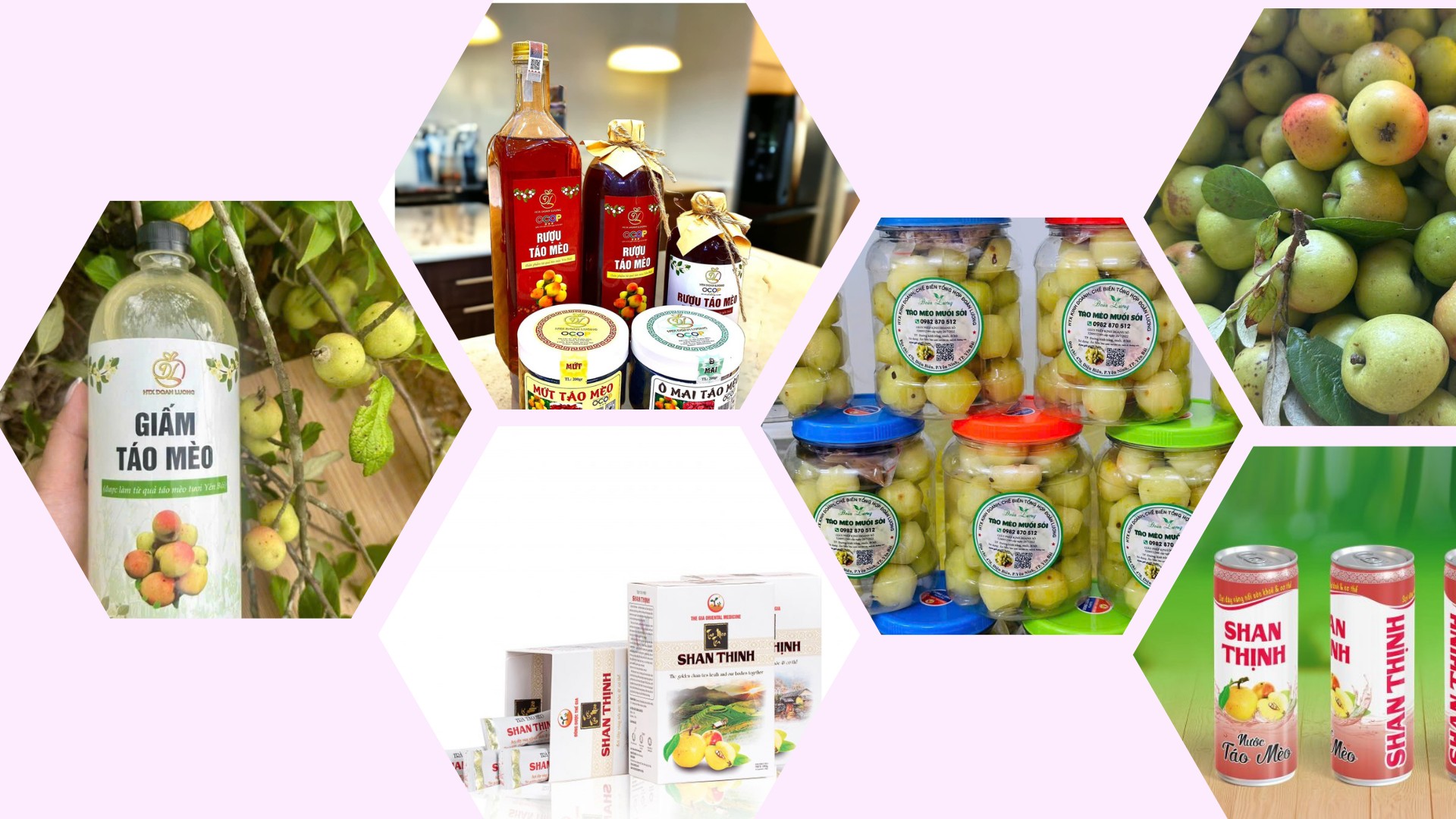
The The Gia Traditional Medicine and Herbal Products Manufacturing Company Limited has also invested in a modern, automated production line to process a variety of products from hawthorn fruit, such as: powdered Shan Thinh hawthorn tea, canned hawthorn juice, hawthorn candy, and hawthorn juice with fruit jelly. The products meet the food safety and hygiene standards of the Ministry of Health and European export standards, and have been certified as 4-star OCOP products by the province. Currently, the company has also signed an exclusive distribution contract with Hai Ha Confectionery Company, expanding its product reach to markets in the southern provinces.
The hawthorn harvest season is approaching. This fruit, with its distinctive sour and astringent taste, has brought prosperity to growers, becoming a source of many high-quality, branded specialty products, contributing to local economic development and affirming the position of Lao Cai agricultural products in the market.
Source: https://baolaocai.vn/no-am-son-tra-post879889.html













































![[Workers' Month 2026] Spreading love on the Vinh - Dong Hoi frontline: Nearly 1 billion VND spent on caring for the lives of workers.](https://vphoto.vietnam.vn/thumb/402x226/vietnam/resource/IMAGE/2026/05/20/1779237885217_img_8650.jpeg)








































Comment (0)