

 |
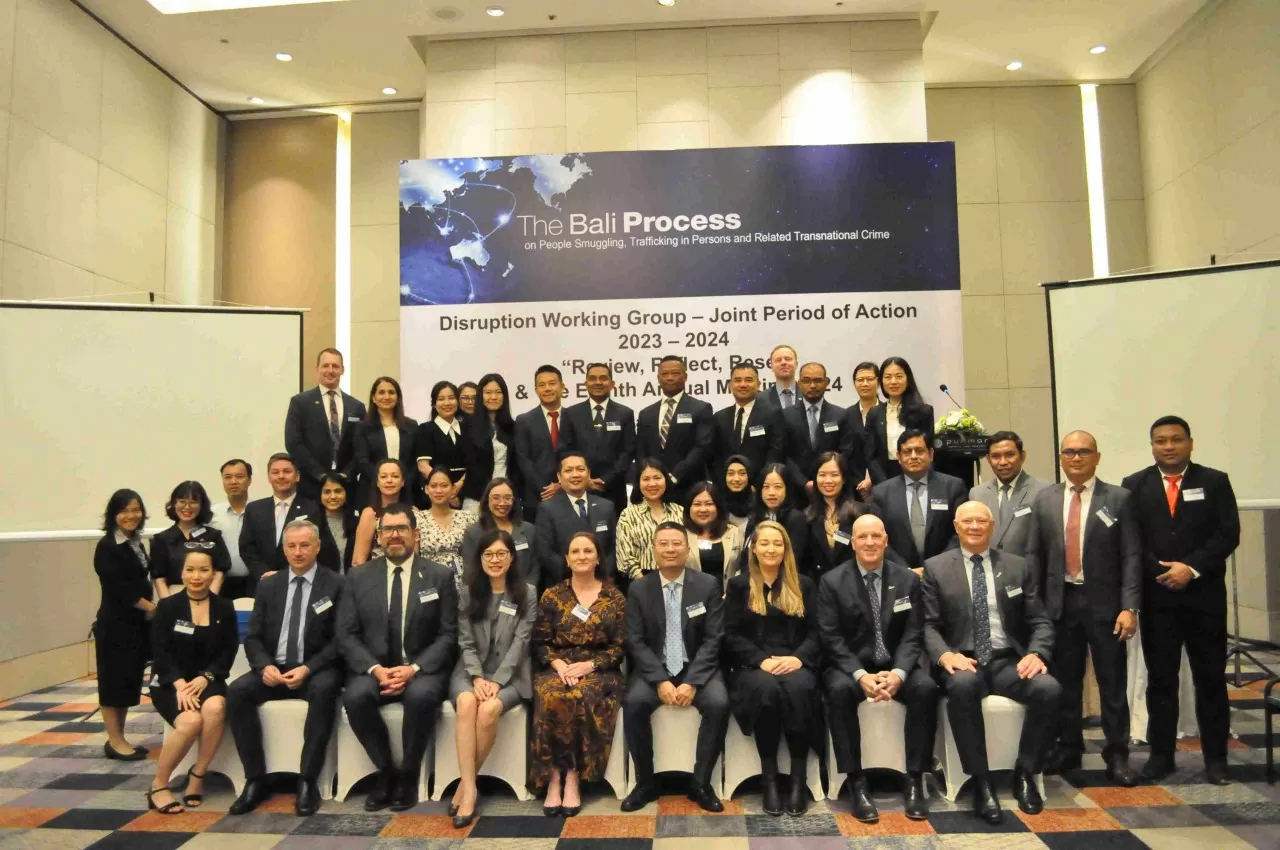
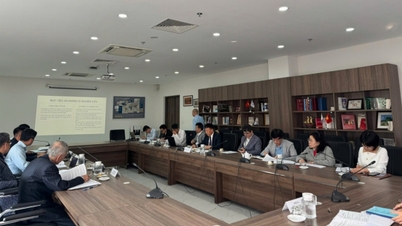
| Delegates attending the 2023-2024 Joint Action Phase Meeting and the Annual Meeting of the Working Group on Dismantling Migrant Smuggling and Trafficking Networks within the framework of the Bali Process. (Photo: Xuan Son) |
Within the framework of the 2023-2024 Joint Action Plan meeting and the annual meeting of the Working Group on Dismantling Networks of Irregular Migration and Trafficking in Persons under the Bali Process on Combating Irregular Migration, Trafficking in Persons and Related Transnational Crimes, held over three days from July 16-18 in Hanoi , delegates emphasized the importance of international cooperation in protecting migrants and promoting a more effective Bali Process. They also acknowledged Vietnam's concrete efforts, from policy to practice, in protecting migrants.
The Bali Process, established in 2002, is a voluntary and non-binding regional consultation process co-chaired by the Governments of Australia and Indonesia, involving more than 45 member countries and organizations. Vietnam joined the Bali Process in February 2002.
Among multilateral migration processes, the Bali Process is recognized as a successful model of regional cooperation in combating irregular migration and human trafficking. Throughout its development, the Bali Process has established numerous cooperation mechanisms, including the Working Group (established in 2009) to develop and promote practical measures to enhance cooperation in addressing irregular migration, human trafficking, and transnational crime.
Migration is a choice.
At the meeting, Ms. Phan Thi Minh Giang, Deputy Director of the Consular Department, Ministry of Foreign Affairs , shared an approach to the migration cycle. Ms. Giang emphasized that when considering migration within its entire cycle, vulnerability can occur at any stage of the migration process. Therefore, to minimize the vulnerability of migrants and ensure timely protection of their rights, it is crucial to act at all stages.
Ms. Giang said: “Before migration, we need to encourage safe and informed migration, and/or prevent violence, exploitation, or abuse of migrants by identifying factors that drive migration and risk factors that may exacerbate vulnerability during migration and seeking solutions to mitigate those risks.”
According to the Deputy Director of the Consular Department, migration is a choice, not a necessity. Potential migrants need to be well-prepared before leaving their homeland, knowing what awaits them, how to identify risks, and how to protect themselves from those risks.
During migration, measures to protect vulnerable migrants include identifying and mitigating risks and providing timely support, especially in emergencies such as pandemics, natural disasters, and human trafficking.
After migration, sustainable reintegration support is needed for migrants to address any resulting trauma.
Each country involved in the migration process has a responsibility to prevent the exploitation of migrants, as this not only harms the migrants themselves but also damages the country's reputation and image.
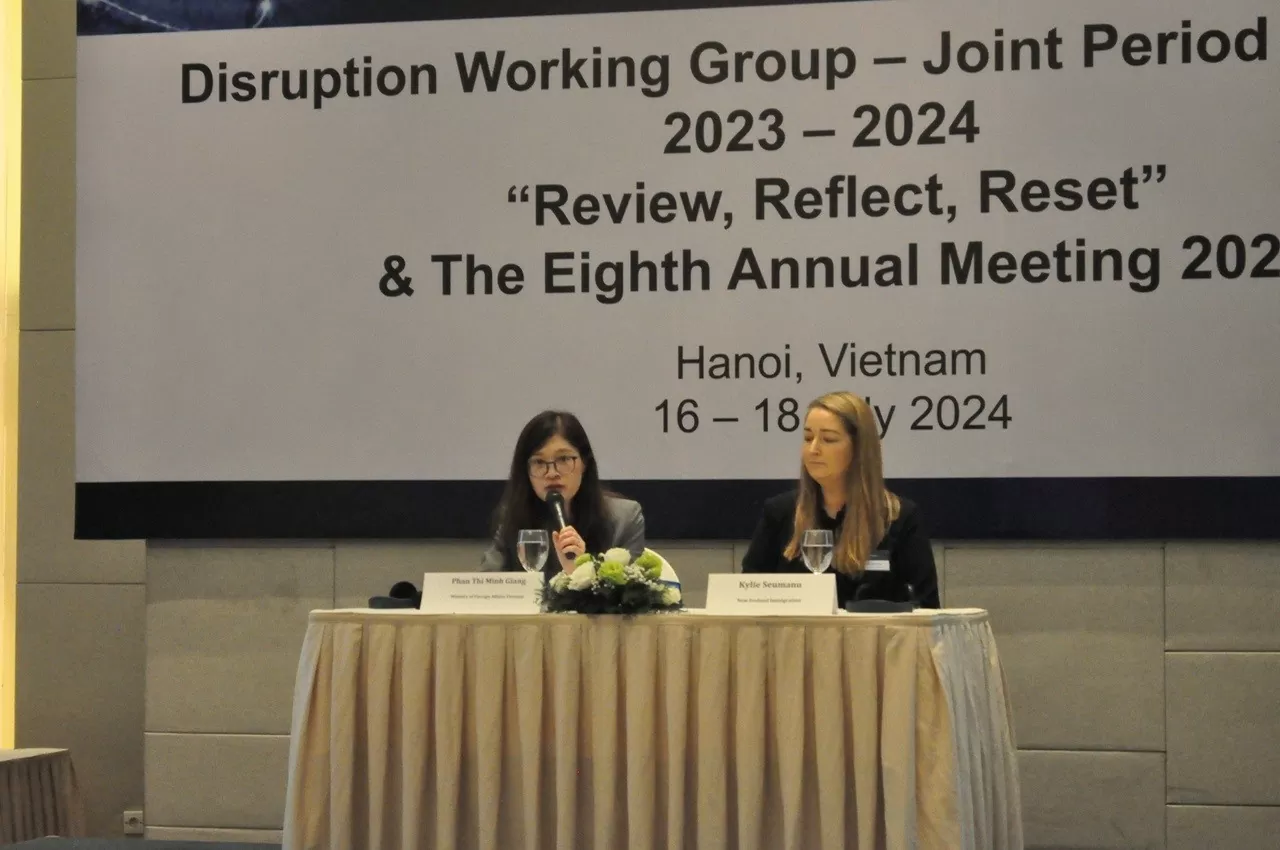 |
| Deputy Director of the Consular Department Phan Thi Minh Giang speaks at the meeting. (Photo: Xuan Son) |
650,000 Vietnamese workers abroad
At the event, Ms. Giang shared an overview of Vietnam's migration landscape, as well as Vietnam's efforts to combat illegal migration and protect vulnerable groups during migration.
In Vietnam, there are many types of migration, with labor migration being the main one. However, within this category, there are many ways to go abroad for work: through service businesses, individuals, organizations investing abroad, or through working-holiday programs. In addition, there is also a segment of people who cross the border to work or stay abroad to find employment after their tourist trips.
Currently, there are approximately 650,000 Vietnamese workers employed abroad under contract in 40 countries and territories worldwide, with female workers accounting for over 30% to 40%.
In 2023 alone, 159,986 people (55,804 women) went to work abroad under this scheme. The main markets receiving Vietnamese workers include Japan, Taiwan (China), and South Korea. In addition, there is a segment of workers who go abroad spontaneously in border areas or through tourism. Remittances sent back to Vietnam annually by Vietnamese workers abroad are estimated at approximately US$4 billion.
According to Phan Thi Minh Giang, Deputy Director of the Consular Department, Vietnamese workers may face various difficulties and risks while working abroad, depending on the form of overseas employment and the type of work.
In particular, the recent incidents of citizens being lured into working at fraudulent online establishments in Southeast Asia with the aim of forcing them to commit illegal acts demonstrate that these risks have become a serious problem. The legitimate rights and interests of citizens are severely violated, with many becoming victims of various crimes, especially cybercrime, or becoming victims of human trafficking.
According to preliminary data compiled by the Consular Department of the Ministry of Foreign Affairs, from 2021 to the present, approximately 4,000 Vietnamese citizens have been rescued, assisted, and brought back to Vietnam by Vietnamese representative agencies abroad; some cases have been identified as victims of human trafficking.
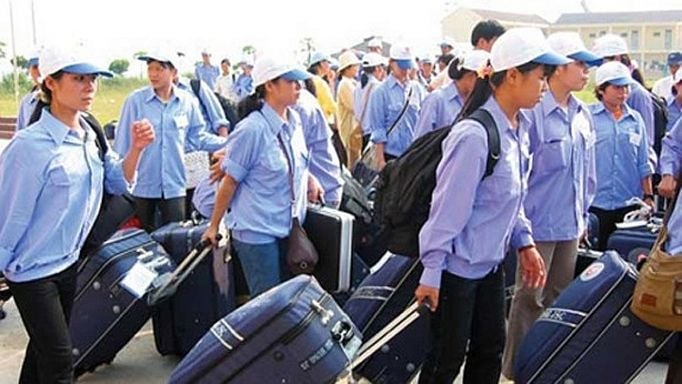 |
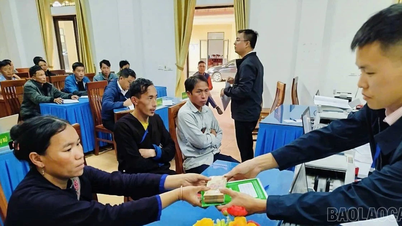
| Currently, there are approximately 650,000 Vietnamese workers employed abroad. (Source: VGP) |
Protect and respect migrants.
Regarding Vietnam's efforts to prevent exploitation and protect migrants, the Deputy Director of the Consular Department stated that, in recent times, Vietnam has made many efforts to strengthen migration management and protect Vietnamese citizens migrating abroad, including preventing the exploitation of migrants.
Specifically, firstly , Vietnam has developed and implemented the United Nations Global Compact for Safe, Orderly and Regular Migration (GCM Agreement). On March 20, 2020, the Prime Minister signed Decision No. 402/QD-TTg promulgating the Plan for implementing the GCM Agreement.
The plan aims to create a transparent and accessible migration environment that respects the dignity of migrants, protects their legitimate rights and interests, especially those of vulnerable groups, women, and children.
Secondly , Vietnam drafted and promulgated the Law on Vietnamese Workers Working Abroad under Contract in 2020.
Vietnam passed the Law on Vietnamese Workers Working Abroad under Contract on November 13, 2020, which came into effect on January 1, 2022, replacing Law No. 72/2006/QH11 dated November 29, 2006.
The law has added prohibited acts including: enticing, luring, promising, advertising, providing false information or using other deceptive tactics to defraud workers; exploiting overseas labor export activities to organize illegal emigration, human trafficking, exploitation, forced labor or other illegal acts; strictly prohibiting discrimination; insulting the honor and dignity of workers…
In addition, to proactively protect the rights of workers, the Law stipulates that Vietnamese citizens who enter into labor contracts abroad can register online with the competent state management agency of Vietnam to receive support when problems arise in labor relations overseas and to benefit from the Overseas Employment Support Fund.
Workers who are abused or threatened also have the right to unilaterally terminate their contracts; they are entitled to counseling and support in finding employment and starting businesses after returning home, and access to voluntary psychosocial counseling services.
Thirdly , Vietnam is developing a revised Law on Prevention and Combat of Human Trafficking with three main groups of solutions: improving regulations on the criteria for identifying victims; regulating the support regime for those in the process of identifying victims; and enhancing the support and protection regime and policies for victims.
The Law on Prevention and Combat of Human Trafficking (amended) is a step forward in Vietnam's legislative activities in general and in the field of preventing and combating human trafficking in particular, creating a favorable legal basis for functional agencies in the fight against human trafficking.
To minimize the vulnerability of migrants, according to Deputy Director of the Consular Department Phan Thi Minh Giang, countries need to: Review policies and practices to ensure they do not create or exacerbate the vulnerability of migrants; strengthen cooperation to provide for migrants in vulnerable situations, regardless of their migration status, especially for women, children, the elderly, and victims of trafficking; and implement support measures for migrants in crisis situations.
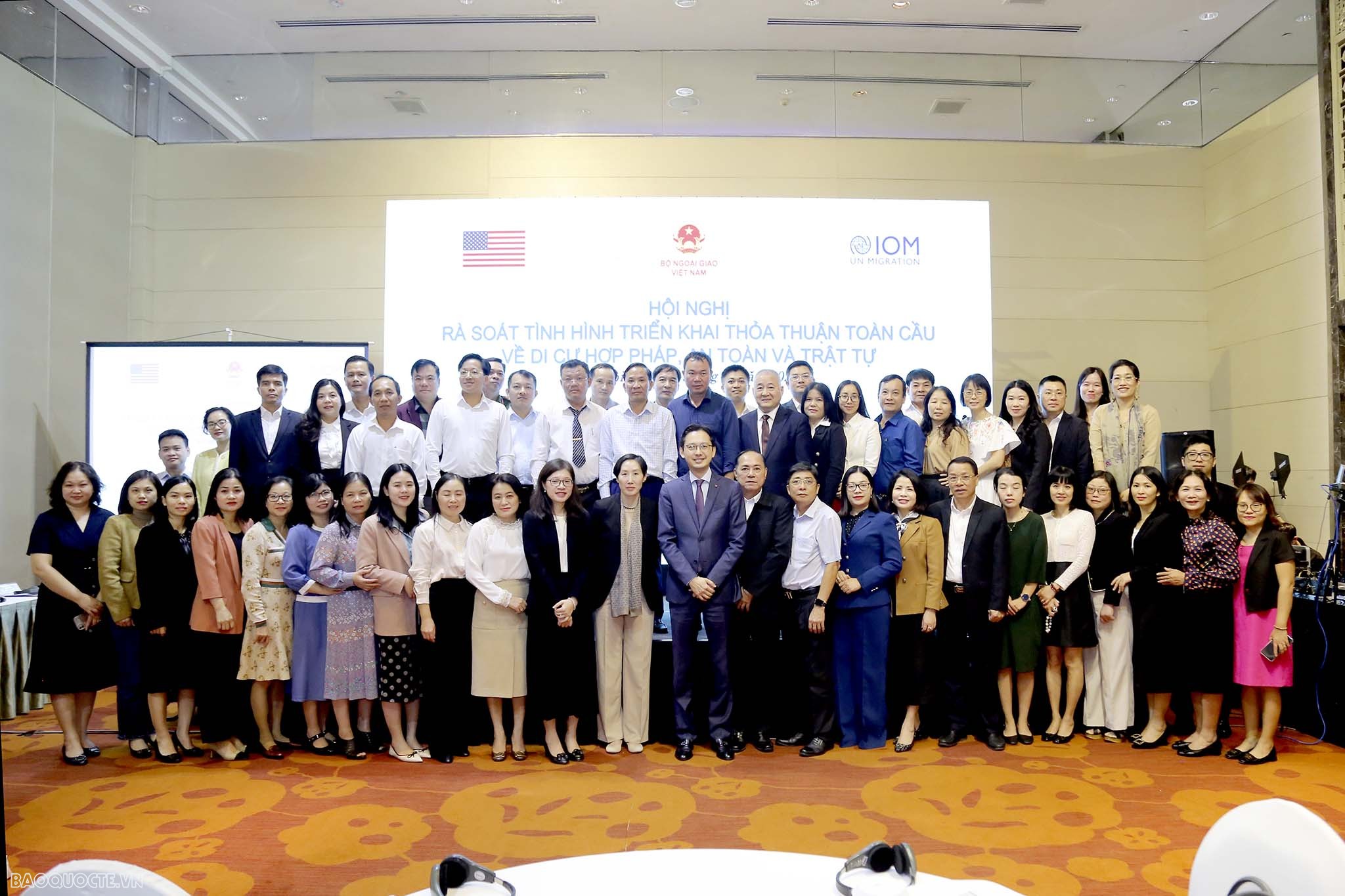 |
| Conference reviewing the implementation of the global agreement on legal, safe and orderly migration, December 2023. (Photo: Quang Hoa) |
Collaboration is key.
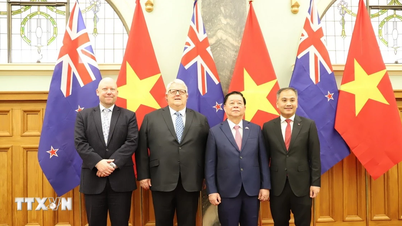
Within the framework of the Conference, New Zealand Ambassador to Vietnam Beresford highly appreciated Vietnam's efforts in preventing exploitation and protecting migrants, as well as Vietnam's active participation in international cooperation in this field. At the same time, the Ambassador affirmed New Zealand's readiness to cooperate with Vietnam in developing and implementing strategies to respond to illegal migration and human trafficking.
Having been directly involved in New Zealand-Vietnam cooperation activities in the field of migration over the past 12 months, Ben Quinn, the liaison officer on illegal migration at the New Zealand Immigration Service, shared his impressions of Vietnam's efforts to combat illegal migration and human trafficking with reporters on the sidelines of the conference.
Ben Quinn emphasized: “We are very pleased with how New Zealand and Vietnam have cooperated over the past 12 months to combat illegal migration and human trafficking.”
Expressing his admiration for the steps Vietnam has taken to address illegal migration, he also hoped that cooperation between the two countries would contribute to solving the common problem of migration.
Representatives from the New Zealand Immigration Service emphasized the importance of information sharing and bilateral and multilateral cooperation in dismantling networks involved in illegal migration, human trafficking, and transnational crime.
He said, “Cooperation between countries is crucial in combating illegal migration and human trafficking. Countries cannot fight these crimes alone when the movement of people is international.”
During the meeting, Mr. Carl Knight from the New Zealand Immigration Department shared some practices regarding Vietnamese workers in New Zealand. According to him, Vietnamese workers in New Zealand are facing serious problems such as debt, fraud, and labor exploitation, including many women and children. Currently, the New Zealand government is taking policy and communication approaches to protect migrants and raise awareness among them about various forms of transnational crime.
Bilateral and multilateral cooperation, the development of a common strategy and framework, and the promotion of the Bali Process to be stronger and more effective… were the main points emphasized by delegates in their presentations at the meeting, aiming to jointly address the challenging and complex issue of cross-border migration and create a safe and secure space for sustainable development.
Source: https://baoquocte.vn/phai-hanh-dong-trong-tat-ca-cac-giai-doan-cua-chu-trinh-di-cu-278827.html
![[Image] Central Party Office summarizes work in 2025](/_next/image?url=https%3A%2F%2Fvphoto.vietnam.vn%2Fthumb%2F1200x675%2Fvietnam%2Fresource%2FIMAGE%2F2025%2F12%2F18%2F1766065572073_vptw-hoi-nghi-tong-ket-89-1204-jpg.webp&w=3840&q=75)















































































Comment (0)