

- The Ministry of Health recommends measures to prevent rabies.
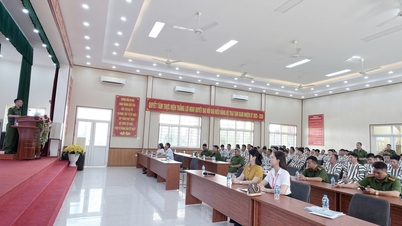
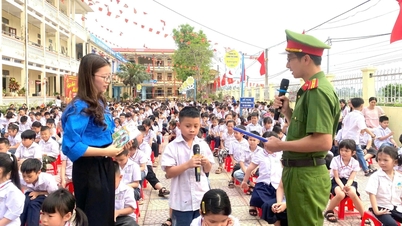
- Preparedness and prevention measures for children.
- Raising guppy fish helps prevent dengue fever.
On July 24, 2025, the Provincial Center for Disease Control received feedback from the Can Tho City Center for Disease Control regarding suspected cases of pertussis. The Provincial Center for Disease Control coordinated with the Hong Dan Regional Health Center and commune health stations to verify and investigate the cases. The first case involved a 3-month-old baby in Ninh Thanh Loi A commune. The baby began coughing and had a runny nose. The family self-medicated the baby, but the symptoms persisted. On June 30, 2025, the baby became weak, with a slight cough and wheezing, prompting a medical examination and admission to Can Tho Children's Hospital. The baby presented with paroxysmal coughing fits, wheezing, and pneumonia. The baby was treated for 18 days and discharged. Vaccination history monitoring revealed that the baby received a pertussis-containing vaccine in June 2025.

The second case involves a one-month-old boy from Hong Dan commune. His family stated, “On July 16, 2025, we took him to the Hong Dan Regional Health Center for examination and admission with symptoms of coughing, wheezing, reduced feeding, and rapid breathing. He was diagnosed with severe pneumonia. After three days of treatment, on July 20, 2025, we requested his discharge and arranged for him to receive further treatment at a higher-level facility.” The baby was not yet old enough to receive the pertussis-containing vaccine. The third case involves another one-month-old boy from Ninh Thanh Loi commune, who was also not yet old enough to receive the pertussis-containing vaccine.
In response to the epidemic situation, the Provincial Center for Disease Control has intensified its inspection and monitoring efforts and implemented measures to prevent and control the disease. Dr. Nguyen Quan Phu, Deputy Director of the Provincial Center for Disease Control, said: “We have assigned staff in charge of disease prevention and control to coordinate with the Health Center and Health Stations to compile a list of close contacts and instruct family members and close contacts to monitor their health for 3 weeks from the last contact with the infected person. We are implementing house cleaning, advising family members and close contacts to participate in vaccination services with vaccines containing pertussis components to prevent the disease. We are closely monitoring the disease situation in the managed area, especially the emergence of suspected pertussis cases, to respond promptly. We advise people that if they have symptoms suspected of pertussis such as: a cough lasting at least 2 weeks and at least one of the following symptoms: paroxysmal cough, a whistling sound like a rooster's crow, or vomiting immediately after coughing without a clear cause, they should go to the nearest medical facility for examination, consultation, and timely treatment.”
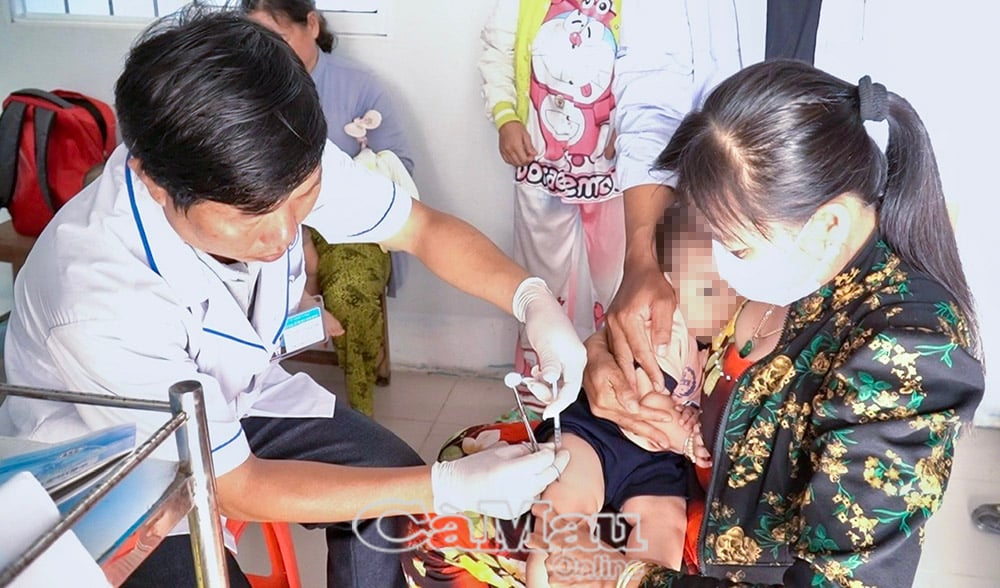
The health sector is continuing to strengthen surveillance and testing activities to detect early cases of pertussis, while thoroughly addressing newly emerging outbreaks. It is reviewing and organizing catch-up and supplementary vaccinations for those who have not been vaccinated or have not received a complete course of vaccination, especially during periods of vaccine supply disruptions. Communication about the risks of pertussis and preventive measures is being intensified among the public, such as hand hygiene, environmental sanitation, disinfection, and mask-wearing. Families are encouraged to have their children fully vaccinated according to schedule, and vaccination is promoted for pregnant women.
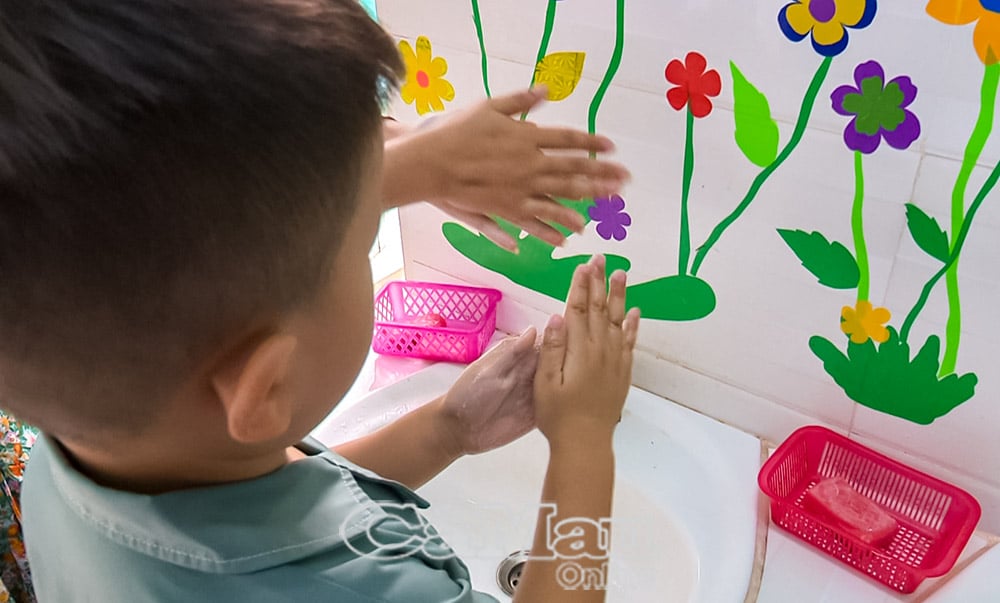
Instruct educational institutions, especially kindergartens, preschools, and nurseries, to implement disease prevention and control activities such as ensuring clean and well-ventilated classrooms with adequate lighting. Practice good personal hygiene, including frequent handwashing with soap and clean water. Closely monitor students' health, promptly identify suspected cases, and notify health facilities for timely coordinated treatment.
Pertussis, or whooping cough, is an acute respiratory infection characterized by severe coughing fits, excessive mucus and phlegm, and vomiting. The disease can progress to a severe stage, causing complications such as pneumonia and bronchitis, especially in young children who have not been vaccinated, those who have not received a full course of vaccination, and malnourished children. Pertussis is transmitted through the respiratory tract and nasal and throat secretions of infected individuals when they cough or sneeze. The disease is highly contagious in enclosed spaces such as homes and schools.
To proactively prevent whooping cough, the Provincial Center for Disease Control recommends that people take the following measures:
First: Take your child to get vaccinated with the pertussis component according to the correct schedule.
Secondly: Wash hands frequently with soap; cover mouth and nose when coughing or sneezing; maintain daily hygiene for children's bodies, noses, and throats.
Thirdly: Keep living spaces and classrooms clean, well-ventilated, and adequately lit.
Fourth: When there are signs of or suspicion of whooping cough, children must be kept home from school, isolated, and taken to a medical facility for timely guidance and treatment.
Minh Khang
Source: https://baocamau.vn/phong-benh-ho-ga-quay-tro-lai-a121249.html

![[Photo] The General Secretary, President and his wife begin their state visit to the Philippines.](https://vphoto.vietnam.vn/thumb/1200x675/vietnam/resource/IMAGE/2026/05/31/1780230559452_anh-man-hinh-2026-05-31-luc-19-28-11.png)
![[Photo] Admire the coral "masterpiece" amidst the million-year-old heritage of Dak Lak province.](https://vphoto.vietnam.vn/thumb/1200x675/vietnam/resource/IMAGE/2026/05/31/1780221235105_anh-man-hinh-2026-05-31-luc-16-53-27.png)
![[Image] Hanoi Police officially crowned champions of V-League 2025/2026](https://vphoto.vietnam.vn/thumb/1200x675/vietnam/resource/IMAGE/2026/05/31/1780244769054_ndo_br_039d561b692be875b13a-jpg.webp)

![[Photo] Solemn bathing ceremony and Buddha procession in Hue](https://vphoto.vietnam.vn/thumb/1200x675/vietnam/resource/IMAGE/2026/05/31/1780228263543_1-jpg.webp)















![[Video] Sunset at Lap An Lagoon – Where the sun sets over the fishing nets](https://vphoto.vietnam.vn/thumb/340x192/vietnam/resource/IMAGE/2026/05/31/1780192137701_beach-landscape-sea-water-nature-grass-745871-pxhere-com.jpeg)







































![[Photo] Admire the coral "masterpiece" amidst the million-year-old heritage of Dak Lak province.](https://vphoto.vietnam.vn/thumb/402x226/vietnam/resource/IMAGE/2026/05/31/1780221235105_anh-man-hinh-2026-05-31-luc-16-53-27.png)































Comment (0)